Artwork
Allegory on Death
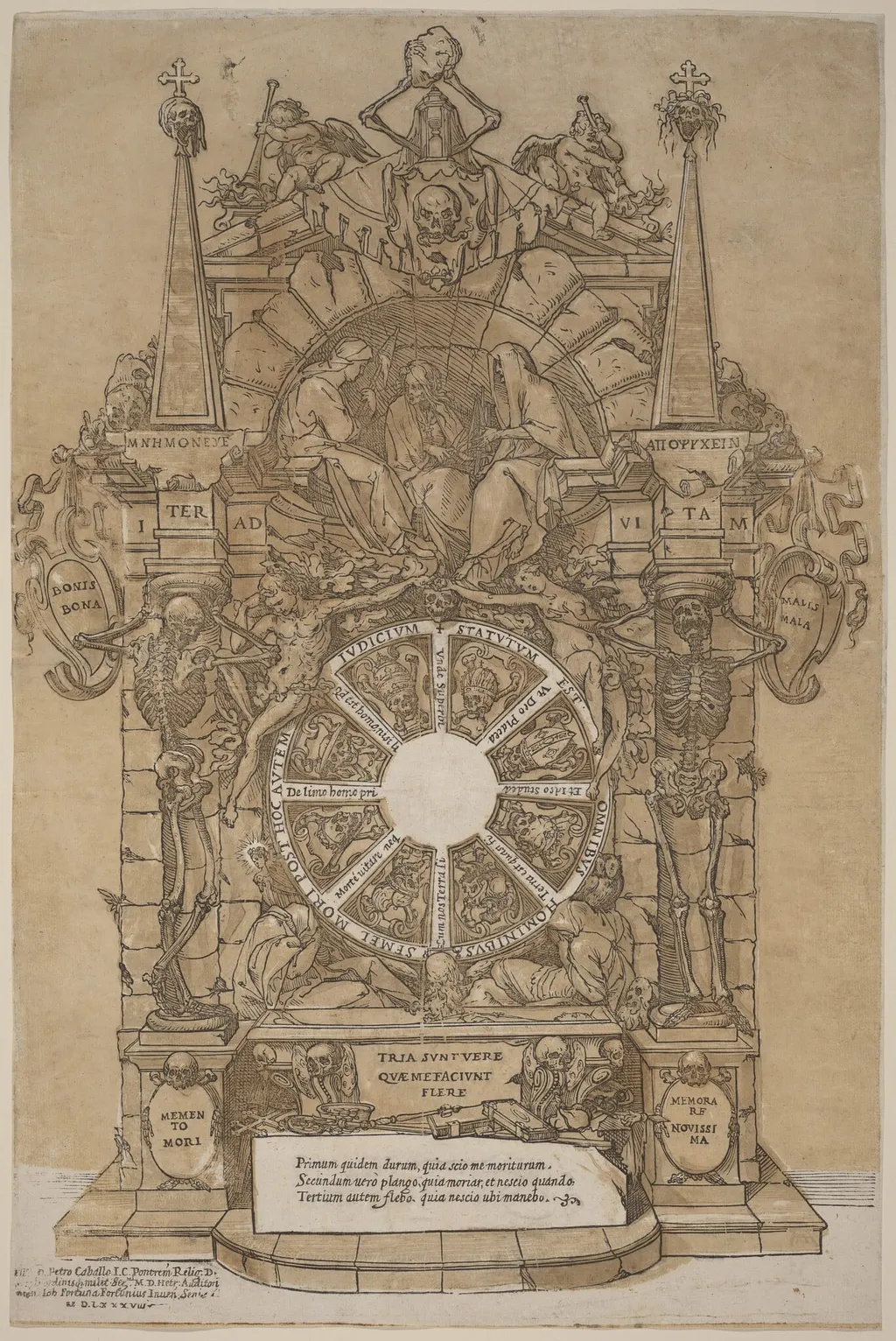
Allegory on Death is an ink print by the Renaissance artist Andrea Andreani. It dates from 1594 and is held in the collection of the National Gallery of Art.
About this work
Overview
The print presents a densely populated scene of skeletal figures, armored men, and celestial beings ascending a massive, crumbling edifice.
Allegory on Death is a chiaroscuro woodcut executed by Andrea Andreani in 1594. The print presents a densely populated scene of skeletal figures, armored men, and celestial beings ascending a massive, crumbling edifice. Latin inscriptions such as *Memento Mori* and *Ante Vi Ptam* are incised on the stone-like surfaces, while a lower banner carries a brief Latin poem, lending the composition a somber, dreamlike atmosphere.
Subject & Meaning
The work juxtaposes symbols of mortality and the afterlife, using skeletons to remind viewers of death’s inevitability and angels to suggest a spiritual realm beyond. The Latin mottos reinforce the moralizing tone, urging contemplation of life's transience. The chaotic aggregation of figures on the towering structure evokes a collective pilgrimage toward an uncertain destiny, reflecting Renaissance preoccupations with the fleeting nature of earthly existence.
Technique & Style
Andreani employed the chiaroscuro woodcut method, cutting separate blocks for line work and tonal areas to achieve stark light‑dark contrasts. This technique allowed the figures to emerge from deep shadows, creating a three‑dimensional effect uncommon in earlier prints. The intricate carving of fine details, especially in the armor and skeletal anatomy, demonstrates the high level of craftsmanship characteristic of late‑Renaissance printmaking.
History & Provenance
Created in the late sixteenth century, the print belongs to a period when Italian artists explored multi‑block woodcut processes to rival engraving. While specific ownership records are scarce, the work is documented in several early catalogues of Andreani’s oeuvre and has been held in major European collections, illustrating its circulation among connoisseurs of the era.
Context
Andreani’s chiaroscuro prints responded to the broader Renaissance interest in combining graphic precision with painterly effects. The allegorical theme aligns with contemporary moral literature and the visual language of memento mori, which pervaded religious and secular art alike. By integrating textual elements directly into the image, the print bridges visual and literary traditions prevalent in late‑Renaissance Italy.
Artist & collection


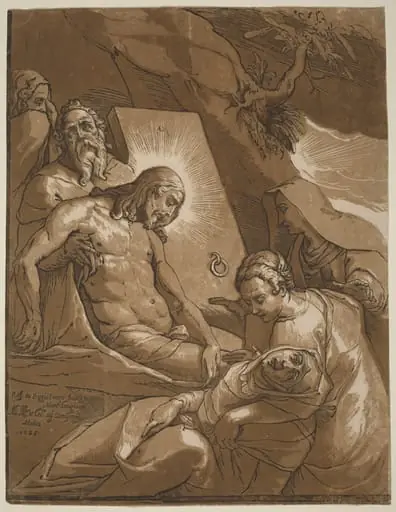 The Entombment
![The Triumph of Julius Caesar [no.9 plus 2 columns], by Andrea Andreani](https://artifactworldgallery.com/img/andrea-andreani--the-triumph-of-julius-caesar-no-9-plus-2-columns--26f4d2249baf2916-w320.webp) The Triumph of Julius Caesar [no.9 plus 2 columns]
The Triumph of Julius Caesar [no.9 plus 2 columns]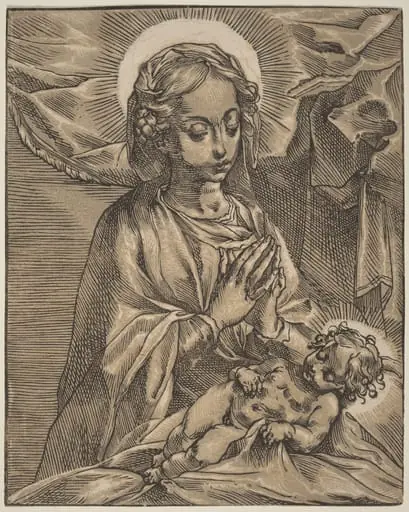 Madonna and Child
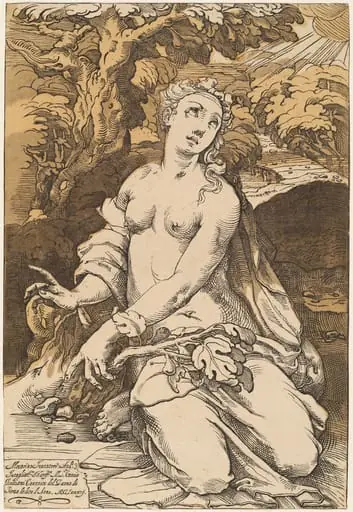 Eve
Eve![The Triumph of Julius Caesar [no.3 and 4 plus 2 columns], by Andrea Andreani](https://artifactworldgallery.com/img/andrea-andreani--the-triumph-of-julius-caesar-no-3-and-4-plus-2-columns--58c944449efc96df-w320.webp) The Triumph of Julius Caesar [no.3 and 4 plus 2 columns]
The Triumph of Julius Caesar [no.3 and 4 plus 2 columns]![The Triumph of Julius Caesar [no.1 and 2 plus 2 columns], by Andrea Andreani](https://artifactworldgallery.com/img/andrea-andreani--the-triumph-of-julius-caesar-no-1-and-2-plus-2-columns--72fc49376c9f9633-w320.webp) The Triumph of Julius Caesar [no.1 and 2 plus 2 columns]
The Triumph of Julius Caesar [no.1 and 2 plus 2 columns]![The Triumph of Julius Caesar [no.7 and 8 plus 2 columns], by Andrea Andreani](https://artifactworldgallery.com/img/andrea-andreani--the-triumph-of-julius-caesar-no-7-and-8-plus-2-columns--75ccf1616a5609e2-w320.webp) The Triumph of Julius Caesar [no.7 and 8 plus 2 columns]
The Triumph of Julius Caesar [no.7 and 8 plus 2 columns]![The Triumph of Julius Caesar [no.5 and 6 plus 2 columns], by Andrea Andreani](https://artifactworldgallery.com/img/andrea-andreani--the-triumph-of-julius-caesar-no-5-and-6-plus-2-columns--89574bdb08c8732e-w320.webp) The Triumph of Julius Caesar [no.5 and 6 plus 2 columns]
The Triumph of Julius Caesar [no.5 and 6 plus 2 columns]
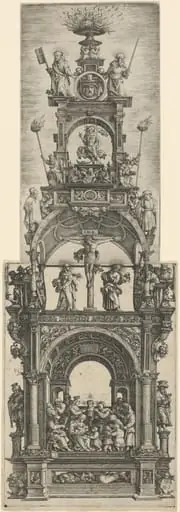 Triumphal Altar with Stages in the Life of Christ
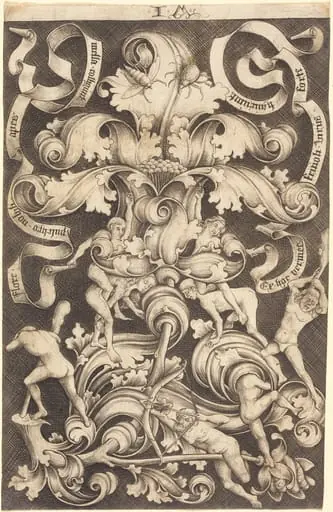 Ornament with Flower and Eight Wild Folk
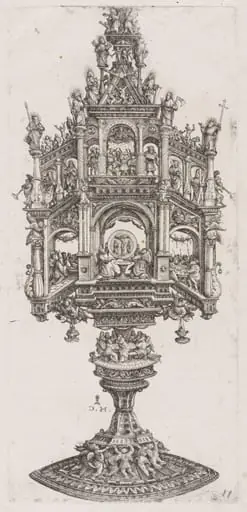 A Monstrance
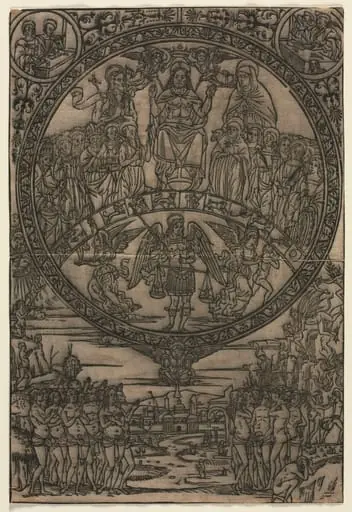 The Last Judgment in the Presence of the Saints and the Archangel Michael
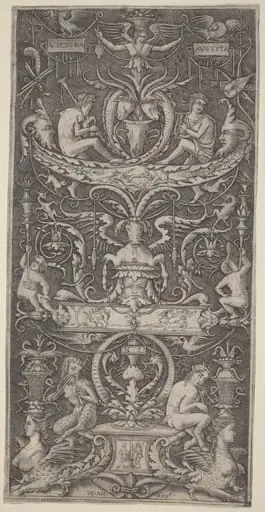 Ornamental Panel Inscribed "Victoria Augusta"
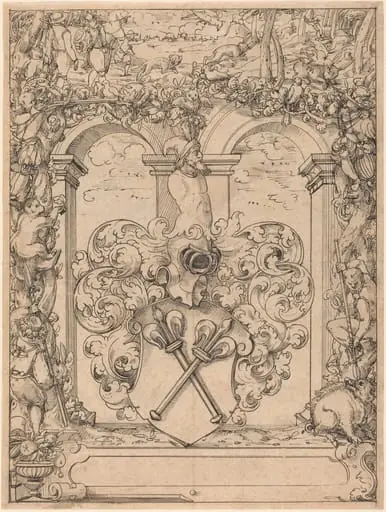 Design for a Window (Hunting Scene)
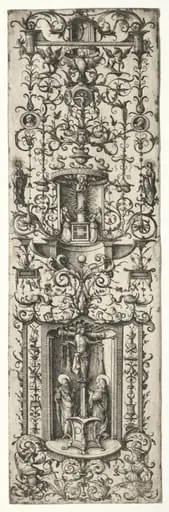 Ornamental fillet with the crucifixion and the virgin and child
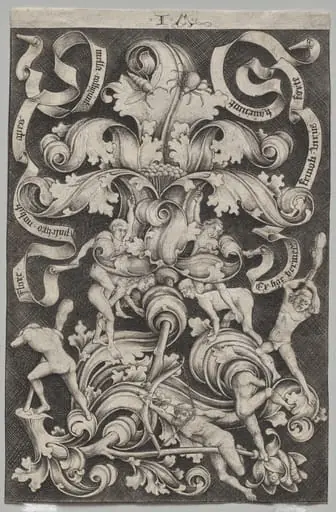 Upright Ornament with Eight Naked Men
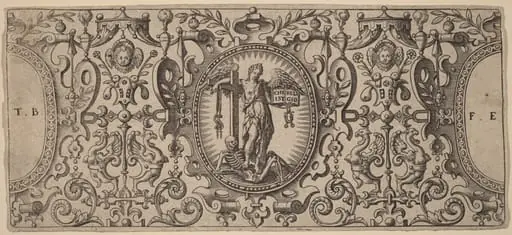 Ornament
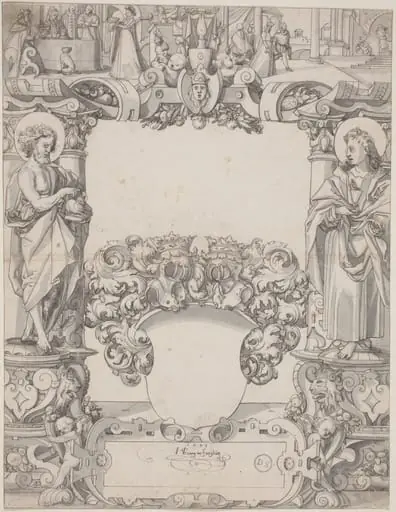 Glass Design with Saint John the Baptist and Saint John the Evangelist
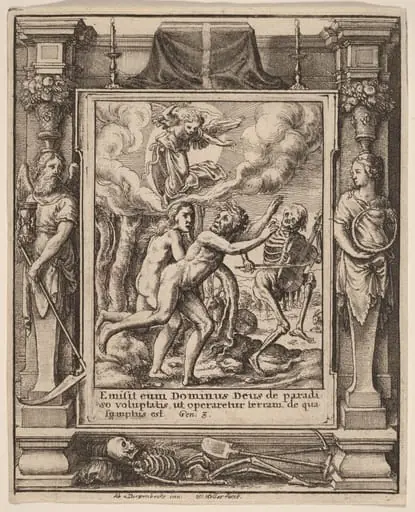 Paradise Lost
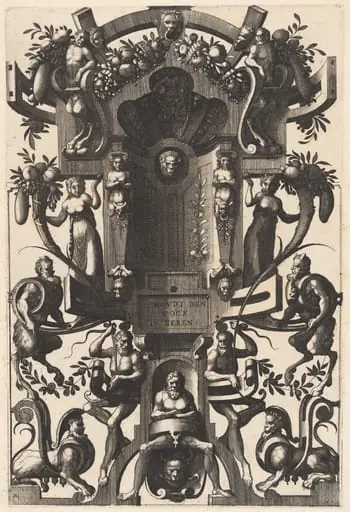 Grotesque with Strapwork in the Form of a Cartouche