Artwork
The Triumph of Julius Caesar: Soldiers Carrying Vases and Trophies of War
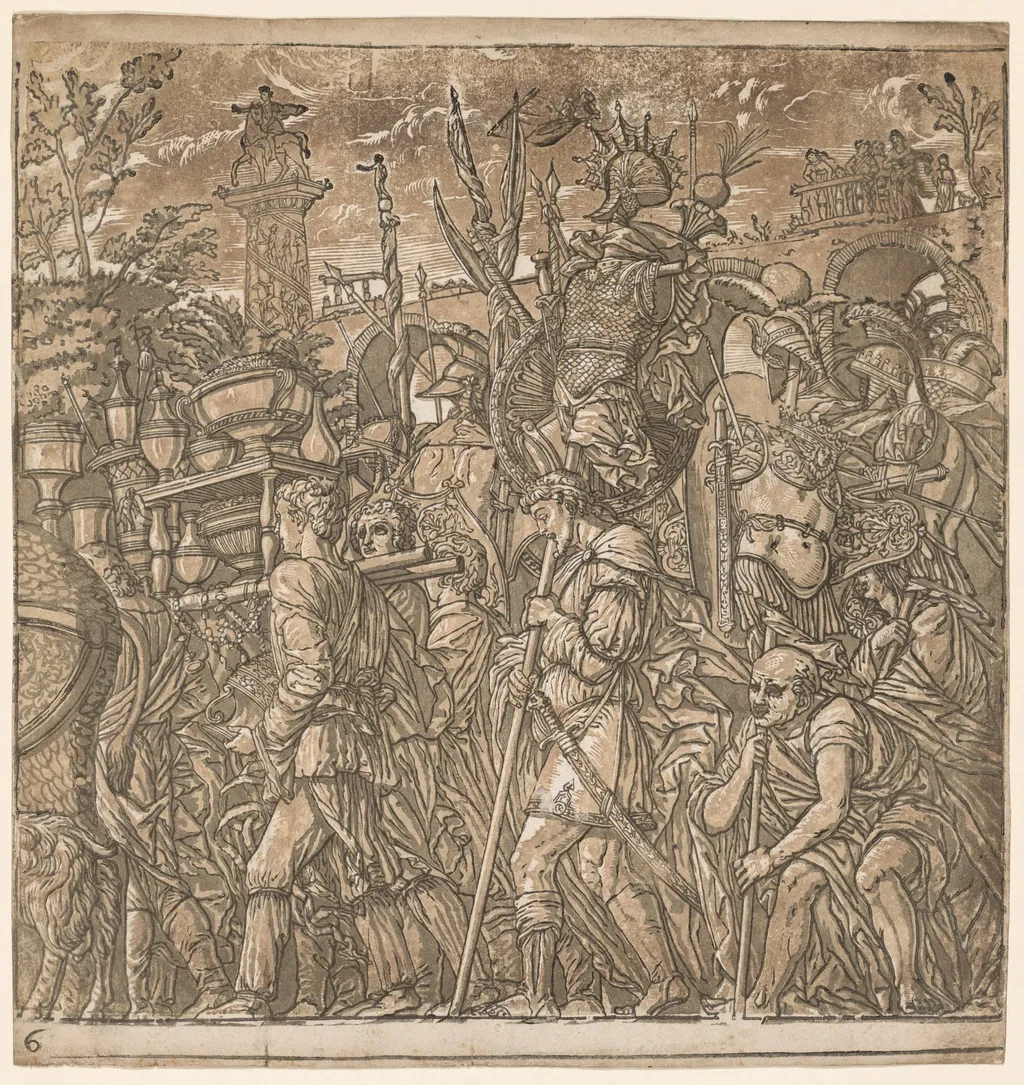
The Triumph of Julius Caesar: Soldiers Carrying Vases and Trophies of War is a print by the Renaissance artist Andrea Andreani. It dates from 1596 and is held in the collection of the Cleveland Museum of Art.
About this work
Overview
Created by Andreani after Mantegna’s designs, the prints replicate a continuous frieze originally executed a century prior.
A series of chiaroscuro woodcuts, commissioned by Duke Vincenzo Gonzaga in the late 16th century, reproduces Andrea Mantegna’s earlier painted cycle depicting Julius Caesar’s triumphal procession. Created by Andreani after Mantegna’s designs, the prints replicate a continuous frieze originally executed a century prior. The suite includes a frontispiece portrait of Mantegna and supplementary architectural elements meant to be cut out and inserted between scenes, enhancing the illusion of a unified monument.
Subject & Meaning
The procession illustrates the ceremonial victory parade held in Rome after Caesar’s conquest of Gaul in 52 BC. Soldiers carry spoils of war—vases, weapons, and symbolic trophies—alongside captives and religious artifacts, as described in Roman historical accounts. These images reflect not only military success but also the ritualized glorification of power sanctioned by the Senate, reinforcing ideals of Roman authority and civic order.
Technique & Style
The prints employ chiaroscuro woodcut technique, using multiple blocks to layer tones of ink and create depth without line drawing. This method, refined in Renaissance Italy, allowed subtle gradations of light and shadow, mimicking the tonal richness of painted compositions. The result is a graphic translation of Mantegna’s monumental style, preserving the weight and rhythm of the original while adapting it for reproduction and domestic display.
History & Provenance
Commissioned by Duke Vincenzo Gonzaga of Mantua, the series was part of a broader cultural project to align his court with classical antiquity. The prints were produced by Andreani, a skilled engraver, using Mantegna’s now-lost paintings as models. Ownership of complete sets was a mark of scholarly and aristocratic taste, and the inclusion of detachable columns suggests an intentional design for immersive, wall-mounted display in private collections.
Context
Triumphal processions were formal state rituals in ancient Rome, reserved for generals who had secured major victories. The visual language of these events—captives, spoils, sacred objects—was codified in literature and public memory. By reviving this imagery centuries later, Gonzaga’s commission linked his dynasty to Roman imperial prestige, using art as a tool of political symbolism during a period of renewed interest in classical antiquity.
Legacy
The woodcut series preserved Mantegna’s composition for future generations after the original paintings deteriorated. Its structured format, with modular architectural elements, influenced how Renaissance patrons engaged with historical imagery in domestic spaces. Surviving fragments, including the colored columns still positioned beside the fourth scene, offer rare physical evidence of how these prints were assembled and experienced in their original context.
Artist & collection

Artist
Andrea Andreani (1540–1623) was an Italian engraver on wood, who was among the first printmakers in Italy to use chiaroscuro, which required multiple colours.

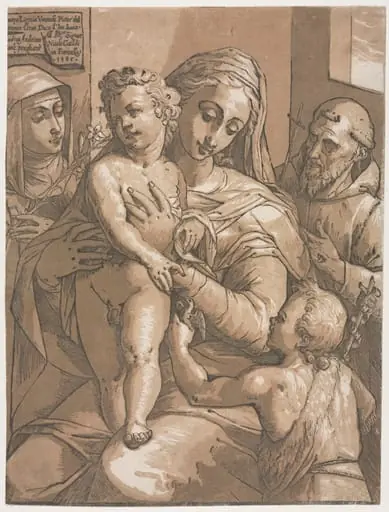 Virgin and Child with St. John, St. Catherine of Siena and St. Francis
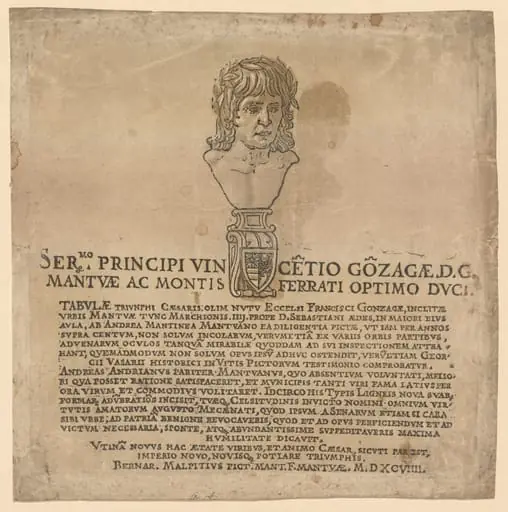 The Triumph of Julius Caesar
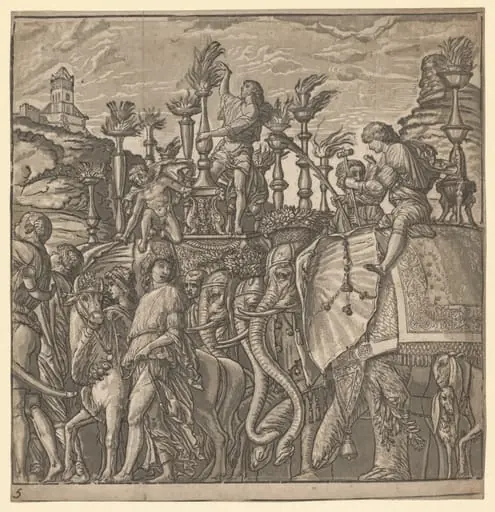 The Triumph of Julius Caesar: Elephants Carrying Torches
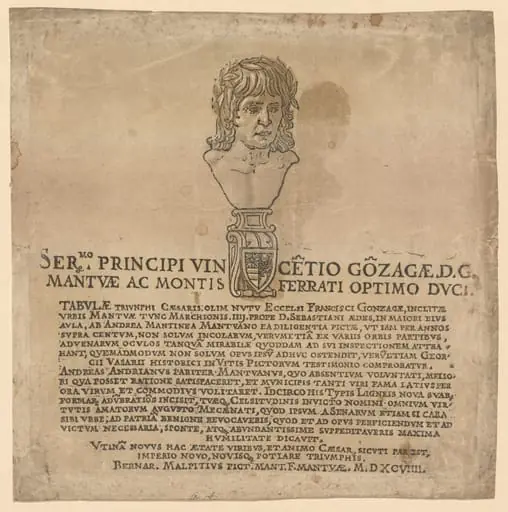 The Triumph of Julius Caesar: Frontispiece
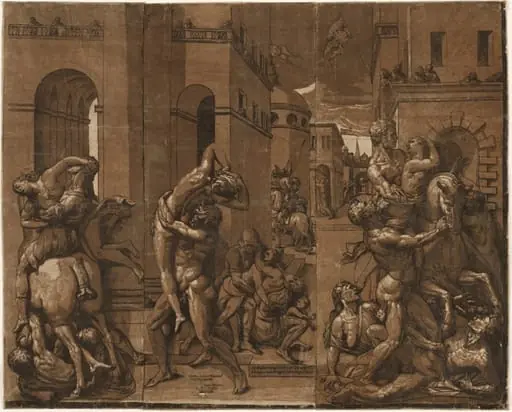 The Abduction of the Sabine Women
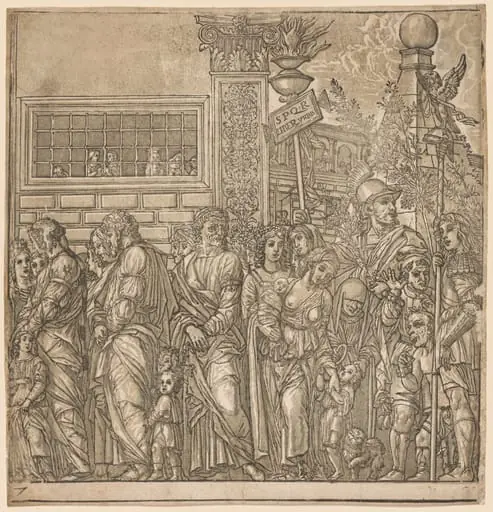 The Triumph of Julius Caesar: Procession of Men, Women and Children
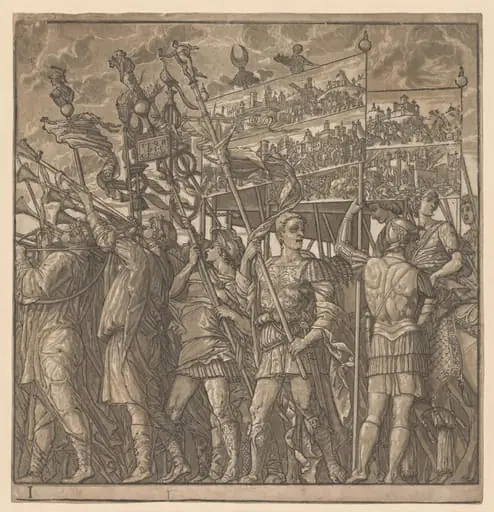 The Triumph of Julius Caesar: Soldiers Carrying the Pictures of War
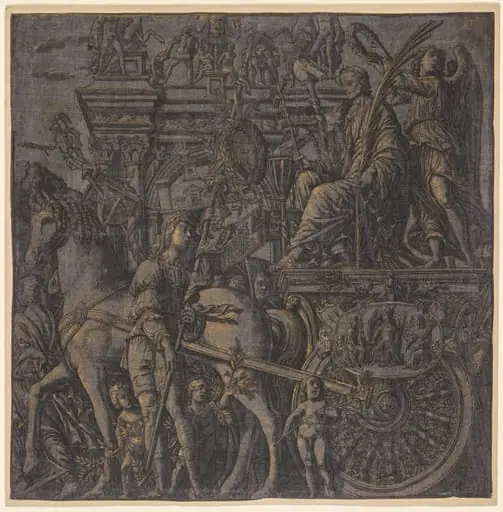 The Triumph of Julius Caesar: Caesar Triumphant
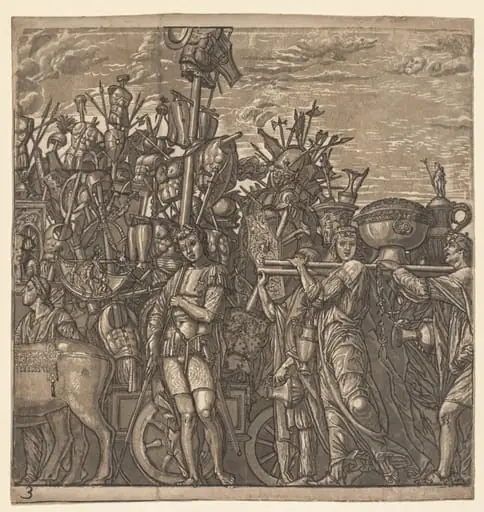 The Triumph of Julius Caesar: Soldiers Marching with Trophies of War
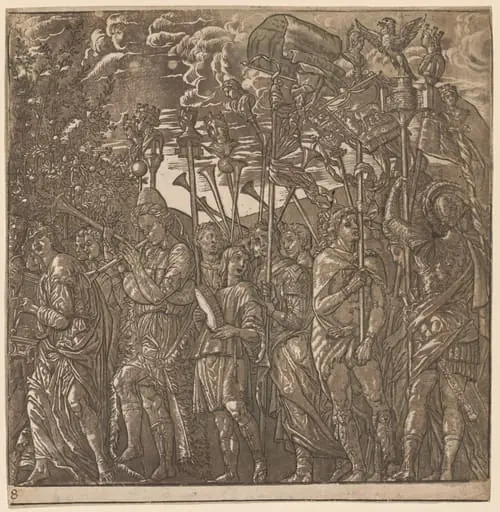 The Triumph of Julius Caesar: Soldiers Carrying Banners and Standards
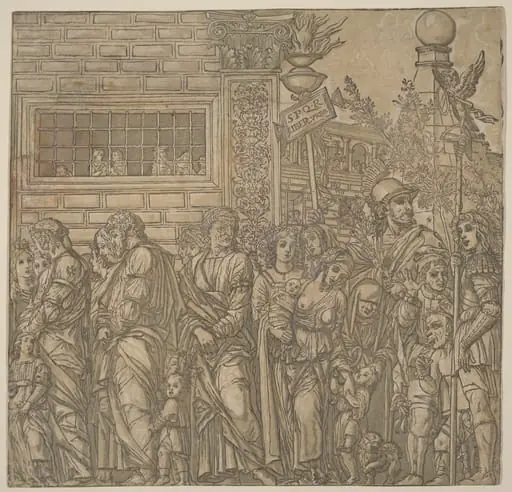 The Triumph of Julius Caesar
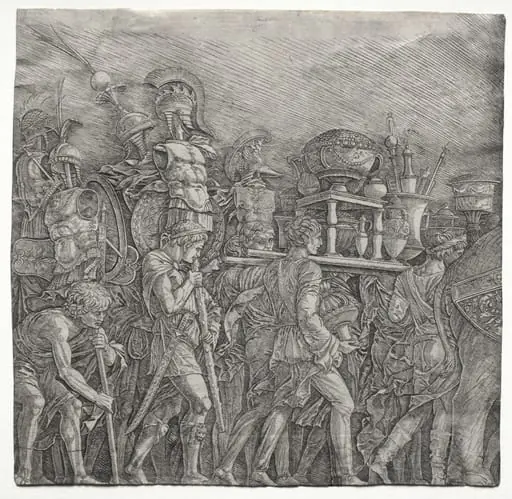 The Triumphs of Caesar: The Corselet Bearers
![The Triumph of Julius Caesar [no.9 plus 2 columns], by Andrea Andreani](https://artifactworldgallery.com/img/andrea-andreani--the-triumph-of-julius-caesar-no-9-plus-2-columns--26f4d2249baf2916-w320.webp) The Triumph of Julius Caesar [no.9 plus 2 columns]
The Triumph of Julius Caesar [no.9 plus 2 columns]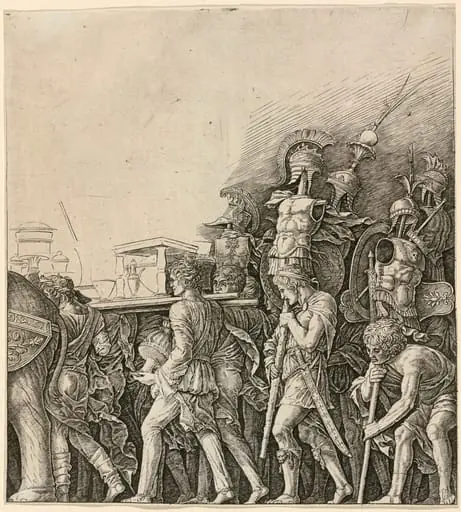 The Triumph of Caesar: Soldiers Carrying Trophies
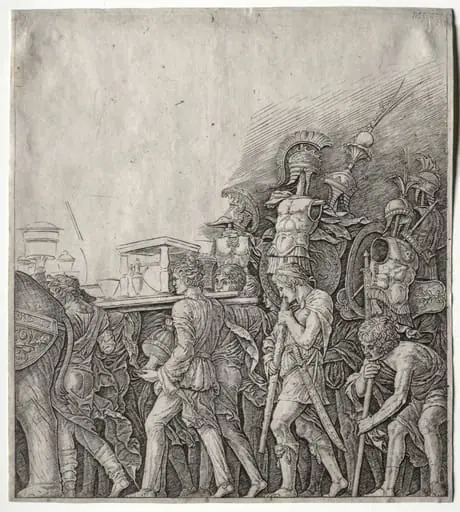 The Triumphs of Caesar: The Corselet Bearers
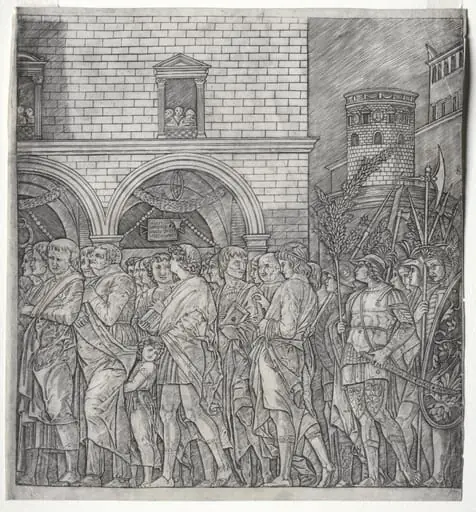 Triumph of Caesar: The Senators
![The Triumph of Julius Caesar [no.1 and 2 plus 2 columns], by Andrea Andreani](https://artifactworldgallery.com/img/andrea-andreani--the-triumph-of-julius-caesar-no-1-and-2-plus-2-columns--72fc49376c9f9633-w320.webp) The Triumph of Julius Caesar [no.1 and 2 plus 2 columns]
The Triumph of Julius Caesar [no.1 and 2 plus 2 columns]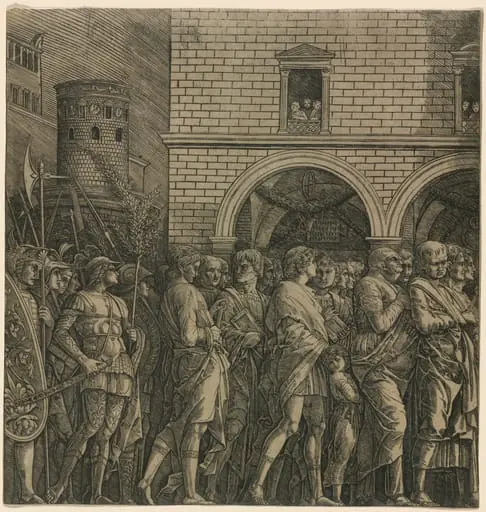 The Triumph of Caesar: The Senators