Artwork
Nașterea lui Isus
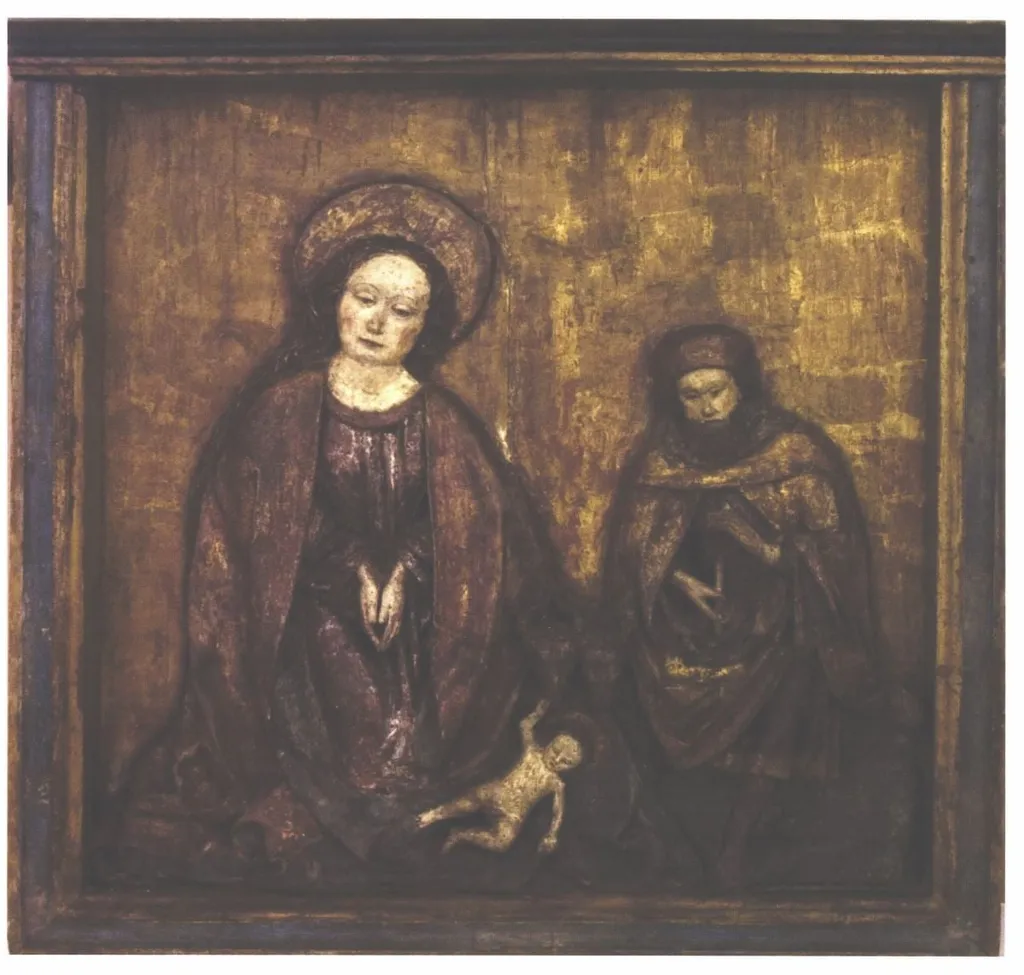
Nașterea lui Isus is an unspecified painting by anonim german. It is held in the collection of the National Museum of Art of Romania. This painting depicts the birth of Jesus, rendered in a muted palette of browns and golds.
About this work
Overview
The composition emphasizes quiet intimacy over dramatic spectacle, with subtle lighting guiding attention to the figures and their gestures.
This painting depicts the birth of Jesus, rendered in a muted palette of browns and golds. Two women are present: one seated with folded hands, the other kneeling and cradling the infant. The background features a richly textured, dark gold surface that recedes into shadow. The composition emphasizes quiet intimacy over dramatic spectacle, with subtle lighting guiding attention to the figures and their gestures.
Subject & Meaning
The scene portrays the moment of Christ’s birth, focusing on maternal care and stillness rather than divine spectacle. The seated woman, possibly Mary, appears composed, while the kneeling figure, likely a midwife, tenderly holds the child. The infant’s hand reaching toward her suggests a bond of recognition or comfort. The absence of angels or celestial light shifts focus to human tenderness within a sacred moment.
Technique & Style
The artist employs chiaroscuro to model forms through soft contrasts of light and deep shadow, lending volume to the figures against the gold ground. Brushwork is restrained, with layers of pigment creating a weathered, aged surface. Colors are subdued—ochres, umbers, and gold leaf—enhancing the sense of time and reverence. The texture of the background suggests a devotional object, perhaps once part of a larger altarpiece.
History & Provenance
The work’s origins are undocumented, but its materials and style align with late medieval or early Renaissance devotional panels from Southern Europe. The use of gold leaf and intimate scale suggest it was made for private worship, possibly in a convent or domestic chapel. Its worn condition indicates prolonged handling or exposure, consistent with objects used in personal prayer over centuries.
Context
Created during a period when religious imagery emphasized emotional accessibility, this painting reflects a shift toward humanized sacred narratives. While grand altarpieces depicted biblical events with grandeur, smaller devotional works like this one invited contemplation through quiet realism. The focus on two women, rather than the Holy Family in full, reflects a tradition of honoring female roles in sacred history.
Legacy
Though unsigned and unattributed, the painting exemplifies a quiet devotional tradition that prioritized emotional resonance over spectacle. Its preservation suggests continued reverence, even as artistic styles evolved. It stands as a testament to the enduring power of intimate religious imagery, offering a space for personal reflection amid the grand narratives of faith.
Artist & collection

 The Virgin and Child
 Madonna ja lapsi valtaistuimella
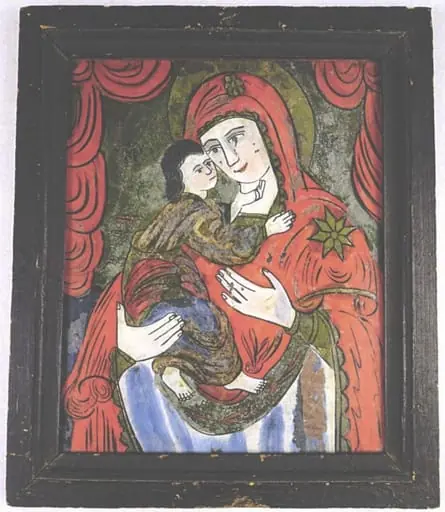 Maica Domnului Glykophilousa
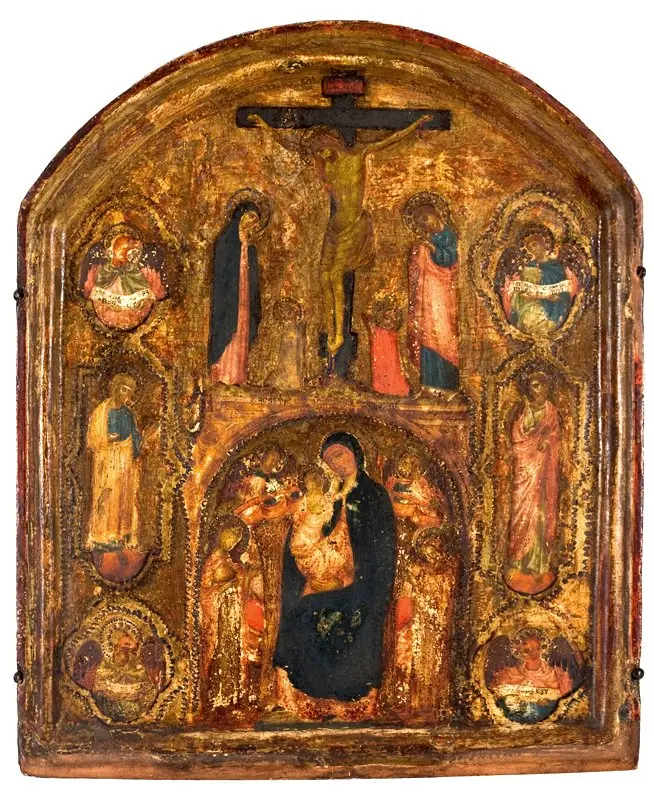 The Crucifixion with the Virgin and Child among Saints, Angels and the Symbols of the Evangelists
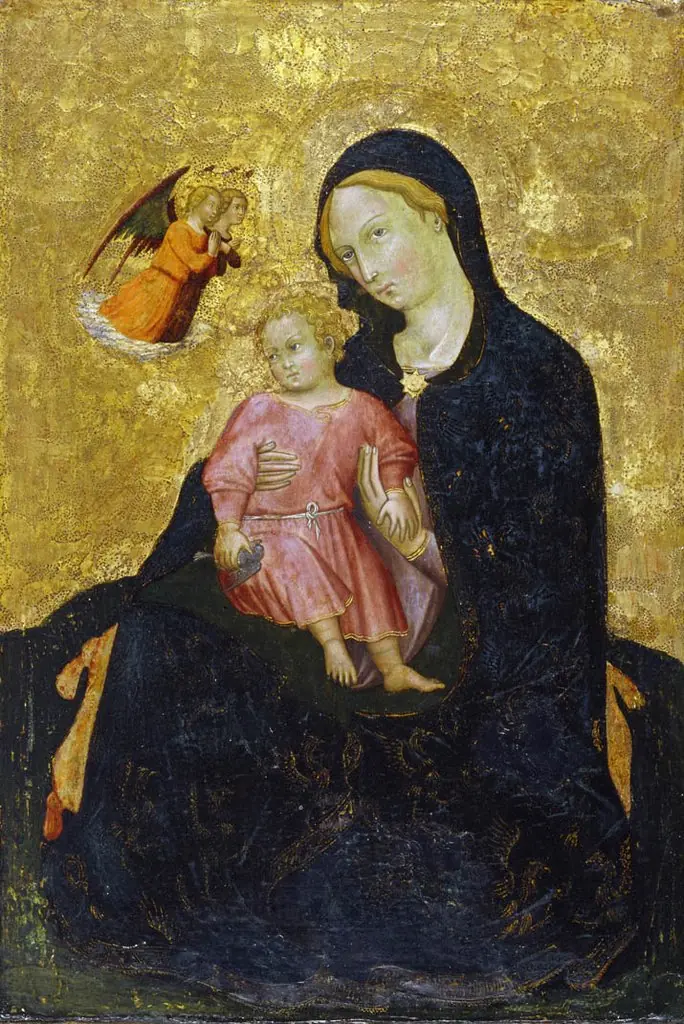 Vierge d'humilité
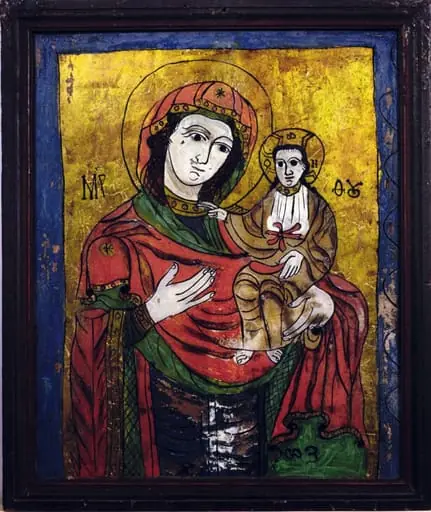 Maica Domnului cu Pruncul
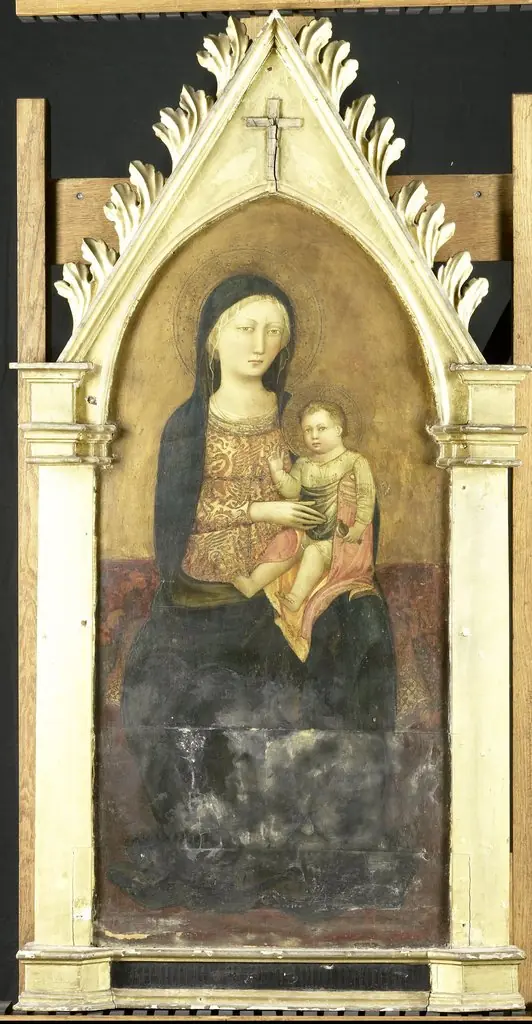 Virgin and Child
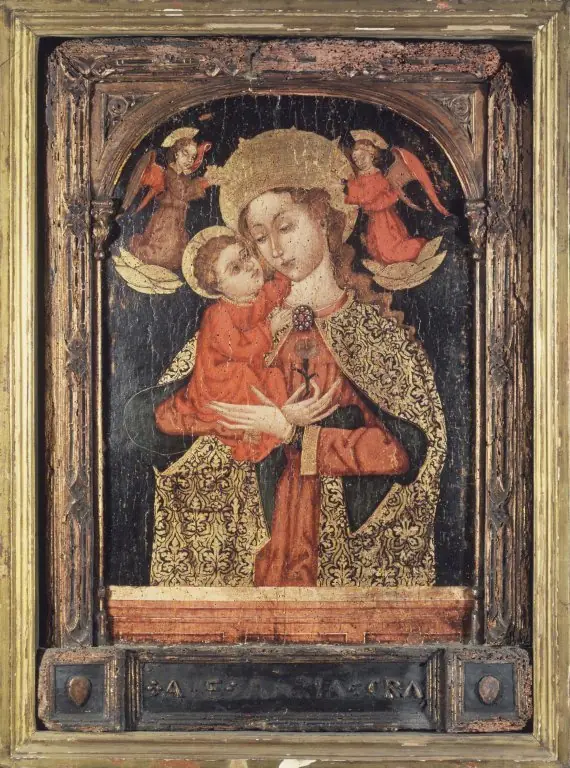 Virgin and Child with Two Angels
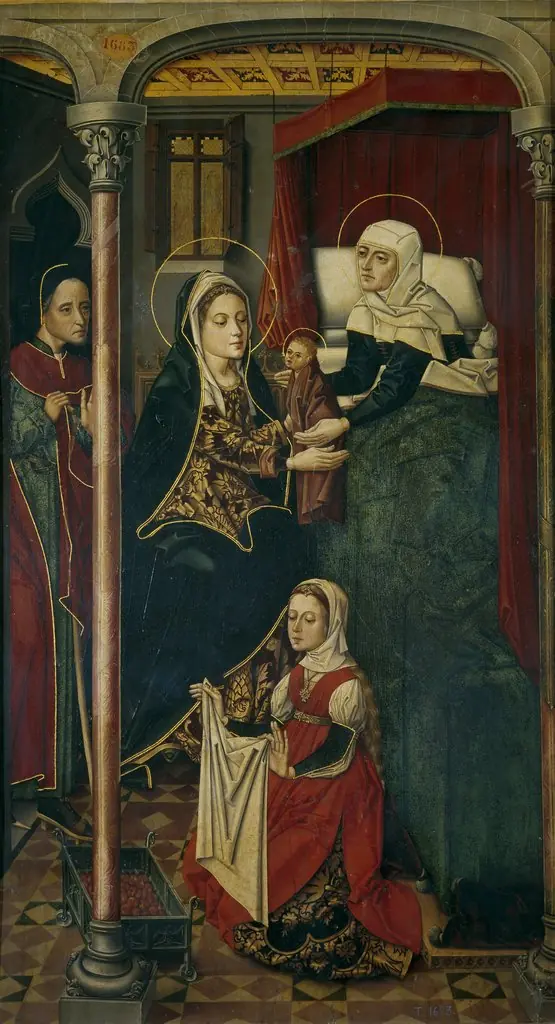 The Birth of Saint John the Baptist
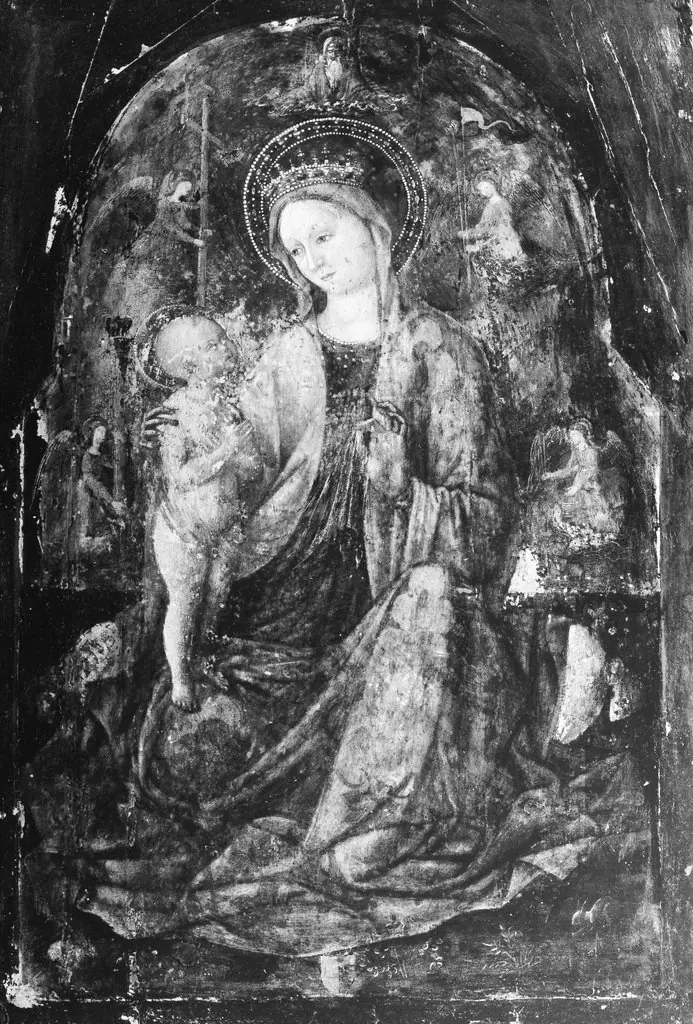 Madonna and Child
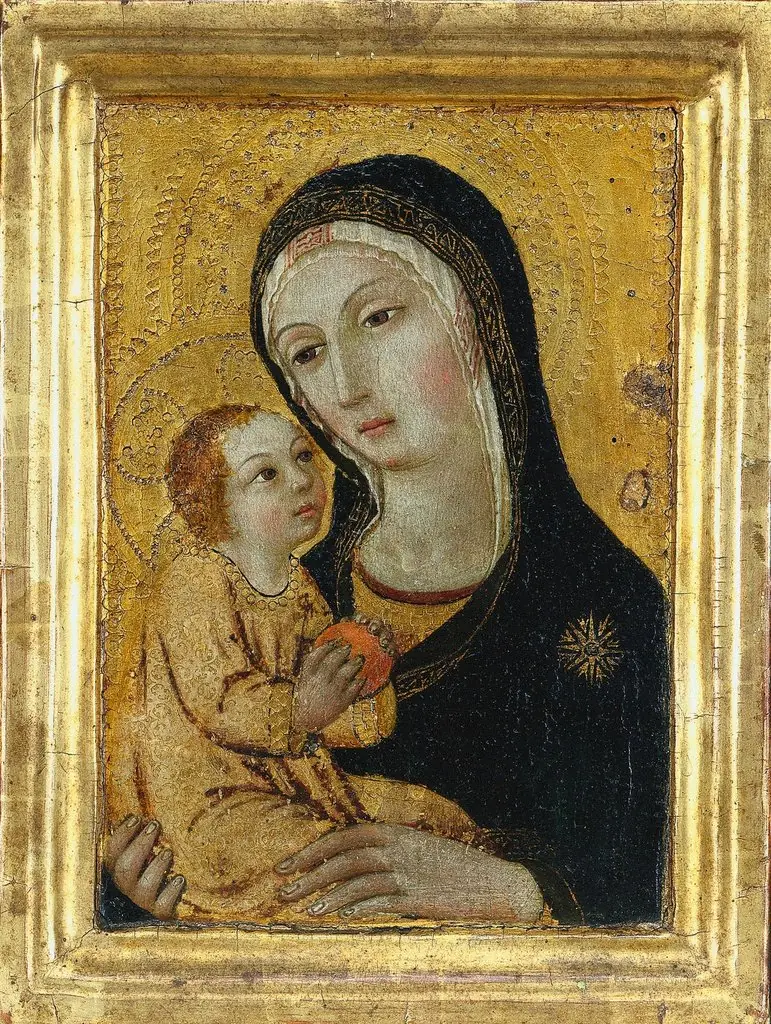 Virgin and Child
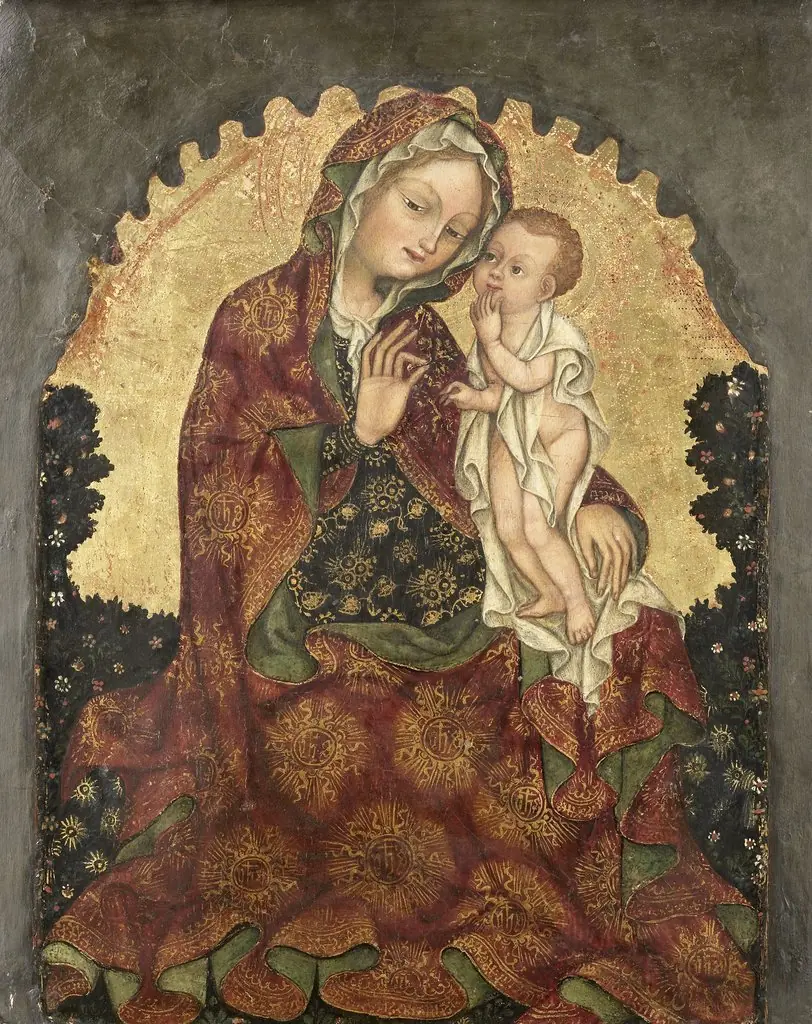 Madonna of Humility (Madonna dell'Umiltà)