Artwork
Six large upright landscapes with scenes from the Old Testament: Hagar Comforted by the Angel
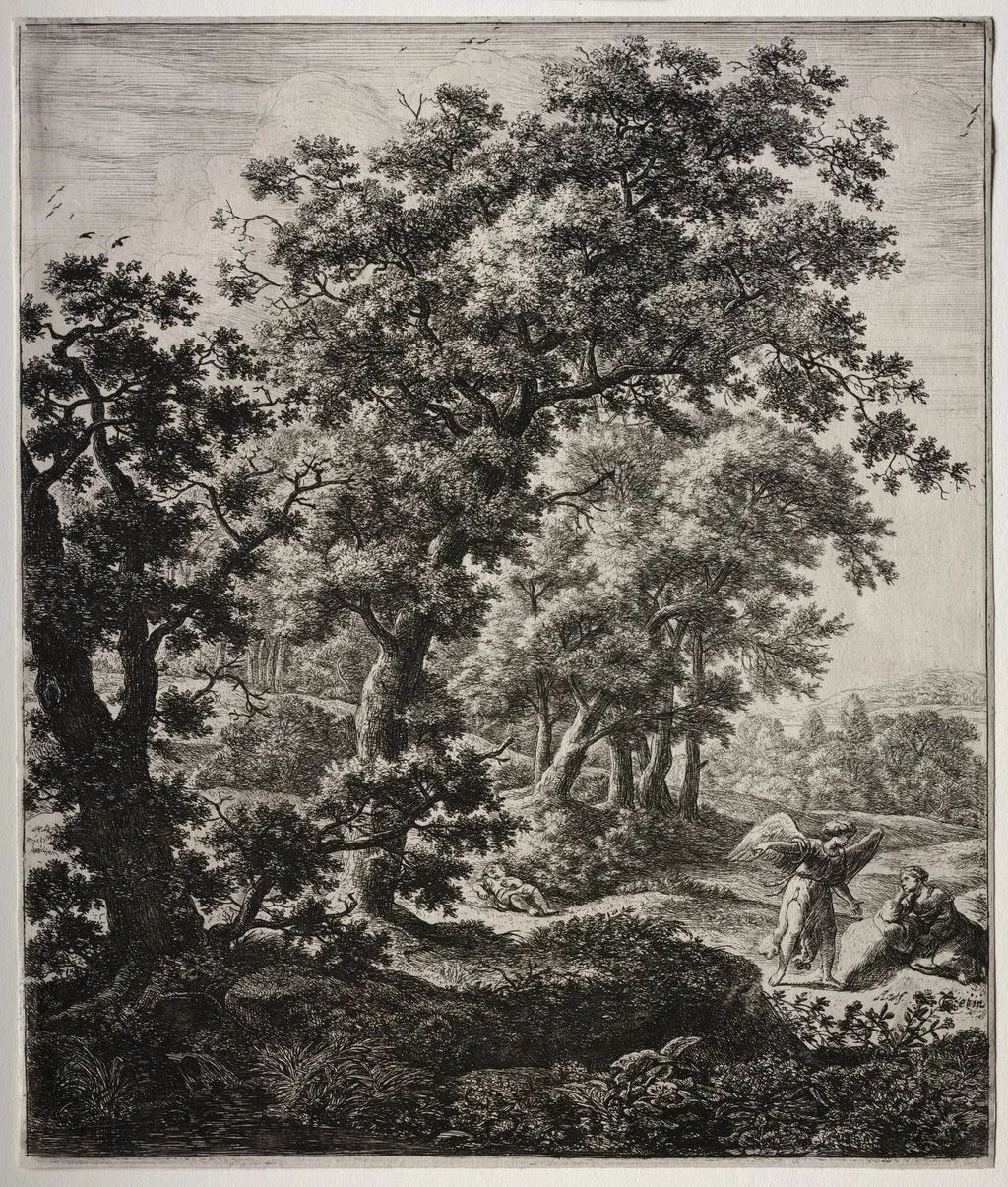
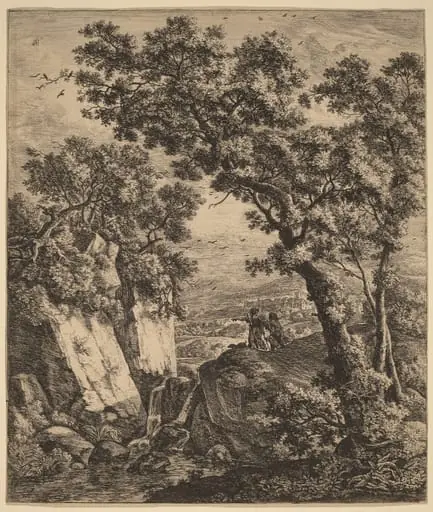
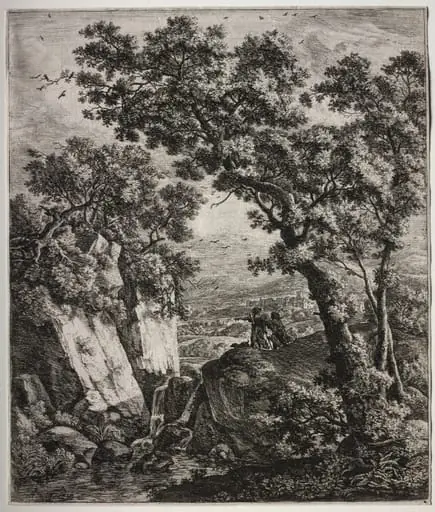
Six large upright landscapes with scenes from the Old Testament: Hagar Comforted by the Angel is a print by the Baroque artist Antonie Waterloo. It dates from 1665 and is held in the collection of the Cleveland Museum of Art.
About this work
Overview
Created in 1665 by Anthonie Waterloo, this black-and-white print is one of six large vertical landscapes depicting scenes from the Old Testament.
Created in 1665 by Anthonie Waterloo, this black-and-white print is one of six large vertical landscapes depicting scenes from the Old Testament. It resides in The Cleveland Museum of Art as part of a cohesive series. The composition emphasizes natural elements over human drama, presenting a forested setting with intricate detail. The artist’s focus on atmospheric depth and textural richness reflects a quiet, contemplative approach to biblical narrative through landscape.
Subject & Meaning
The scene illustrates Hagar being comforted by an angel after being cast into the wilderness, as recounted in Genesis. Rather than centering the divine intervention, Waterloo directs attention to the surrounding wilderness—gnarled trees, a narrow stream, and dense foliage. The kneeling figure and the angel’s gesture are subtly integrated into the environment, suggesting divine presence within nature rather than above it. This framing invites reflection on solitude and endurance.
Technique & Style
Waterloo employed fine linear engraving and subtle tonal gradations to render the forest’s complexity. Shading techniques, including cross-hatching and delicate stippling, model the volume of tree trunks and foliage, creating a sense of three-dimensionality. The contrast between dark, tangled branches and lighter areas of sky and water enhances spatial depth. The absence of color focuses the viewer on texture and light, aligning with Northern European print traditions of the period.
History & Provenance
The print was produced in the mid-17th century during Waterloo’s time in the Netherlands, where he was influenced by Dutch landscape traditions. It entered The Cleveland Museum of Art’s collection as part of a broader acquisition of early modern prints. Its preservation in good condition reflects careful handling over centuries. While the full series of six prints is not always displayed together, this work remains a key example of Waterloo’s mature style.
Context
In mid-17th-century Northern Europe, biblical landscapes were popular subjects for prints, serving both devotional and aesthetic purposes. Waterloo’s approach diverged from dramatic narrative painting by prioritizing environmental realism. His work aligns with contemporaries who saw nature as a vessel for spiritual meaning, reflecting a broader cultural shift toward introspective, nature-centered interpretations of scripture in Protestant regions.
Legacy
Waterloo’s integration of biblical themes into naturalistic landscapes influenced later generations of printmakers who favored atmosphere over spectacle. Though not widely known today, his technique in rendering organic textures contributed to the evolution of landscape printmaking in the Low Countries. This work remains a quiet testament to the period’s capacity for spiritual expression through understated visual language.
Own this work as a print
Artist & collection

 Six large upright landscapes with scenes from the Old Testament: Tobias and the Angel
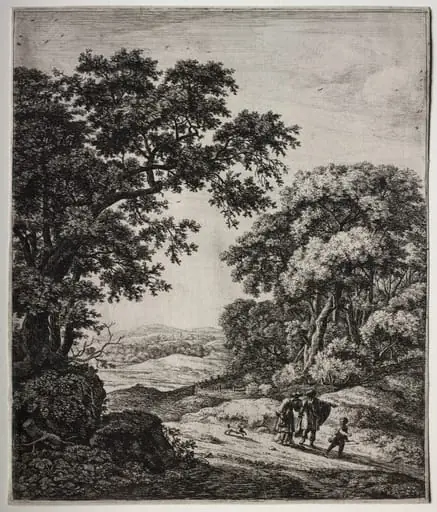 Six large upright landscapes with scenes from the Old Testament
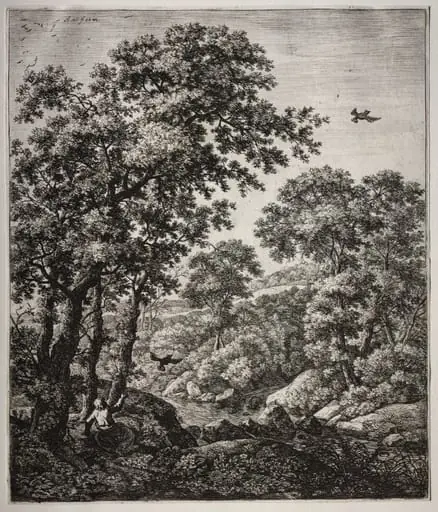 Six large upright landscapes with scenes from the Old Testament: Elijah Fed by the Ravens
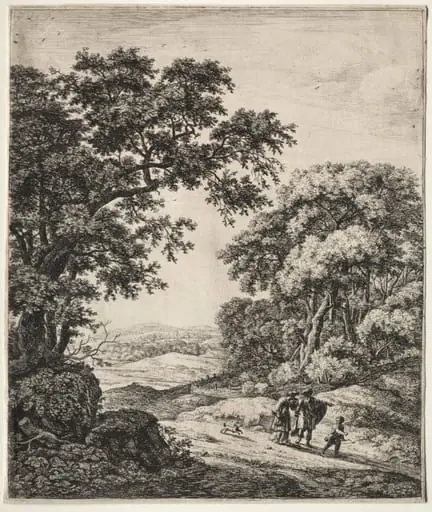 Six large upright landscapes with scenes from the Old Testament: Abraham Dismissing Hagar and Ishmael
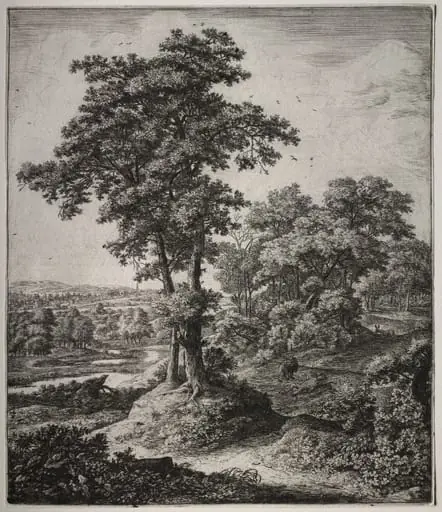 Six large upright landscapes with scenes from the Old Testament: The Unfaithful Prophet of Judah
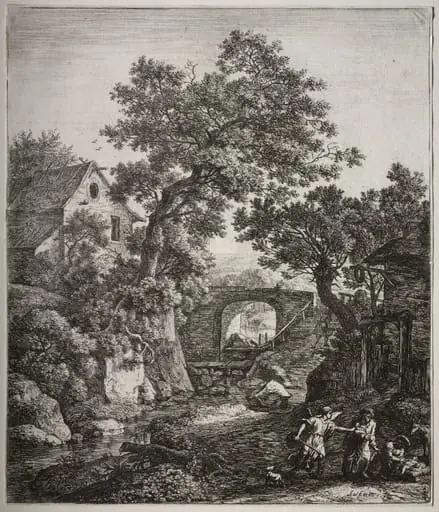 Six large upright landscapes with scenes from the Old Testament: Zipporah circumcising Her Son
 Six large upright landscapes with scenes from Ovid's Metamorphoses
 Six large upright landscapes with scenes from Ovid's Metamorphoses: Mercury and Argus
 Six large upright landscapes with scenes from Ovid's Metamorphoses: Apollo and Daphne