Artwork
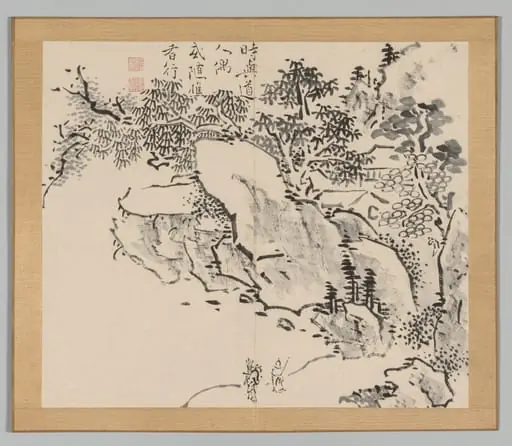
Reverberations of Taiga, Volume 2 (leaf 1)
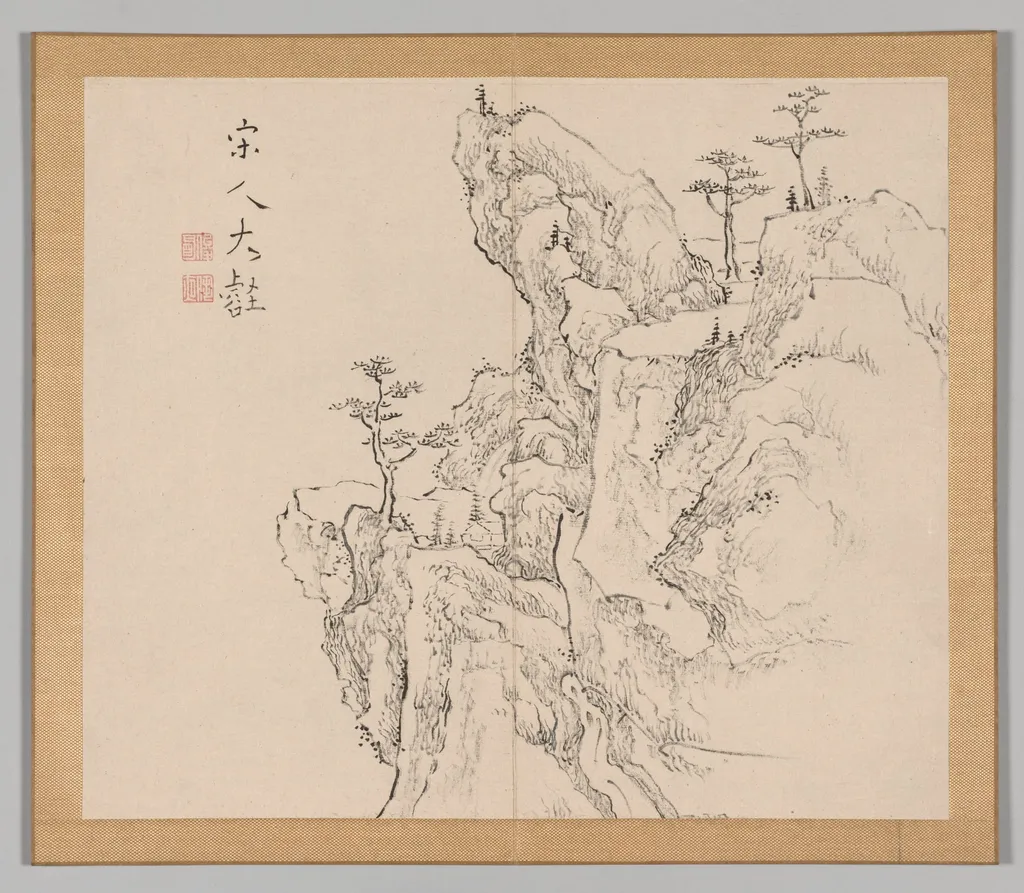
Reverberations of Taiga, Volume 2 (leaf 1) is a work on paper by the Baroque artist Aoki Shukuya. It dates from 1704 and is held in the collection of the Cleveland Museum of Art.
About this work
This painting shows rocks, trees, and mountains in a simple style.
It's a copy of a master's work, which was a common way for young artists to learn.
The artist, Aoki Shukuya, was a pupil of Ikeno Taiga, and you can see Taiga's influence in these sketches.
You can learn more about this style by looking at the work of artist: Aoki Shukuya (Japanese, d. 1802)
Overview
This leaf is part of a two-volume portfolio by Aoki Shukuya, created during his training as a painter in 18th-century Japan. It contains ink sketches of natural forms—rocks, trees, and mountains—executed in a restrained, linear style. Such portfolios were used by students to practice and internalize the techniques of their teachers, serving as both study tools and records of artistic development.
Subject & Meaning
The imagery focuses on elemental landscapes, avoiding narrative or symbolic content. Rocks, trees, and mountains are rendered not as idealized scenery but as structural studies, emphasizing form and brush control. These subjects were central to ink painting traditions, valued for their capacity to convey harmony, resilience, and the quiet rhythm of nature through minimal means.
Technique & Style
Shukuya employed monochrome ink washes and controlled brushwork, mirroring the methods taught by his master, Ikeno Taiga. Lines are deliberate yet fluid, with varying pressure to suggest texture and volume. The absence of color and detail reflects the Zen-influenced aesthetics of literati painting, where restraint and suggestion replaced ornate representation.
History & Provenance
Created in Kyoto during the mid-1700s, this work emerged from a rigorous apprenticeship system in which students copied their masters’ compositions to master technique. Shukuya, active in the latter half of the century, was among Taiga’s most dedicated pupils. The portfolio likely served as a personal archive, later preserved as evidence of his formative years under Taiga’s guidance.
Context
In 18th-century Japan, ink painting was deeply tied to scholarly and monastic traditions. Kyoto-based artists like Taiga revived Chinese literati styles, emphasizing personal expression within established forms. Shukuya’s sketches reflect this milieu, where learning meant internalizing a master’s vision before developing one’s own voice—a process central to artistic legitimacy at the time.
Legacy
Shukuya’s work, though less widely known than Taiga’s, preserves the pedagogical practices of his era. These sketches demonstrate how artistic lineage was transmitted through disciplined repetition. His portfolio remains a quiet testament to the value placed on apprenticeship in Japanese art, offering insight into the quiet, methodical foundations of later individual styles.
Artist & collection

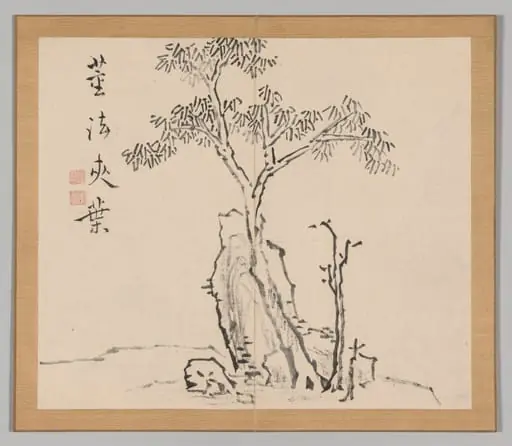 Reverberations of Taiga, Volume 1 (leaf 4)
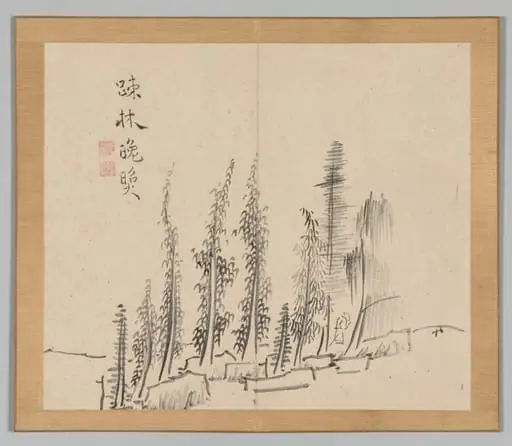 Reverberations of Taiga, Volume 2 (leaf 30)
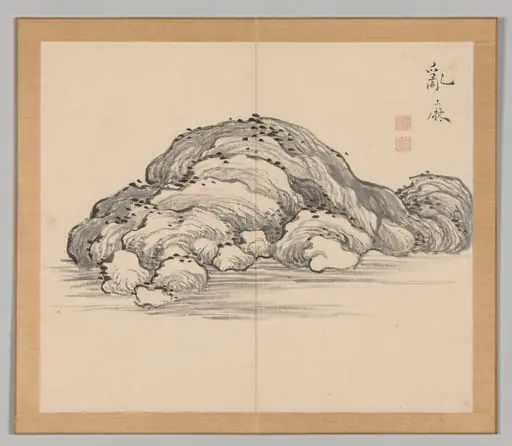 Reverberations of Taiga, Volume 1 (leaf 12)
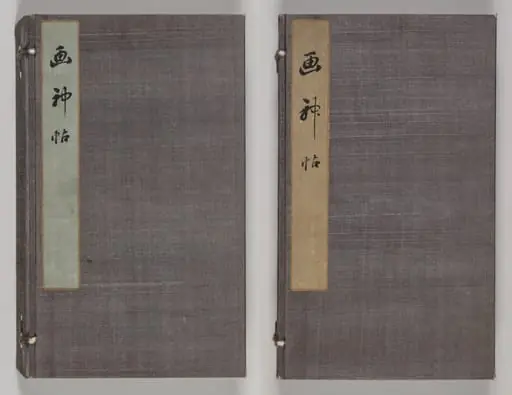 Reverberations of Taiga
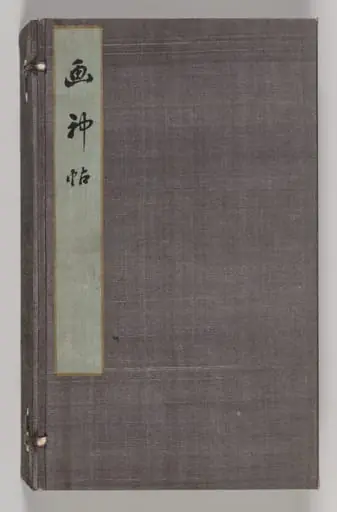 Reverberations of Taiga (Volume 1)
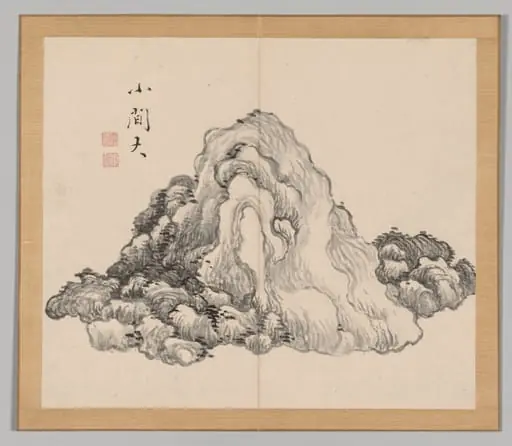 Reverberations of Taiga, Volume 1 (leaf 7)
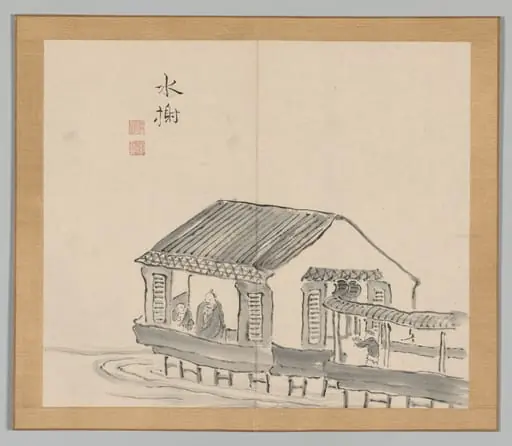 Reverberations of Taiga, Volume 2 (leaf 29)
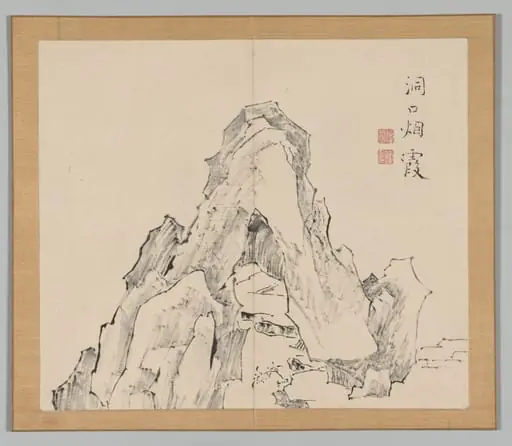 Reverberations of Taiga, Volume 2 (leaf 20)
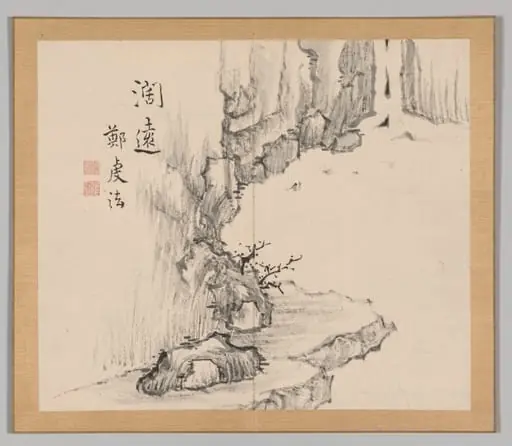 Reverberations of Taiga, Volume 2 (leaf 4)
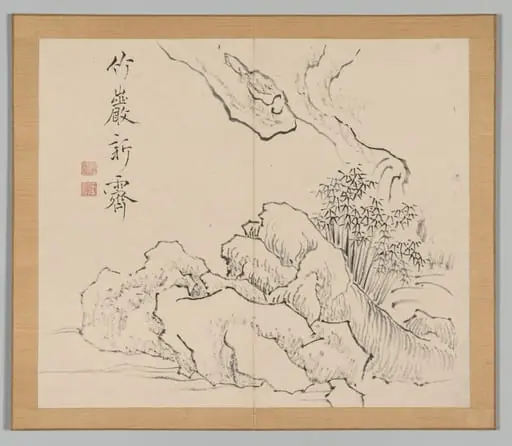 Reverberations of Taiga, Volume 2 (leaf 19)
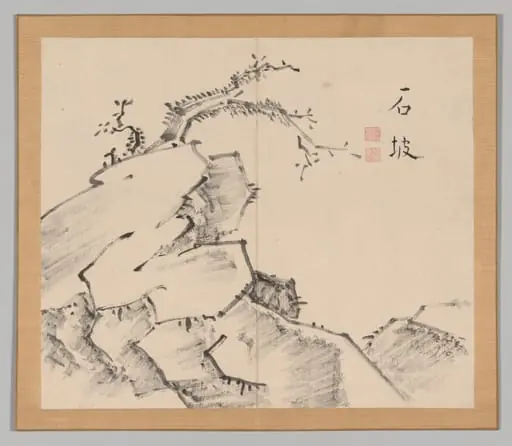 Reverberations of Taiga, Volume 1 (leaf 20)
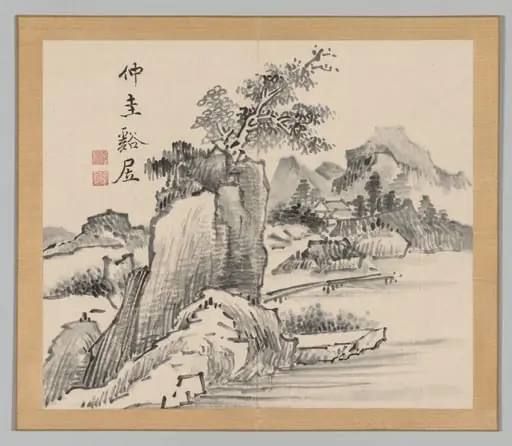 Reverberations of Taiga, Volume 2 (leaf 14)
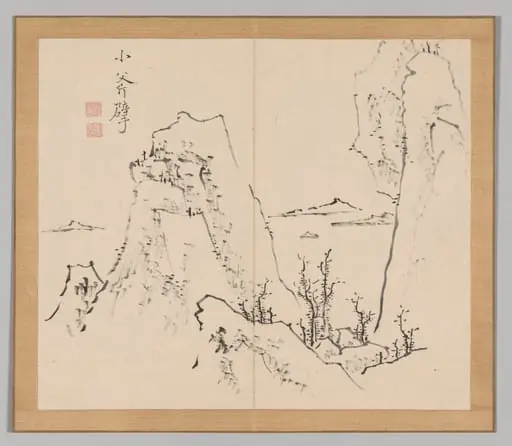 Reverberations of Taiga, Volume 1 (leaf 8)
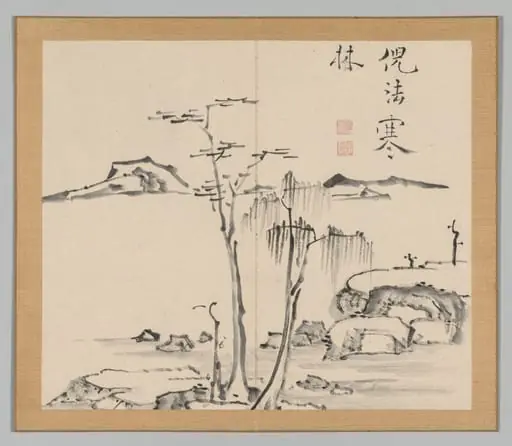 Reverberations of Taiga, Volume 2 (leaf 15)
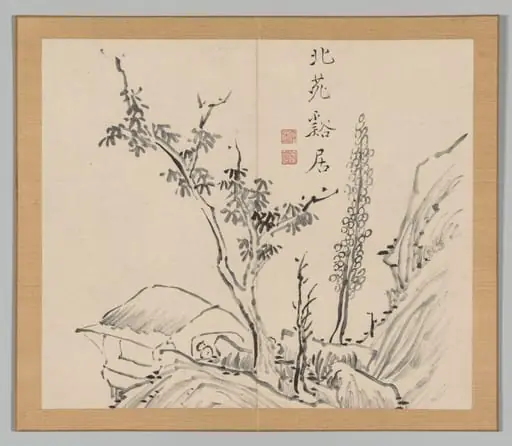 Reverberations of Taiga, Volume 2 (leaf 13)
 Reverberations of Taiga, Volume 2 (leaf 34)