Artwork
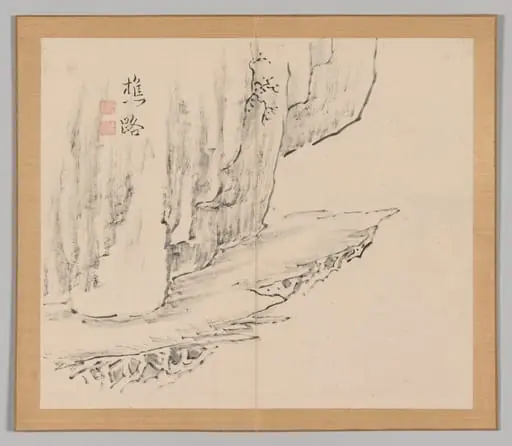
Reverberations of Taiga, Volume 1 (leaf 6)
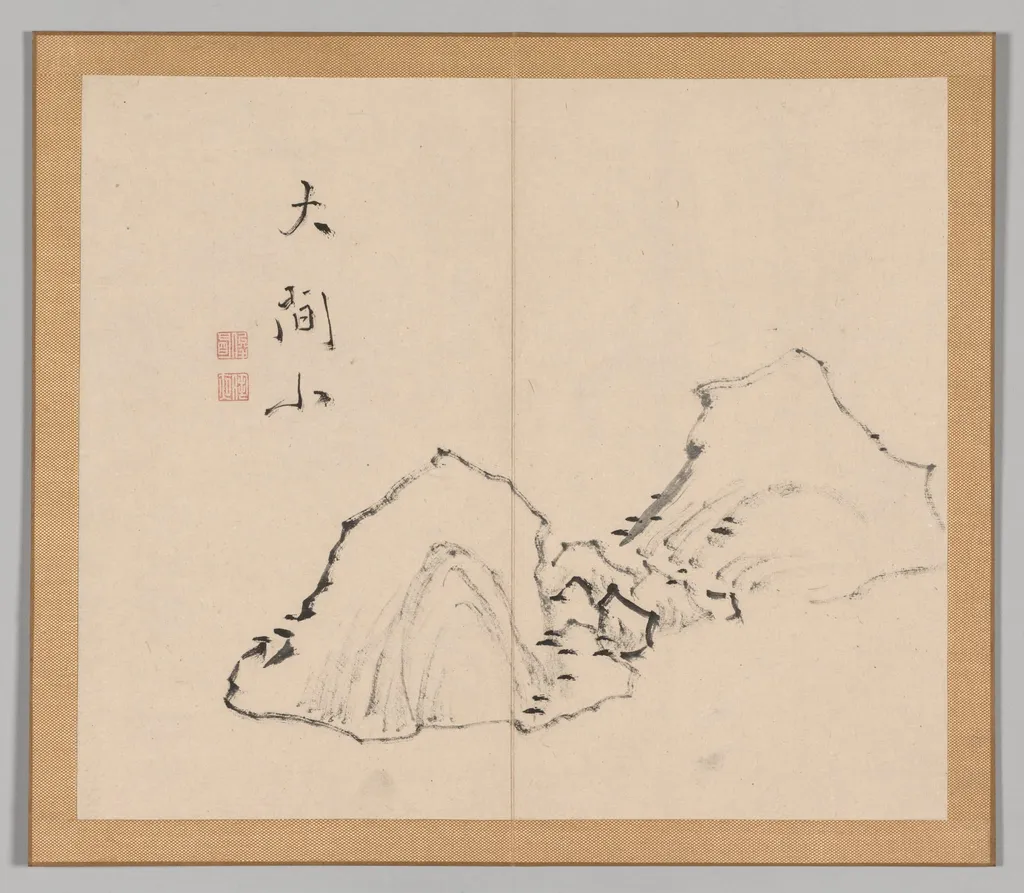
Reverberations of Taiga, Volume 1 (leaf 6) is a work on paper by the Baroque artist Aoki Shukuya. It dates from 1704 and is held in the collection of the Cleveland Museum of Art. This leaf is part of a portfolio titled Reverberations of Taiga, Volume 1, created by a student of the Kyoto painter Ikeno Taiga.
About this work
Overview
This leaf is part of a portfolio titled Reverberations of Taiga, Volume 1, created by a student of the Kyoto painter Ikeno Taiga. It belongs to a series of instructional sketches meant to convey the master’s approach to ink landscape drawing. The work reflects the traditional Japanese practice of apprenticeship, where learning occurred through careful replication of a teacher’s compositions.
Subject & Meaning
The drawing depicts a minimalist arrangement of rocks, trees, and distant mountains, rendered without narrative or symbolic intent. These elements are not meant to represent specific locations but serve as formal studies in composition and brush control. The simplicity of the scene underscores the pedagogical purpose: to internalize the rhythms of nature through disciplined observation.
Technique & Style
The artist employs bold, economical ink lines and restrained tonal gradations, mirroring Ikeno Taiga’s signature style. Forms are suggested rather than detailed, with emphasis on the energy of the brushstroke rather than realism. The use of dry brush and sparse washes creates a sense of atmospheric depth, characteristic of literati ink painting traditions in 18th-century Japan.
History & Provenance
The portfolio was produced during the Edo period, likely in Kyoto, where Taiga’s school attracted numerous pupils. As a student exercise, this leaf was not intended for public display but for private study and critique. Its survival suggests it was preserved either as a keepsake or as evidence of the pupil’s progress under Taiga’s tutelage.
Context
Taiga, known for blending Chinese ink traditions with Japanese sensibilities, encouraged students to absorb his methods before developing individual voices.
In 18th-century Japan, artistic training was deeply rooted in master-apprentice relationships, particularly among literati painters who valued personal expression within established conventions. Taiga, known for blending Chinese ink traditions with Japanese sensibilities, encouraged students to absorb his methods before developing individual voices. This leaf exemplifies that foundational phase of learning.
Legacy
Works like this leaf document the transmission of artistic knowledge across generations. Though unsigned and unassuming, they reveal how stylistic lineages were maintained through disciplined practice. Today, such sketches offer insight into the quiet, repetitive labor behind the development of Japan’s ink painting traditions.
Artist & collection

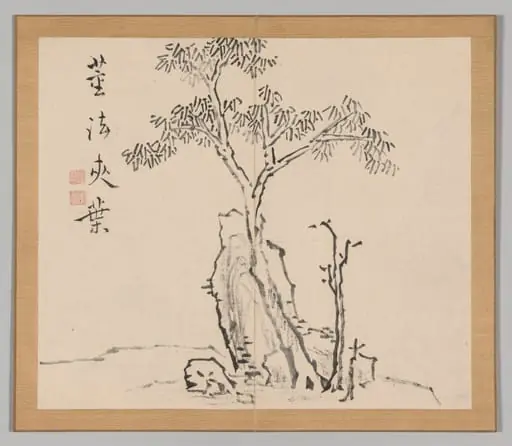 Reverberations of Taiga, Volume 1 (leaf 4)
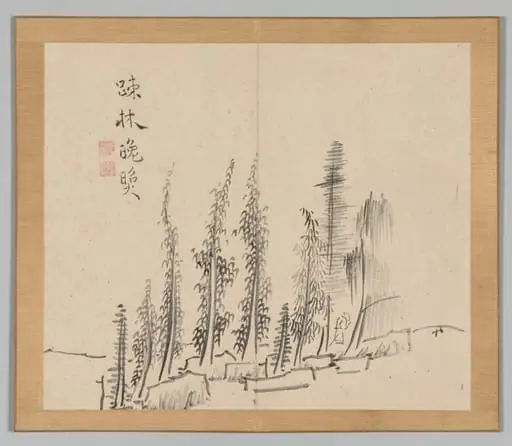 Reverberations of Taiga, Volume 2 (leaf 30)
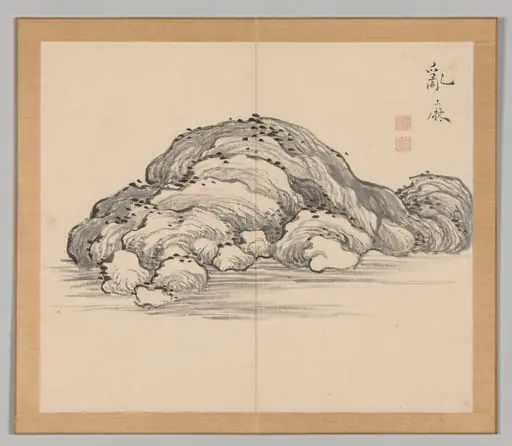 Reverberations of Taiga, Volume 1 (leaf 12)
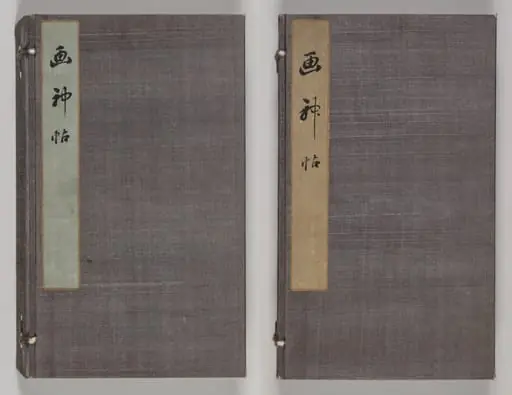 Reverberations of Taiga
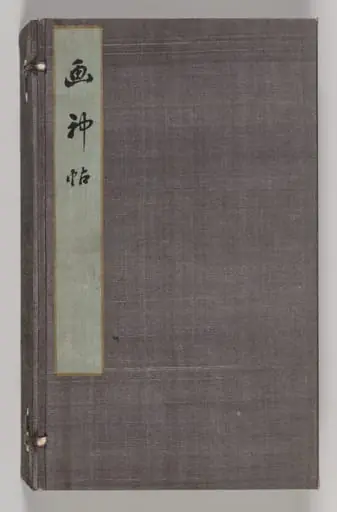 Reverberations of Taiga (Volume 1)
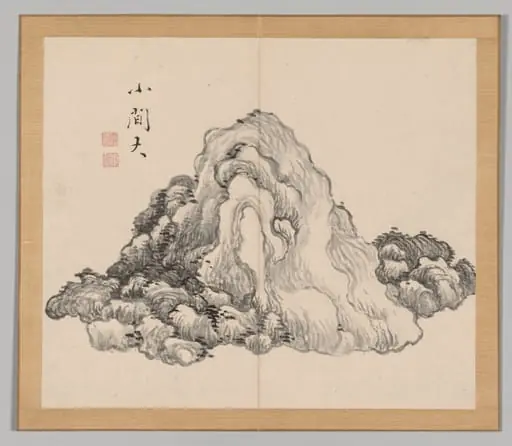 Reverberations of Taiga, Volume 1 (leaf 7)
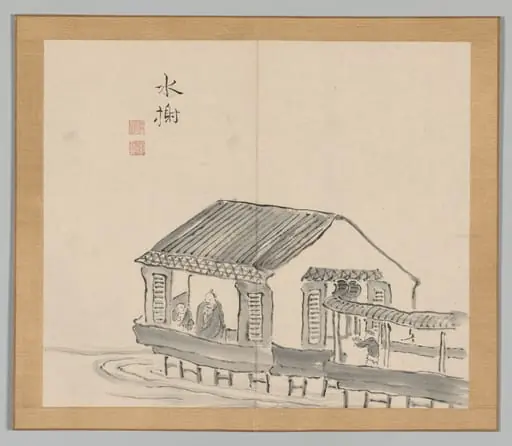 Reverberations of Taiga, Volume 2 (leaf 29)
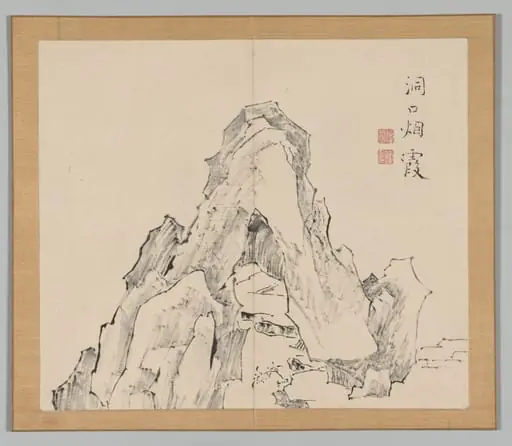 Reverberations of Taiga, Volume 2 (leaf 20)
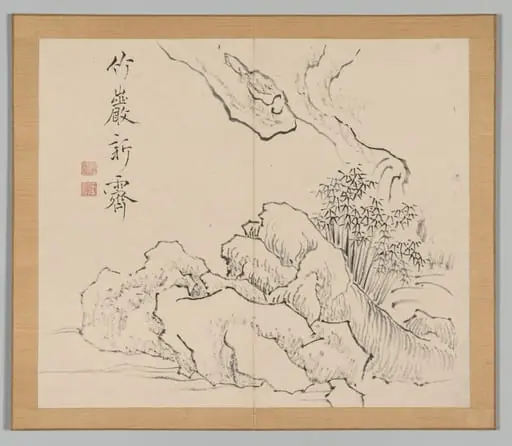 Reverberations of Taiga, Volume 2 (leaf 19)
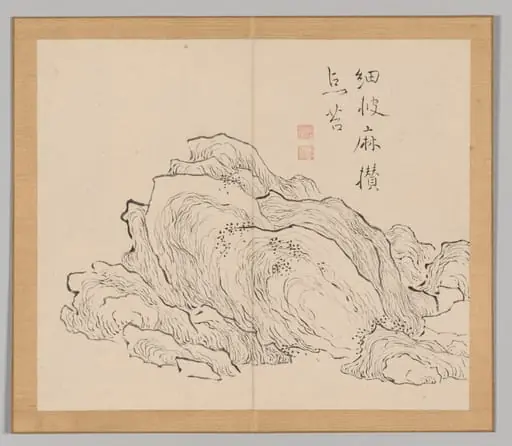 Reverberations of Taiga, Volume 1 (leaf 13)
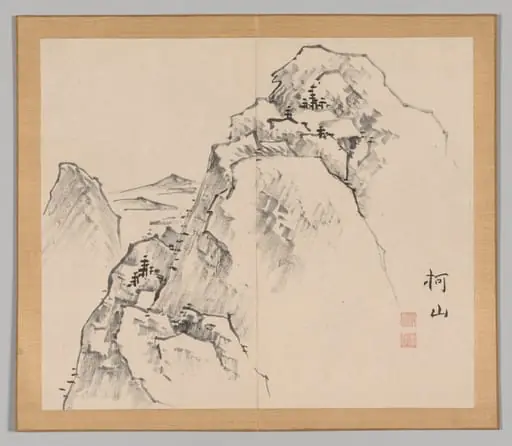 Reverberations of Taiga, Volume 1 (leaf 27)
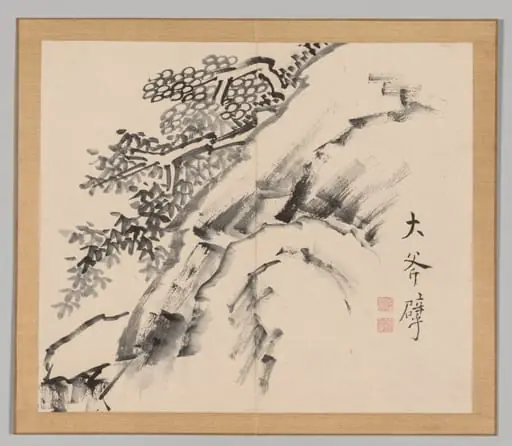 Reverberations of Taiga, Volume 1 (leaf 9)
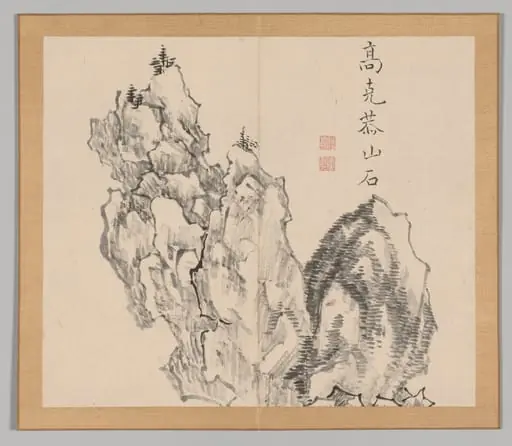 Reverberations of Taiga, Volume 1 (leaf 22)
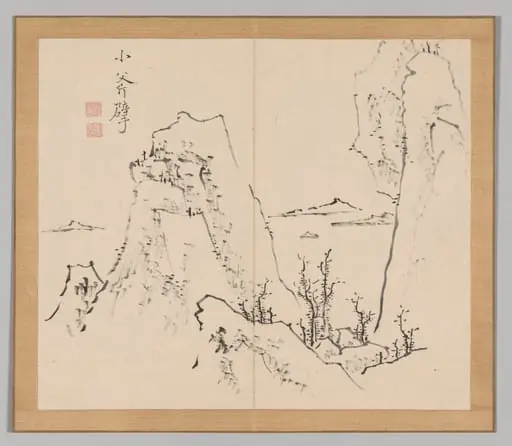 Reverberations of Taiga, Volume 1 (leaf 8)
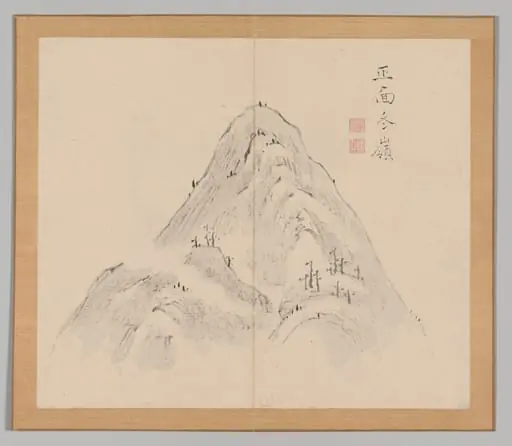 Reverberations of Taiga, Volume 1 (leaf 24)
 Reverberations of Taiga, Volume 1 (leaf 31)