Artwork
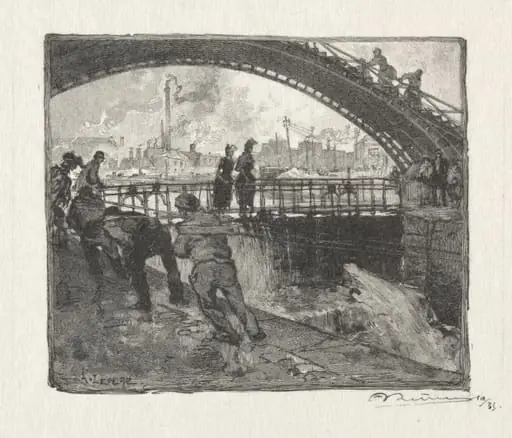
L'Ecluse de la Monnaie
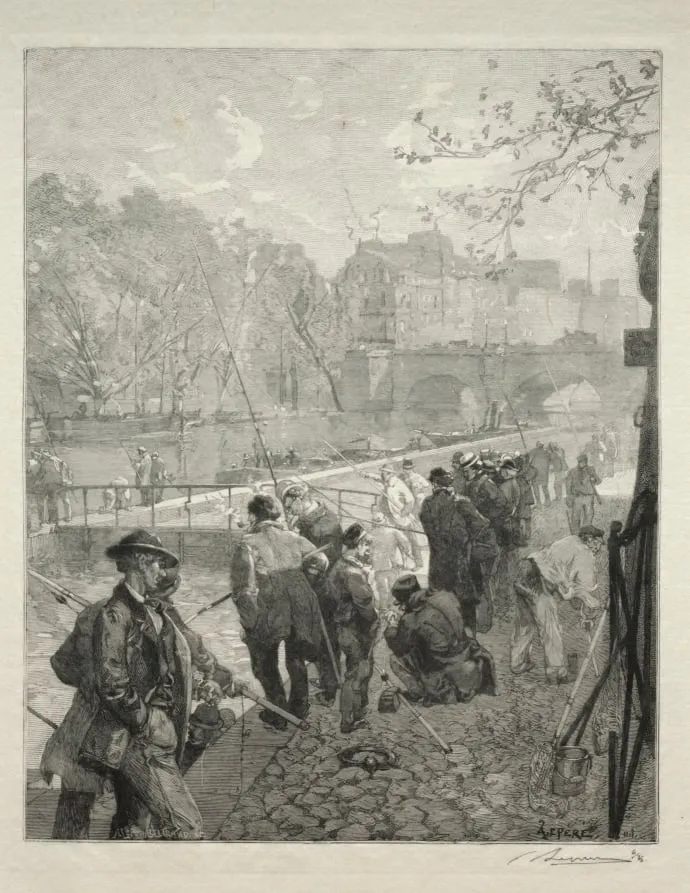
L'Ecluse de la Monnaie is a print by the Impressionist artist Auguste Lepère. It dates from 1894 and is held in the collection of the Cleveland Museum of Art.
About this work
Overview
Its subdued tonality and spontaneous linework reflect Lepère’s interest in capturing transient, unposed scenes with technical precision and emotional restraint.
Created in 1894, *L'Ecluse de la Monnaie* is an etching by French artist Auguste Louis Lepère, who played a key role in revitalizing wood engraving as a fine art medium in late 19th-century Europe. The print captures a quiet moment at a river lock, emphasizing ordinary life rather than theatrical spectacle. Its subdued tonality and spontaneous linework reflect Lepère’s interest in capturing transient, unposed scenes with technical precision and emotional restraint.
Subject & Meaning
The scene centers on a lock structure along a French waterway, surrounded by civilians engaged in daily routines: fishing, walking, resting. No figures are idealized or posed for effect; their actions are mundane, grounded. The absence of narrative drama or symbolic flourish shifts focus to the rhythm of ordinary existence. This quiet realism suggests an appreciation for the dignity of routine labor and leisure, aligning with broader 19th-century artistic interests in the everyday.
Technique & Style
Lepère employed fine, fluid etching lines to suggest atmosphere and movement, avoiding heavy shading in favor of delicate hatching and open spaces. The misty, overcast mood is conveyed through soft contrasts and uneven ink distribution, lending the image a sense of damp air and diffuse light. The sketch-like quality—loose, unpolished, immediate—mirrors the spontaneity of a drawn observation, reinforcing the work’s documentary character without sacrificing compositional balance.
History & Provenance
The print emerged during a period of renewed interest in original printmaking among French artists, distinct from mass-produced illustrations. Lepère, active in both painting and print, was part of a circle that elevated etching and wood engraving to gallery-worthy status. While specific early ownership records are sparse, the work aligns with the broader French print revival of the 1880s–1890s, supported by collectors and print societies seeking authentic, handcrafted imagery.
Context
In the late 1800s, European artists increasingly turned from historical or romantic subjects to scenes of contemporary life, influenced by Realism and early Impressionism. Lepère’s focus on a working river lock reflects this shift, echoing the interests of contemporaries like Daubigny or Degas. The absence of industrial grandeur or political commentary underscores a quiet, observational approach—valuing presence over proclamation, detail over drama.
Legacy
Lepère’s work helped legitimize wood engraving and etching as vehicles for artistic expression beyond reproduction. *L'Ecluse de la Monnaie* exemplifies his contribution to a generation that treated printmaking as a medium for personal vision, not merely technical replication. His emphasis on everyday subjects and tactile line work influenced later printmakers seeking authenticity and emotional resonance in a rapidly industrializing world.
Artist & collection
Artist
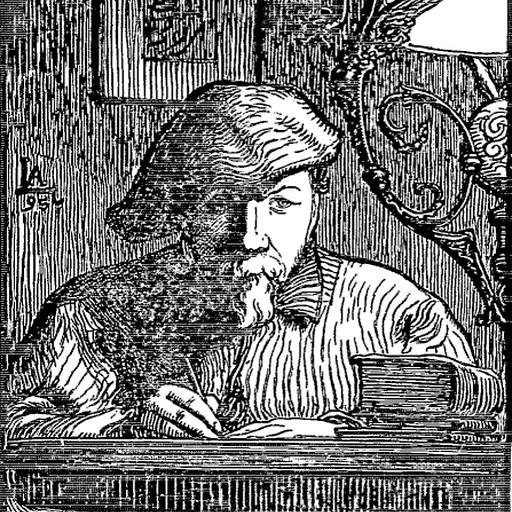
Louis-Auguste Lepère (30 November 1849 – 20 November 1918) was a French painter and etcher. Lepère is also considered a leader in the creative revival of wood engraving in Europe.

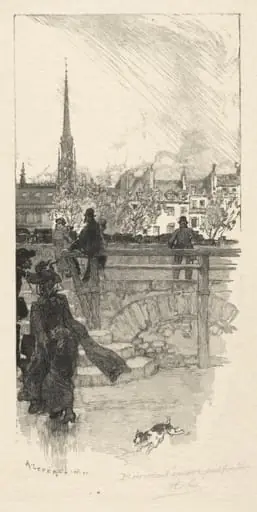 Quai des Grands Augustins, Paris
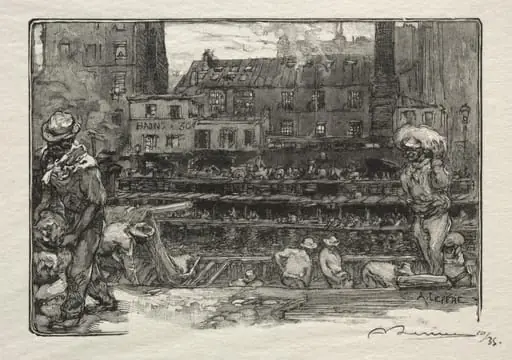 Les Déchargeurs de Plâtre
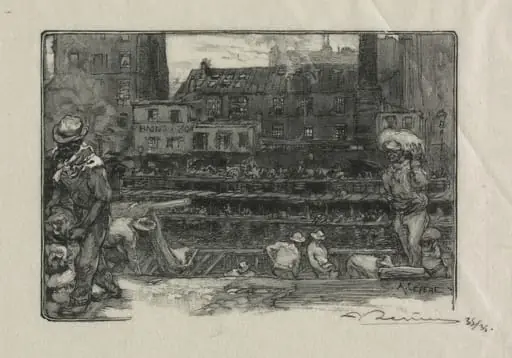 Unloaders of Plaster (Canal St. Martin)
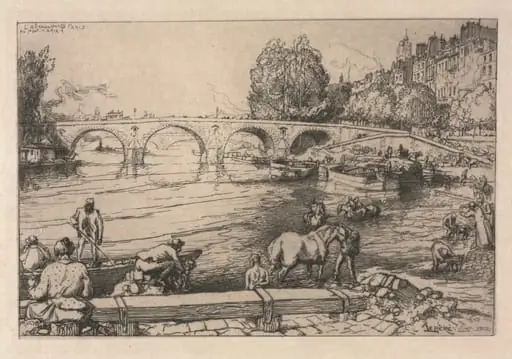 The Watering Place at Marie Bridge
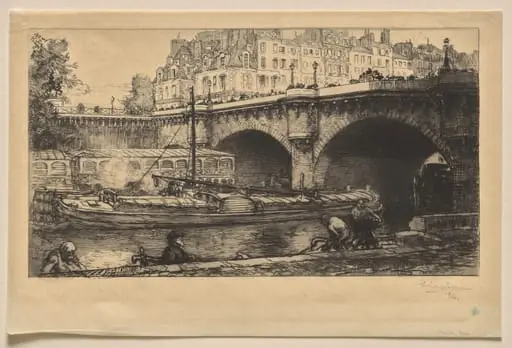 Le Pont Neuf
![[Large Steamer Ship at Dock, Paris], by Auguste Lepère](https://artifactworldgallery.com/img/auguste-lepere--large-steamer-ship-at-dock-paris--ed31099e42153820-w320.webp) [Large Steamer Ship at Dock, Paris]
[Large Steamer Ship at Dock, Paris]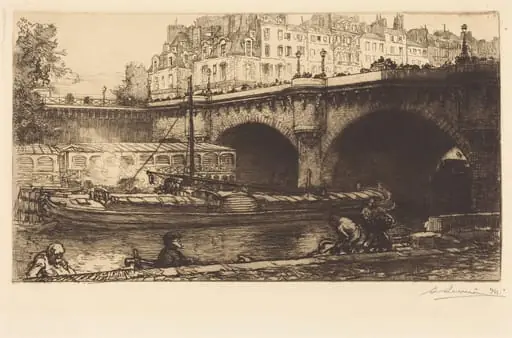 Pont Neuf
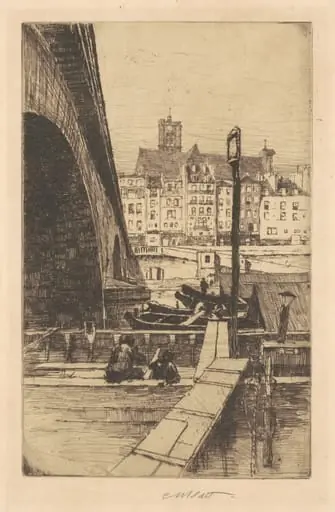 St. Gervais, Paris
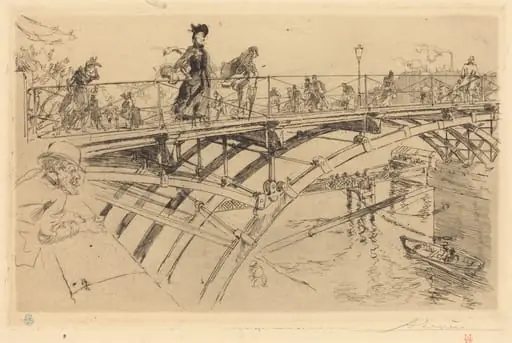 Bridge of Arts (Le pont des Arts)
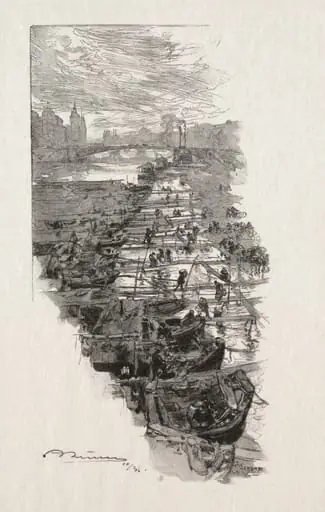 Le Marché aux Pommes
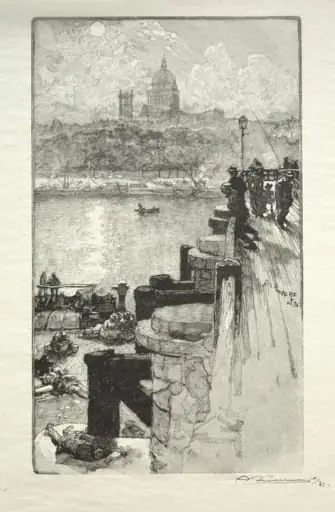 Montagne Ste. Genevieve
 L'Ecluse du Canal St. Martin