Artwork
La Rue des Cordiers
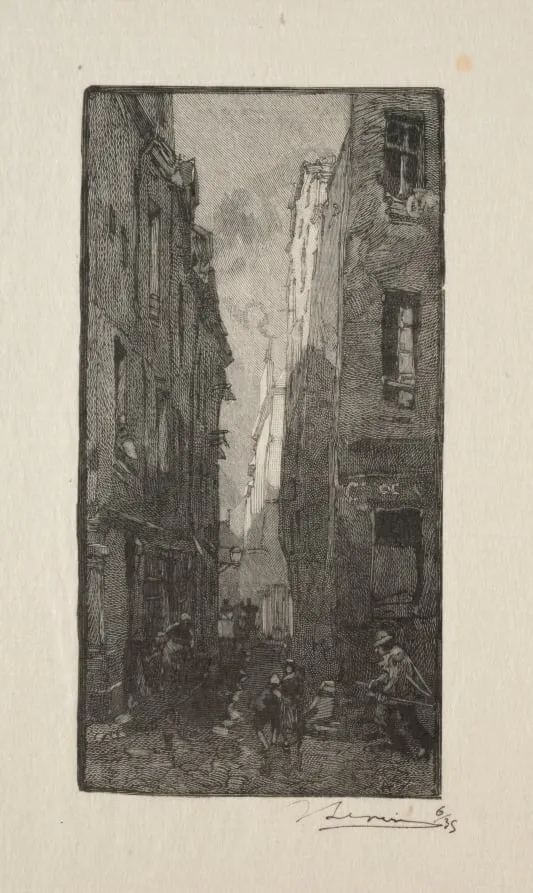
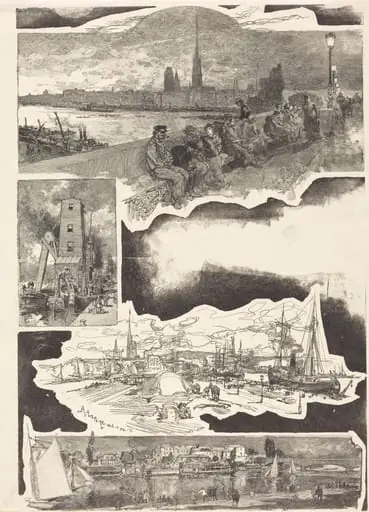
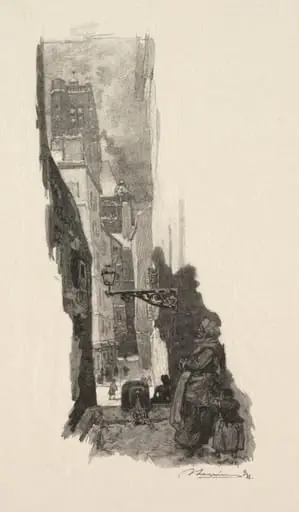
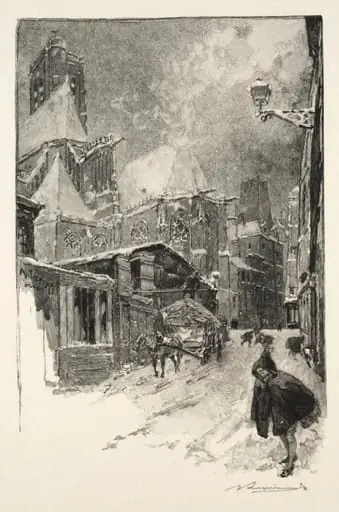
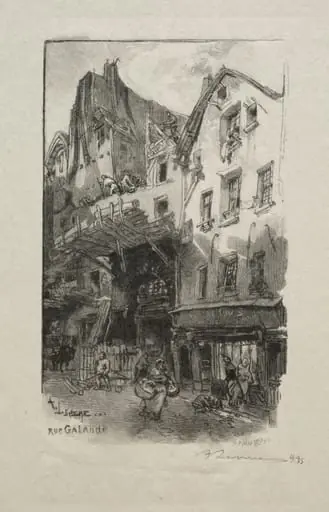
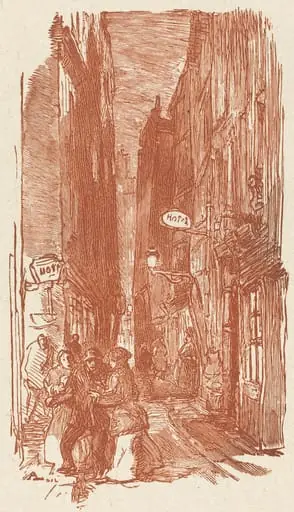
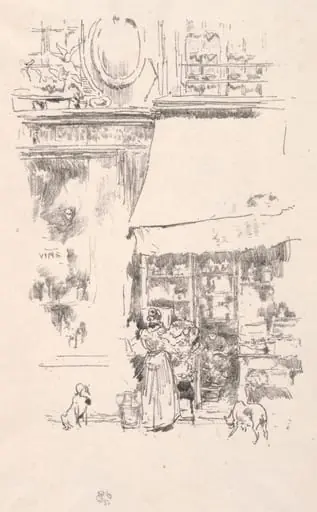
La Rue des Cordiers is a print by the Impressionist artist Auguste Lepère. It dates from 1885 and is held in the collection of the Cleveland Museum of Art.
About this work
Overview
Lepère, instrumental in the 19th-century revival of wood engraving as a fine art medium, used this technique to achieve fine detail and strong tonal contrasts.
Created in 1885 by French artist Auguste Louis Lepère, *La Rue des Cordiers* is a wood engraving that captures a cramped urban alley in Paris. Lepère, instrumental in the 19th-century revival of wood engraving as a fine art medium, used this technique to achieve fine detail and strong tonal contrasts. The work is part of the Cleveland Museum of Art’s collection and exemplifies his commitment to depicting everyday urban life with precision and emotional weight.
Subject & Meaning
The scene portrays a narrow, densely packed street lined with leaning buildings and tangled clotheslines, inhabited by figures going about their routines. The composition emphasizes confinement and quiet endurance, with seated individuals and passing pedestrians suggesting the rhythm of daily survival. No grand narrative is present—instead, the work honors the unremarkable moments of working-class life, rendered without sentimentality or idealization.
Technique & Style
Lepère employed wood engraving to produce sharp, incised lines and dramatic chiaroscuro. The deep blacks and stark whites heighten the sense of depth and texture, with shadows pooling in corners and light glancing off narrow windows. The meticulous carving captures the roughness of stone walls, frayed fabrics, and uneven ground, translating the physical grit of the alley into a tactile visual language rooted in realism.
History & Provenance
The print was made during a period when Lepère was actively promoting wood engraving as a legitimate artistic medium in Europe, moving it beyond commercial reproduction. It entered the Cleveland Museum of Art’s collection through documented acquisition, likely in the early 20th century, as part of broader interest in French graphic arts. Its preservation reflects its significance in the history of printmaking revival.
Context
In late 19th-century Paris, urban transformation under Haussmann displaced many working-class communities, yet artists like Lepère turned attention to the remaining neighborhoods. *La Rue des Cordiers* aligns with Realist traditions, echoing the unvarnished observations of Daumier or Courbet. It stands as a quiet counterpoint to the era’s academic and impressionist trends, valuing authenticity over spectacle.
Legacy
Lepère’s work helped reestablish wood engraving as a vehicle for artistic expression, influencing later printmakers in Europe and beyond. *La Rue des Cordiers* remains a reference point for its technical discipline and empathetic portrayal of marginalized urban spaces. It continues to be studied for its fusion of craftsmanship and social observation, without overt political messaging.
Artist & collection
Artist
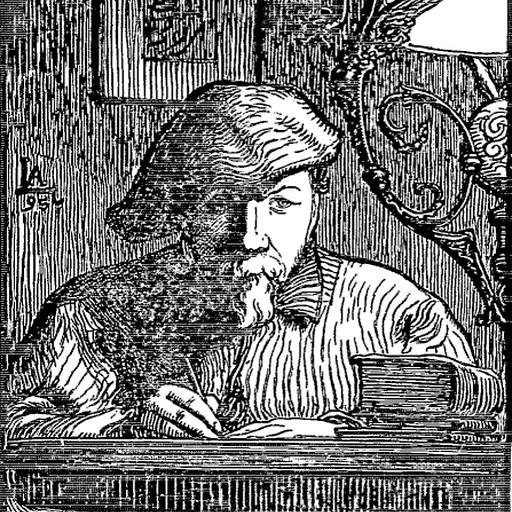
Louis-Auguste Lepère (30 November 1849 – 20 November 1918) was a French painter and etcher. Lepère is also considered a leader in the creative revival of wood engraving in Europe.