Artwork
Lotz
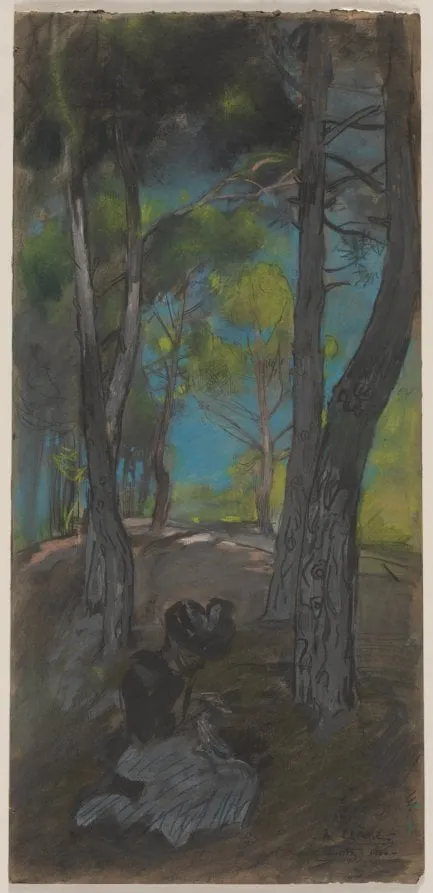
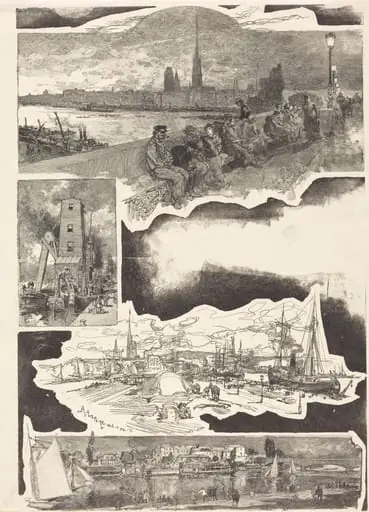
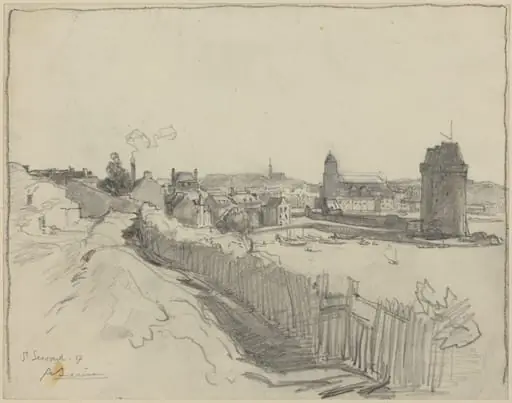
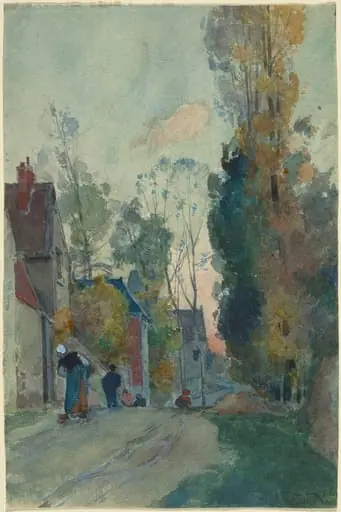
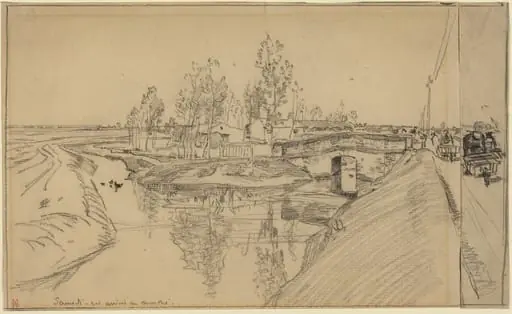
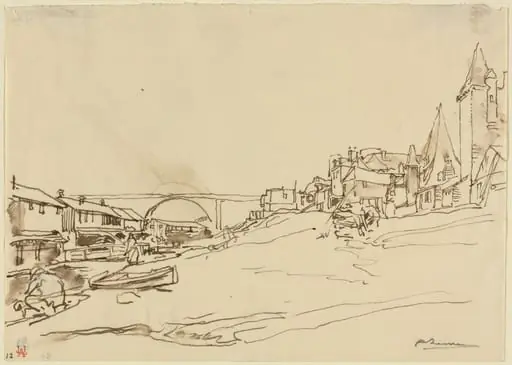
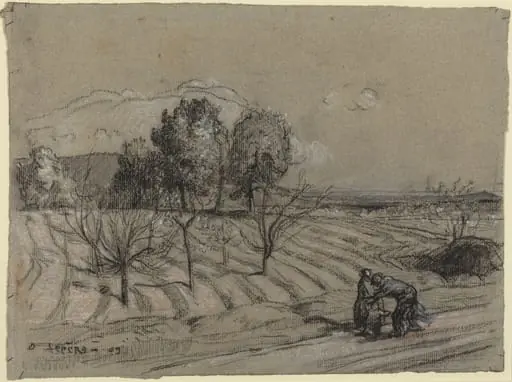
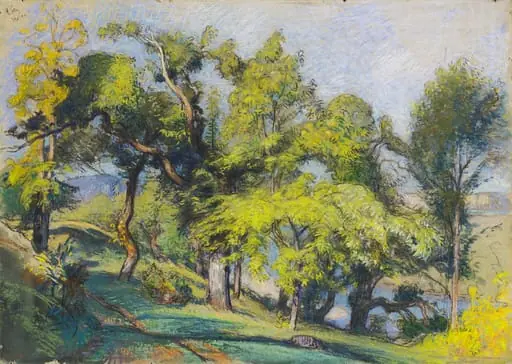
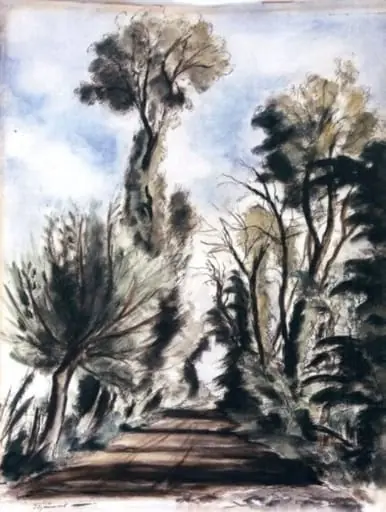
Lotz is a drawing by Auguste Lepère. It dates from 1900 and is held in the collection of the Cleveland Museum of Art.
About this work
Overview
Auguste Louis Lepère, renowned for revitalising wood engraving in late‑19th‑century France, also produced pastel drawings as direct observations of everyday life. This work captures a solitary woman engaged in sewing, rendered in a quiet, intimate manner that reflects Lepère’s practice of studying subjects in situ.
Subject & Meaning
The composition focuses on a single figure absorbed in the act of stitching, emphasizing concentration and domestic routine. By isolating the moment, Lepère highlights the dignity of ordinary labor, inviting viewers to contemplate the personal space and quiet determination of the sitter.
Technique & Style
Executed in pastel, the drawing showcases Lepère’s swift, gestural handling of the medium, allowing for subtle tonal variations and a sense of immediacy. The loose yet controlled strokes convey texture of fabric and flesh, while the limited palette reinforces the subdued atmosphere of a private, work‑filled pause.
History & Provenance
The piece bears an inscription to Lepère’s friend, the art historian Lotz‑Brissonneau, who later compiled the 1905 catalogue raisonné of Lepère’s graphic oeuvre. This personal dedication links the work to the scholarly network surrounding Lepère and underscores its role as a study rather than a finished illustration.
Context
Created during a period when Lepère was expanding beyond printmaking, the drawing reflects the broader 19th‑century interest in capturing modern life through direct observation. Pastel studies like this served both as preparatory sketches for larger works and as independent records of contemporary domestic scenes.
Artist & collection
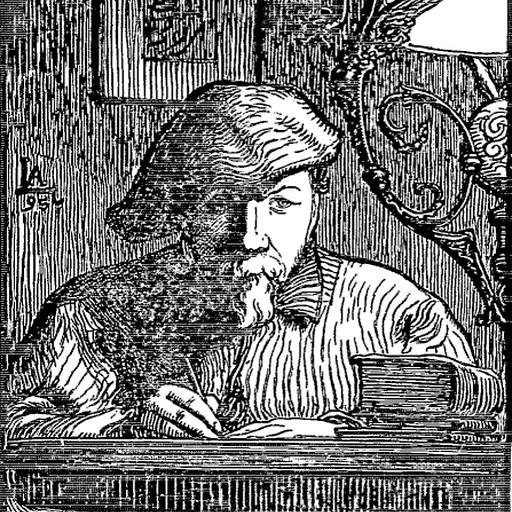
Artist
Louis-Auguste Lepère (30 November 1849 – 20 November 1918) was a French painter and etcher. Lepère is also considered a leader in the creative revival of wood engraving in Europe.