Artwork
The Festival for the victims of duty
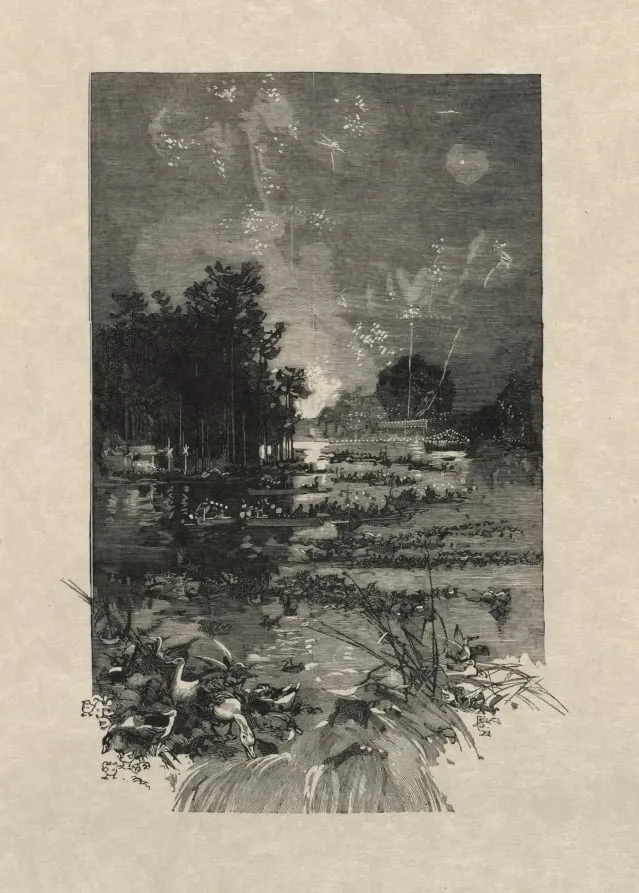
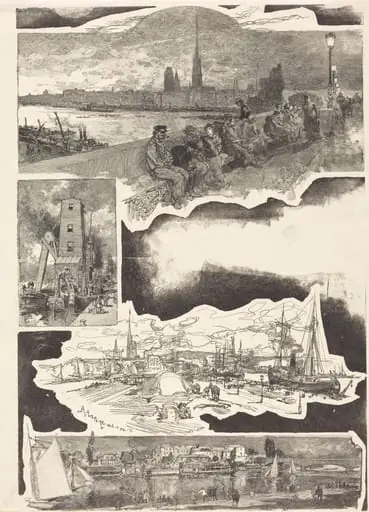
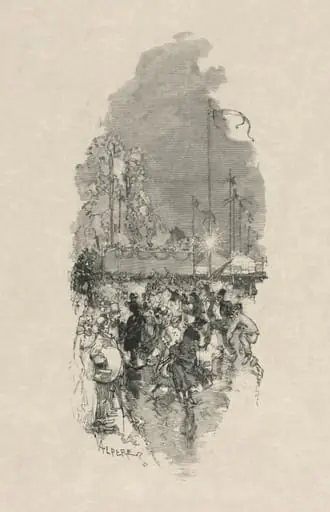
The Festival for the victims of duty is a print by the Impressionist artist Auguste Lepère. It dates from 1884 and is held in the collection of the Cleveland Museum of Art.
About this work
Overview
Created in 1884 by French artist Auguste Louis Lepère, this print is part of a late 19th-century revival of wood engraving as a fine art medium.
Created in 1884 by French artist Auguste Louis Lepère, this print is part of a late 19th-century revival of wood engraving as a fine art medium. Though titled *The Festival for the Victims of Duty*, the work avoids literal narrative, instead evoking a communal night scene along a river. Its atmospheric quality and focus on ordinary people reflect Lepère’s interest in capturing quiet, lived moments through printmaking.
Subject & Meaning
The scene depicts a gathering of figures on a riverbank and in boats, illuminated by a central bonfire under a starlit sky. The title suggests a commemorative occasion, possibly honoring those who died in service, yet no specific event or figures are identified. The ambiguity invites contemplation rather than declaration, aligning with a broader trend of emotional resonance over explicit storytelling in post-Realist art.
Technique & Style
Lepère employed wood engraving with loose, expressive lines to suggest movement and light rather than define form precisely. The haze around the fire, the blurred edges of trees, and the soft gradations of ink create a dreamlike mood. His technique prioritizes atmosphere over detail, using the grain and texture of the woodblock to enhance the sense of night and quiet celebration.
History & Provenance
The print entered the collection of The Cleveland Museum of Art in the 20th century, where it remains today. Lepère’s work gained recognition in Europe for revitalizing wood engraving as a medium for artistic expression, distinct from commercial reproduction. This piece reflects his broader efforts to elevate printmaking through personal, evocative imagery rather than illustrative precision.
Context
Emerging in the wake of Realism, Lepère’s work shares an interest in everyday life but moves toward mood and suggestion rather than social documentation. The late 1880s saw artists across Europe turning away from rigid detail toward emotional and atmospheric expression. This print aligns with that shift, using a communal ritual to evoke collective memory without prescribing its meaning.
Legacy
Lepère’s influence endured in the revival of hand-carved wood engraving as an artistic practice, inspiring later printmakers to value expressive line and tonal nuance. *The Festival for the Victims of Duty* exemplifies his contribution: a quiet, poetic image that resists narrative certainty, instead offering a space for reflection on loss, memory, and shared human experience.
Artist & collection
Artist
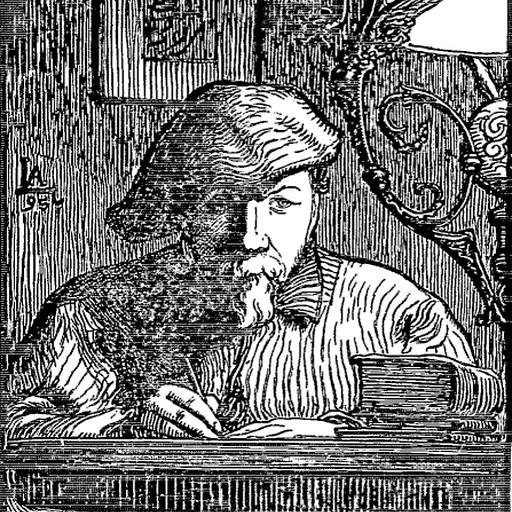
Louis-Auguste Lepère (30 November 1849 – 20 November 1918) was a French painter and etcher. Lepère is also considered a leader in the creative revival of wood engraving in Europe.