Artwork
Building of the Ark of Noah
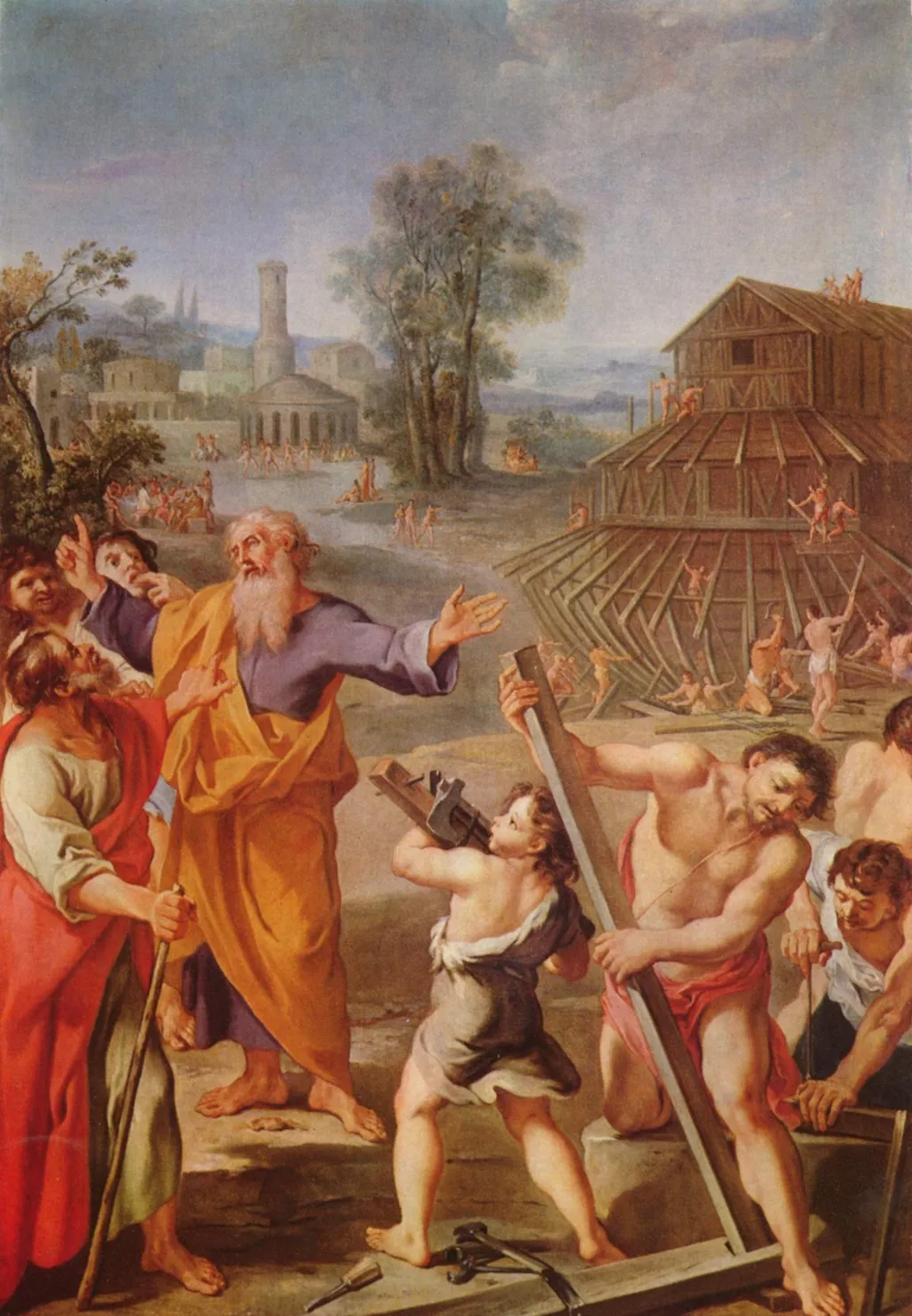
Building of the Ark of Noah is an unspecified painting by the Early Baroque Italian artist Aureliano Milani. It dates from 1675 and is held in the collection of the Museum of Fine Arts, Budapest.
About this work
Overview
Building of the Ark of Noah is a 1675 painting by Aureliano Milani, an Italian late-Baroque artist. It depicts a scene from the biblical account of Noah's Ark construction.
Subject & Meaning
The painting illustrates a bustling construction site where numerous workers, some shirtless, labor to build the ark. The scene conveys collective effort and industry, set against a backdrop of water and trees, symbolizing the ark's purpose.
Technique & Style
Milani's style, influenced by his training under Cesare Gennari, Lorenzo Pasinelli, and the broader Carracci tradition, is evident in the detailed rendering of activities and figures. The palette is predominantly muted, with browns and grays dominating the composition.
History & Provenance
Created in 1675, the painting is part of the Museum of Fine Arts, Budapest's collection. Milani, active in Bologna and Rome, reflects the artistic currents of the late-Baroque period in the Papal States.
Context
As a religious work within the early Baroque Italian movement, it aligns with the period's emphasis on dramatic and detailed religious narratives, though its muted tones suggest a more subdued interpretation.
Legacy
While specific impact or widespread recognition of *Building of the Ark of Noah* is not highlighted in available information, it contributes to the broader understanding of late-Baroque Italian art and Milani's contributions to the tradition.
Own this work as a print
Artist & collection
Artist
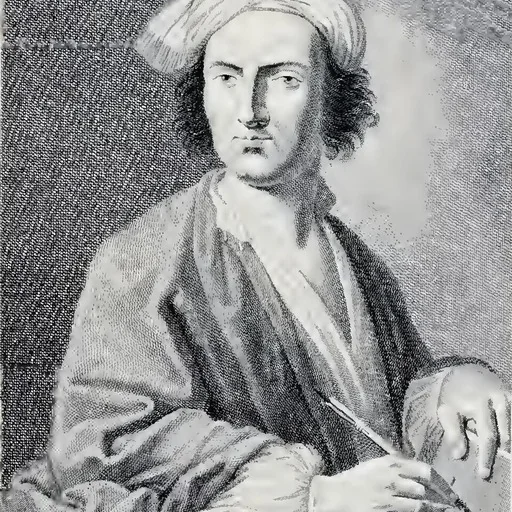
Aureliano Milani (1675 – 1749) was an Italian painter of the late-Baroque period, active in Bologna and Rome both of which were part of the Papal States.

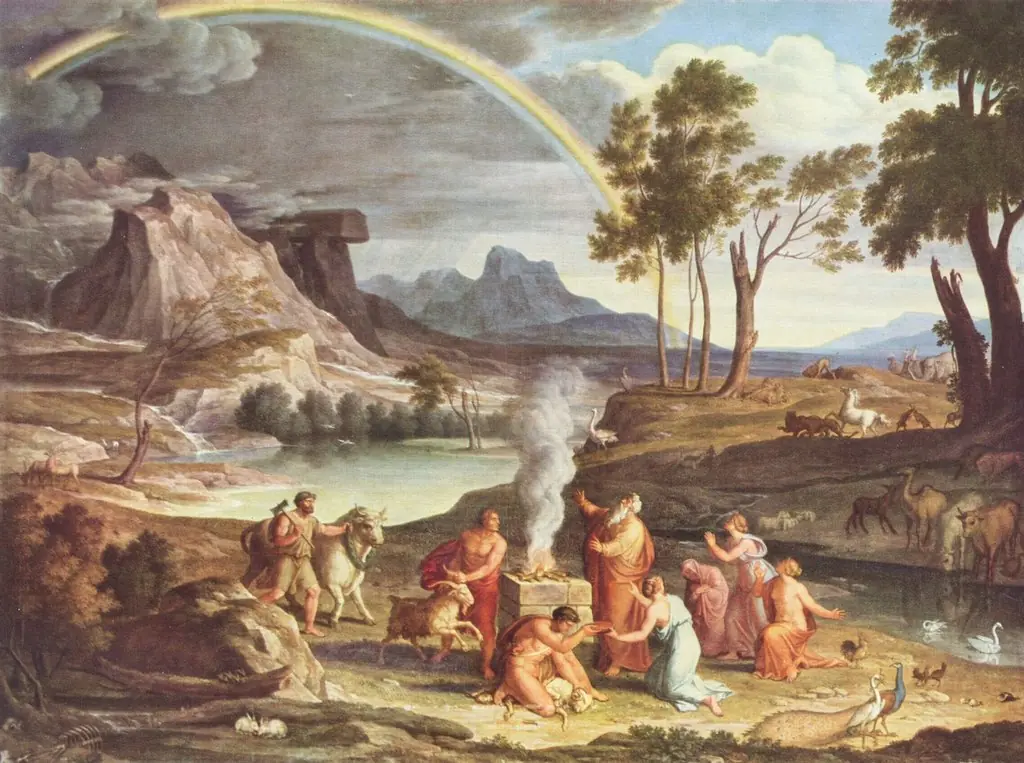 Landscape with Noah, Offering a Sacrifice of Gratitude
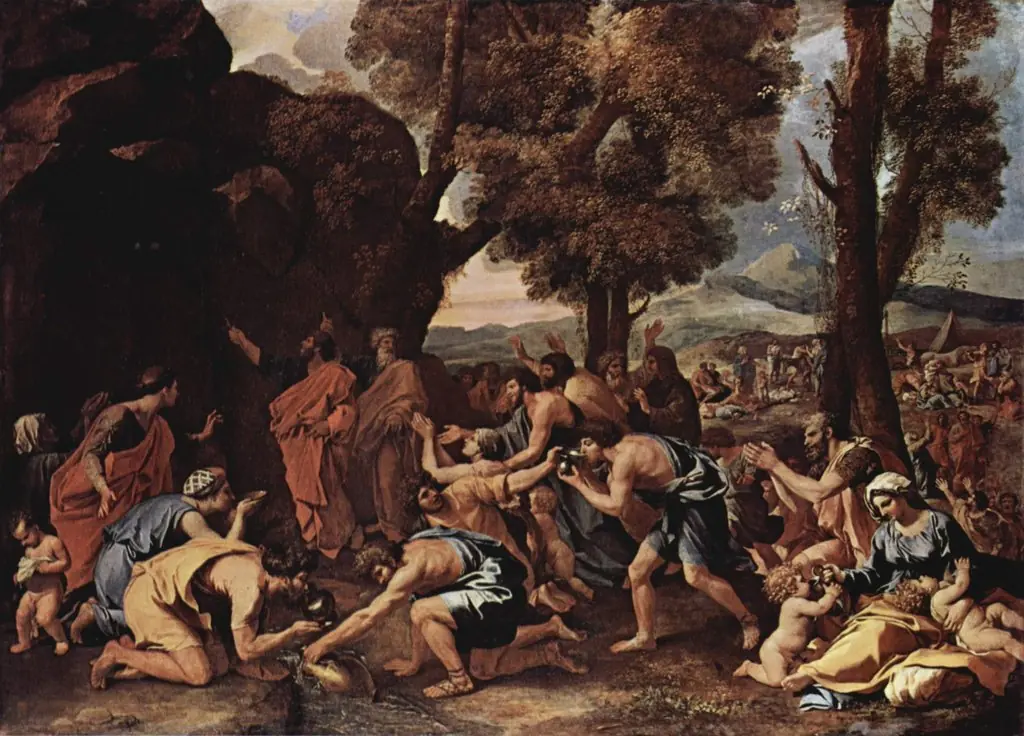 Moses Striking the Rock
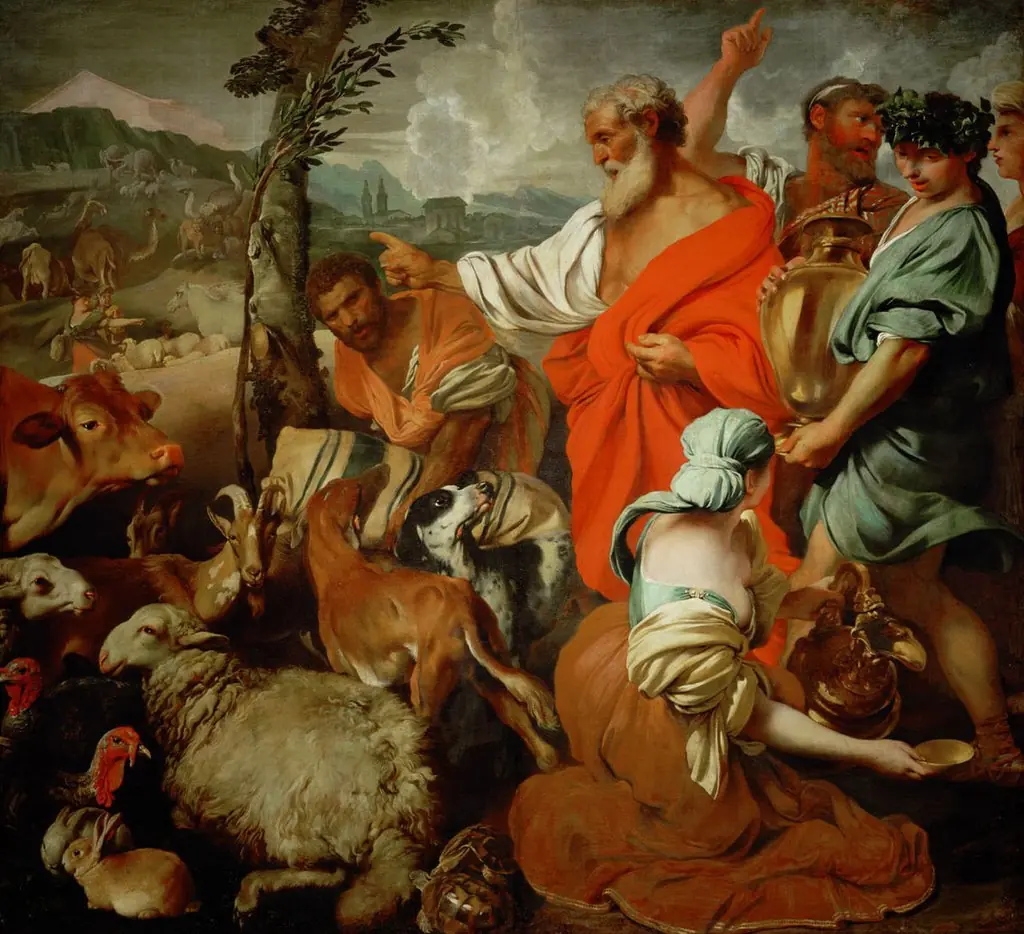 Einzug der Tiere in die Arche Noah
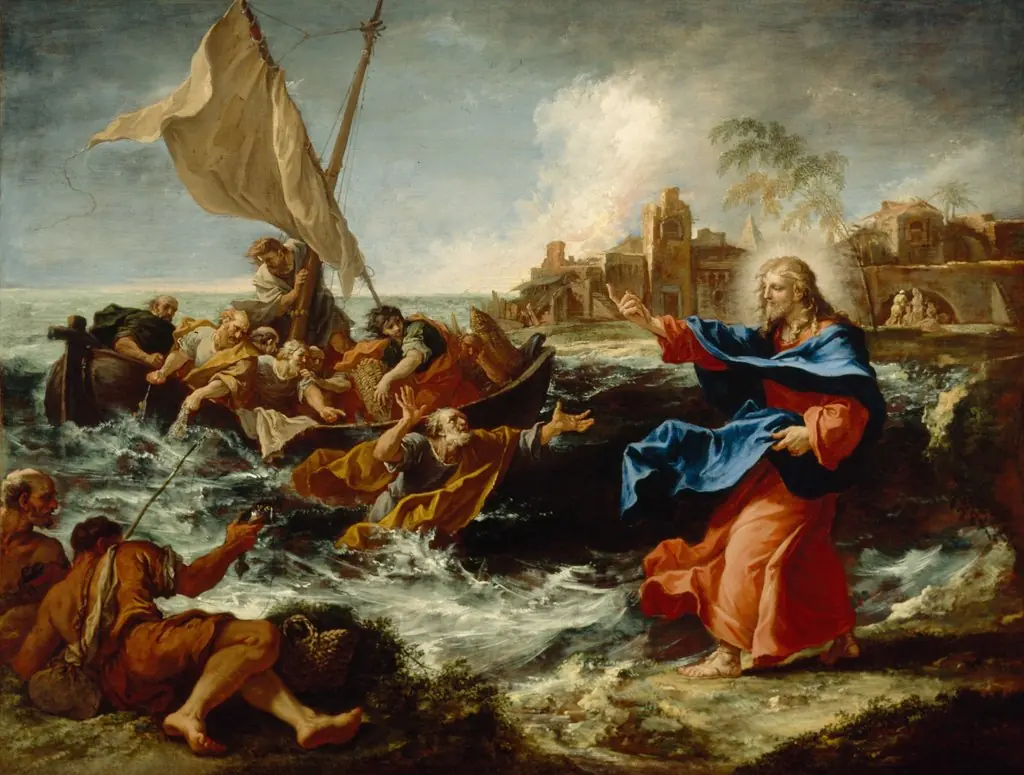 The Miraculous Draught of Fishes
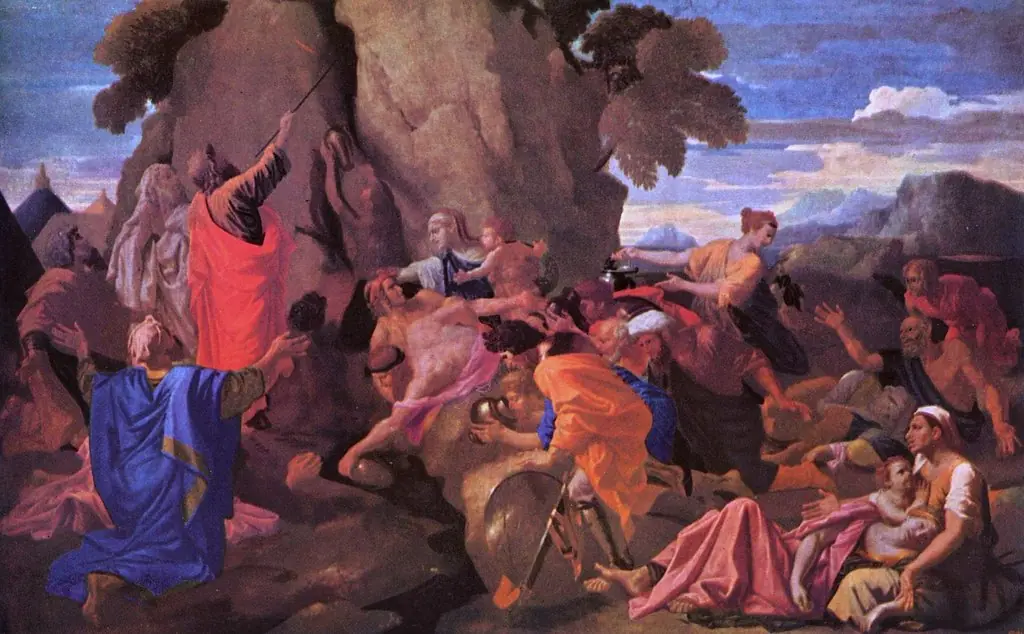 Moses Striking the Rock
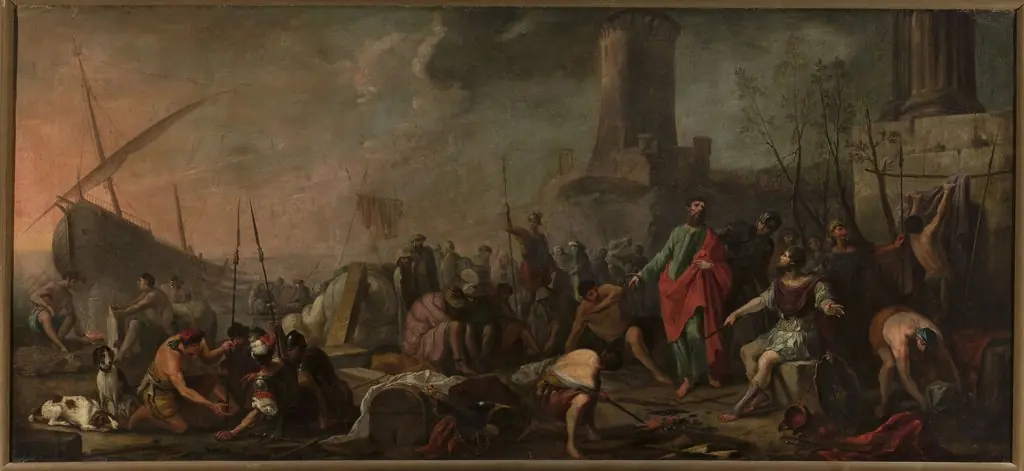 St. Paul on Malta
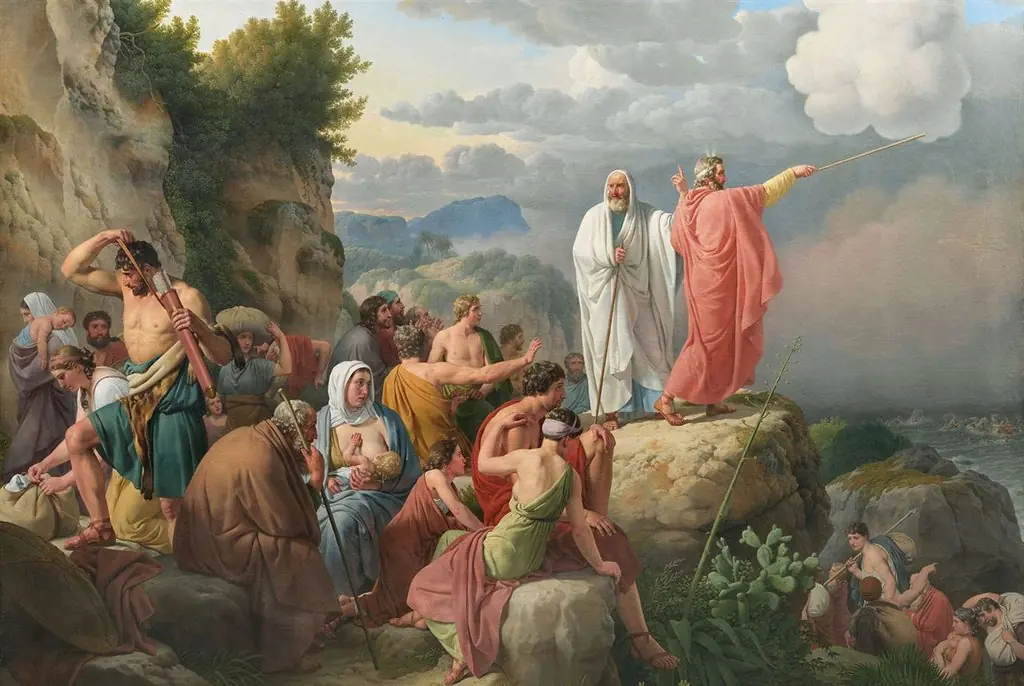 The Israelites Resting after the Crossing of the Red Sea
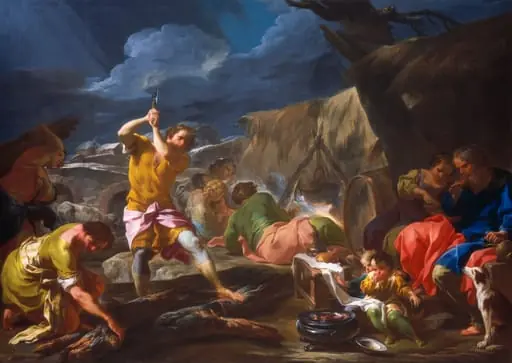 Winter
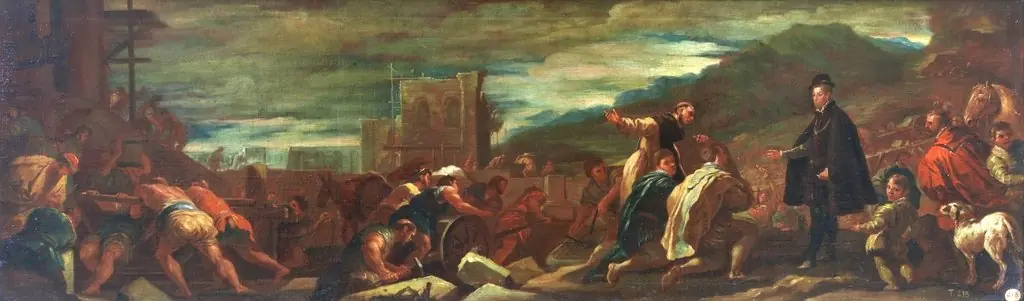 Felipe II, con sus arquitectos, inspecciona las obras de El Escorial
 Sepoltura delle ceneri di Temistocle nella terra attica
 Abraham e Isaac camino del sacrificio
 Ordination