Artwork
Wicker basket with fruit, medlars and shells
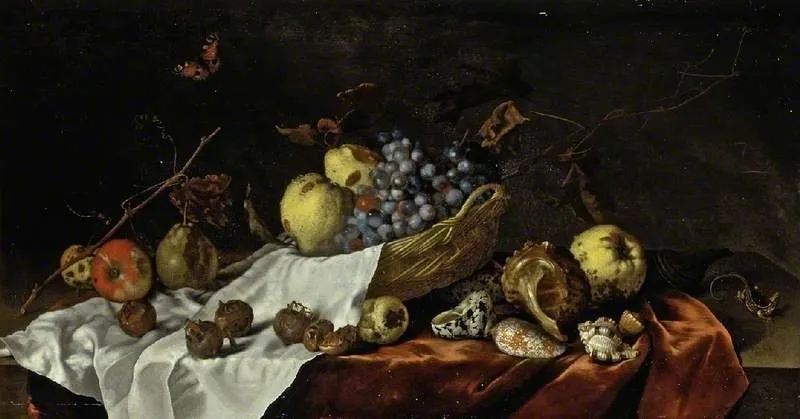
Wicker basket with fruit, medlars and shells is an oil painting by the Dutch Golden Age artist Balthasar van der Ast. It is held in the collection of the Fitzwilliam Museum.
About this work
Overview
Van der Ast, active in the Dutch Golden Age, was known for his meticulous still lifes that blended natural observation with refined composition.
This oil painting by Balthasar van der Ast depicts a wicker basket brimming with fruit, medlars, and seashells, arranged on a table draped with white and red cloth. Set against a dark background, the composition emphasizes the textures and hues of the objects, creating a quiet sense of abundance. Van der Ast, active in the Dutch Golden Age, was known for his meticulous still lifes that blended natural observation with refined composition.
Subject & Meaning
The arrangement includes grapes, apples, pears, medlars, and shells—objects commonly found in Dutch still lifes of the period. These items may suggest themes of transience and earthly abundance, reflecting contemporary moral and philosophical interests. The inclusion of shells, often imported, hints at global trade, while the medlars, a fruit associated with ripening after frost, subtly alludes to the passage of time.
Technique & Style
Van der Ast employed fine brushwork to render the glossy surfaces of fruit, the woven texture of the basket, and the fragile sheen of shells. Warm tones in the produce contrast with the muted grays and browns of the cloth and basket, enhancing depth. The dark background isolates the objects, directing focus to their material qualities and subtle lighting, characteristic of his restrained, observational approach.
History & Provenance
Painted during van der Ast’s mature period in Delft, the work aligns with his established reputation for still lifes featuring natural specimens. It entered the Fitzwilliam Museum’s collection as part of its broader acquisition of Dutch Golden Age paintings, likely through 19th-century donations or purchases. Its preservation reflects its status as a representative example of 17th-century Netherlandish still life tradition.
Context
In early 17th-century Holland, still lifes flourished as expressions of domestic life, scientific curiosity, and economic prosperity. Van der Ast’s inclusion of shells and exotic fruits mirrored the era’s fascination with natural history and global commerce. His works, often devoid of human figures, invited quiet contemplation, distinguishing his style from more theatrical contemporaries.
Legacy
Van der Ast’s precise rendering of organic forms influenced later still life painters in the Netherlands. His integration of shells and insects into fruit compositions became a recognizable motif, contributing to the genre’s evolution. While not widely celebrated in his lifetime beyond regional circles, his works now serve as key references for understanding the aesthetic and cultural values of Dutch still life painting.
Artist & collection

Artist
Balthasar van der Ast (Middelburg, 1593/94 – Delft, 7 March 1657) was a Dutch Golden Age painter who specialized in still lifes of flowers and fruit, as well as painting a number of remarkable shell still lifes; he is…

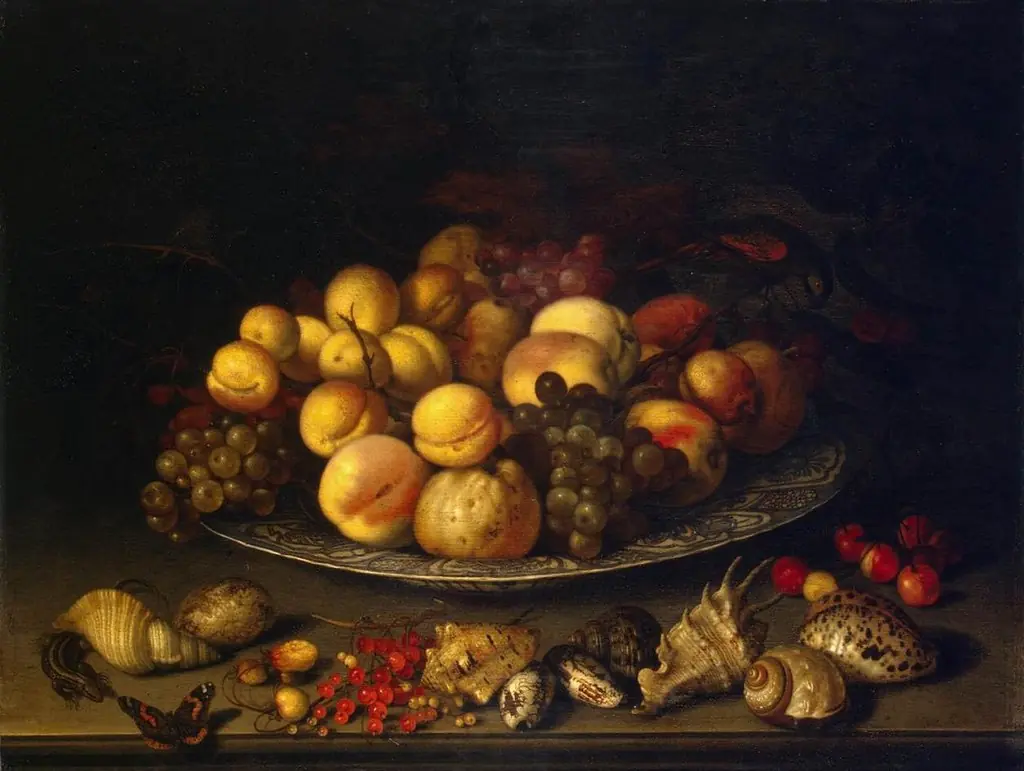
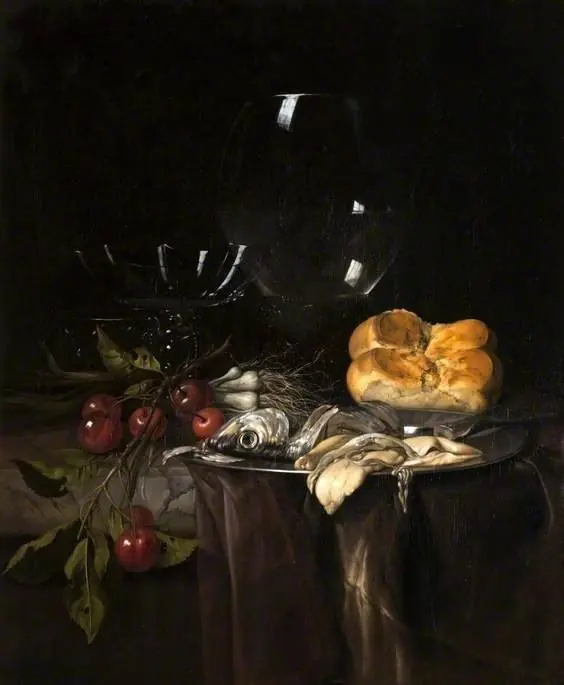 Still Life: Herring, Cherries and Glassware
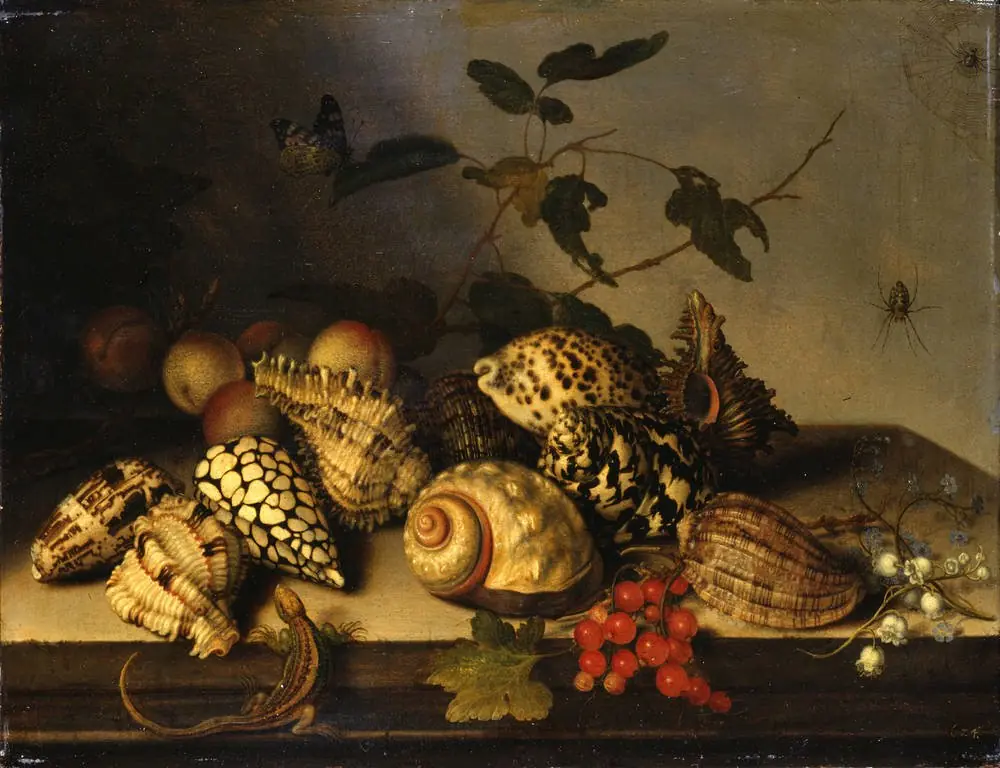 Fruit and Shells
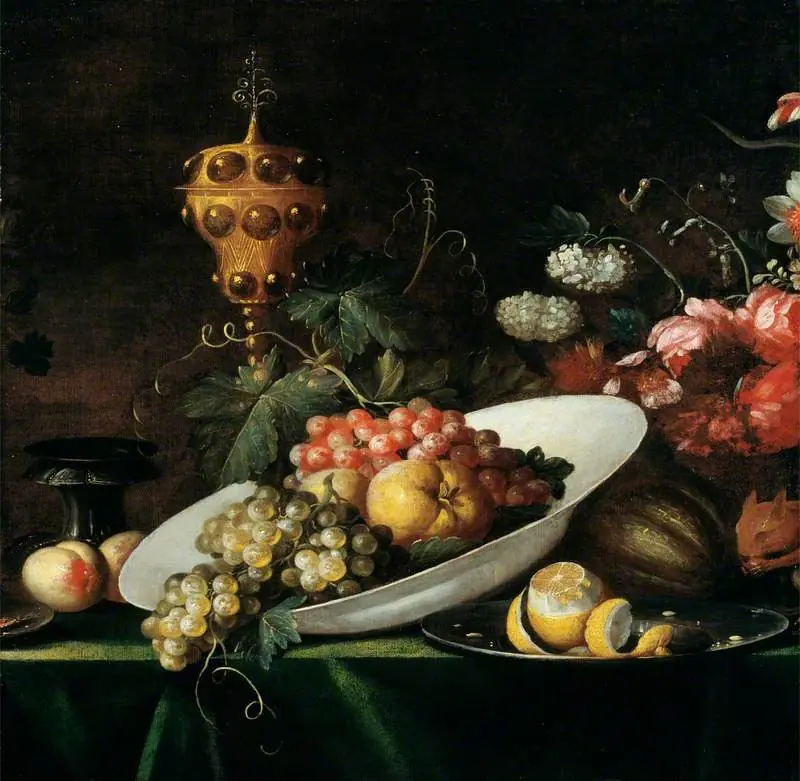 Fruit Piece with Covered Gilt Goblet
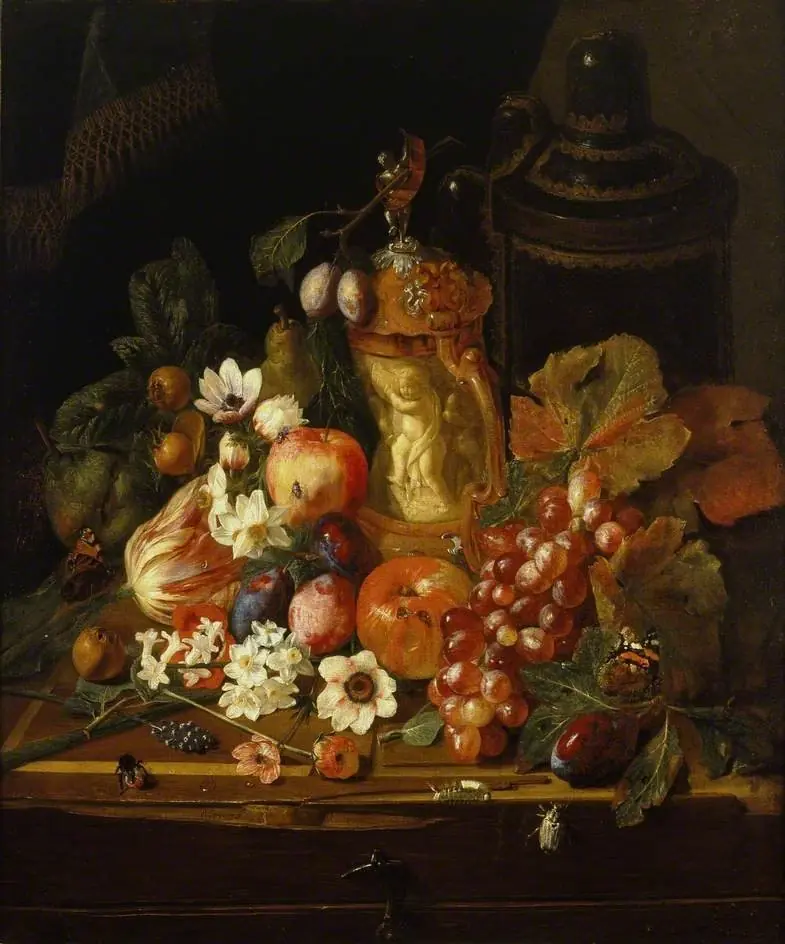 Still Life with Fruit and Flowers
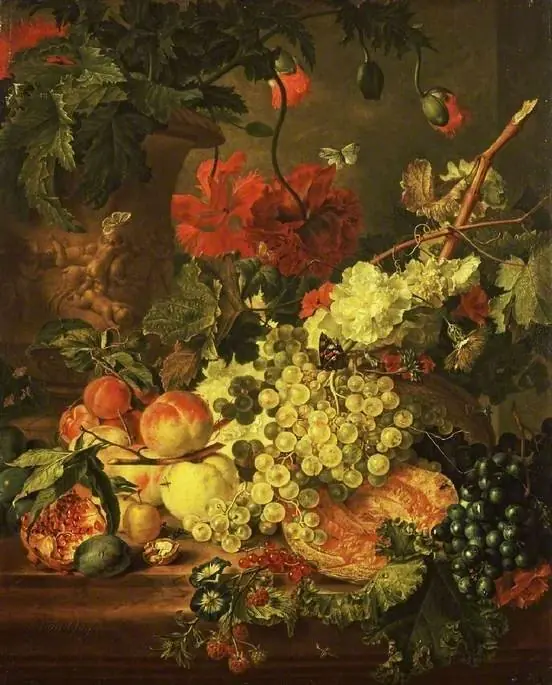 Fruit and flowers
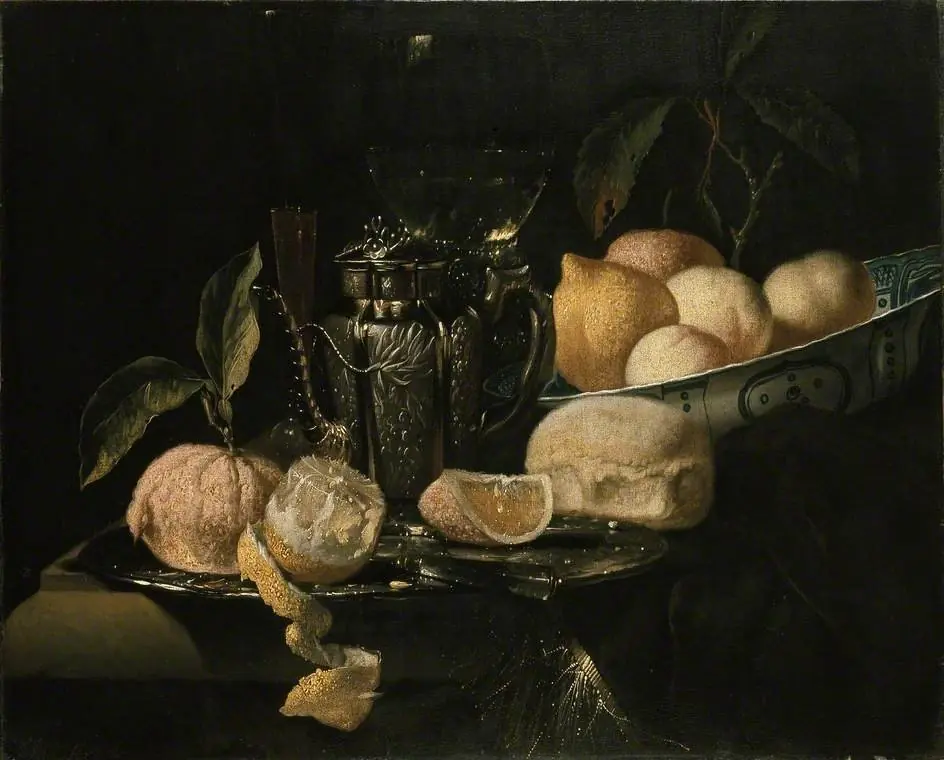 Still Life with Fruit
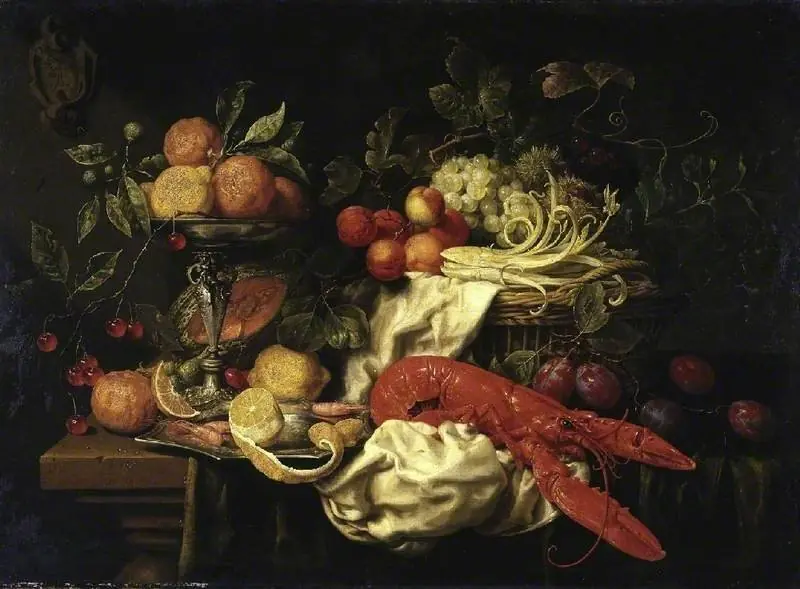 Still-life with a lobster
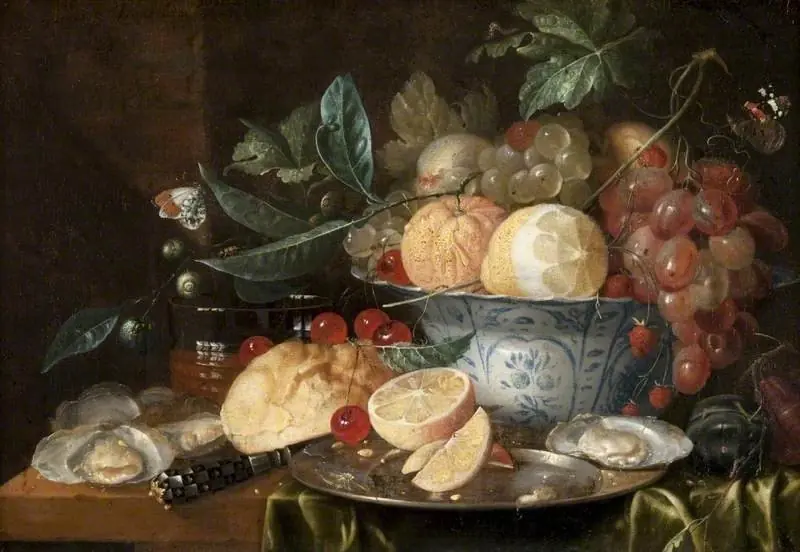 Still Life with Fruit and Oysters
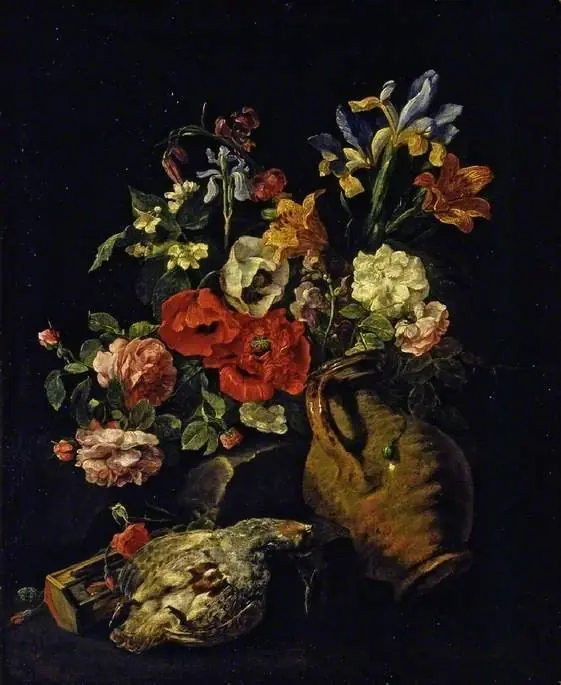 Flowers and Game
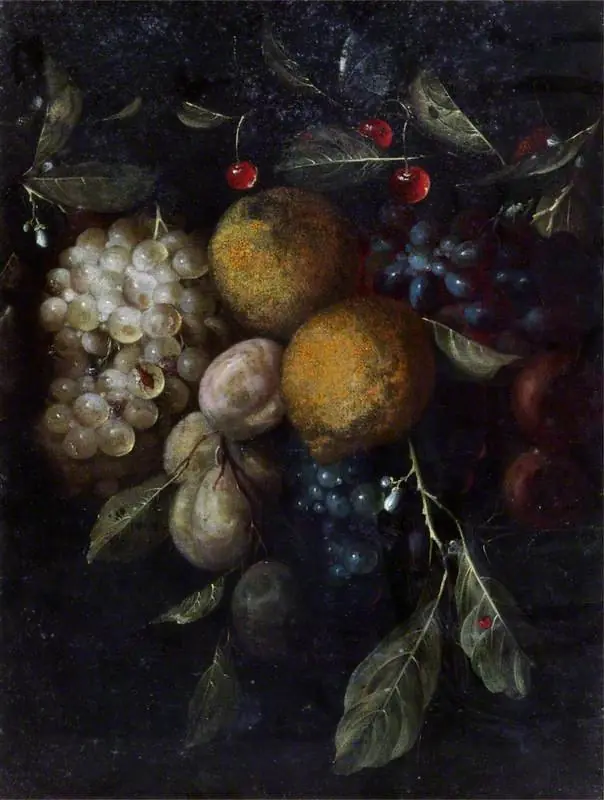 Fruit Piece with Lemons, Grapes, Plums and Cherries
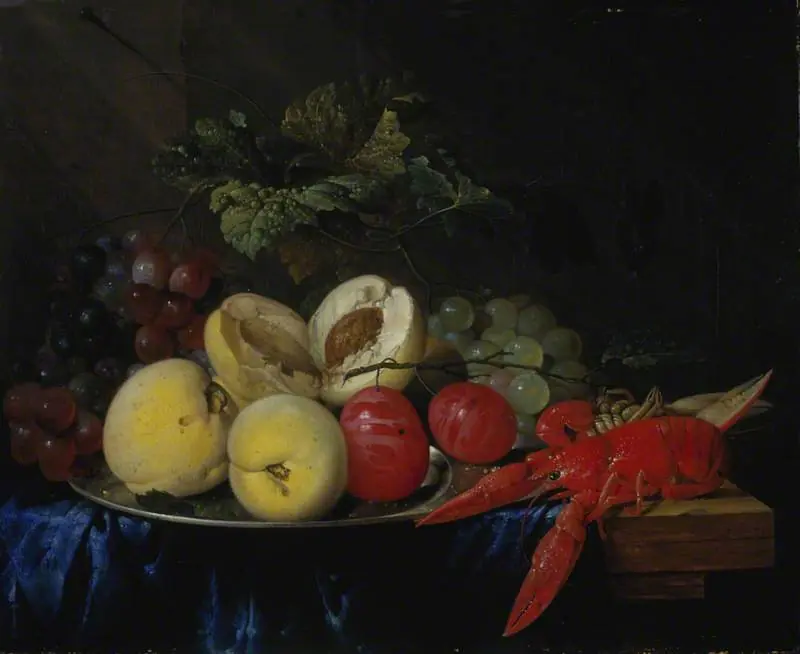 A Still-life with Fruit and Lobster
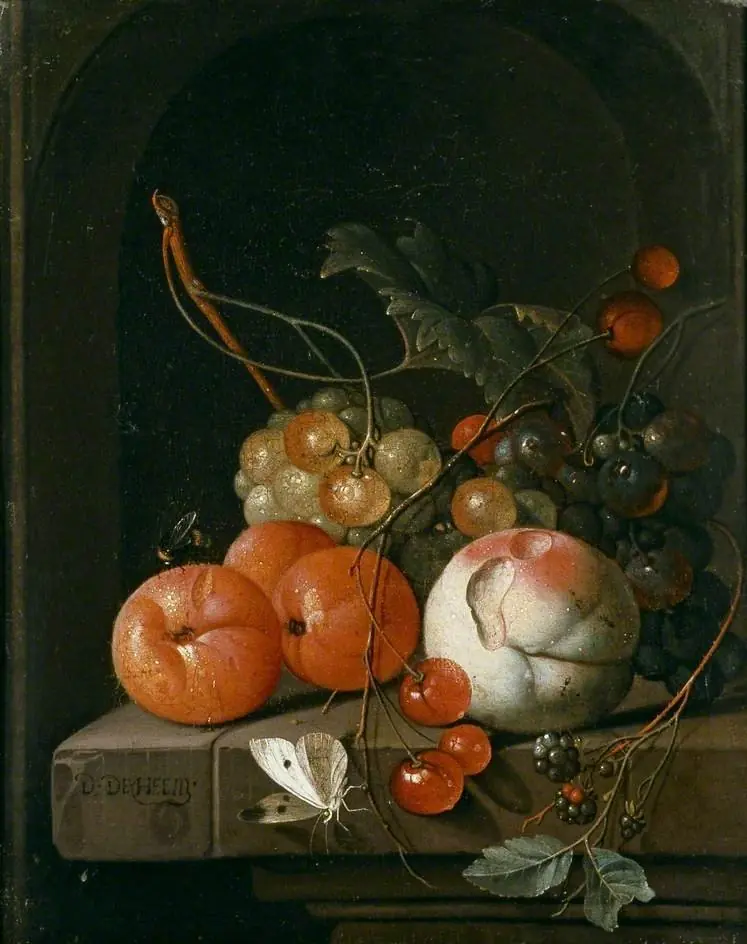 Still Life of Fruit