Artwork
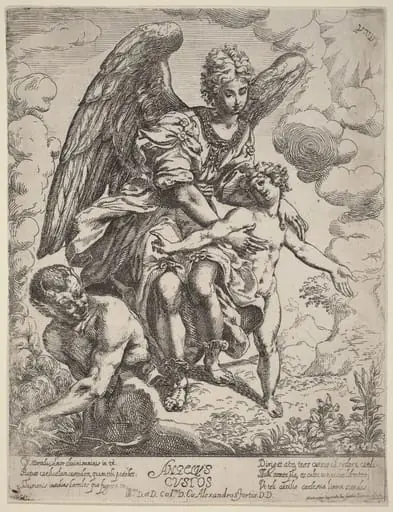
Custodi Nos Dormientes (The Guardian Angel)
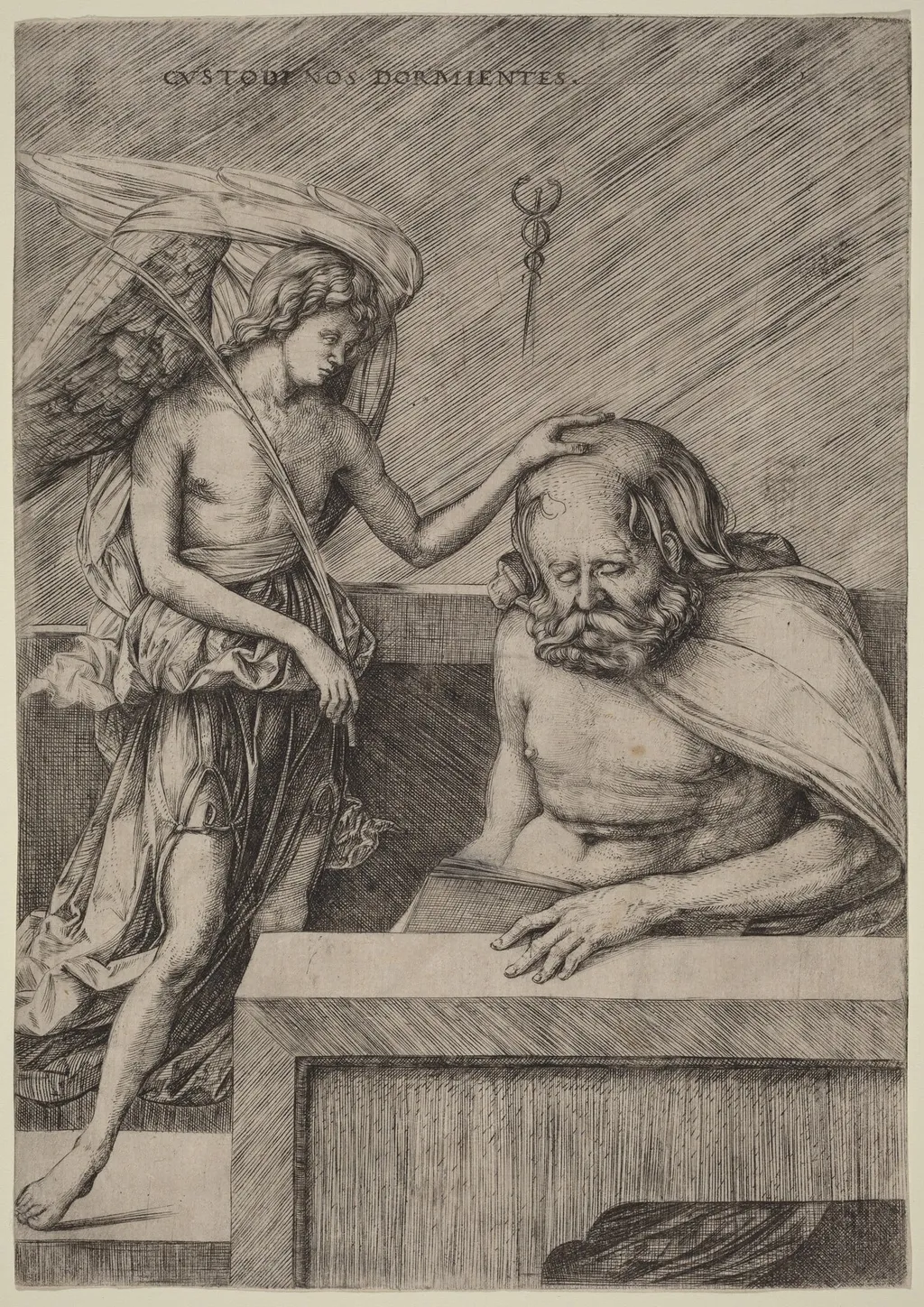
Custodi Nos Dormientes (The Guardian Angel) is an ink print by the Renaissance artist Jacopo de' Barbari. It dates from 1509 and is held in the collection of the National Gallery of Art. Custodi Nos Dormientes, created around 1509 by Jacopo de’ Barbari, is an engraving that captures a quiet moment of spiritual vigilance.
About this work
Overview
As one of twenty-nine known prints by the artist, it reflects his mastery of the medium during a period when printmaking was gaining artistic prominence.
Custodi Nos Dormientes, created around 1509 by Jacopo de’ Barbari, is an engraving that captures a quiet moment of spiritual vigilance. As one of twenty-nine known prints by the artist, it reflects his mastery of the medium during a period when printmaking was gaining artistic prominence. Barbari, originally from Venice, had relocated to Germany by 1500, bringing Italian Renaissance sensibilities to Northern European print culture.
Subject & Meaning
The scene depicts a man in deep sleep, his posture relaxed and vulnerable, while a winged guardian hovers above, one hand lightly resting on his shoulder. The title, Latin for 'Keep Us While We Sleep,' suggests a devotional intent, invoking divine protection during unconsciousness. The absence of overt religious symbols directs focus to the intimate, silent presence of the angel, emphasizing personal faith over institutional ritual.
Technique & Style
Barbari employed fine, controlled lines to model form and texture, particularly in the folds of the angel’s robe and the soft contours of the sleeper’s skin. The dark, minimal background enhances the figures’ prominence, using subtle hatching to suggest depth without clutter. The engraving’s precision reveals a technical command of the burin, allowing delicate gradations of light and shadow that elevate the scene’s stillness and serenity.
History & Provenance
Created during Barbari’s time in Northern Europe, the print likely circulated among collectors and artists familiar with Italian innovations. Though no early ownership records are documented, its survival among a small corpus of his engravings indicates its continued recognition. The work’s technical quality and thematic resonance contributed to its preservation, though its exact path from the artist’s studio to modern collections remains unclear.
Context
In the early 16th century, printmaking became a vehicle for spreading artistic ideas across Europe. Barbari’s move from Venice to Germany positioned him at a cultural crossroads, where Italian composition met Northern attention to detail. His engravings, including this one, helped bridge regional styles, influencing local artisans while introducing Italian humanism to northern audiences through accessible, reproducible imagery.
Legacy
Custodi Nos Dormientes stands as a quiet testament to Barbari’s role in transmitting Renaissance ideals through print. While not widely reproduced in his lifetime, its refined technique and contemplative subject matter contributed to the evolving language of devotional imagery in Northern Europe. Later engravers absorbed his approach to line and mood, embedding his influence within the broader tradition of European graphic art.
Artist & collection
Artist
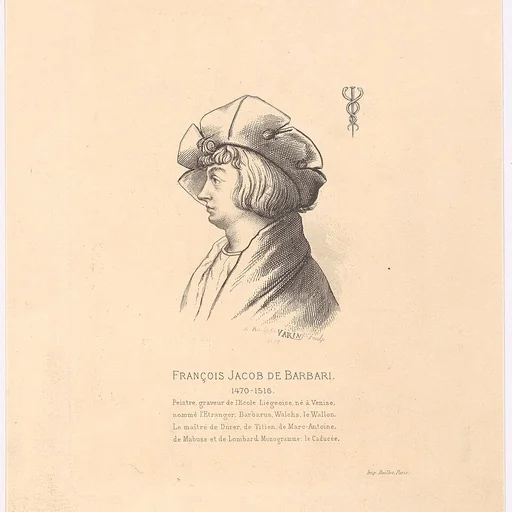
Jacopo de' Barbari, sometimes known or referred to as de'Barbari, de Barberi, de Barbari, Barbaro, Barberino, Barbarigo or Barberigo (c.

![View of Venice [lower right block], by Jacopo de' Barbari](https://artifactworldgallery.com/img/jacopo-de-barbari--view-of-venice-lower-right-block--371460ae957995b9-w320.webp)
 Saint Jerome with the Angel
 Pietà
Pietà The Body of Christ Supported by Angels
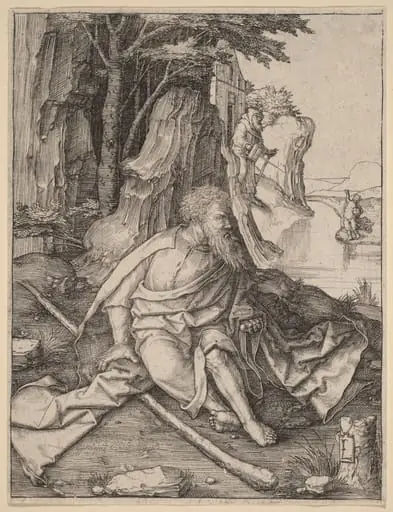 Saint Christopher at the Border of a River
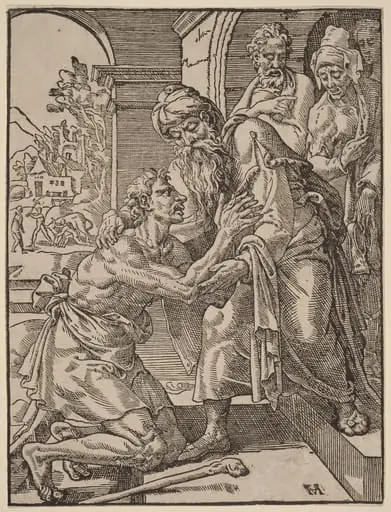 The Return of the Prodigal Son
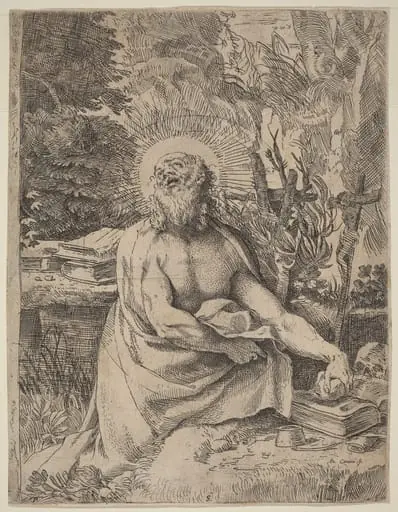 Saint Jerome in the Wilderness
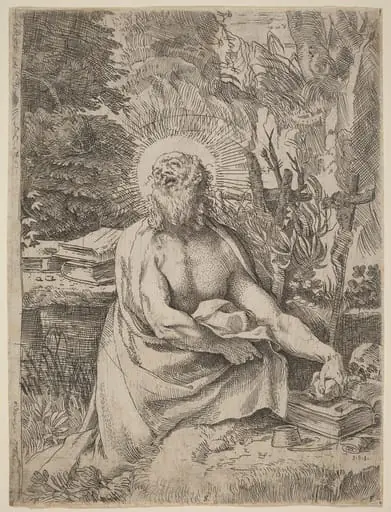 Saint Jerome in the Wilderness
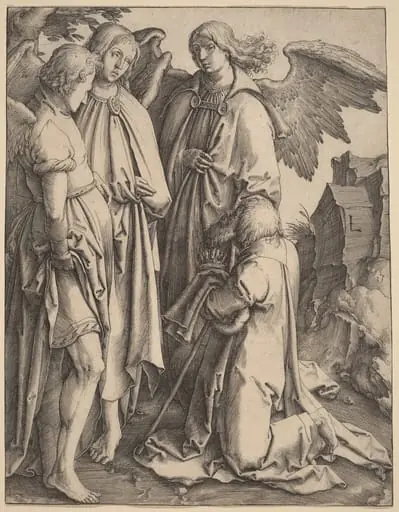 Abraham and the Three Angels
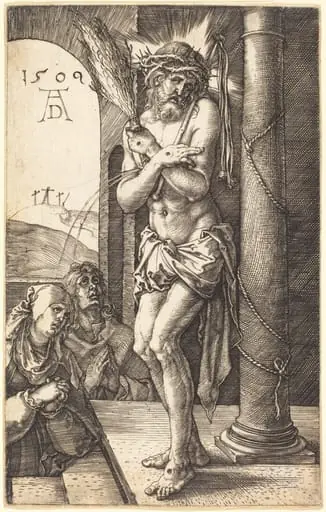 The Man of Sorrows Standing by the Column
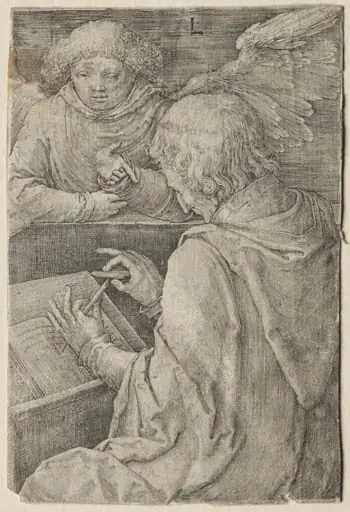 The Evangelists: St. Matthew
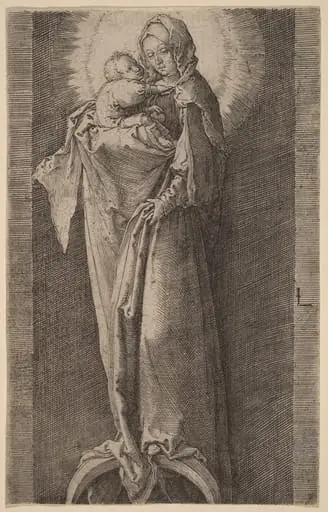 The Virgin in the Niche
 Guardian Angel