Artwork
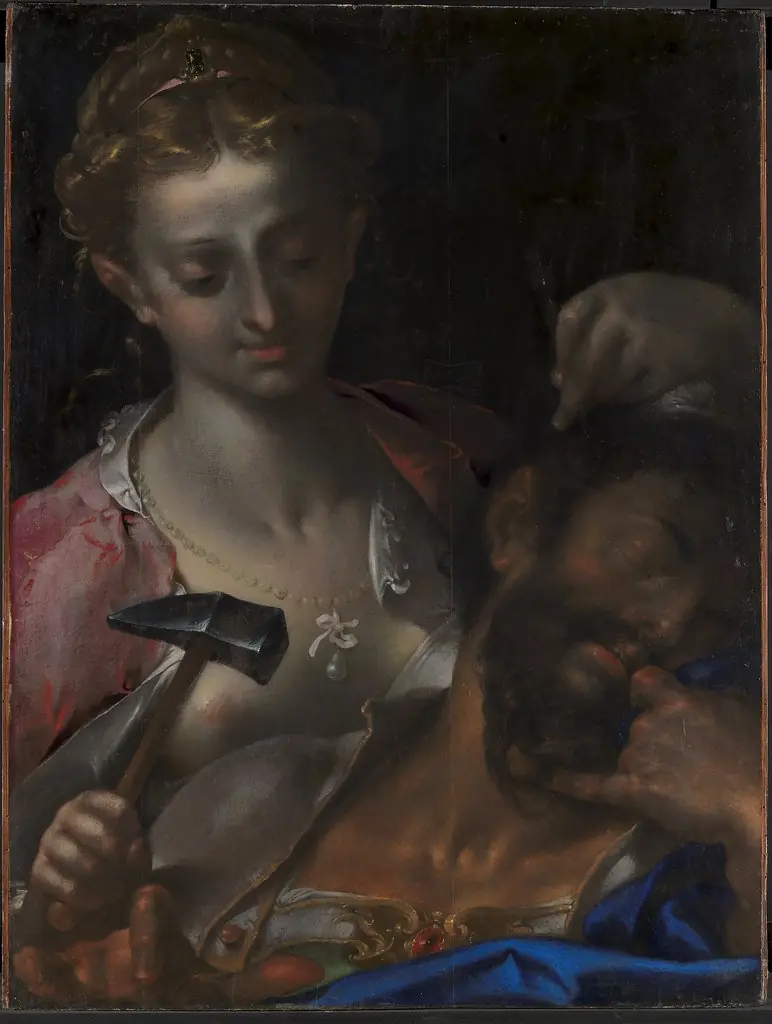
Ulysses and Circe
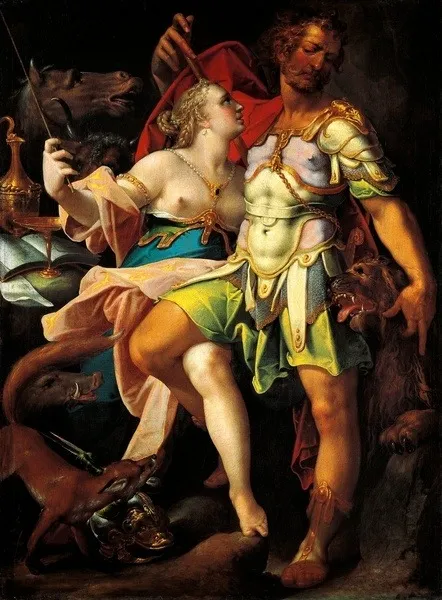
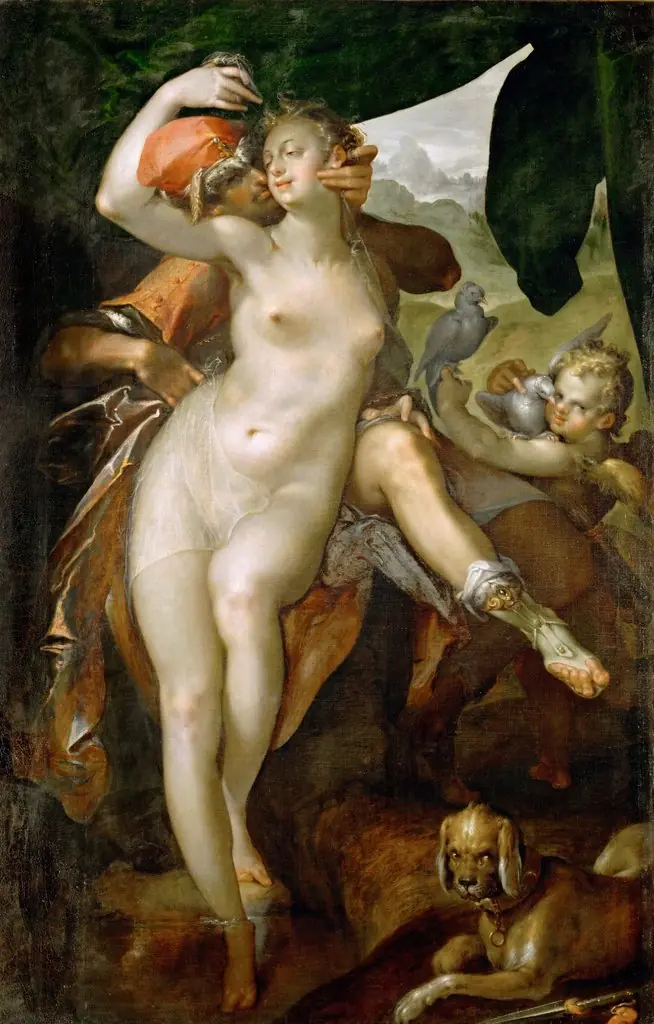
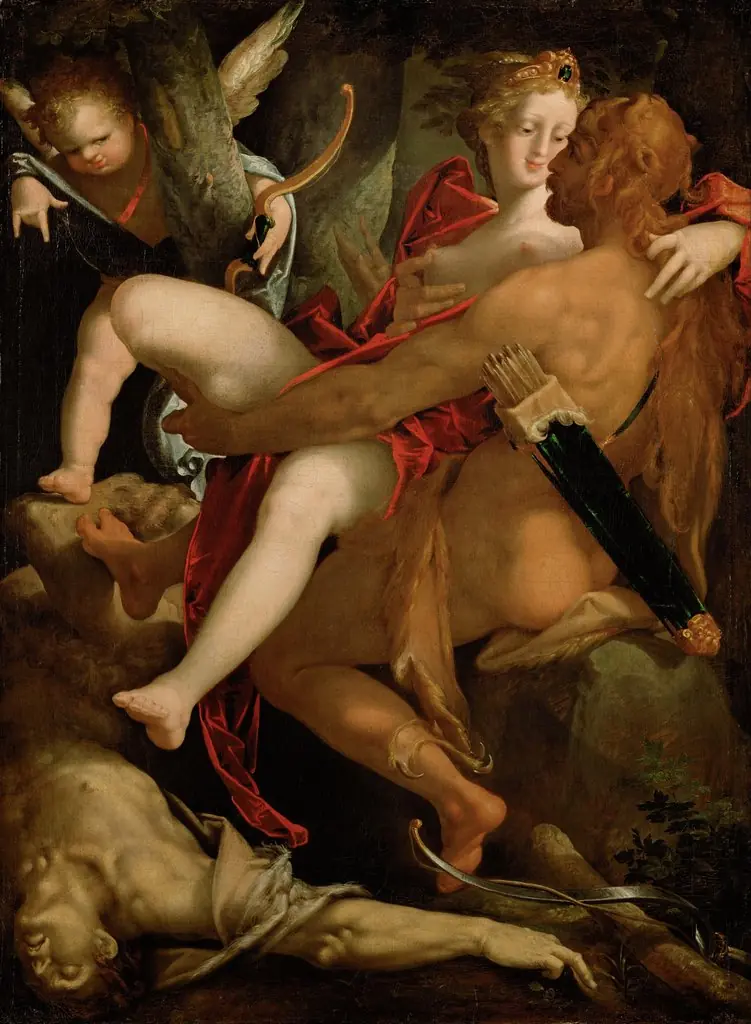
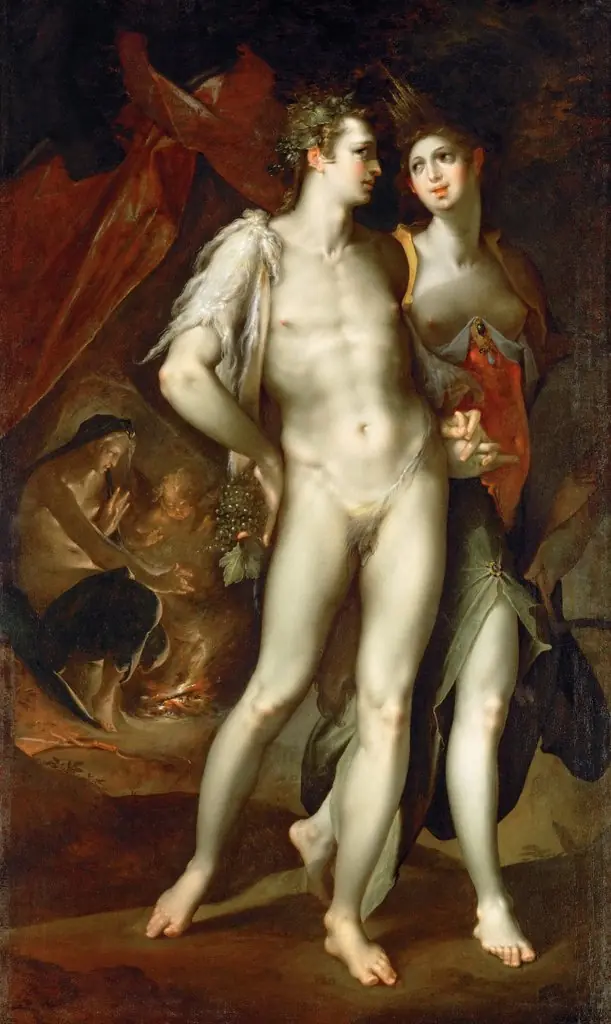
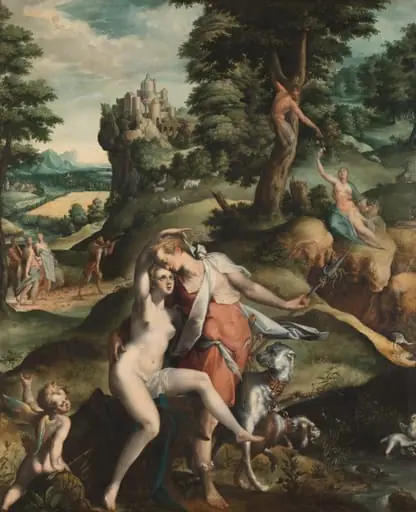
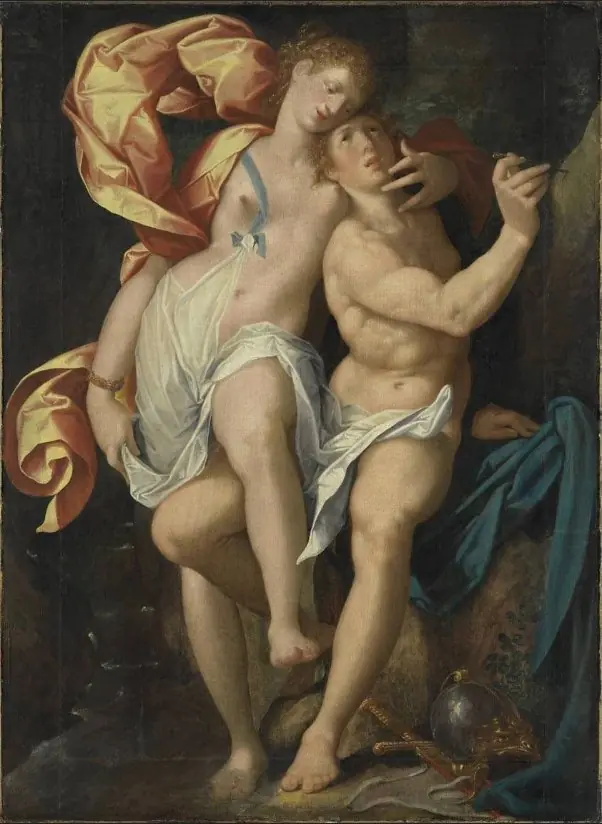
Ulysses and Circe is an oil painting by the Mannerist artist Bartholomeus Spranger. It dates from 1590 and is held in the collection of the Kunsthistorisches Museum.
About this work
Overview
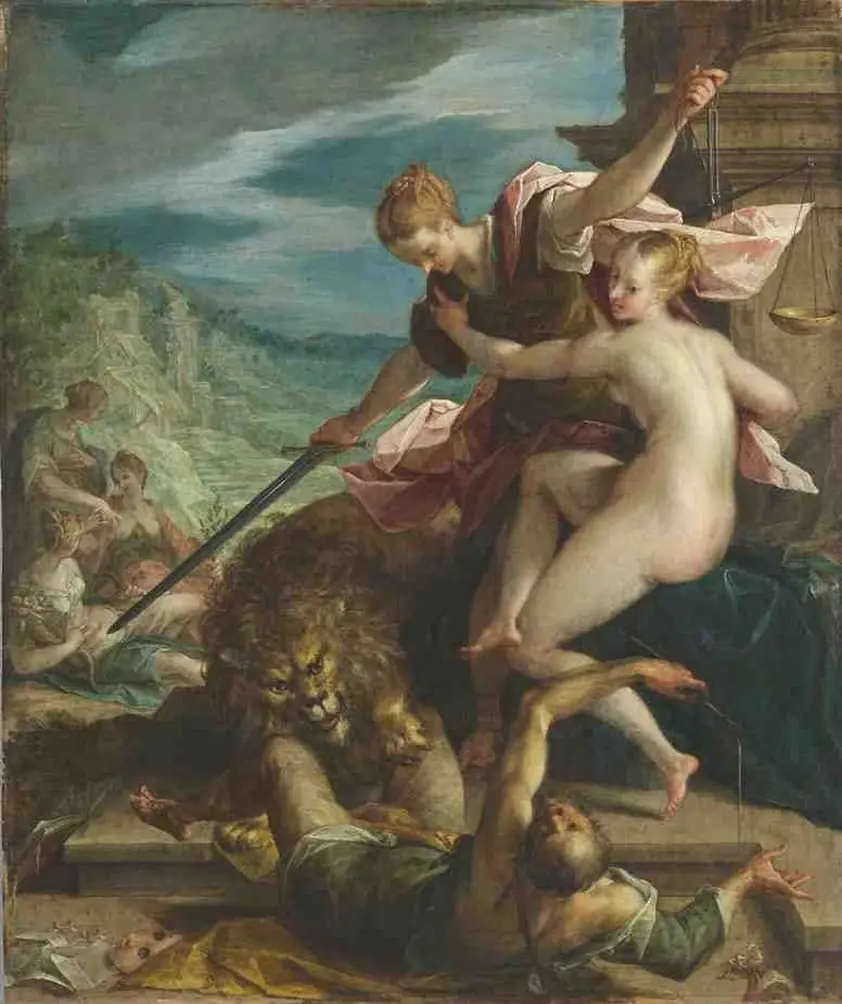
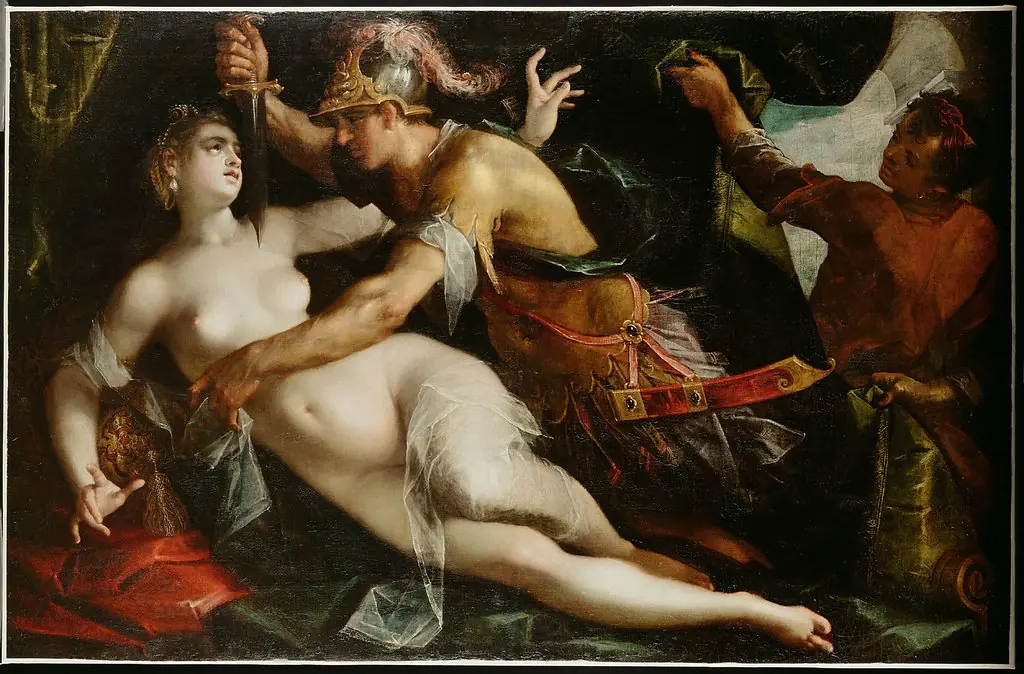
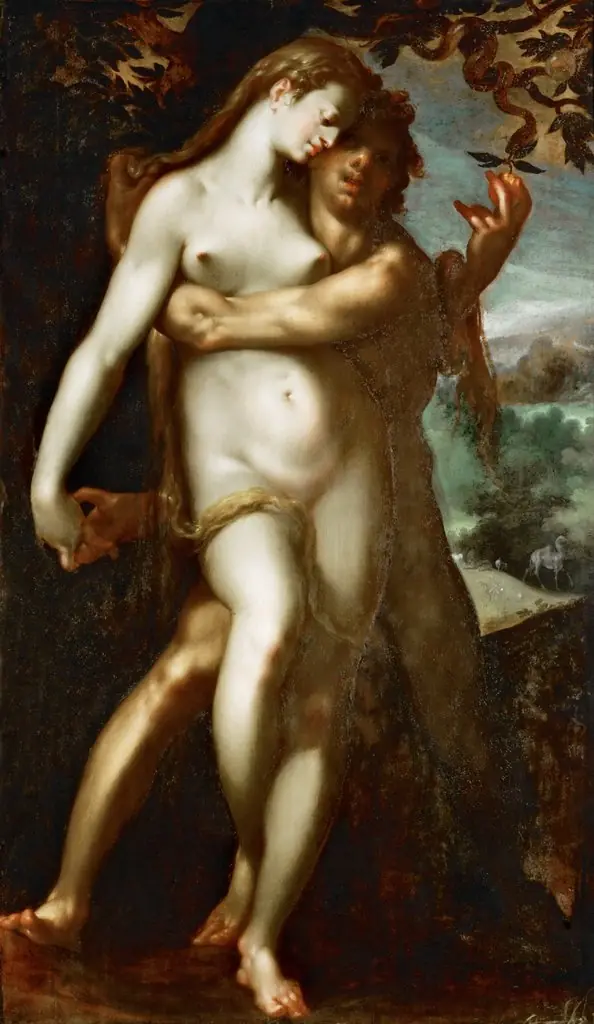
Ulysses and Circe is a 1590 oil painting by Bartholomeus Spranger, a Flemish artist in the court of Holy Roman Emperor Rudolf II. The work exemplifies Mannerist style, blending Netherlandish and Italian influences.
Subject & Meaning
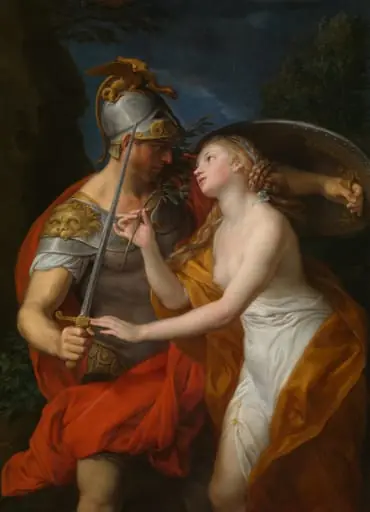
The painting depicts a mythological scene from Homer’s Odyssey, featuring Odysseus (Ulysses) and the enchantress Circe. Circe offers Ulysses a cup, while he, armed with a spear, appears cautious amidst transformed creatures (a boar, dog, and bird), hinting at the narrative’s themes of temptation and transformation.
Technique & Style
Spranger employs Mannerist characteristics, including elongated figures and sensuality. The painting utilizes chiaroscuro, with strong light-dark contrasts, to create depth and amplify the dramatic, tense atmosphere against a dark background.
History & Provenance
Created in 1590 for the imperial court in Prague, the painting is now part of the Kunsthistorisches Museum’s collection.
Context
As a court artist, Spranger’s work reflects the intellectual and artistic interests of Rudolf II’s court, which favored complex, symbolic, and mythologically themed artworks.
Legacy
Ulysses and Circe contributes to the broader legacy of Mannerist art, illustrating the period’s fascination with classical mythology and innovative visual techniques.
Artist & collection
Artist
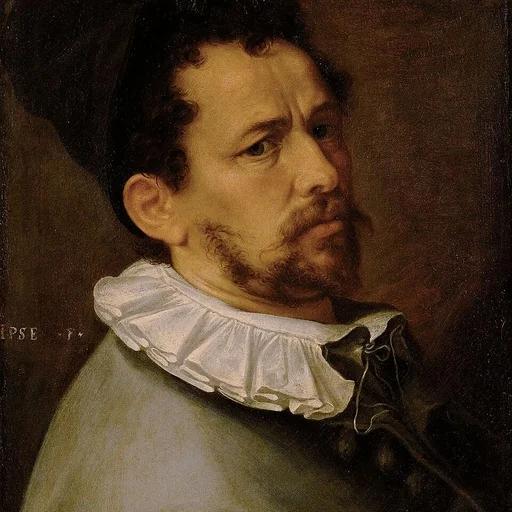
Bartholomeus Spranger or Bartholomaeus Spranger (21 March 1546 – 27 June 1611) was a Flemish painter, draughtsman, sculptor, and designer of prints.