Artwork
Prince Frederick Henry
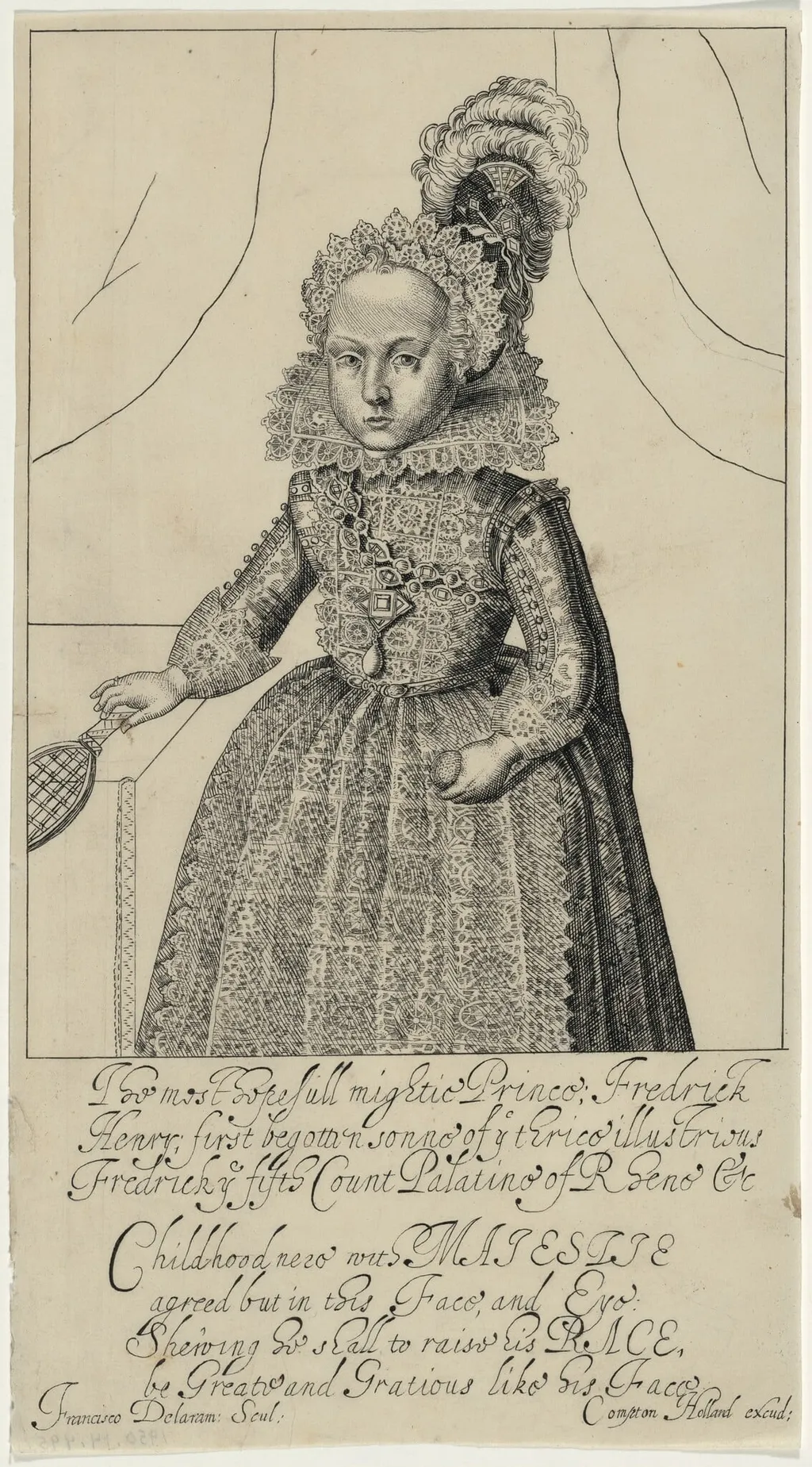
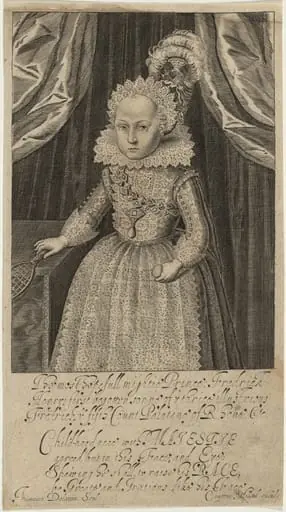
Prince Frederick Henry is an ink print by the Renaissance artist Francis Delaram. It dates from 1608 and is held in the collection of the National Gallery of Art.
About this work
Overview
Francis Delaram’s 1608 engraving presents the Dutch stadtholder Frederick Henry in full armor, surrounded by an ornamental frame populated with musical cherubs. The print, executed in the early seventeenth‑century engraving tradition, combines a formal portrait with decorative elements typical of the period’s book illustrations.
Subject & Meaning
The central figure is Prince Frederick Henry, the heir to the Dutch Republic’s leadership, shown in martial dress that emphasizes his role as a military commander. The surrounding cherubs, playing instruments, soften the martial tone and suggest a cultured, courtly environment, linking the prince’s authority with artistic patronage.
Technique & Style
Delaram employs fine cross‑hatching to model the armor’s reflective surfaces and the delicate details of the cherubs’ wings and instruments. The line work is characteristic of the Flemish engraving school, with a focus on texture and depth, though the background appears less meticulously rendered, indicating a possible rush in execution.
History & Provenance
Born around 1590, likely in Flanders, Delaram worked in England and is thought to have trained under Cornelis Boel, the illustrator of the King James Bible. His oeuvre includes portraiture and book plates, often featuring playful cherubic motifs, reflecting the cross‑cultural influences of English and Flemish printmaking.
Context
The portrait aligns with early‑modern Dutch political propaganda, where the stadtholder’s image was circulated to reinforce his legitimacy. The inclusion of musical cherubs mirrors contemporary decorative trends in printed ephemera, where allegorical figures were used to convey harmony between rulership and the arts.
Artist & collection
Artist
Francis Delaram (born around 1590, fl. 1615–1624 or 1627), was an English engraver. Delaram left a substantial collection of engraved portraits, landscapes and book illustrations (specifically, William Camden's…

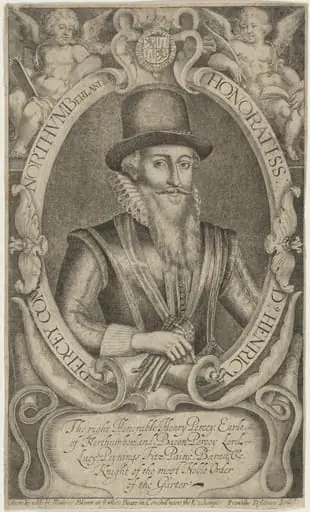 Henricus Percye (Henry Percy, Ninth Earl of Northumberland)
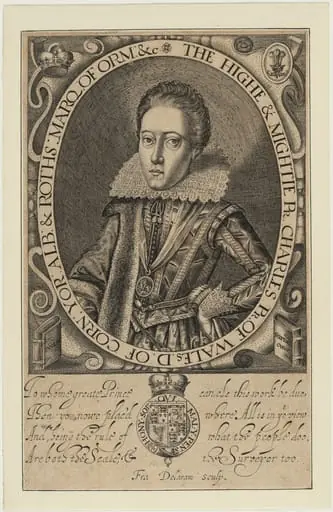 Charles I, as Prince of Wales
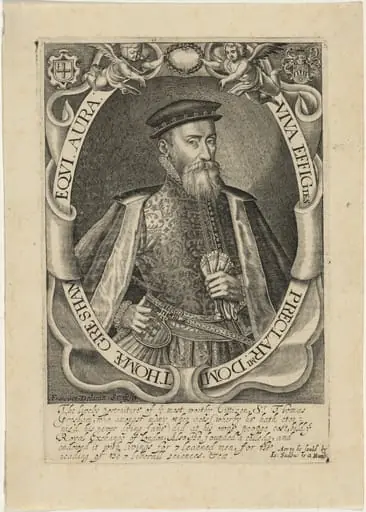 Sir Thomas Grisham
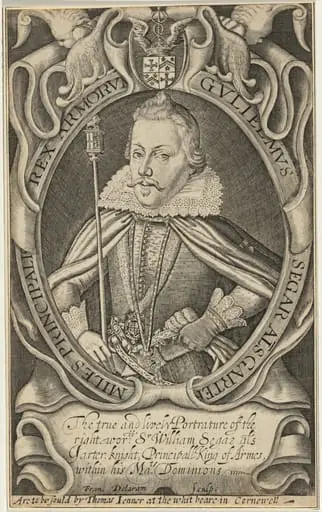 Guliemus Segar (Sir William Segar)
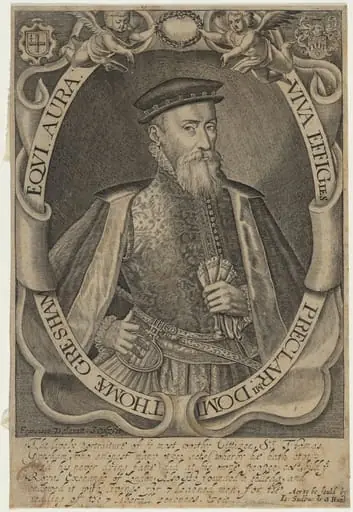 Thomae Gresham Equi. Aura (Sir Thomas Gresham)
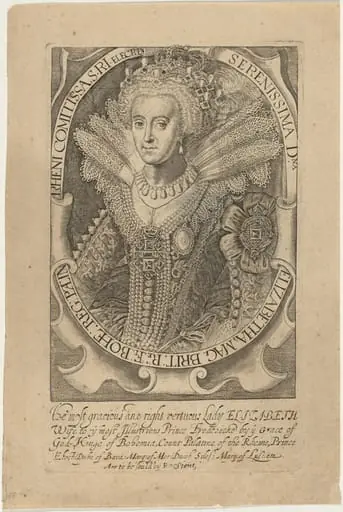 Elizabeth, Queen of Bohemia
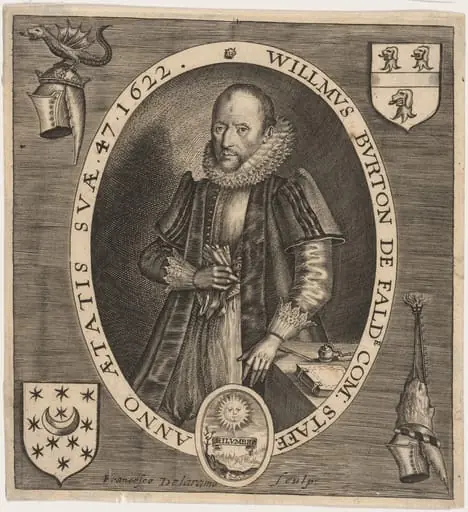 Willmus Burton de Falde (William Burton)
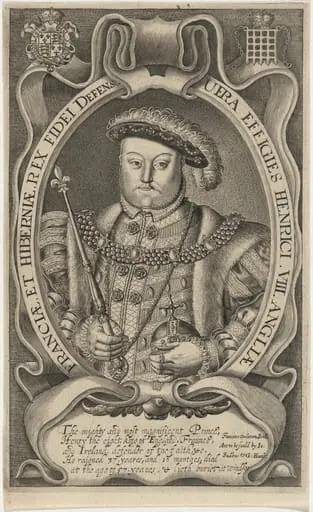 Henrici VIII Angliae, Franciae et Hiberniam Rex (King Henry VIII)
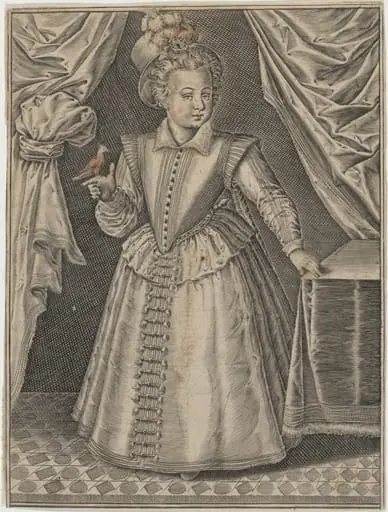 Princess Isabella of York, Daughter of James II While Duke of York
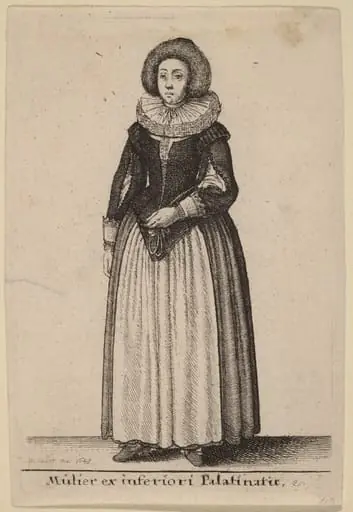 Mulier ex inferiori Palainatu
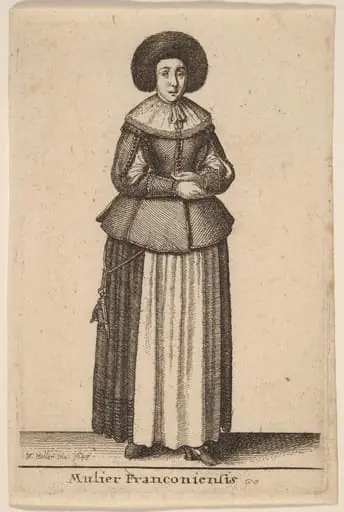 Mulier Franconiensis
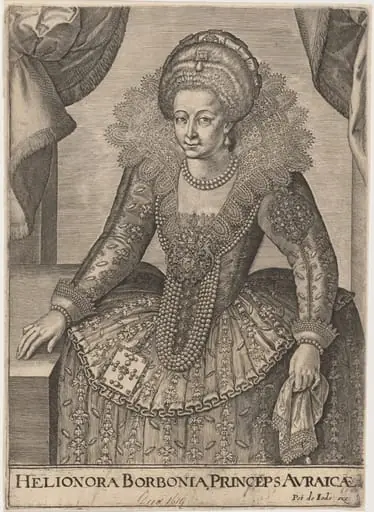 Eleanora, Princess of Orange
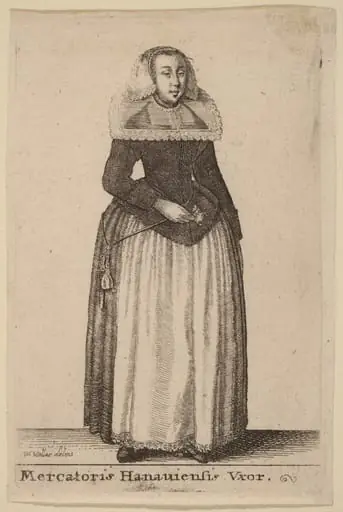 Mercantoris Hanauiensis Vxor
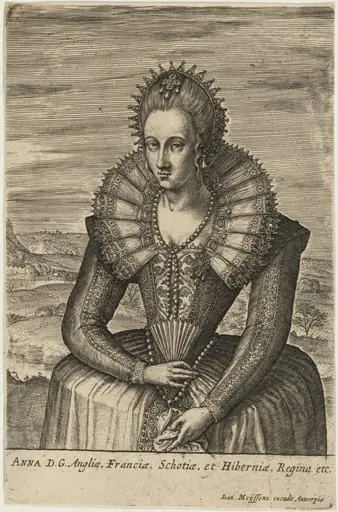 Anne of Denmark
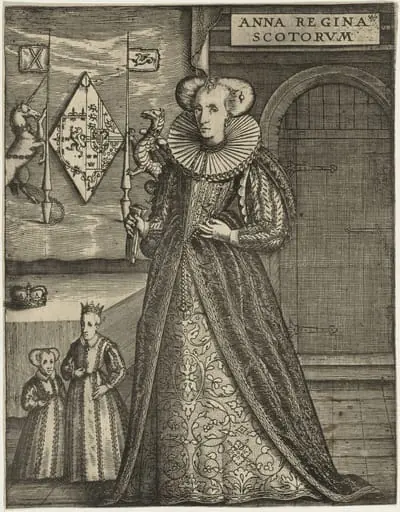 Anne of Denmark
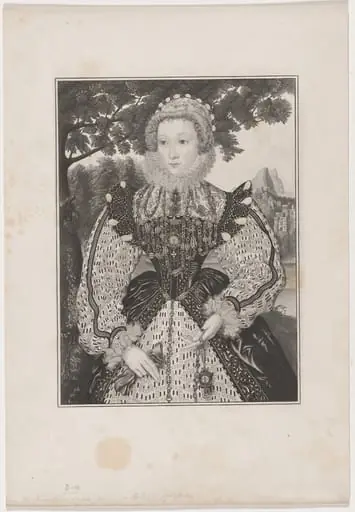 Mary of Guise
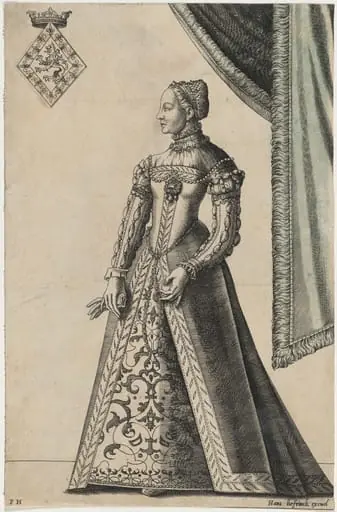 Mary, Queen of Scots
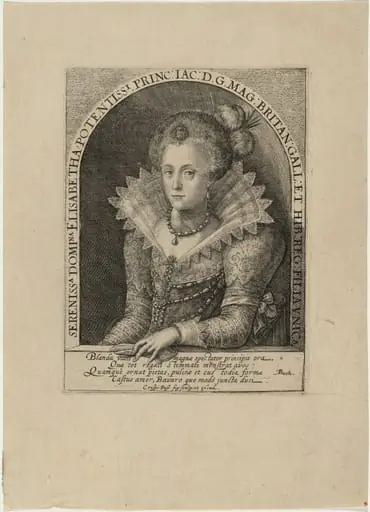 Elizabeth, Princess, Wife of the Elector Palatine Frederick V, King of Bohemia
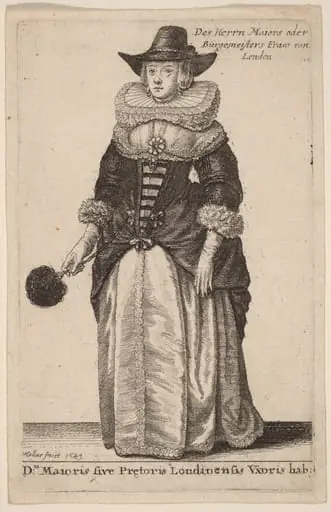 Dni Maioris sive Praetoris Londinensis Vxoris Hab:
 Prince Frederick Henry