Artwork
Erasmus Balderman
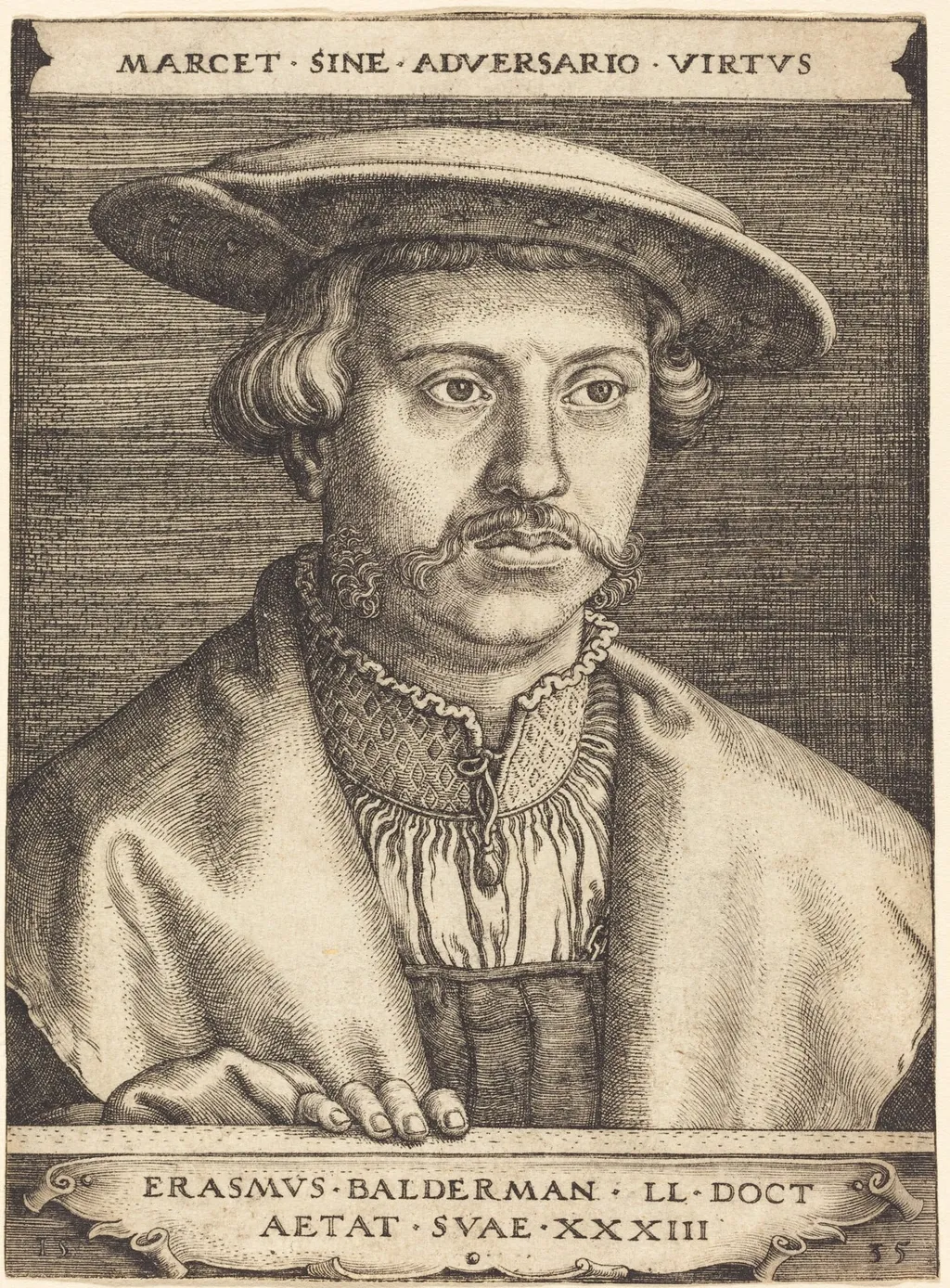
Erasmus Balderman is an ink print by the Renaissance artist Barthel Beham. It dates from 1535 and is held in the collection of the National Gallery of Art.
About this work
Overview
Barthel Beham’s 1535 engraving presents a portrait of Erasmus Balderman, a 33‑year‑old man rendered in stark black‑and‑white on laid paper. The image is framed by a dark border and set against an unadorned background, emphasizing the sitter’s solemn expression and the inscription surrounding him.
Subject & Meaning
The portrait depicts Balderman wearing a wide‑brimmed hat, a ruffled collar, and a visible chain, his hands resting on a ledge. Above his head a Latin motto, *Marcet sine adversario virtus* (“Virtue thrives without opposition”), suggests a moral or philosophical statement associated with the sitter.
Technique & Style
Beham employed the traditional engraving process, incising fine lines into a metal plate to achieve intricate detail in the facial features, clothing folds, and ornamental elements. The use of laid paper provides a textured surface that enhances the contrast between the deep blacks and delicate whites characteristic of early 16th‑century printmaking.
History & Provenance
Created in 1535, the print is attributed to Barthel Beham, a German engraver known for his precise draughtsmanship. The work bears Balderman’s name and age, indicating it may have been commissioned as a personal likeness or commemorative image during his lifetime.
Context
The engraving belongs to a period when portrait prints served both as status symbols and as vehicles for disseminating humanist ideas. The inclusion of a Latin moral maxim aligns the image with contemporary intellectual currents that valued virtue and self‑presentation.
Artist & collection

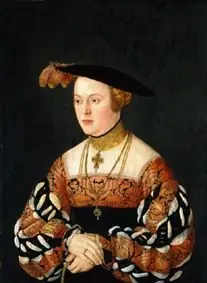 Portrait of Marie of Baden
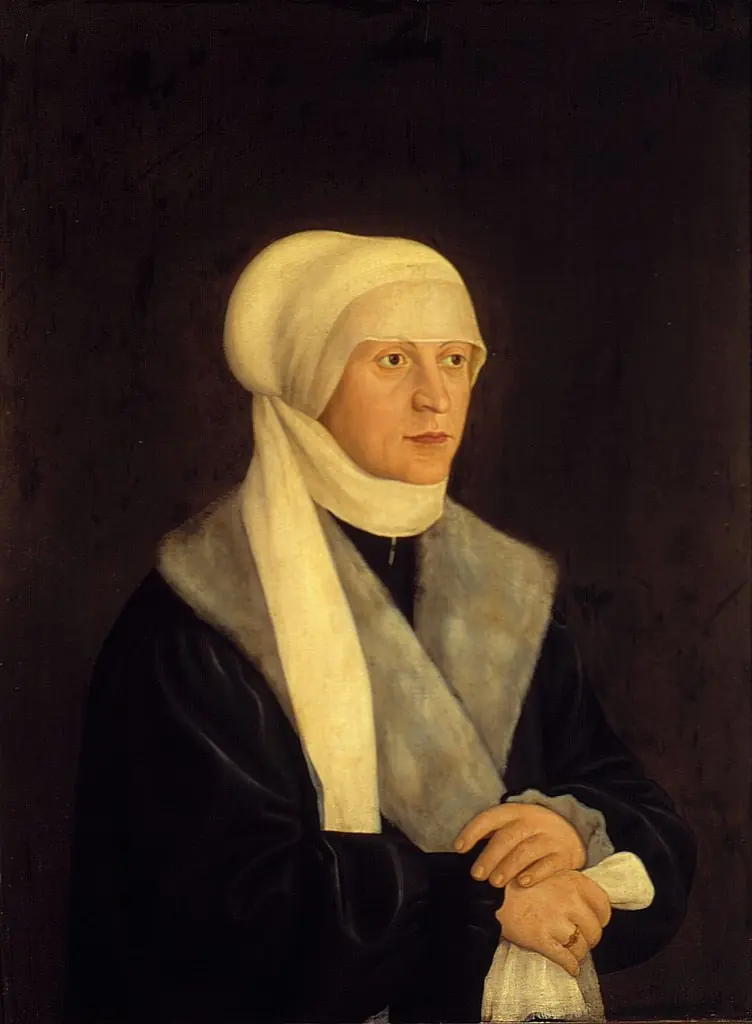 Portrait of Sabina of Bavaria
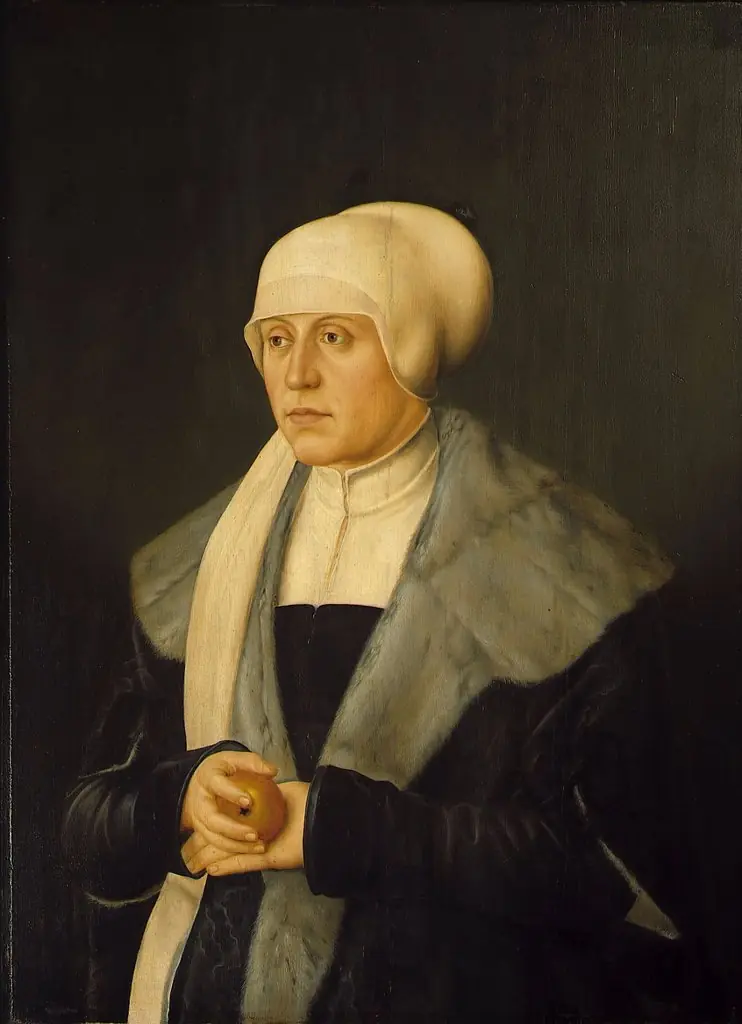 Kunigunde of Austria, wife of Duke Albrecht IV of Bavaria
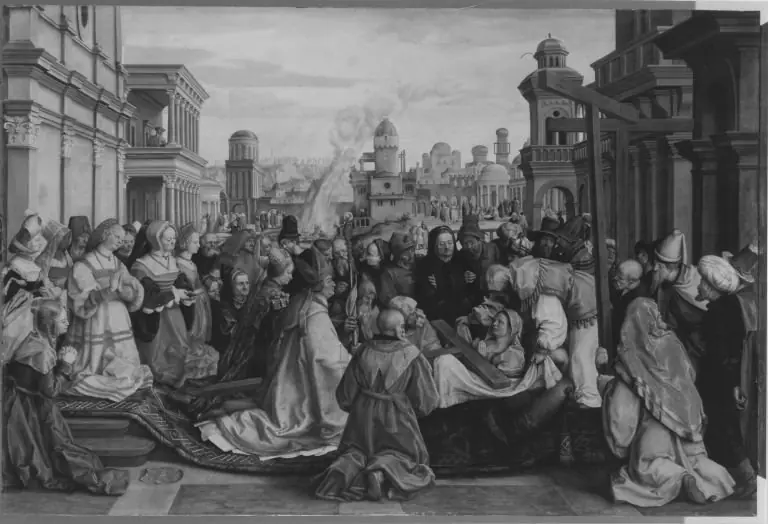 Historienzyklus: Kreuzauffindung der hl. Helena
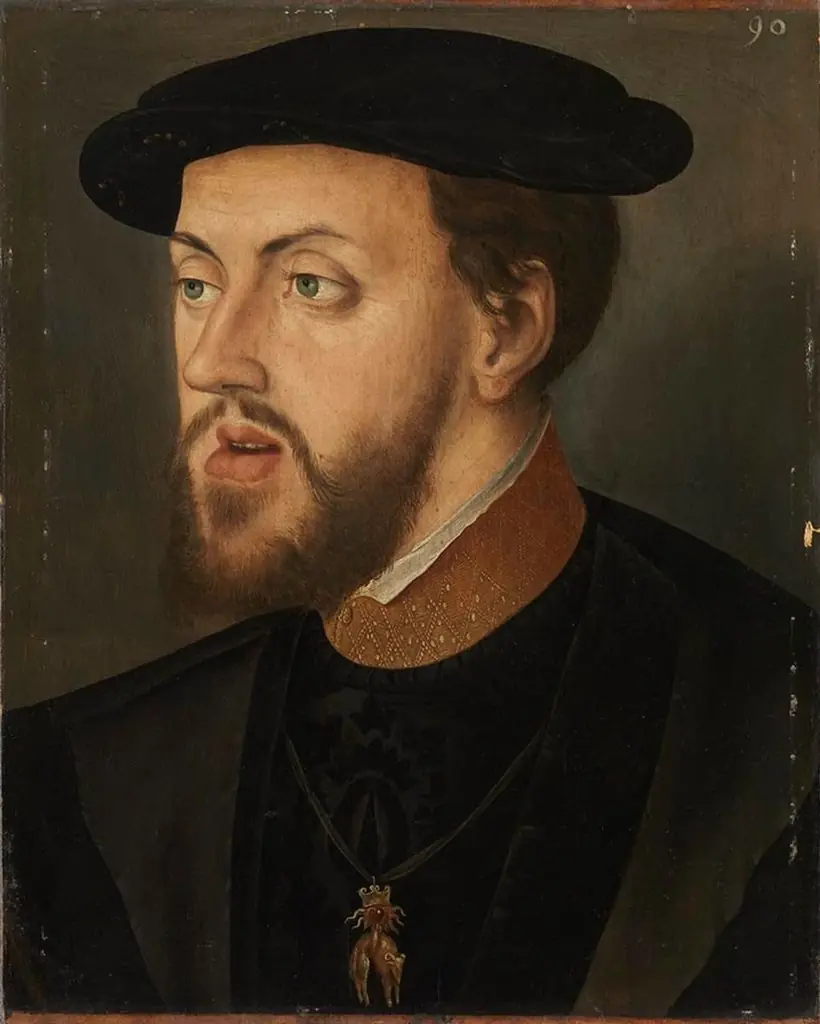 Emperor Charles V
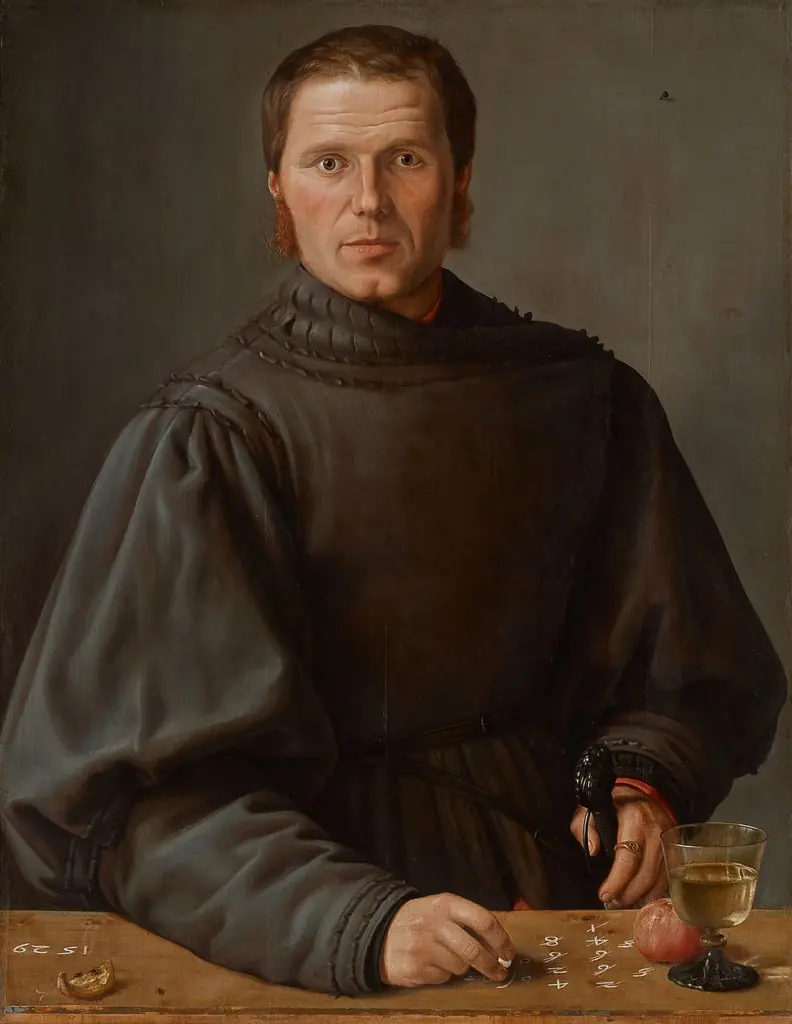 Portrait of a Man
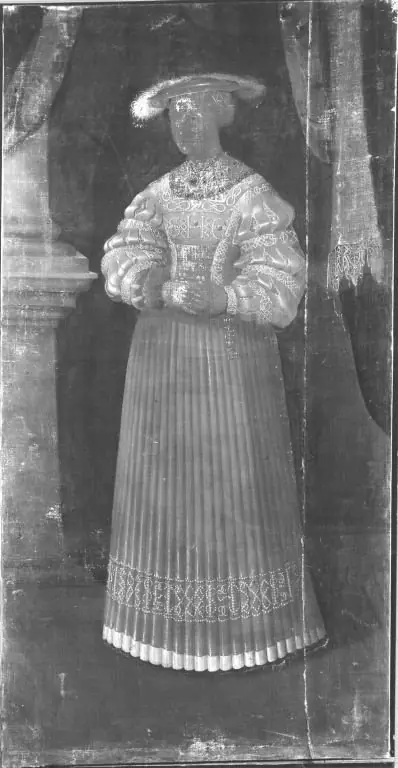 Susanna von Brandenburg, Gemahlin Ottheinrichs (Seitenverkehrte Kopie nach Inv.-Nr. 2450) (Kopie nach)
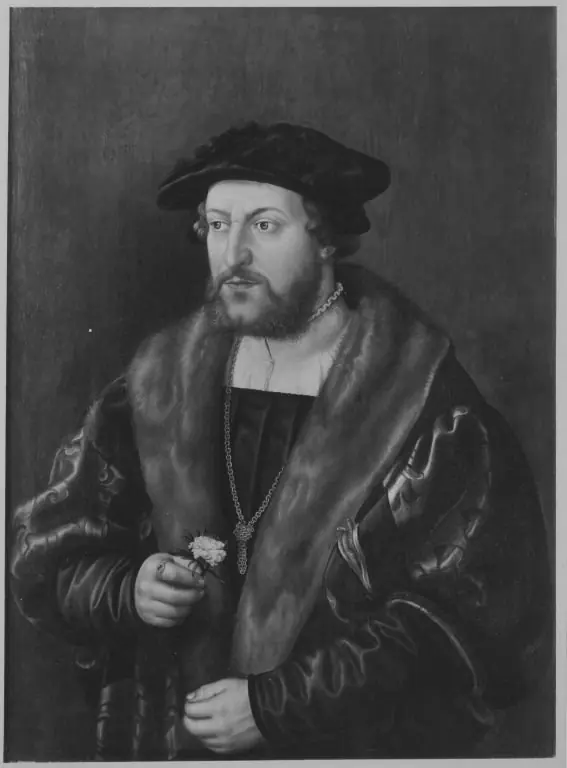 Portrait of Herzog Johann III, Paltzgraf bei Rhein (1488-1538)