Artwork
Finding of Moses – Allegorical family portrait
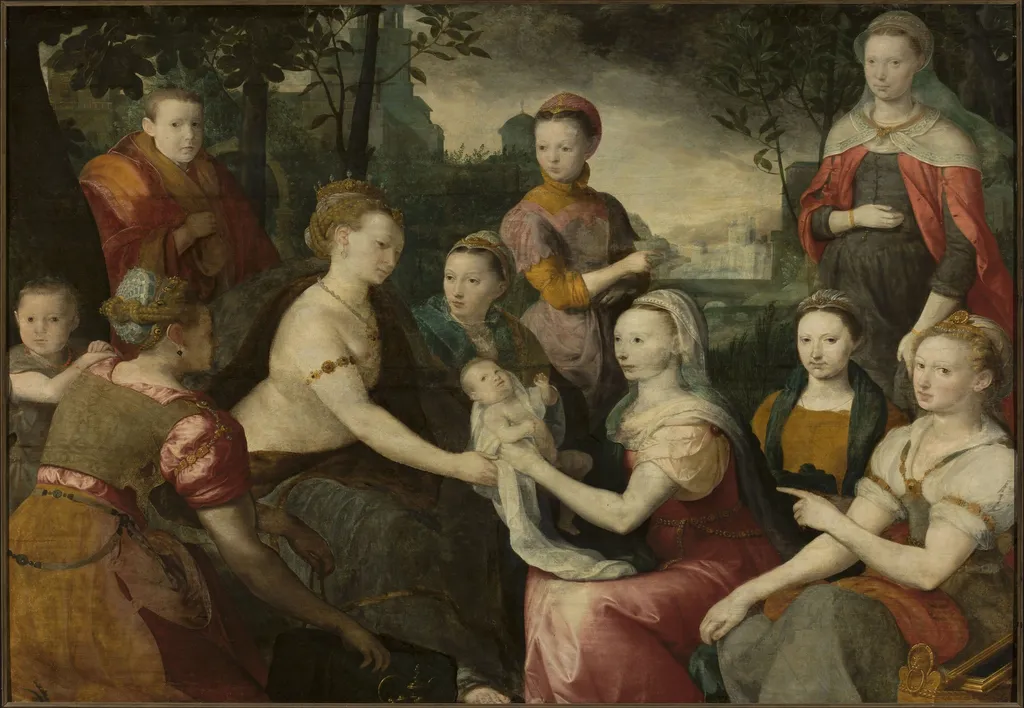
Finding of Moses – Allegorical family portrait is an oil painting by Bernaert de Rijckere. It dates from 1562 and is held in the collection of the National Museum in Warsaw.
About this work
Overview
Painted in 1562 by Bernaert de Rijckere, this oil-on-panel work depicts a scene inspired by the biblical story of Moses’ discovery, reimagined as a courtly gathering. It resides in the National Museum in Warsaw, where its elaborate costumes and dense composition reflect the Northern Renaissance interest in narrative detail and symbolic portraiture.
Subject & Meaning
The scene portrays the infant Moses being tenderly held by a woman, surrounded by other figures in regal attire, suggesting an allegorical representation of divine protection and noble lineage. The presence of crowns and ornate dress transforms the biblical moment into a courtly tableau, possibly honoring a patron family through sacred imagery.
Technique & Style
The composition is tightly arranged, with figures grouped around the central child, drawing attention through directional gaze and layered clothing.
De Rijckere employs rich pigments and fine brushwork to render intricate textiles, delicate facial expressions, and lush foliage. The composition is tightly arranged, with figures grouped around the central child, drawing attention through directional gaze and layered clothing. The background blends naturalistic trees with a distant architectural element, grounding the allegory in a believable landscape.
History & Provenance
The painting entered the National Museum in Warsaw’s collection in the 19th century, likely through acquisitions of Northern European art. Its attribution to de Rijckere is supported by stylistic parallels with his known works, though its early provenance before museum acquisition remains partially undocumented.
Context
Created during the height of the Northern Renaissance, the painting reflects a trend in the Low Countries of blending religious narratives with contemporary aristocratic portraiture. Such allegorical reinterpretations allowed patrons to associate themselves with biblical virtue while showcasing wealth and status through dress and setting.
Legacy
Though not widely reproduced, the work stands as a rare example of de Rijckere’s narrative portraiture. It contributes to scholarly understanding of how biblical themes were adapted in 16th-century Flemish art for private, elite audiences, illustrating the intersection of faith, identity, and visual culture.
Artist & collection

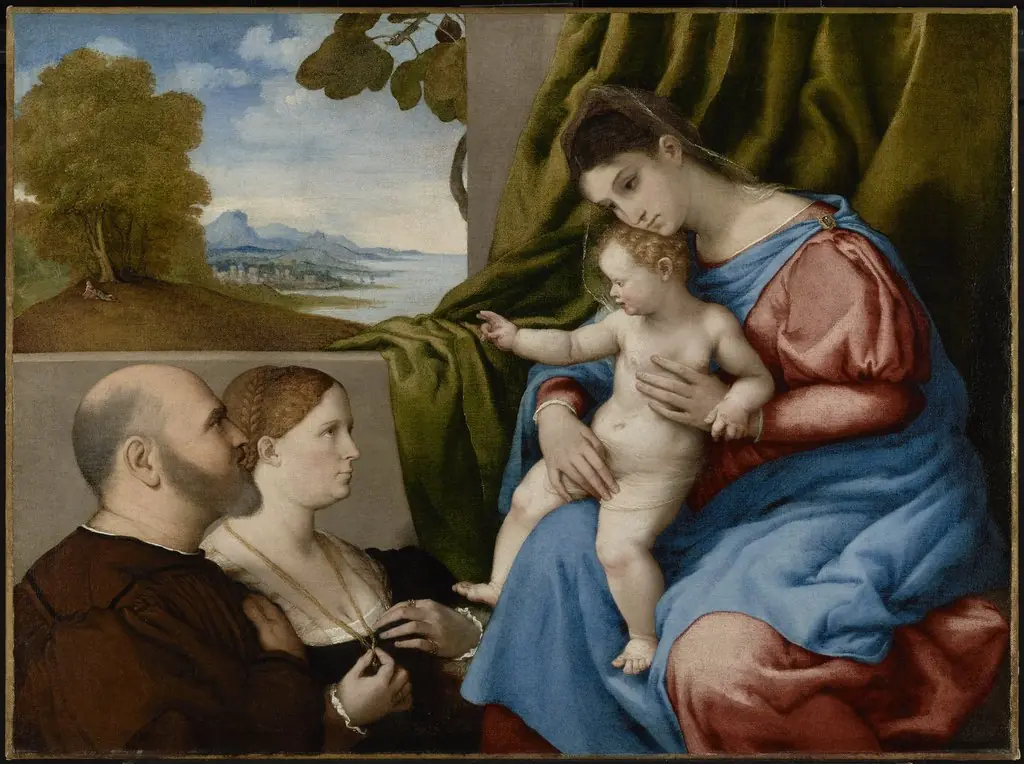 Madonna and Child with Two Donors
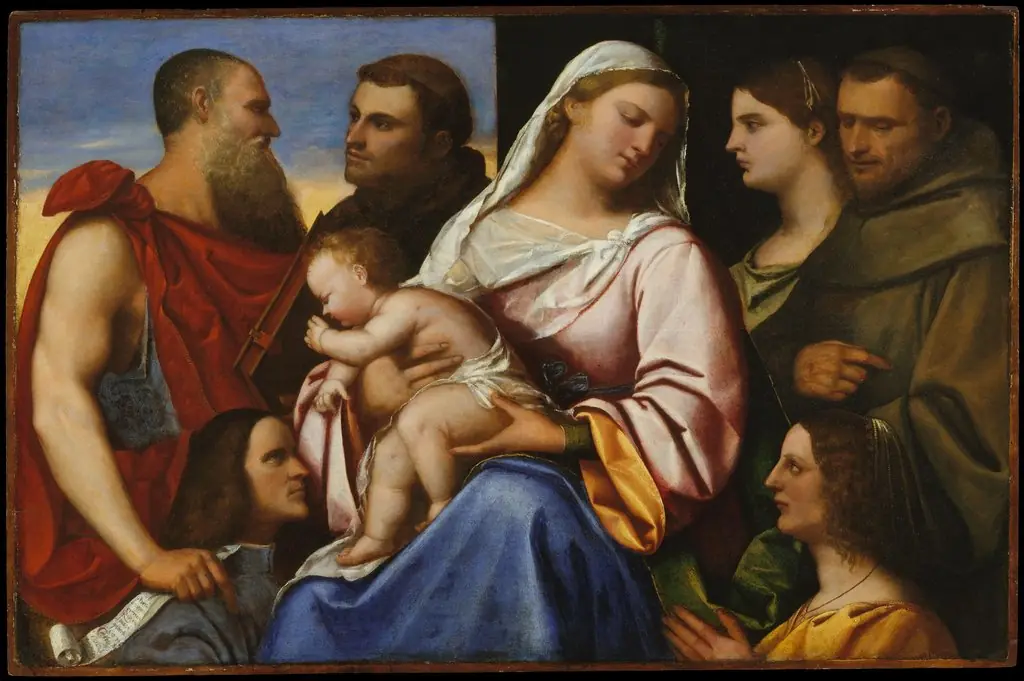 Madonna and Child with Saints and Donors
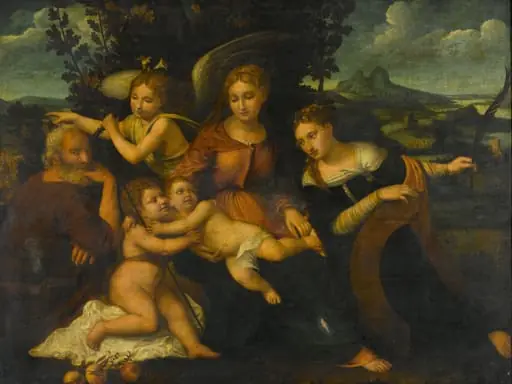 Holy Family with Saint Catherine
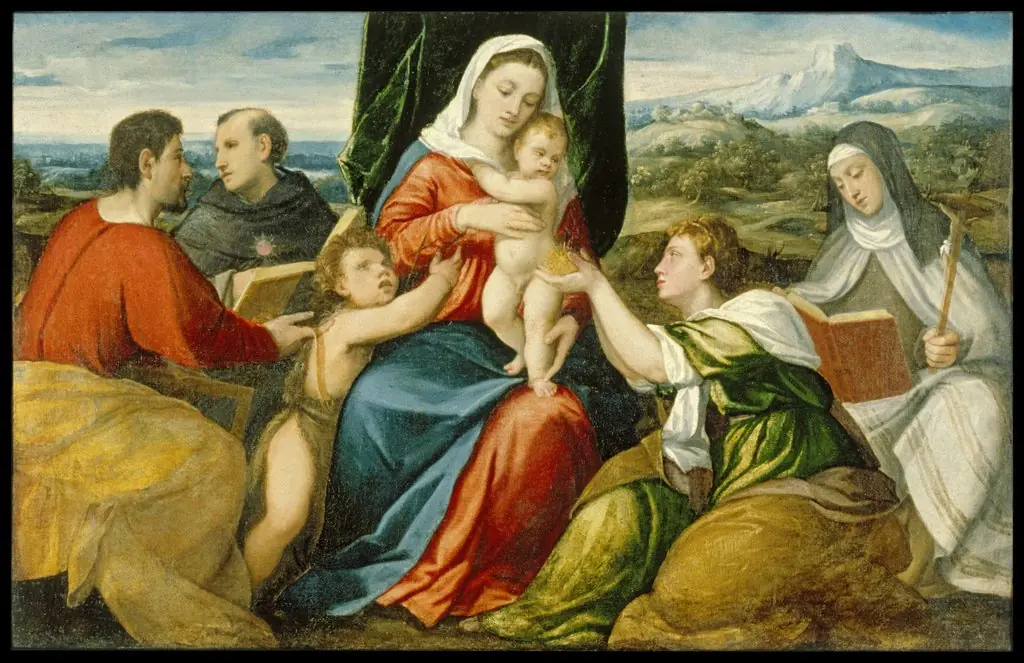 Madonna and Child with Saints
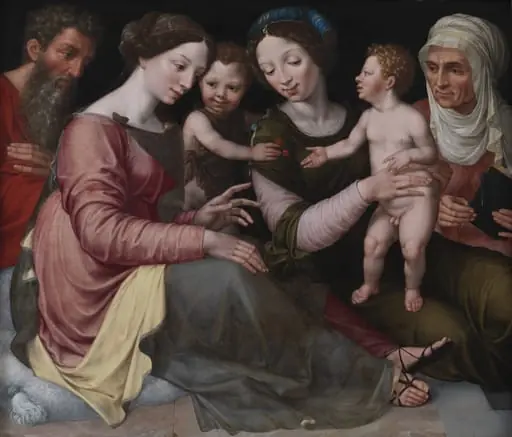 The Holy Family with the Infant St John, St Elizabeth and St Anna
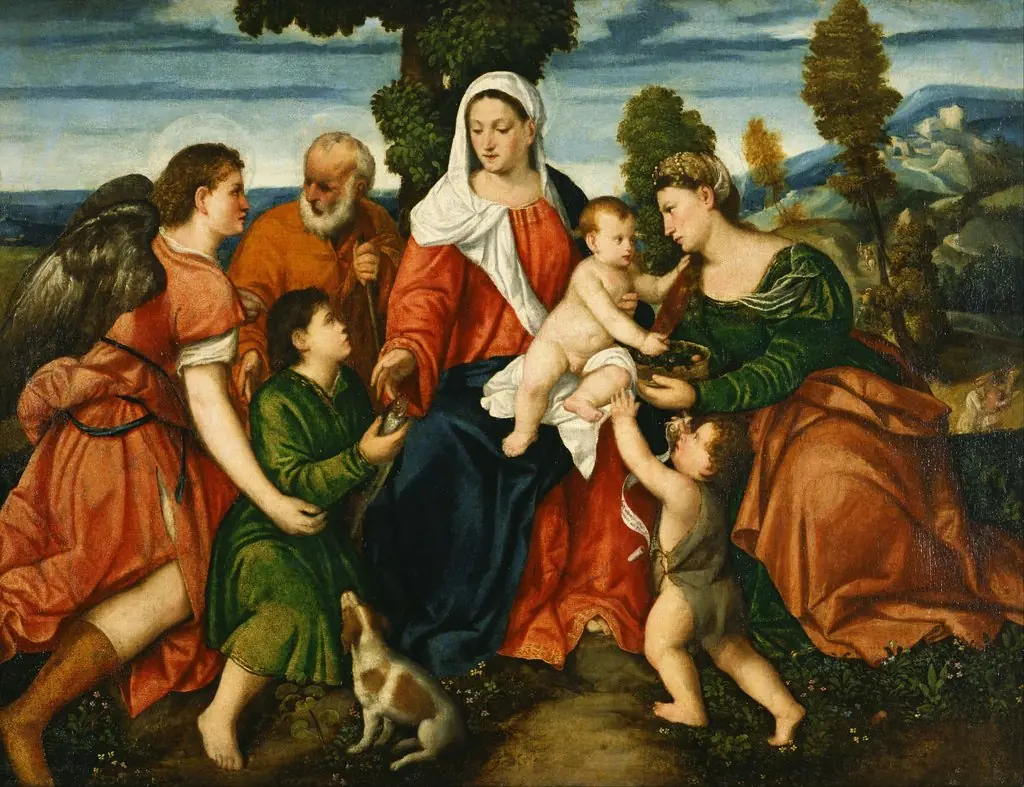 The Holy Family with Tobias and the Angel, Saint Dorothy, Giovannino, and the Miracle of the Corn beyond
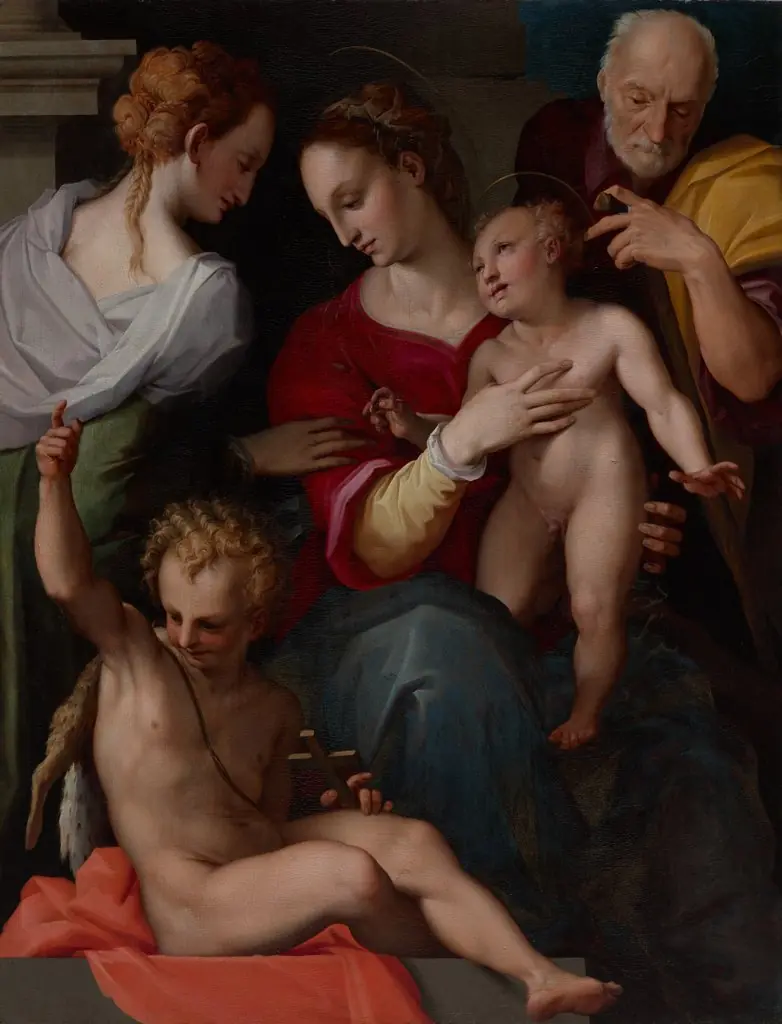 Holy Family with the Mystic Marriage of Saint Catherine