Artwork
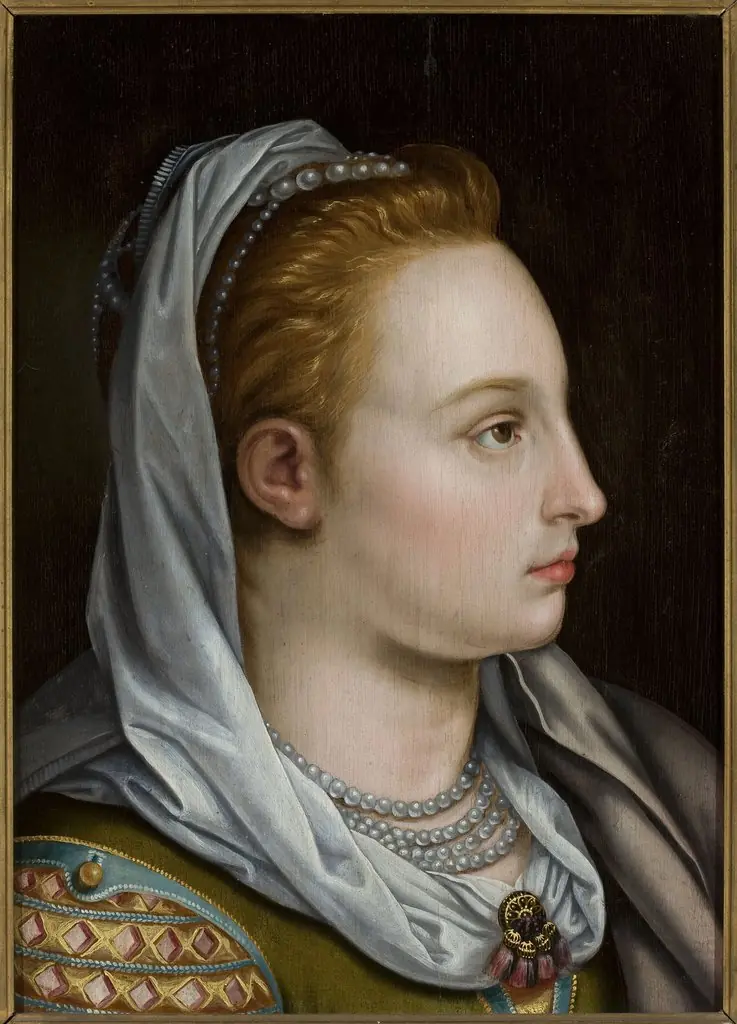
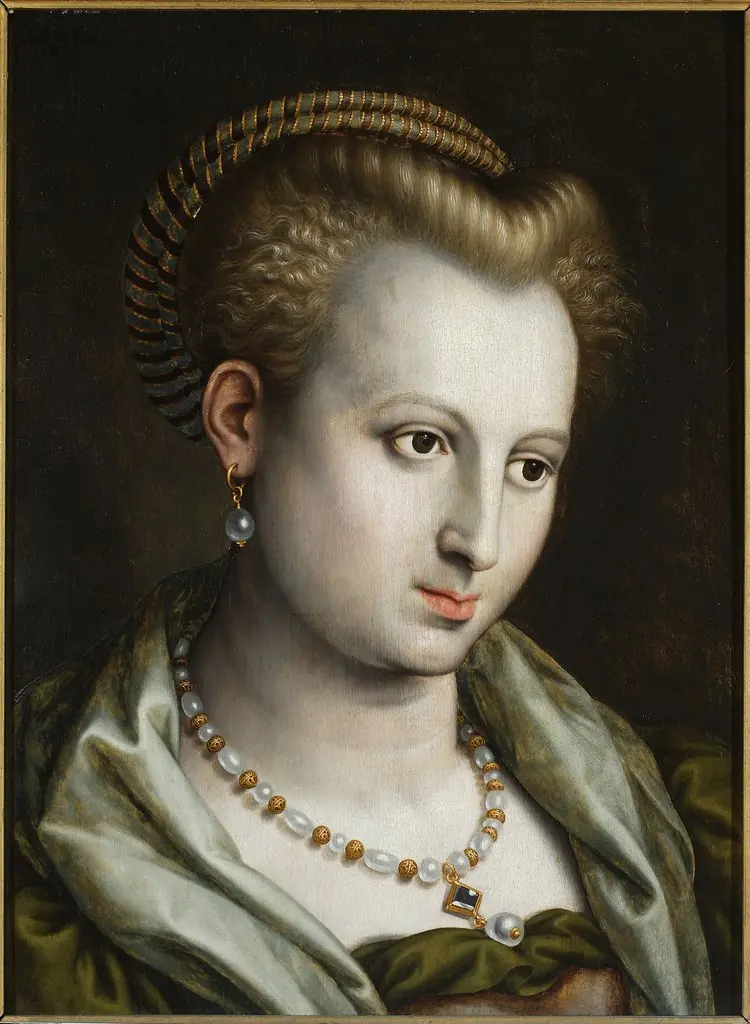
Head of a woman looking down to the right
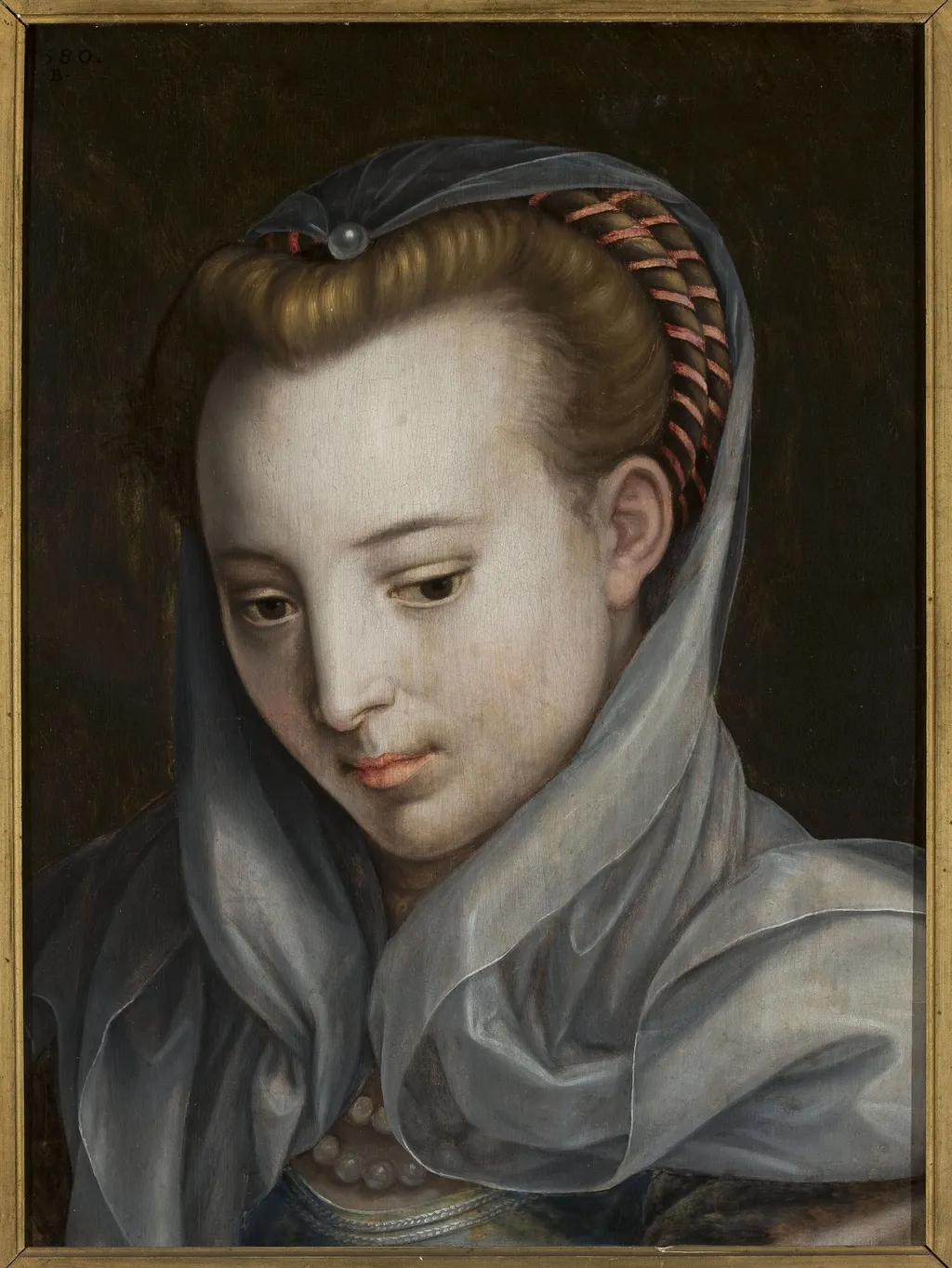
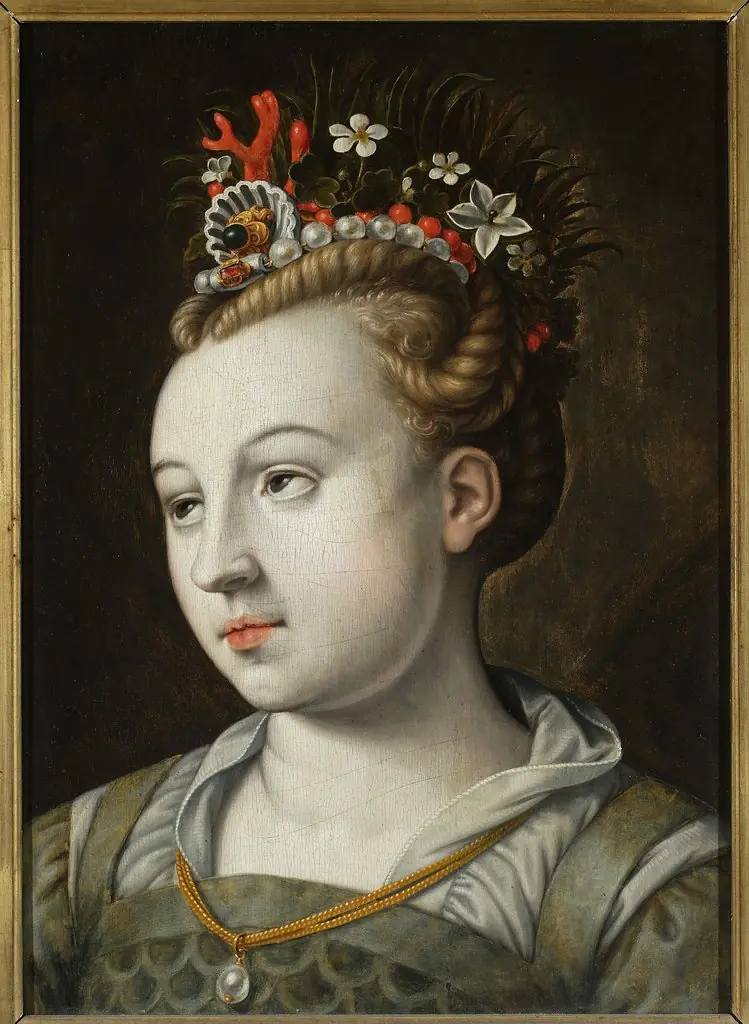
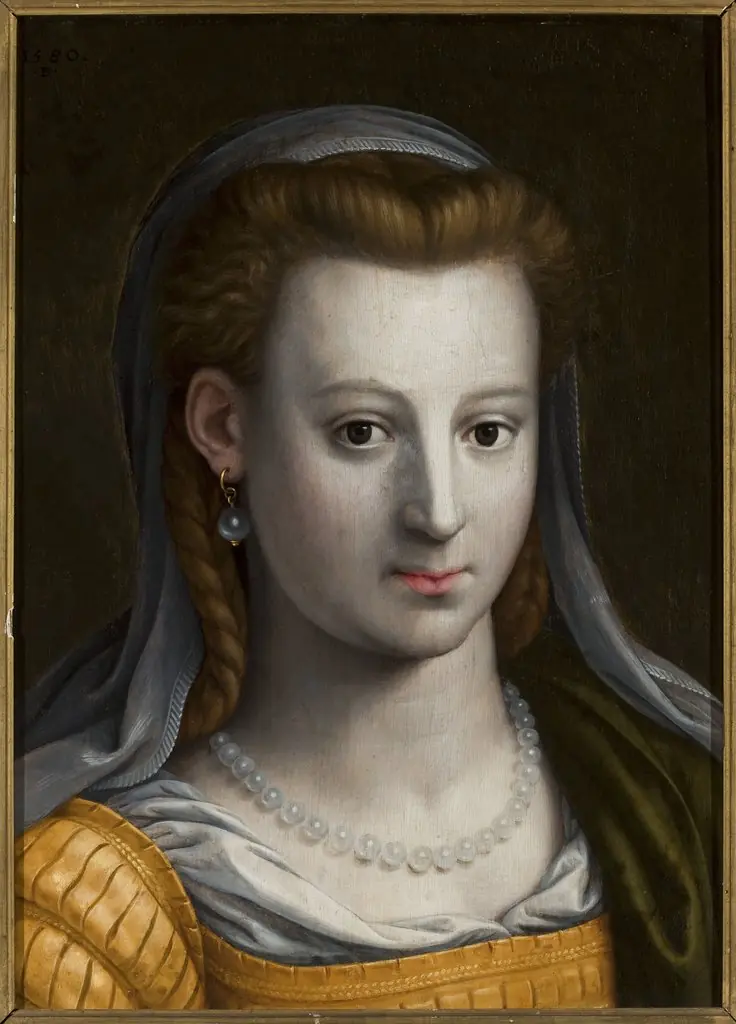
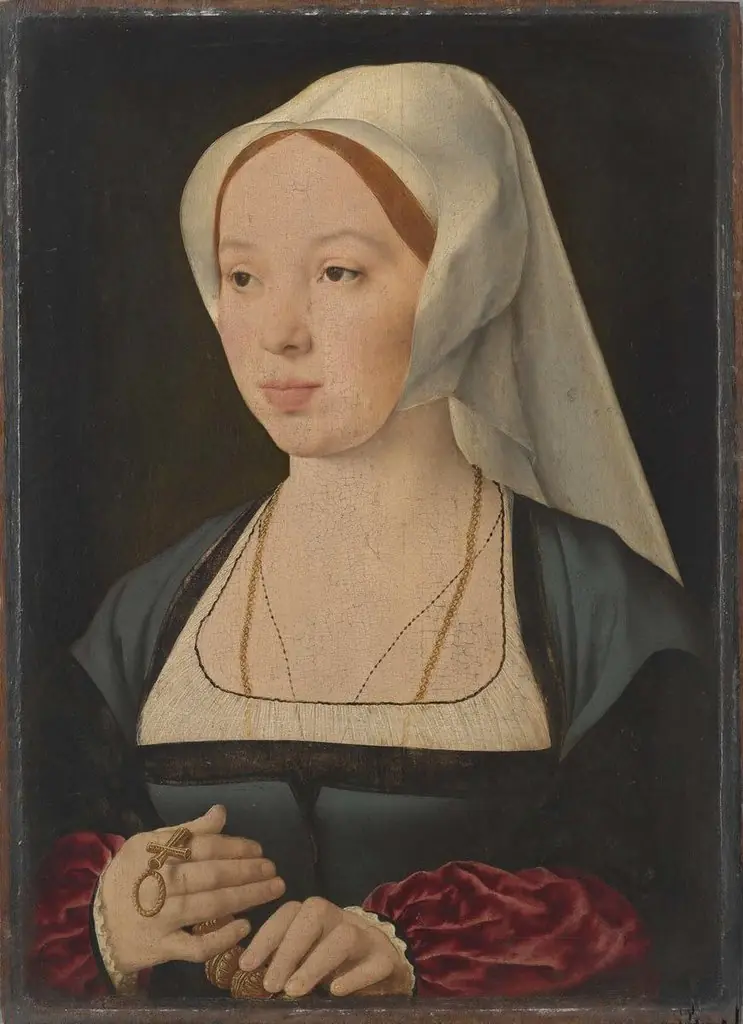
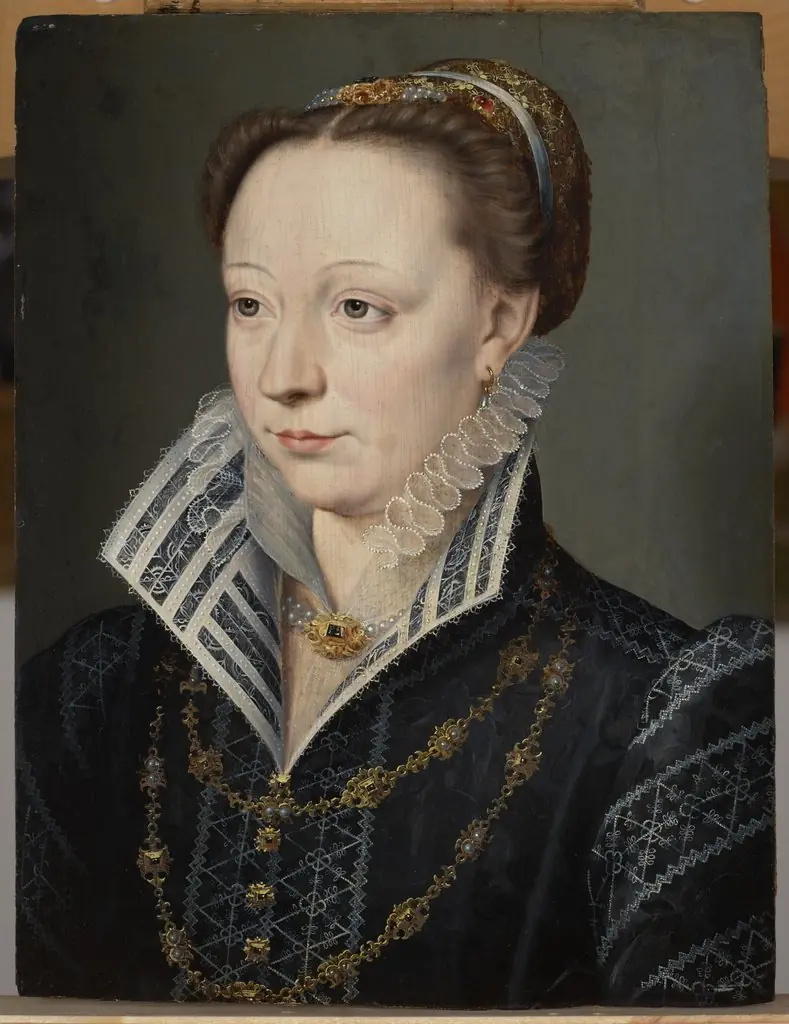
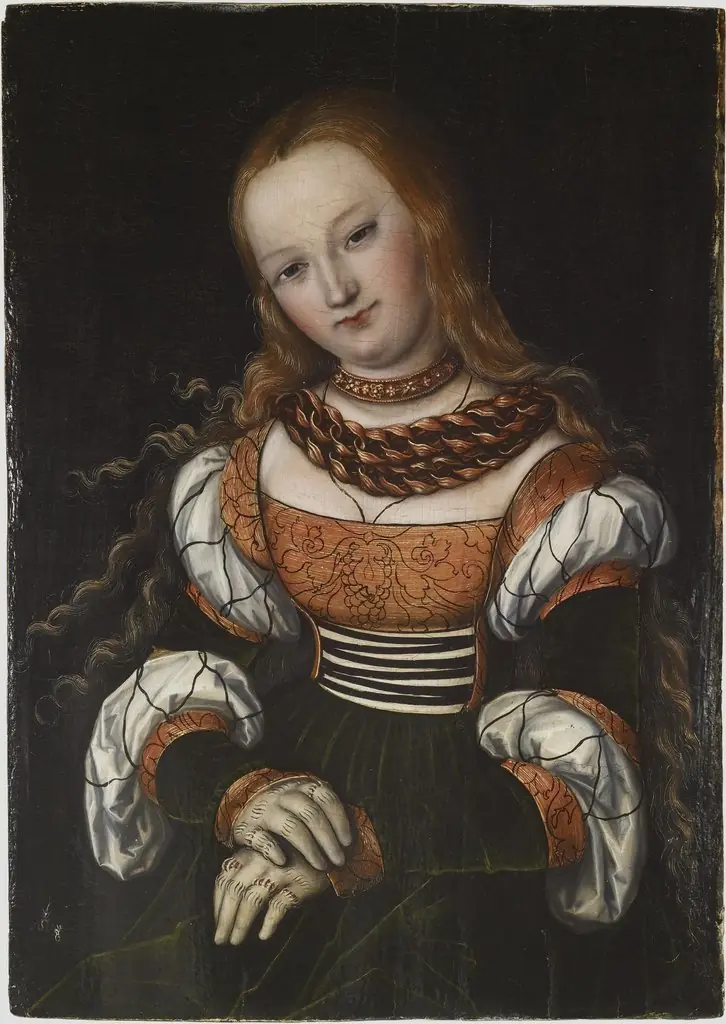
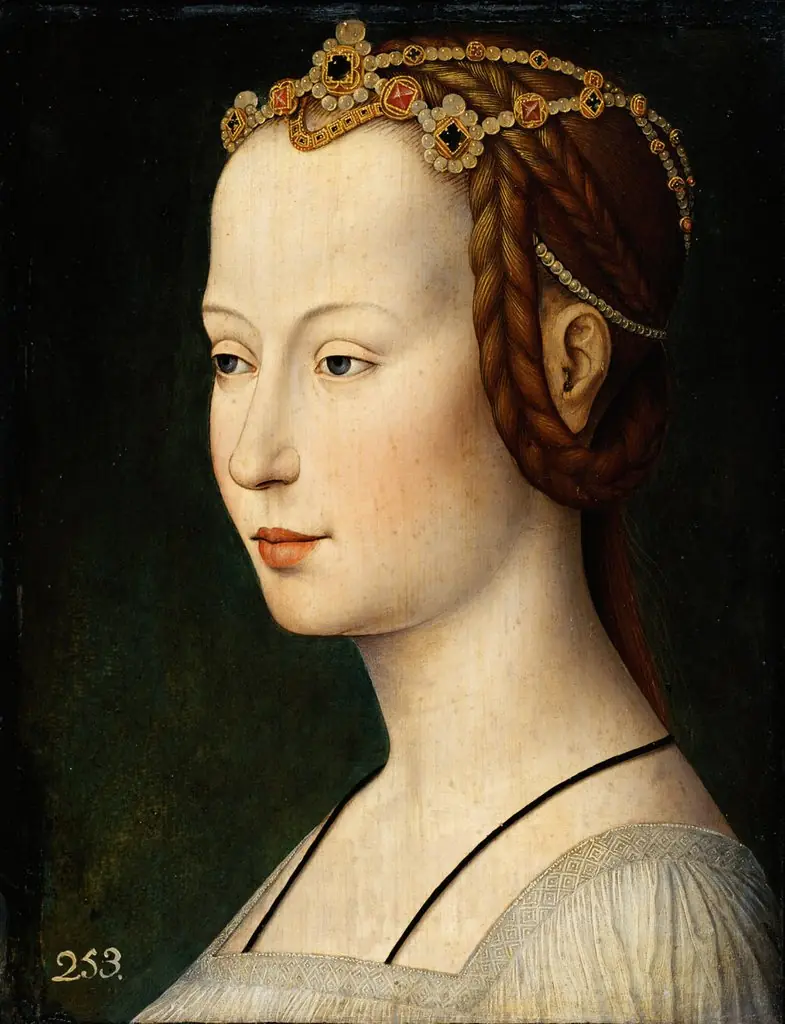
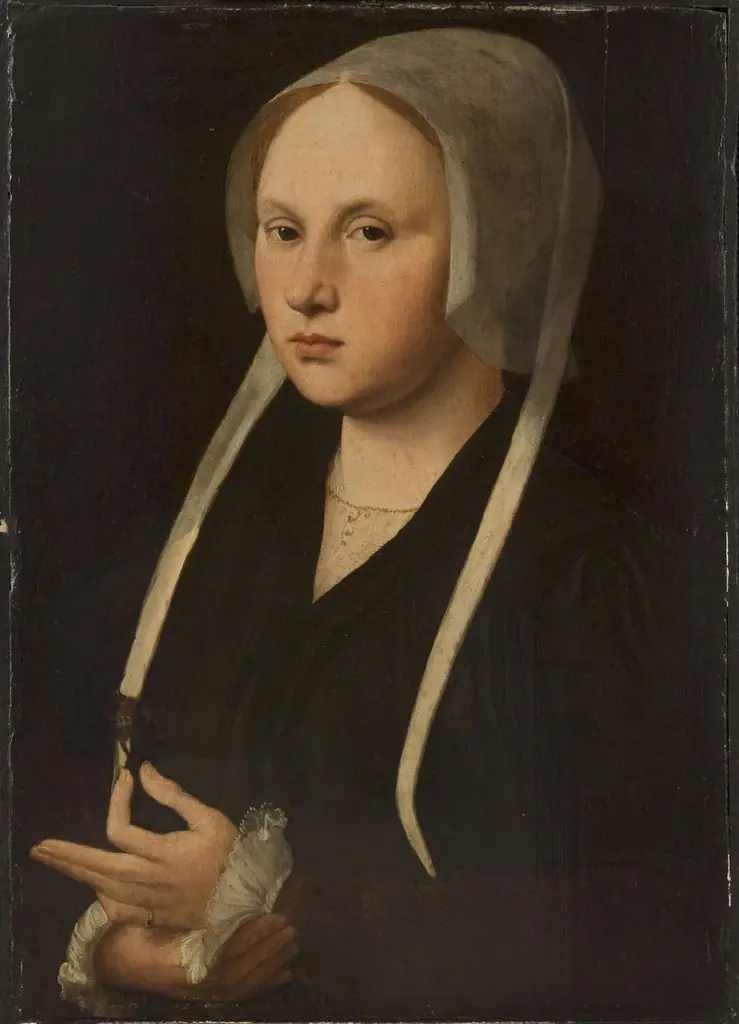
Head of a woman looking down to the right is an oil painting by the Mannerist artist Bernaert de Rijckere. It dates from 1590 and is held in the collection of the National Museum in Warsaw. This oil painting, dated to around 1590, portrays a woman’s head turned slightly downward and to the right.
About this work
Overview
The work resides in the National Museum in Warsaw, where it is recognized as a representative example of late 16th-century Northern European portraiture.
This oil painting, dated to around 1590, portrays a woman’s head turned slightly downward and to the right. Executed by the Flemish artist Bernaert de Rijckere, it is a small-scale portrait that emphasizes intimate expression over full-body narrative. The work resides in the National Museum in Warsaw, where it is recognized as a representative example of late 16th-century Northern European portraiture.
Subject & Meaning
The subject is a woman whose gaze is lowered, suggesting introspection or quiet dignity. Her attire and headwear indicate modest social standing, possibly a merchant’s wife or a member of the urban elite. The restrained elegance of her appearance, without overt symbols of status, reflects a shift toward personal, rather than heraldic, portraiture in the late Renaissance.
Technique & Style
De Rijckere employs fine brushwork to render the texture of fabric and hair with precision. The sheer veil and intricate ribbon are painted with delicate transparency, contrasting with the solid darkness of the background. The palette is muted, dominated by browns and deep reds, enhancing the tactile quality of the materials and focusing attention on the woman’s facial expression and headgear.
History & Provenance
The painting entered the collection of the National Museum in Warsaw in the early 20th century, though its earlier ownership remains undocumented. It was likely brought to Poland through private collections or diplomatic exchanges following the dispersal of Flemish artworks in the 17th and 18th centuries. Its survival in relatively intact condition is uncommon for works of this period.
Context
Created during a period of religious and political upheaval in the Low Countries, this portrait reflects the persistence of secular portraiture despite the decline of religious commissions. Artists like de Rijckere continued to produce intimate likenesses for private patrons, emphasizing individual presence over grandeur—a trend aligned with broader Northern European artistic priorities of the era.
Legacy
Though not widely exhibited outside Poland, the painting contributes to scholarly understanding of how Flemish portrait conventions evolved in the late 1500s. Its quiet realism and attention to textile detail offer insight into the visual culture of non-noble women, a subject often underrepresented in surviving artworks of the time.
Artist & collection