Artwork
Head of a woman looking ahead
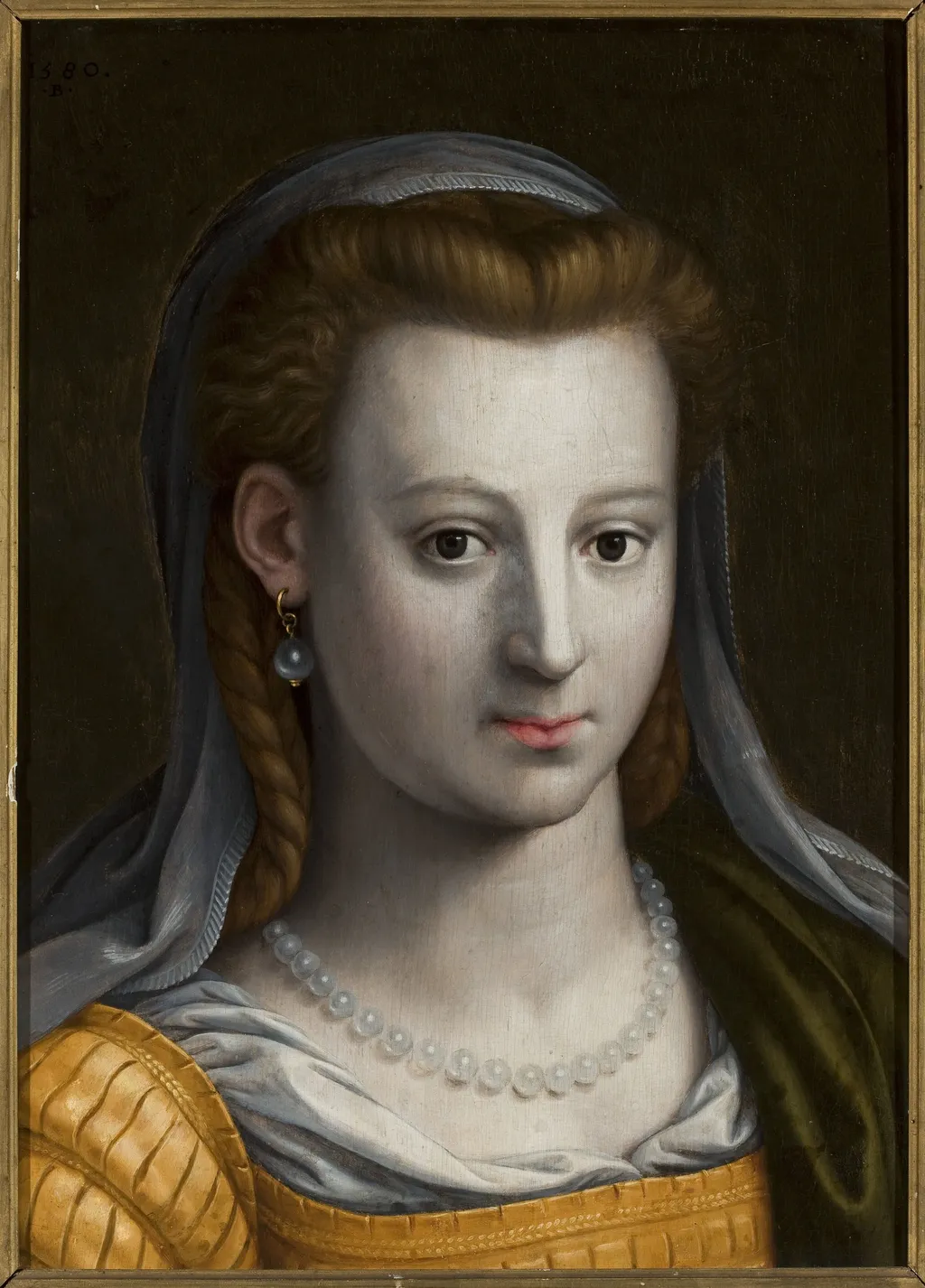
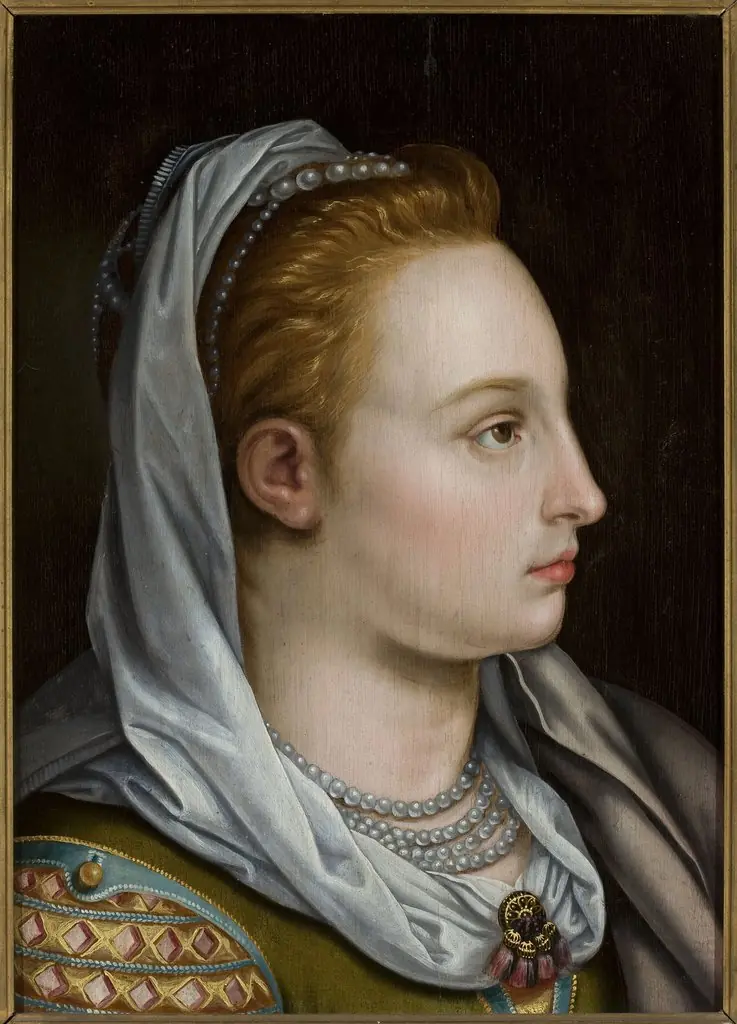
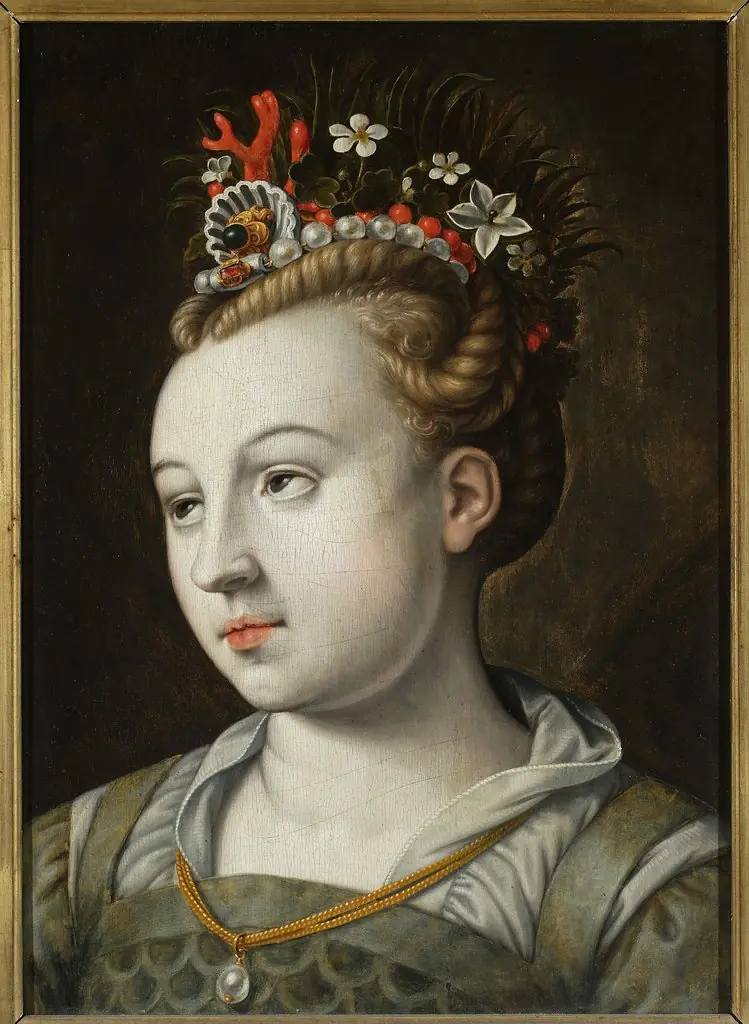
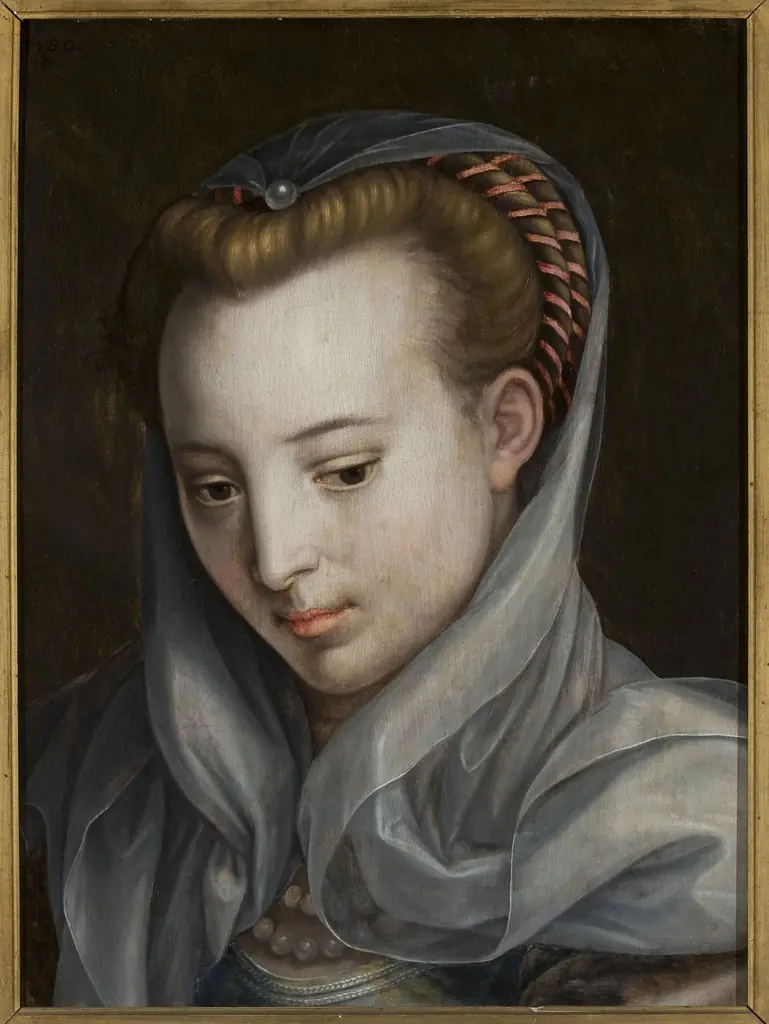
Head of a woman looking ahead is an oil painting by the Mannerist artist Bernaert de Rijckere. It dates from 1590 and is held in the collection of the National Museum in Warsaw. This oil painting, dated around 1590, depicts a woman’s head in profile view, gazing directly forward.
About this work
Overview
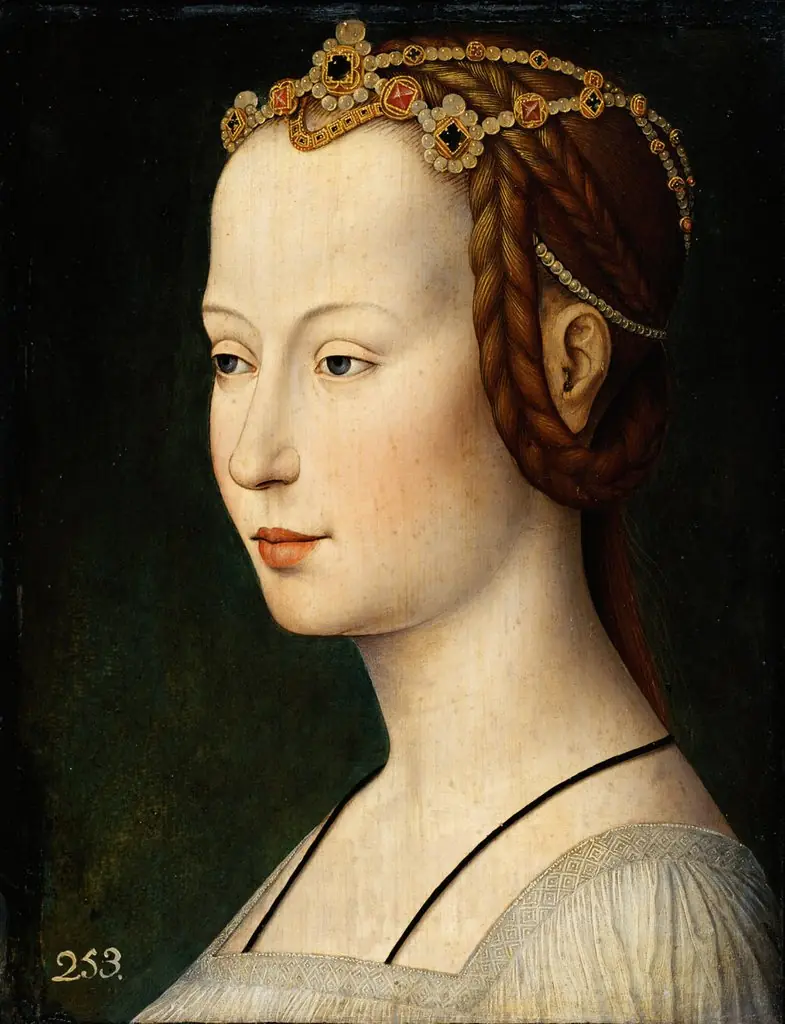
This oil painting, dated around 1590, depicts a woman’s head in profile view, gazing directly forward. Executed by the Flemish artist Bernaert de Rijckere, it is part of the collection at the National Museum in Warsaw. The work is a portrait study, emphasizing quiet presence over narrative, and reflects the refined portraiture traditions of late 16th-century Northern Europe.
Subject & Meaning
The subject is a woman of modest means, dressed in a yellow gown with a crisp white collar and a single pearl earring. A sheer white veil covers her hair, suggesting piety or domestic propriety. Her calm expression and direct gaze convey dignity and composure, typical of portraits meant to reflect inner virtue rather than social status or identity.
Technique & Style
Rijckere employs subtle tonal gradations to model the woman’s face, creating a sense of volume without overt chiaroscuro. The brushwork is precise yet unobtrusive, particularly in the rendering of the veil and the delicate sheen of the pearls. The palette is restrained, focusing on warm yellows and cool whites to enhance the quiet realism of the figure.
History & Provenance
The painting entered the National Museum in Warsaw’s collection in the 20th century, though its earlier ownership remains undocumented. It was likely produced in Flanders during Rijckere’s active years, possibly as part of a series of portrait studies. Its survival into modern times reflects its endurance as a quiet example of late Renaissance portraiture.
Context
In the late 1500s, Flanders saw a rise in intimate portrait studies, often of women, emphasizing modesty and inner character. Rijckere, trained in Antwerp, worked within this tradition, blending local realism with influences from Italian portraiture. This work aligns with contemporaneous depictions that valued restraint and psychological stillness over grandeur.
Legacy
Though not widely known outside specialist circles, the painting contributes to the understanding of Flemish portraiture beyond aristocratic commissions. It exemplifies how everyday subjects were rendered with dignity during a period of religious and political upheaval, preserving a sense of individual presence through understated technique.
Artist & collection