Artwork
Head of a woman in profile
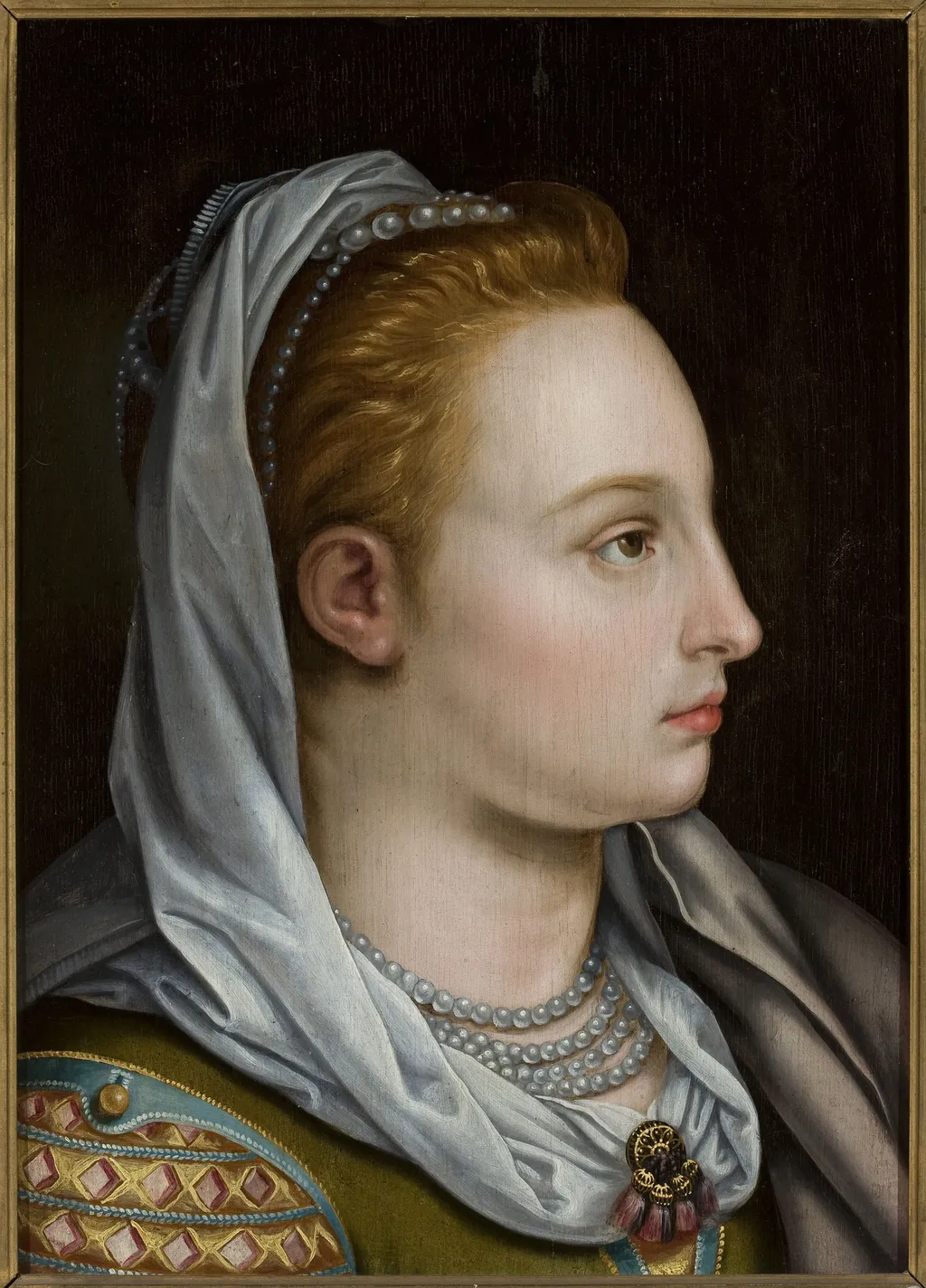
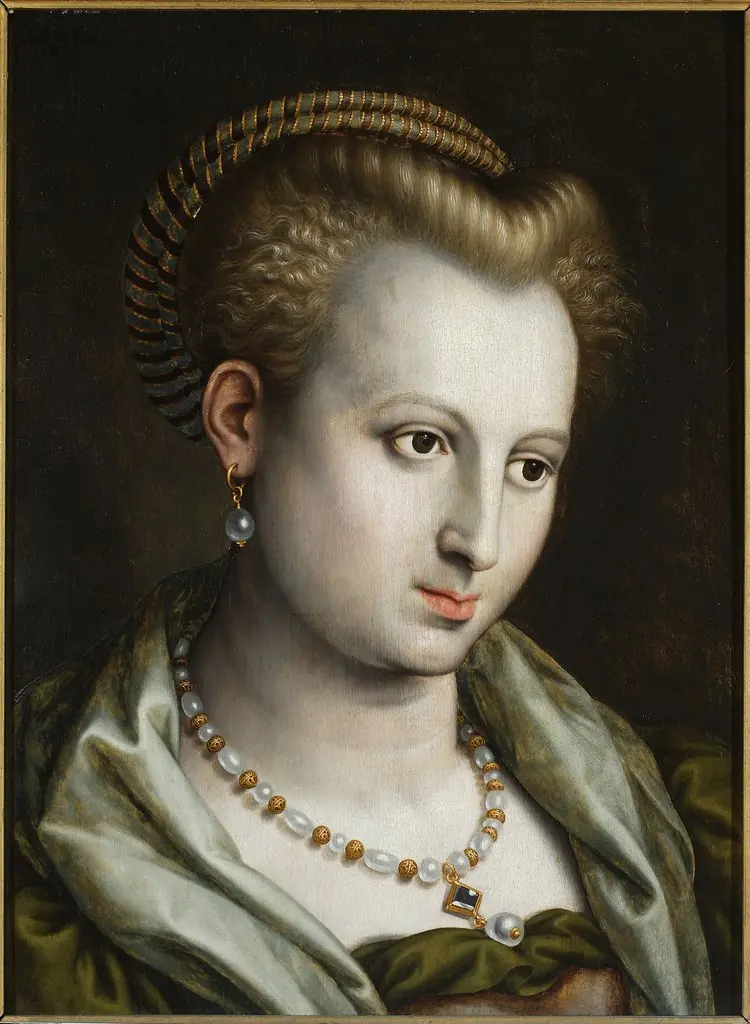
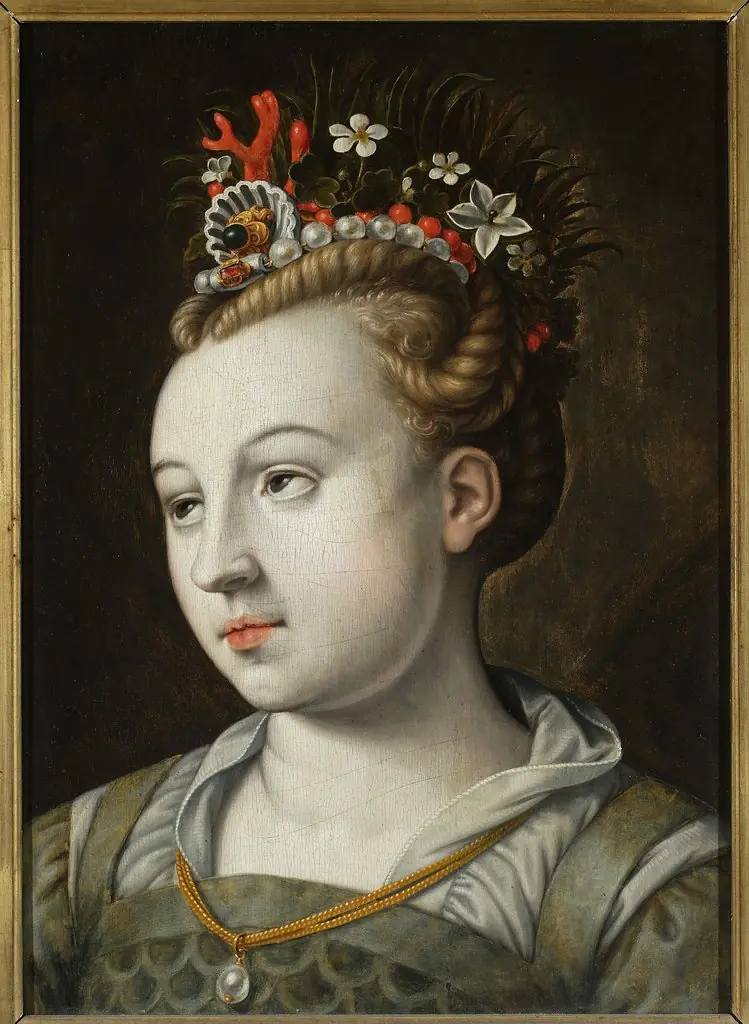
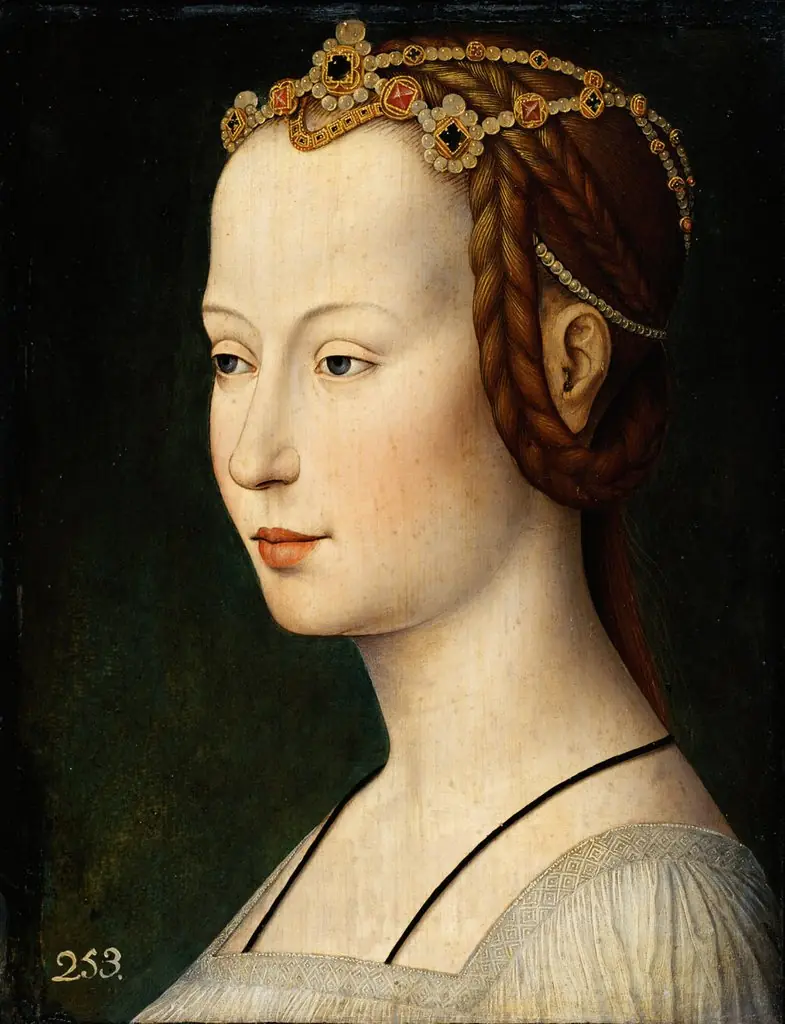
Head of a woman in profile is an oil painting by the Mannerist artist Bernaert de Rijckere. It dates from 1572 and is held in the collection of the National Museum in Warsaw. This oil painting, dated around 1572, depicts a woman’s head in strict profile, facing right.
About this work
Overview
The composition is intimate and focused, emphasizing the sitter’s facial features and adornments without a background or full-body context.
This oil painting, dated around 1572, depicts a woman’s head in strict profile, facing right. Attributed to Bernaert de Rijckere, it is part of the collection at the National Museum in Warsaw. The composition is intimate and focused, emphasizing the sitter’s facial features and adornments without a background or full-body context. The restrained framing invites close attention to detail and material expression.
Subject & Meaning
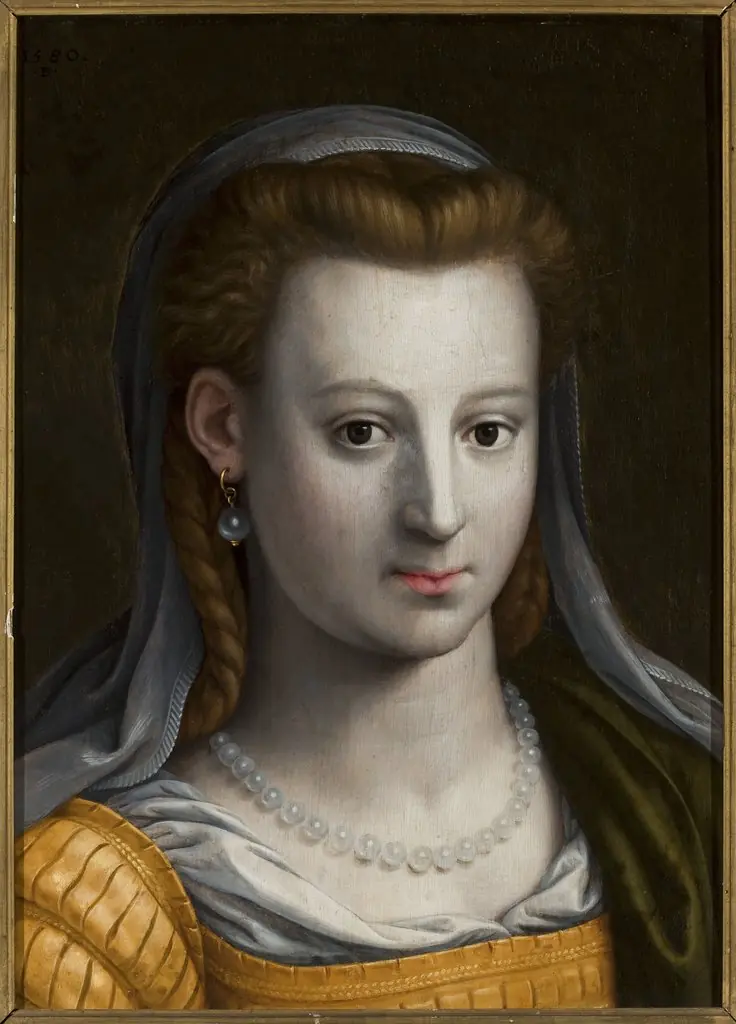
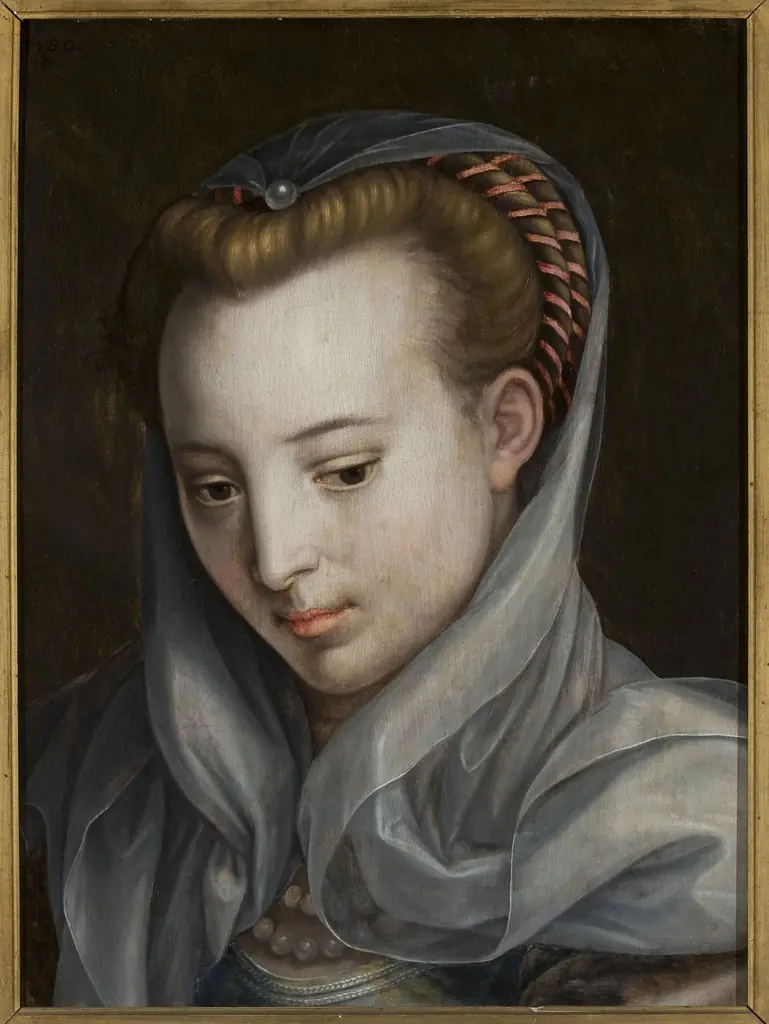
The woman’s poised profile and refined attire suggest she belonged to a wealthy or noble class. Her covered hair, pearl necklaces, and elaborately patterned dress reflect contemporary ideals of modesty and status. The absence of identifiable symbols or attributes leaves her identity anonymous, yet her presentation conveys dignity and social standing through visual cues of affluence rather than heraldry or occupation.
Technique & Style
Rijckere employs fine brushwork to render textures: the translucence of the veil, the sheen of pearls, and the metallic threads in the dress. The palette is muted yet precise, with pale skin contrasting against rich greens and golds. The profile view, common in Northern Renaissance portraiture, emphasizes clarity of form and subtle modeling, avoiding dramatic lighting in favor of even illumination.
History & Provenance
The painting entered the National Museum in Warsaw’s collection in the 20th century, though its earlier ownership remains undocumented. It likely originated in the Southern Netherlands, where Rijckere was active. No records confirm its commission or early display, but its quality suggests it was created for private patronage rather than public display.
Context
Created during the late 16th century, this portrait reflects the persistence of Northern European portraiture traditions amid religious upheaval. While iconoclasm diminished religious imagery, secular portraits of the elite flourished. The emphasis on textile detail and personal adornment aligns with trends in Antwerp and Bruges, where artists catered to merchant and aristocratic patrons seeking refined, understated likenesses.
Legacy
Though not widely reproduced or studied, the work exemplifies the quiet precision of Flemish portrait painting of the period. It contributes to understanding how status was communicated through clothing and accessory rather than gesture or setting. Its survival offers insight into the visual culture of a time when personal identity was often expressed through material elegance.
Artist & collection