Artwork
Acanthus mollis
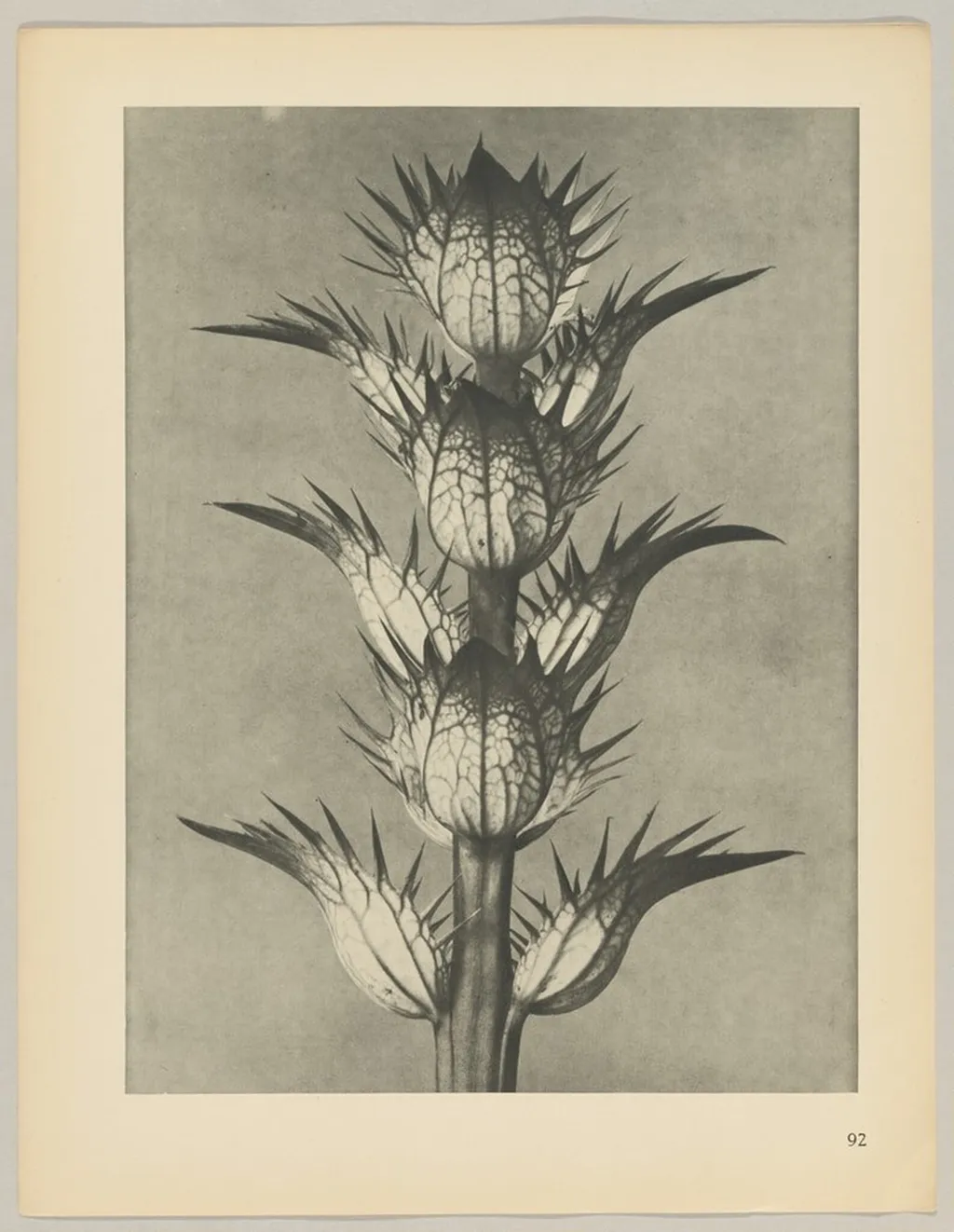
Acanthus mollis is a print by Karl Blossfeldt. It dates from 1928 and is held in the collection of the National Gallery of Art.
About this work
Overview
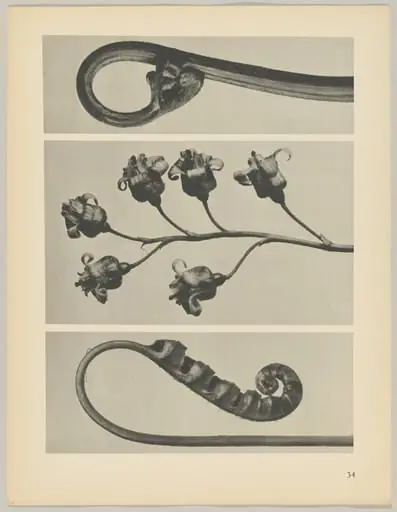
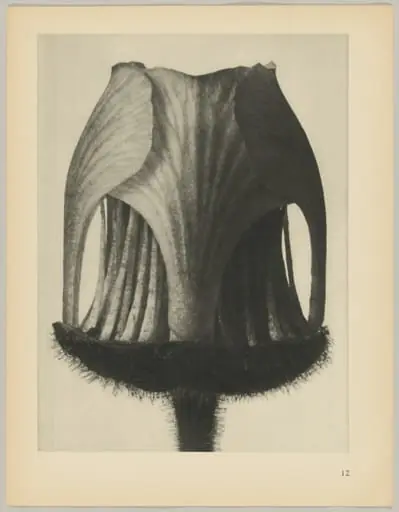
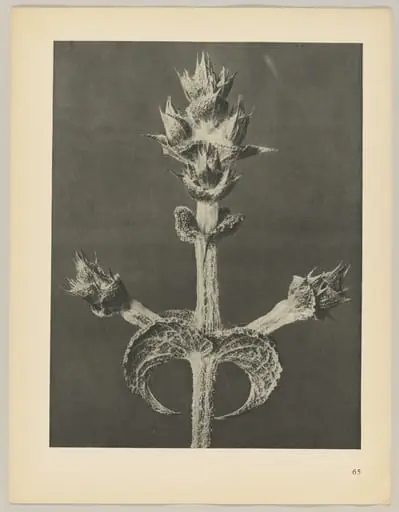
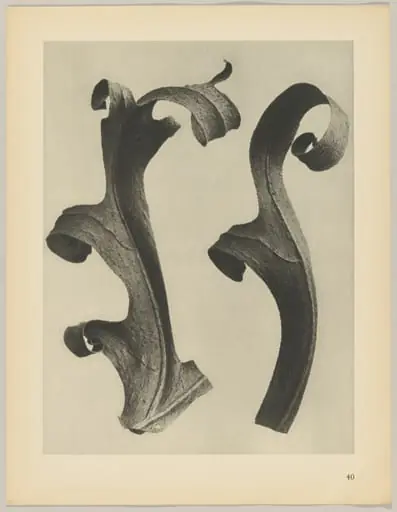
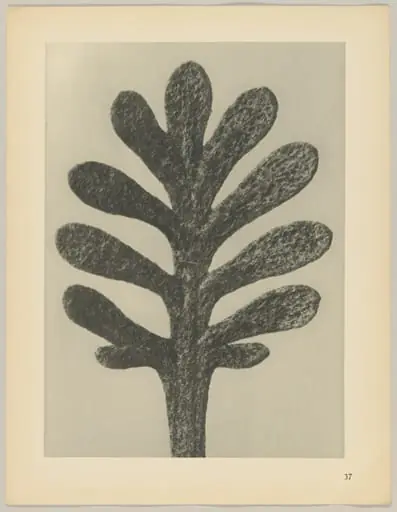
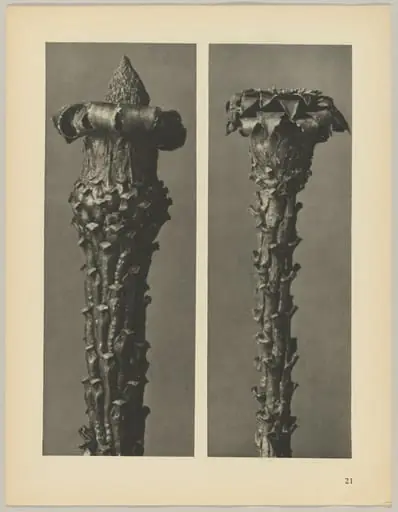
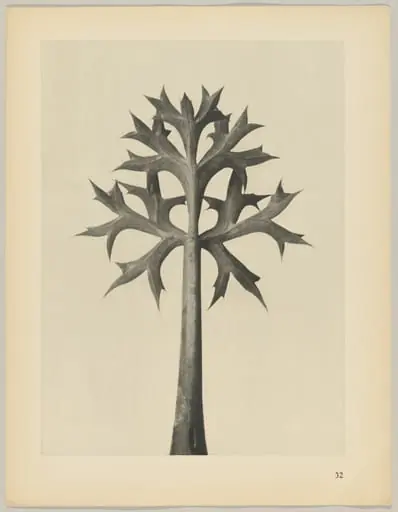
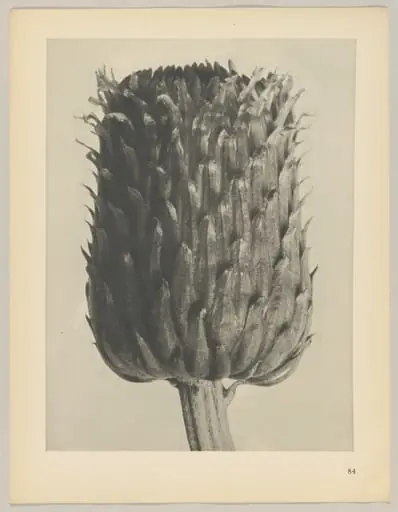
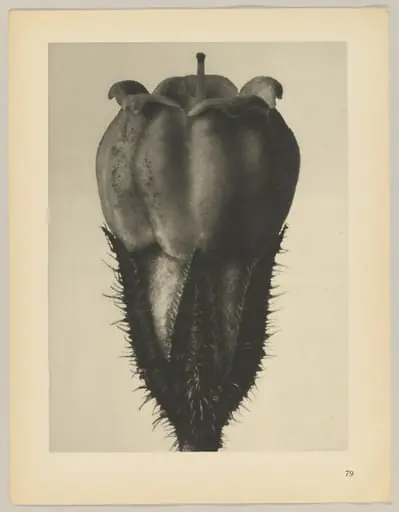
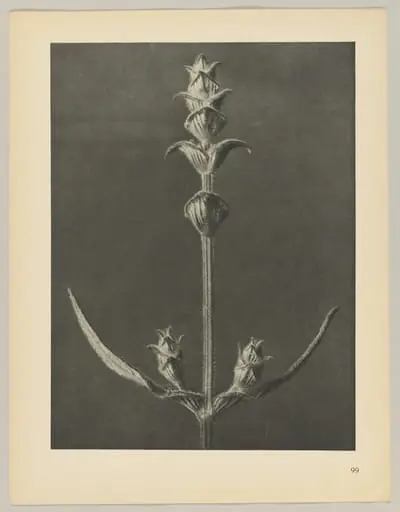
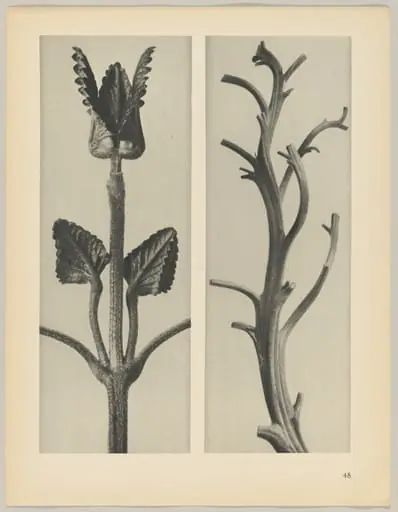
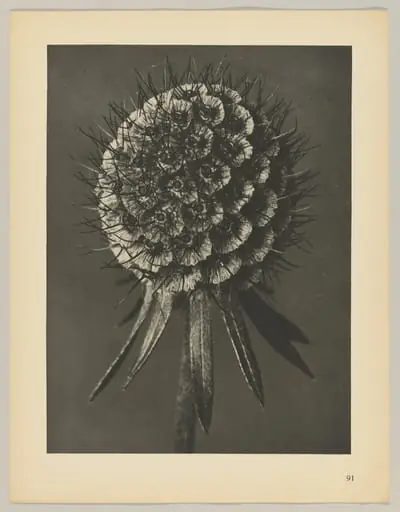
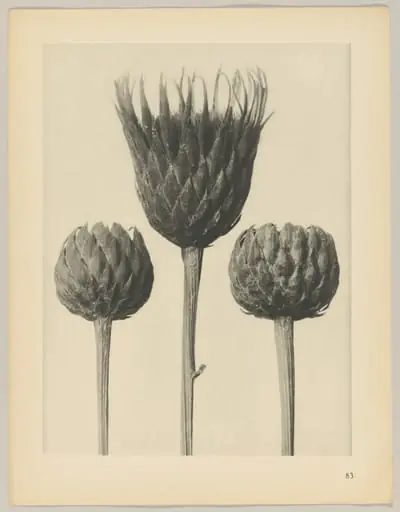
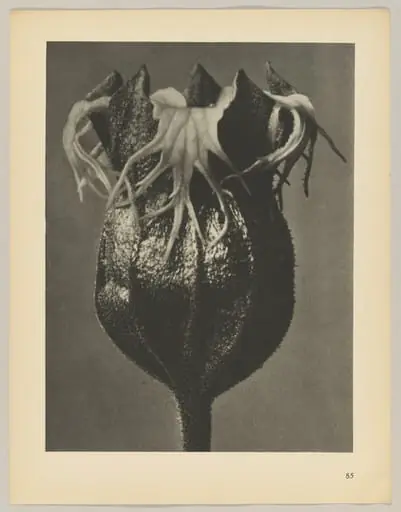
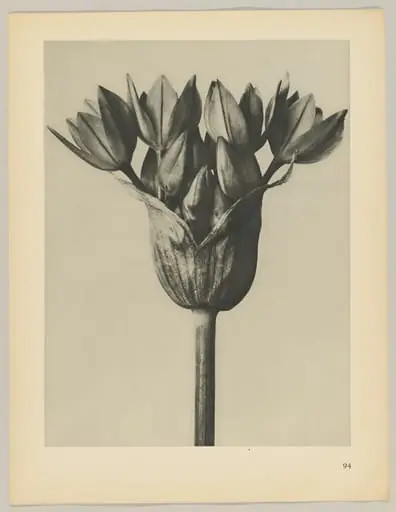
Created in 1928, *Acanthus mollis* is a photogravure by German artist Karl Blossfeldt, capturing a detailed view of the acanthus plant.
Created in 1928, *Acanthus mollis* is a photogravure by German artist Karl Blossfeldt, capturing a detailed view of the acanthus plant. Blossfeldt, trained as a sculptor and later a photographer, used the photogravure process to translate botanical forms into high-contrast black-and-white prints. This work is part of a broader series documenting plant structures with scientific precision and aesthetic clarity.
Subject & Meaning
The image focuses on the spiky, radiating leaves and central stem of *Acanthus mollis*, a Mediterranean perennial known for its architectural form. Blossfeldt isolates the plant against a neutral background, removing contextual cues to emphasize its inherent structure. The composition invites contemplation of natural geometry, suggesting that plant morphology contains its own intrinsic order and design.
Technique & Style
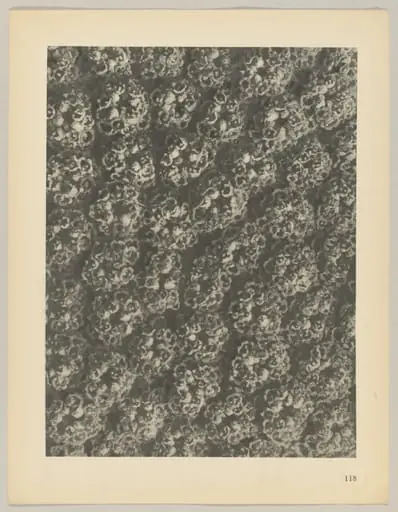
Photogravure, an intaglio printing method, allowed Blossfeldt to achieve subtle tonal gradations and fine detail. By manipulating light and shadow, he rendered the plant’s surface with pronounced three-dimensionality. The technique accentuates textures—ridges, veins, and spines—while the stark contrast between light and dark enhances the sense of volume, aligning with principles of chiaroscuro without overt artistic embellishment.
History & Provenance
The print was produced in 1928 and later included in Blossfeldt’s 1929 book *Urformen der Kunst* (Art Forms in Nature), which compiled over 200 of his botanical photographs. The book gained attention in artistic and design circles for its fusion of scientific observation and visual abstraction. Original prints from this series are held in museum collections, including the Museum of Modern Art and the Victoria and Albert Museum.
Context
Blossfeldt’s work emerged during a period when industrial design and modernist aesthetics were redefining artistic practice. His photographs, taken with custom-built cameras, were used as teaching tools at the Berlin School of Arts and Crafts. By revealing the latent patterns in plants, he offered designers new visual vocabularies rooted in nature, countering purely mechanistic approaches to form.
Legacy
Blossfeldt’s *Acanthus mollis* and related images influenced generations of photographers, designers, and architects who sought inspiration in organic structure. His method of isolating natural forms against plain backgrounds became a template for botanical documentation and modernist visual analysis. Though rooted in early 20th-century pedagogy, his work continues to inform contemporary discussions on nature, representation, and abstraction.
Artist & collection
Artist
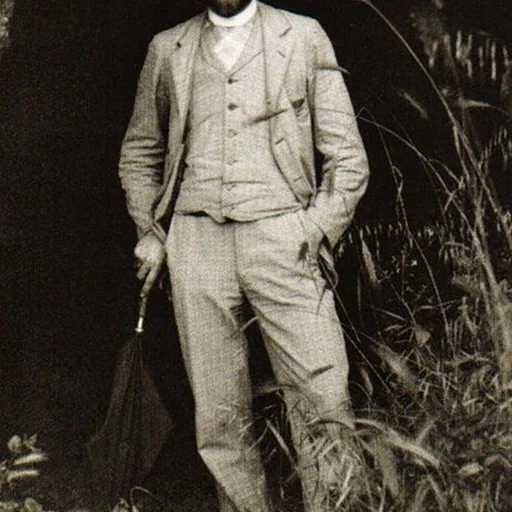
Karl Blossfeldt (13 June 1865 – 9 December 1932) was a German photographer and sculptor.