Artwork
Herons
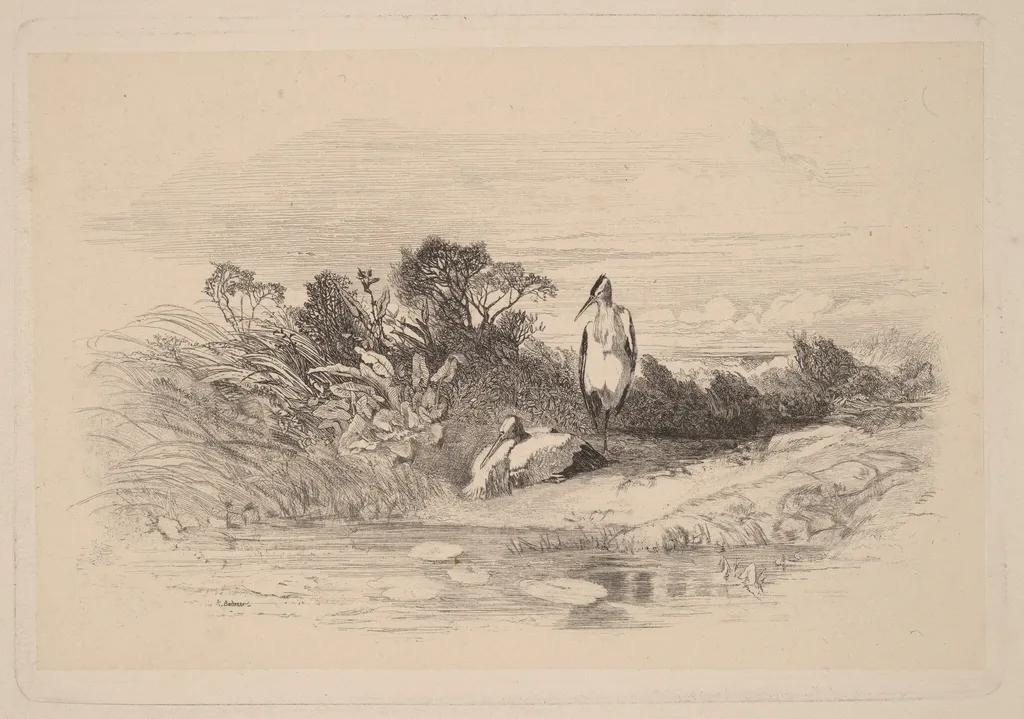
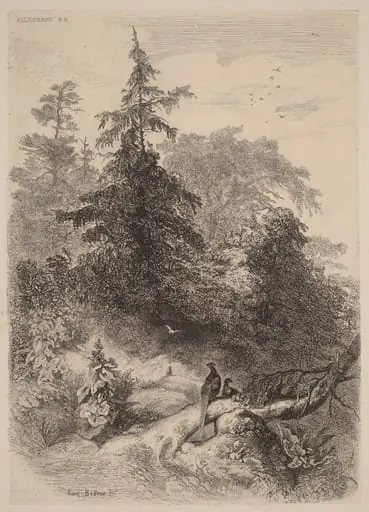
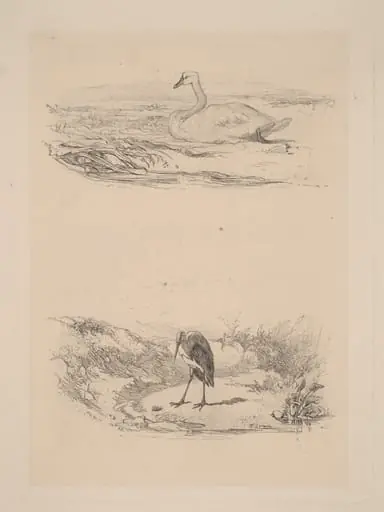
Herons is an ink print by the Romanticist artist Karl Bodmer. It dates from 1851 and is held in the collection of the National Gallery of Art.
About this work
Overview
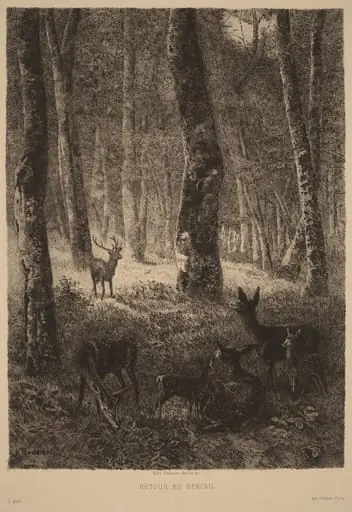
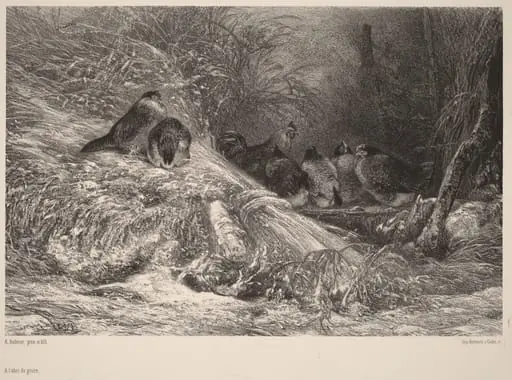
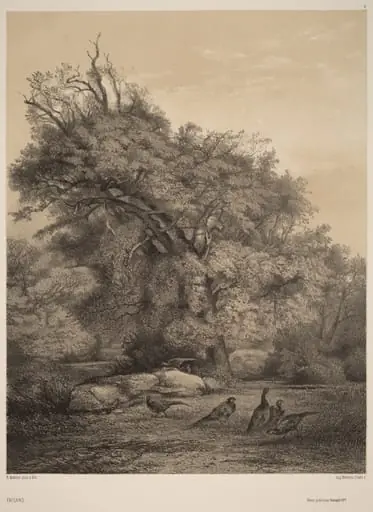
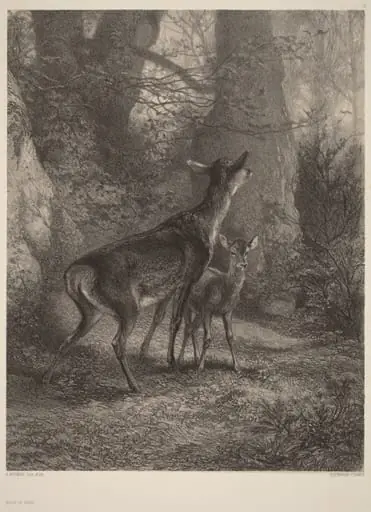
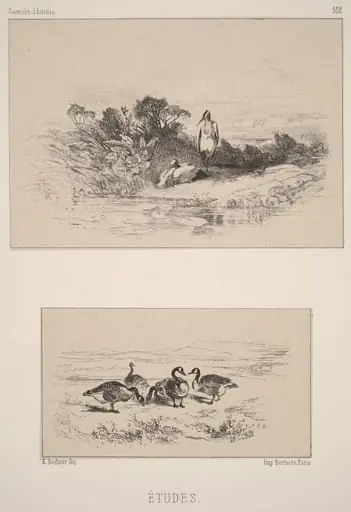
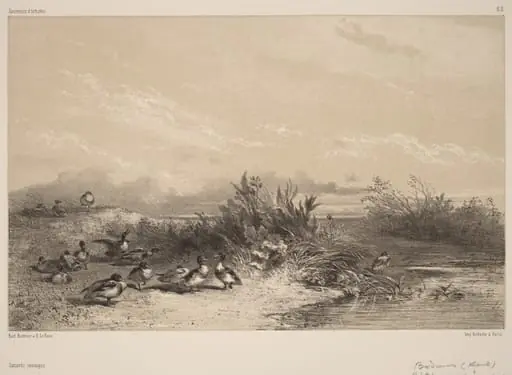
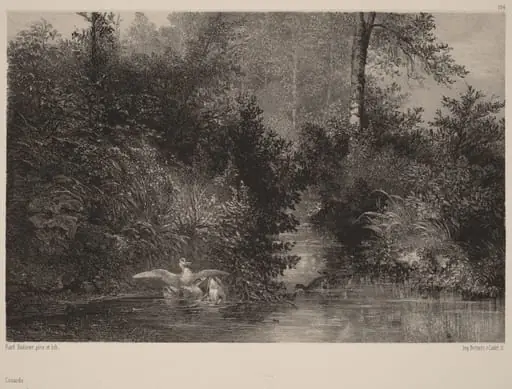
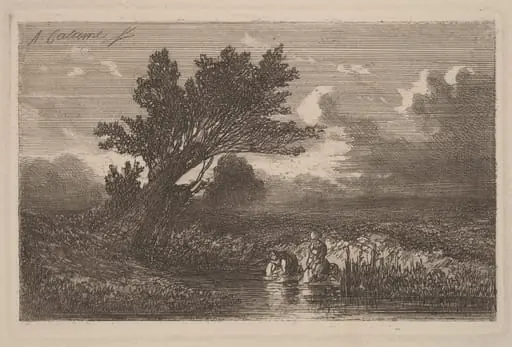
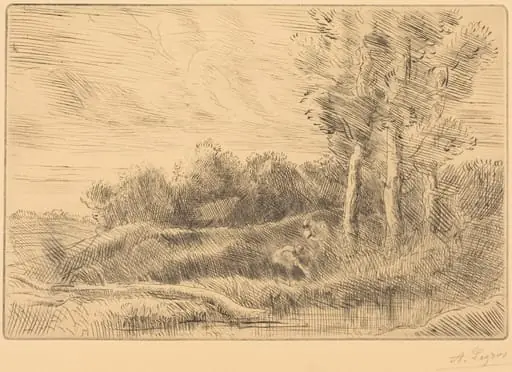
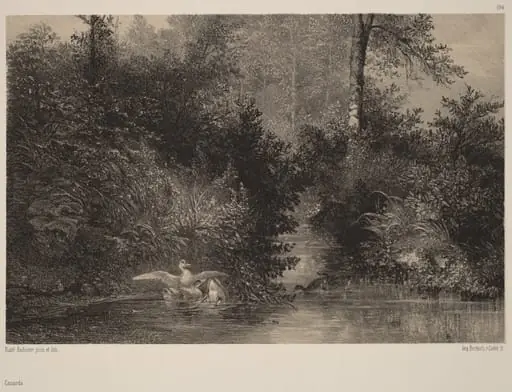
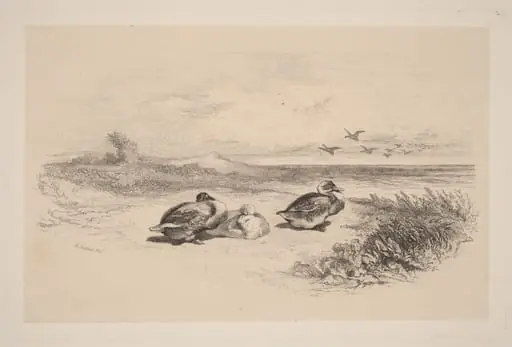
Created in 1851, *Herons* is an etching by Karl Bodmer, a Swiss‑French artist noted for his work in various print media. The composition presents three herons by a water’s edge, rendered with fine, dark lines that emphasize the tranquil atmosphere of the scene.
Subject & Meaning
The print captures a quiet moment in nature: a solitary heron stands on a grassy bank while two others wade among reeds. The birds appear poised and still, reflecting the Romantic interest in serene, contemplative landscapes where wildlife embodies calm and subtle narrative.
Technique & Style
Executed with the traditional etching process, Bodmer employed precise line work to delineate feathers, foliage, and distant trees. The delicate gradations of tone and the careful rendering of texture are characteristic of his meticulous approach to printmaking, aligning with the detailed naturalism favored in mid‑nineteenth‑century illustration.
History & Provenance
Bodmer, active in the early to mid‑1800s, produced *Herons* during a period when he was documenting European riverine environments. While specific ownership records are limited, the work forms part of his broader oeuvre that includes watercolors, lithographs, and engravings documenting natural scenes.
Context
The image reflects the Romantic era’s fascination with the sublime and the peaceful aspects of the natural world. By focusing on ordinary wildlife in a composed setting, Bodmer contributes to a visual tradition that valued observation and emotional resonance over grand historical narratives.
Artist & collection
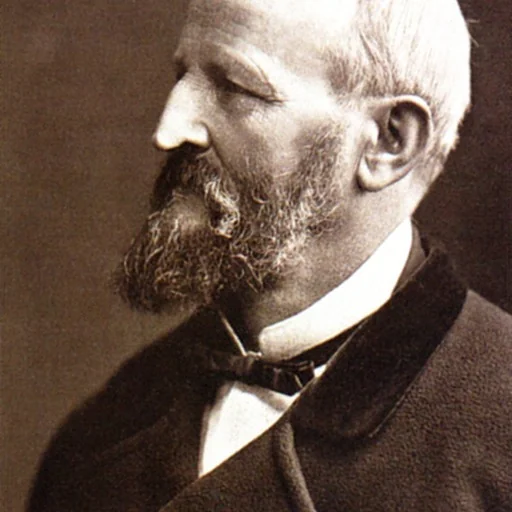
Artist
Johann Carl Bodmer (11 February 1809 – 30 October 1893) was a Swiss-French printmaker, etcher, lithographer, zinc engraver, draughtsman, painter, illustrator, and hunter.