Artwork
Intempestivis impendere...
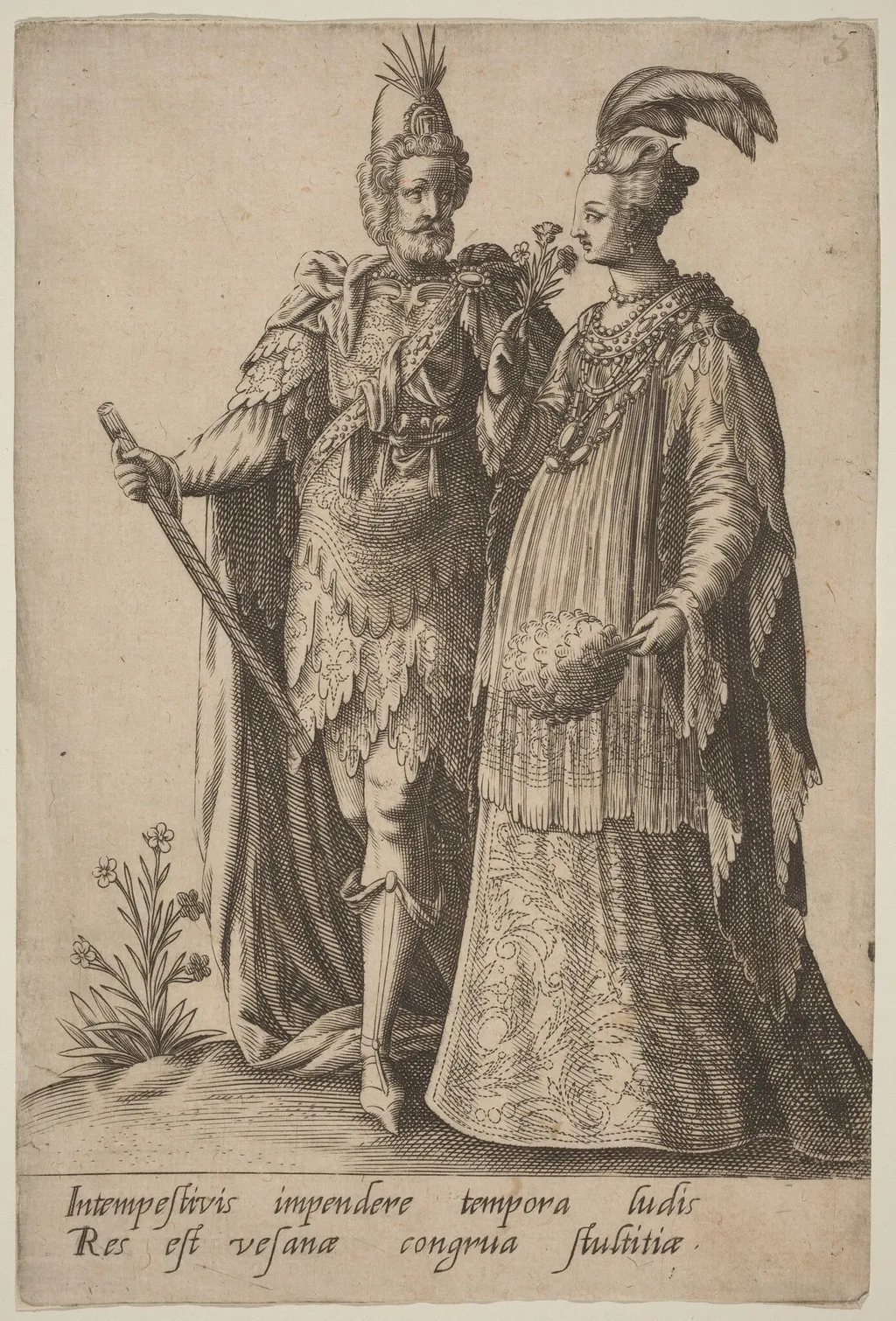
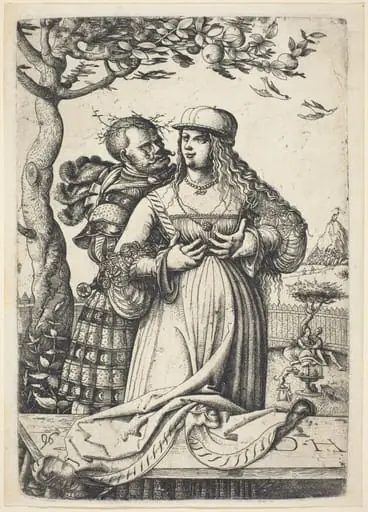
Intempestivis impendere... is an ink print by the Renaissance artist Robert Boissard. It dates from 1597 and is held in the collection of the National Gallery of Art.
About this work
Overview
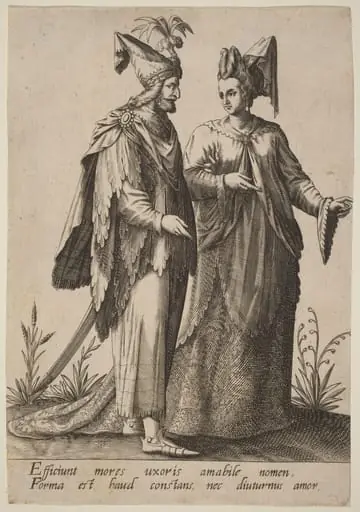
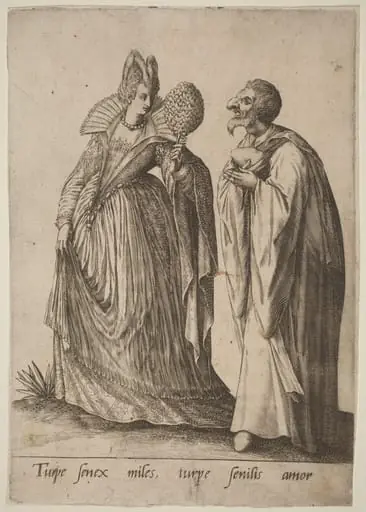
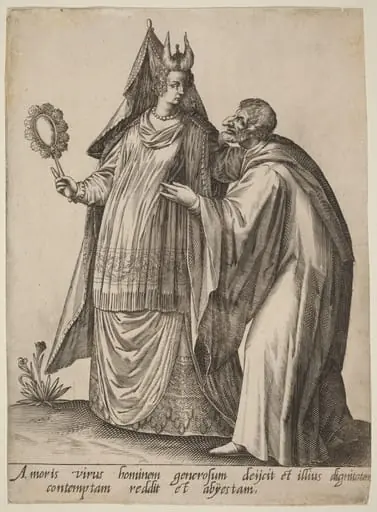
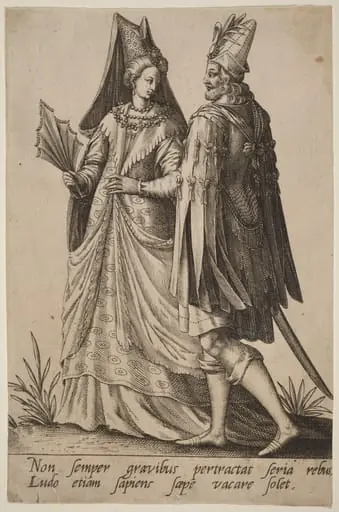
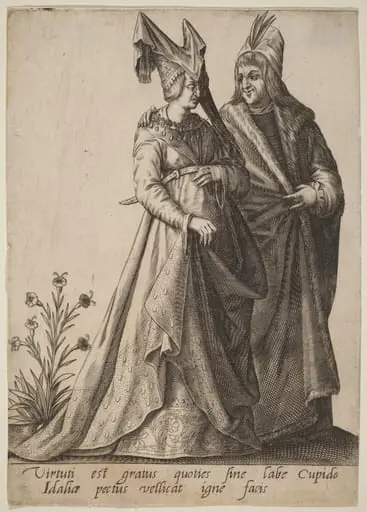
Robert Boissard’s 1597 engraving, titled *Intempestivis impendere…*, presents a compact scene of two figures standing in close proximity. The male figure is bearded, clad in elaborately patterned armor and a feathered helmet, while the female figure wears a voluminous, ornamented gown and a feather‑adorned hat. Both hold flowers—a bouquet in the woman’s hands and a single stem in the man’s.
Subject & Meaning
The composition suggests a formal or allegorical encounter, with the exchange of flowers hinting at courtship or a ceremonial gesture. The solemn expressions and detailed attire convey a sense of gravitas, implying that the figures represent specific social roles or mythological characters rather than a casual moment.
Technique & Style
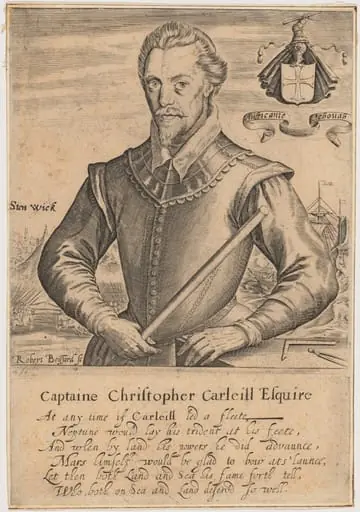
Executed as an engraving, the work relies on fine incised lines to render the intricate armor relief, the textured fabric of the dress, and the delicate feathering of the headgear. Boissard’s handling of line weight creates contrast between the heavy, patterned armor and the lighter, flowing garments, emphasizing depth and materiality.
History & Provenance
Created in the late sixteenth century, the print reflects the period’s interest in detailed portraiture and allegorical subjects. While specific ownership records are scarce, the work is documented among Boissard’s surviving prints, indicating its circulation among collectors of engraved portraiture during the early modern era.
Context
The engraving emerges from a time when prints served both decorative and didactic purposes, often disseminating ideals of chivalry and courtly behavior. Boissard’s attention to heraldic detail aligns with contemporary trends in representing noble attire and armor in printed media.
Legacy
*Intempestivis impendere…* remains a representative example of late Renaissance engraving, illustrating the medium’s capacity for precise line work and narrative composition. It continues to be referenced in studies of early modern printmaking and the visual language of courtly representation.
Artist & collection