Artwork
Virtui est gratus quoties...
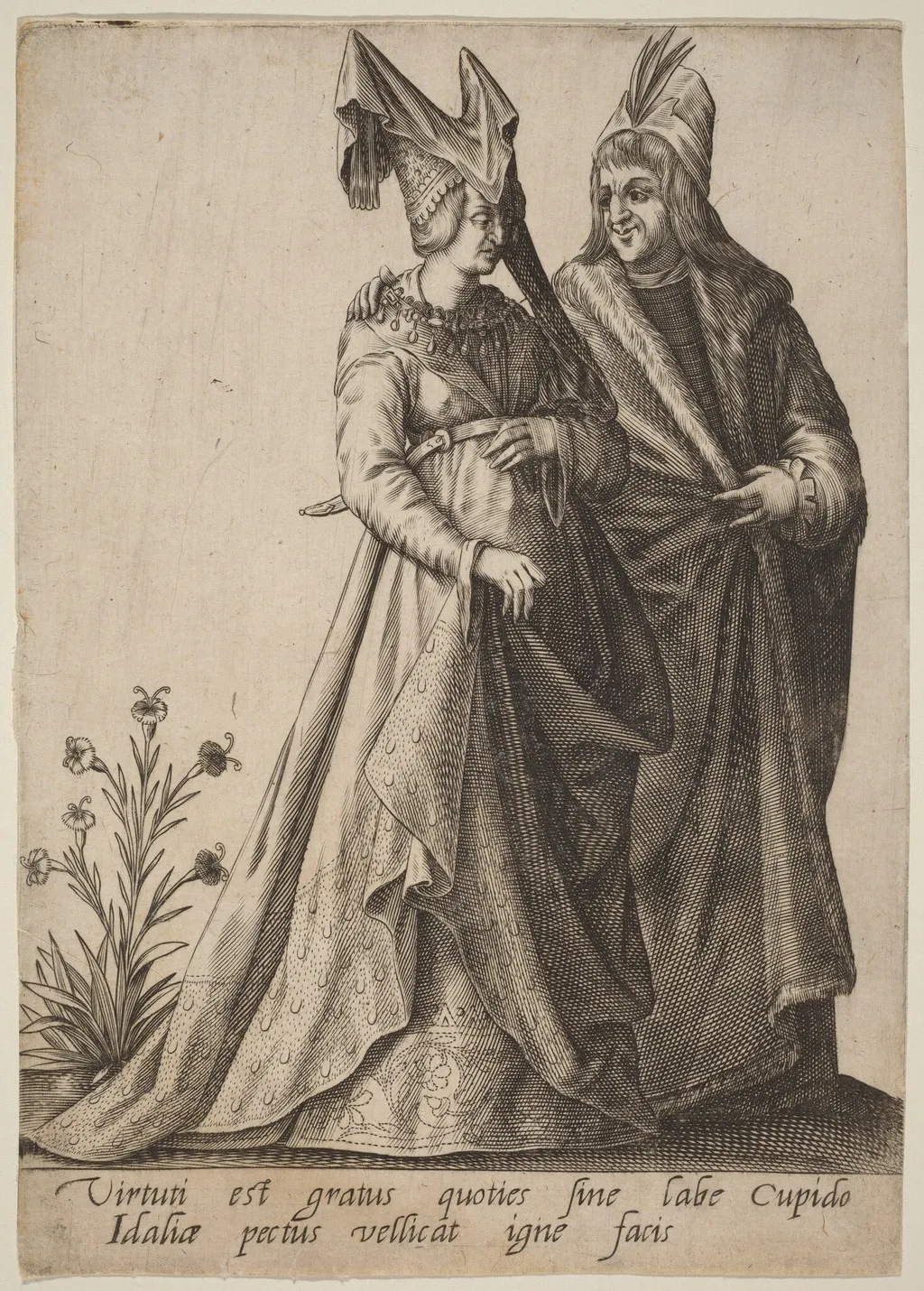
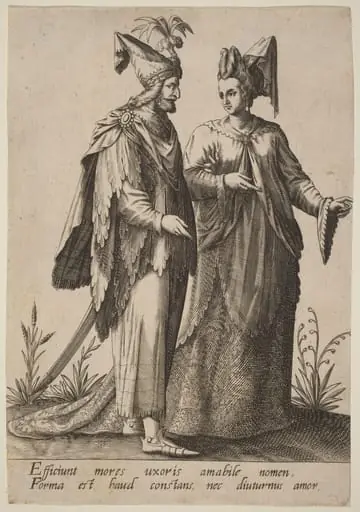
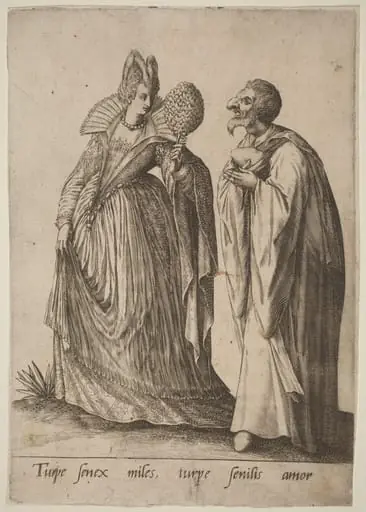
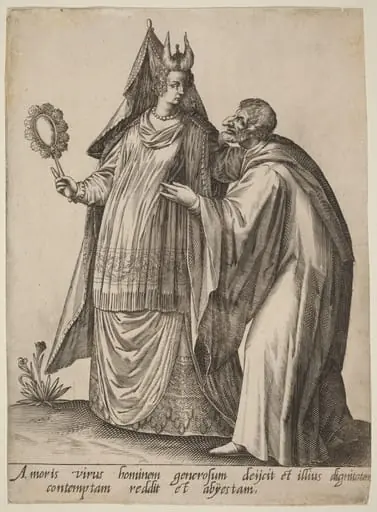
Virtui est gratus quoties... is an ink print by the Renaissance artist Robert Boissard. It dates from 1597 and is held in the collection of the National Gallery of Art.
About this work
Overview
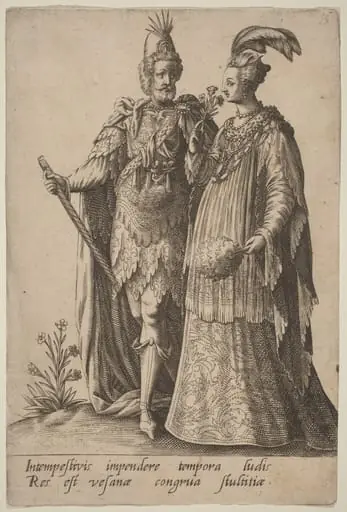
Their solemn expressions are set against a modest backdrop that includes a small flowering plant.
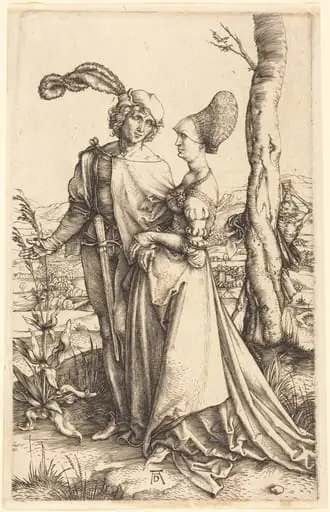
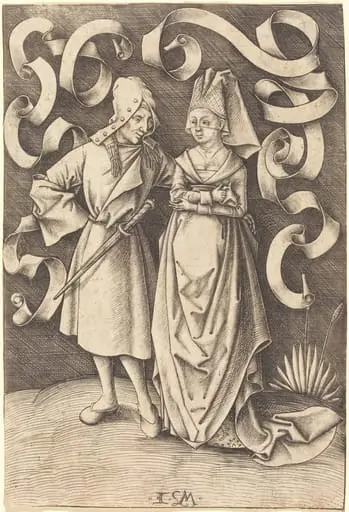
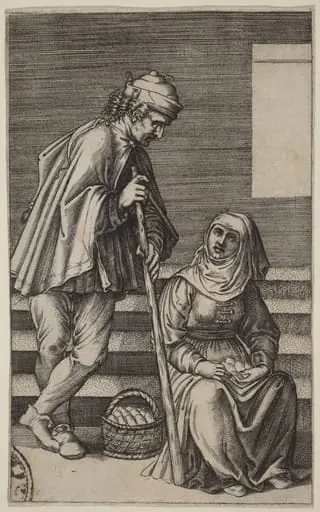
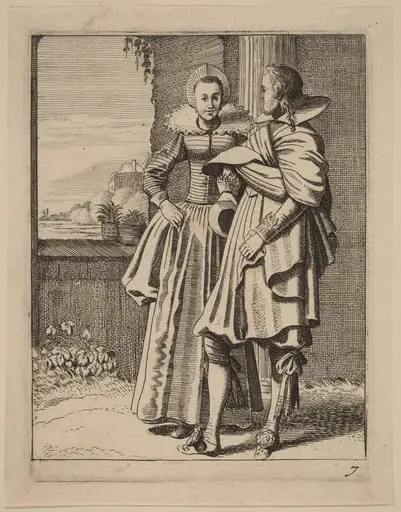
Robert Boissard’s 1597 engraving, titled *Virtui est gratus quoties...*, presents a pair of formally dressed figures standing side by side. Both wear elaborate attire with tall headpieces; the left figure grips a cross‑shaped object, while the right figure is cloaked in fur and rests a hand on the companion’s shoulder. Their solemn expressions are set against a modest backdrop that includes a small flowering plant.
Subject & Meaning
The Latin inscription beneath the figures translates to “Virtue is pleasing whenever Cupid stirs Idalia’s breast with fire,” indicating an allegorical reading rather than a portrait of specific individuals. The composition suggests a dialogue between moral virtue and the disruptive force of love, embodied by the symbolic objects and the figures’ gestures.
Technique & Style
Executed in the engraving medium, the work relies on incised lines to render fine detail in clothing, facial features, and the delicate flora. Boissard’s handling of line weight creates contrast between the richly ornamented garments and the softer natural element, characteristic of late‑Renaissance printmaking.
History & Provenance
Created in 1597, the print is part of Boissard’s output during a period when allegorical subjects were popular in Northern European art. While specific ownership records are scarce, the work has been documented in several early modern print collections, reflecting its circulation among collectors interested in moral and literary themes.
Context
The engraving emerges from a cultural milieu that frequently employed classical references and Latin mottos to convey ethical lessons. The mention of Idalia—a name linked to the goddess Aphrodite—places the image within the broader Renaissance fascination with merging classical mythology and Christian virtue.
Artist & collection