Artwork
Sir Humphrey Gilbert
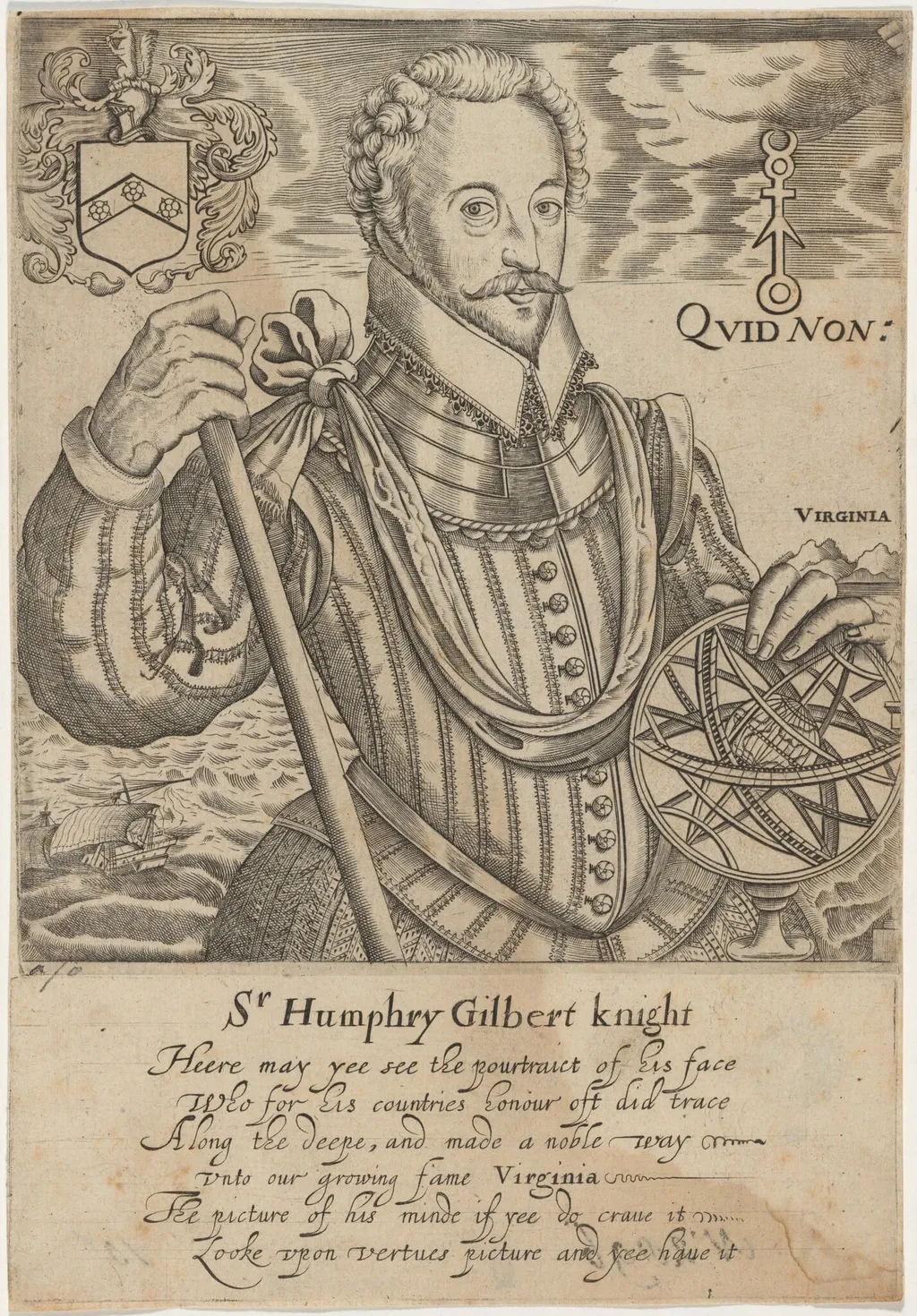
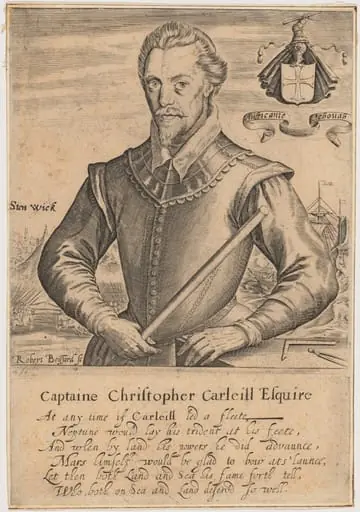
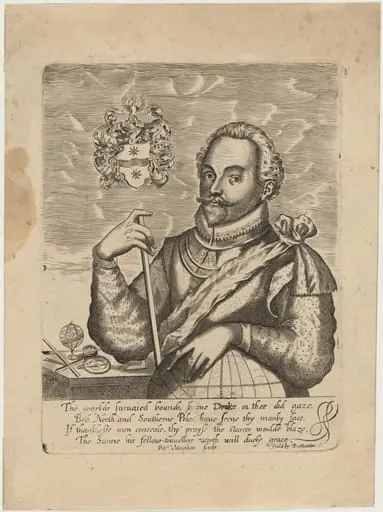
Sir Humphrey Gilbert is an ink print by the Renaissance artist Robert Boissard. It is held in the collection of the National Gallery of Art.
About this work
Overview
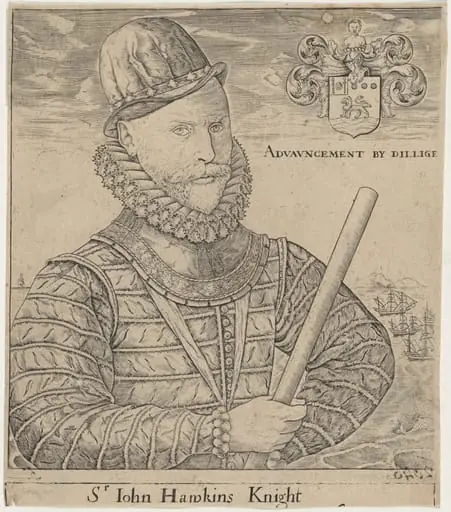
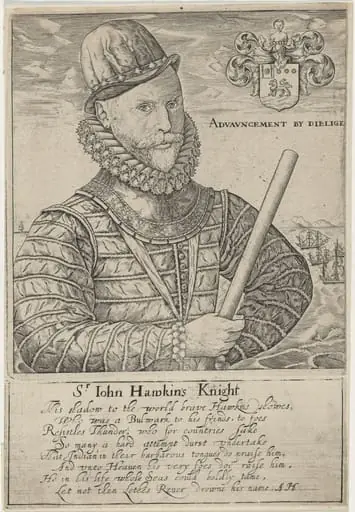
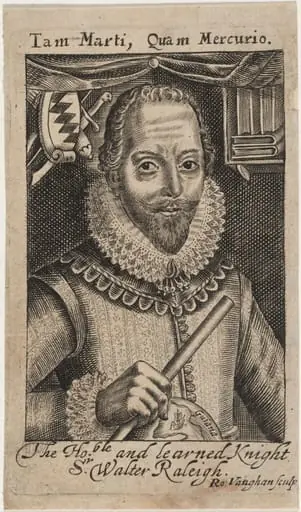
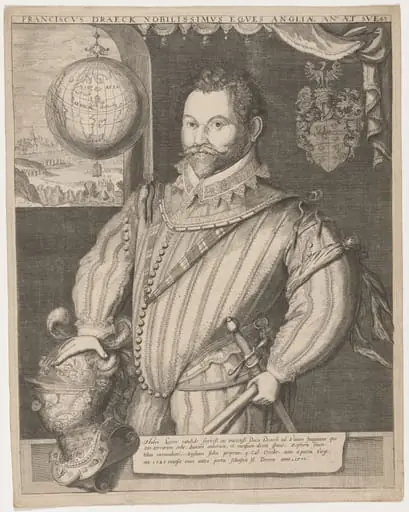
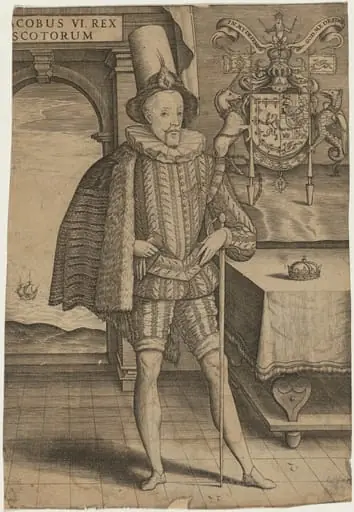
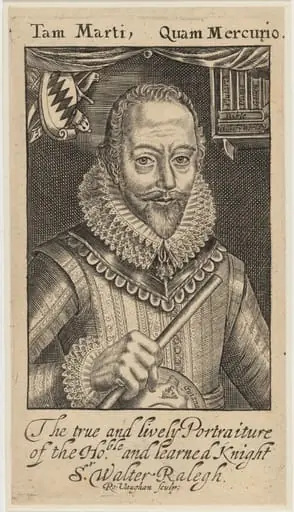
Sir Humphrey Gilbert is a 1610 engraving by Robert Boissard, portraying the English explorer in elaborate attire, set against a backdrop that reflects his maritime exploits.
Subject & Meaning
The engraving depicts Sir Humphrey Gilbert, a knight, holding a globe and an unspecified small object, symbolizing his navigational achievements. A ship at sea and a coat of arms (top left) further emphasize his status and endeavors. The 'Virginia' labeled cross in the background references his role in early American colonization efforts.
Technique & Style
Boissard employed fine lines to achieve detailed textures and shading, enhancing the visual depth of the composition. The simplicity of the background, with minimal clouds, contrasts with the intricacy of the foreground, focusing attention on the subject.
History & Provenance
Created in 1610, the engraving's provenance details are not specified here, though its production during this period suggests it was part of the broader commemoration of Gilbert's legacy in the early 17th century.
Context
This work reflects the early 17th-century interest in celebrating English explorers. Gilbert's association with Virginia colonization situates the engraving within the historical context of European New World exploration and the burgeoning English presence in America.
Legacy
While specific lasting impacts of this engraving on art or historical discourse are not detailed, it contributes to the visual record of Sir Humphrey Gilbert's historical significance, reflecting and possibly influencing contemporary perceptions of exploratory heroes.
Artist & collection