Artwork
Sir Martin Frobisher
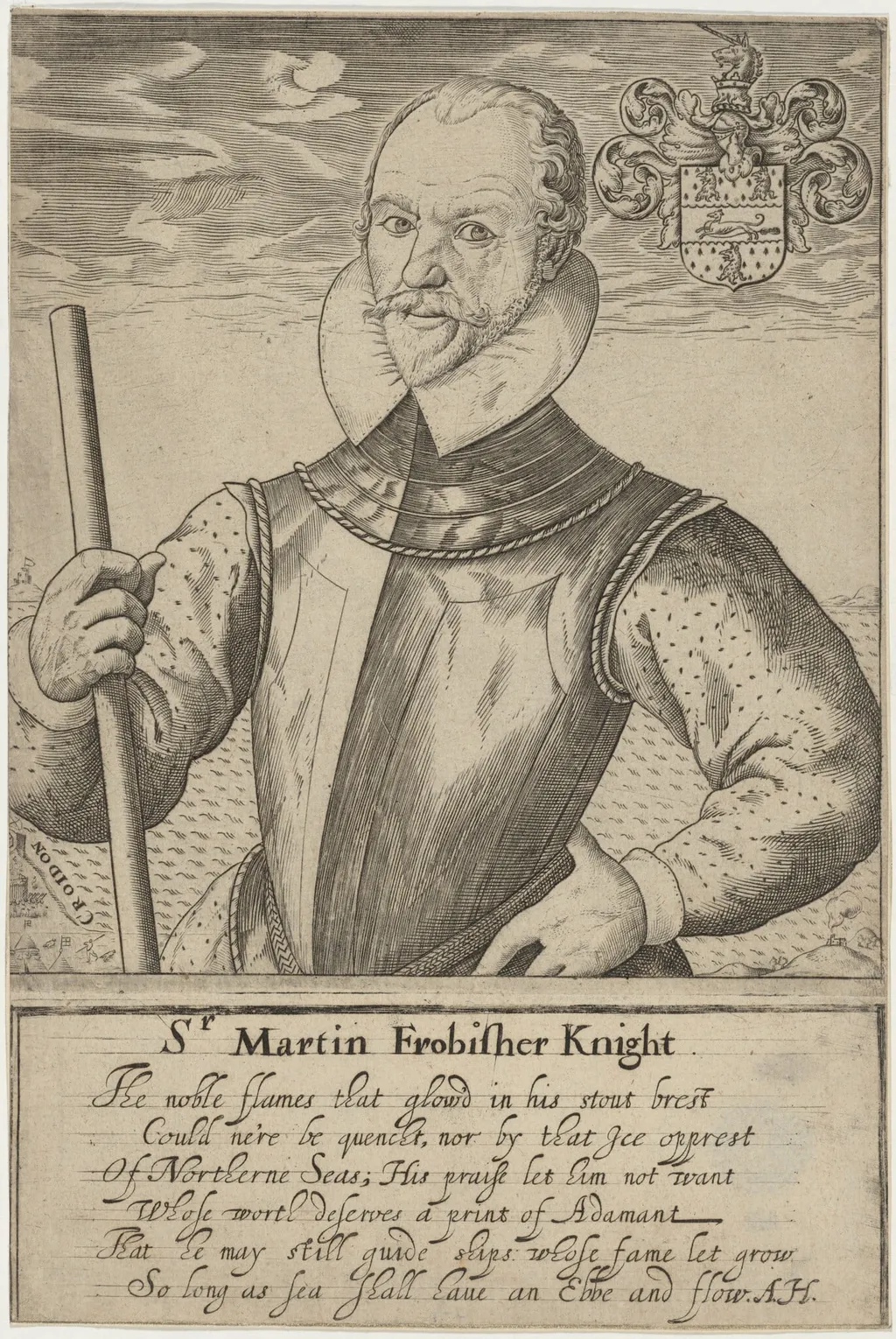
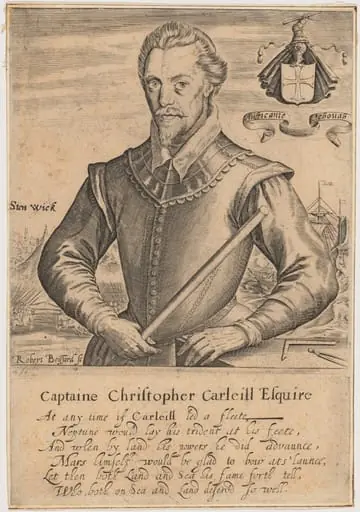
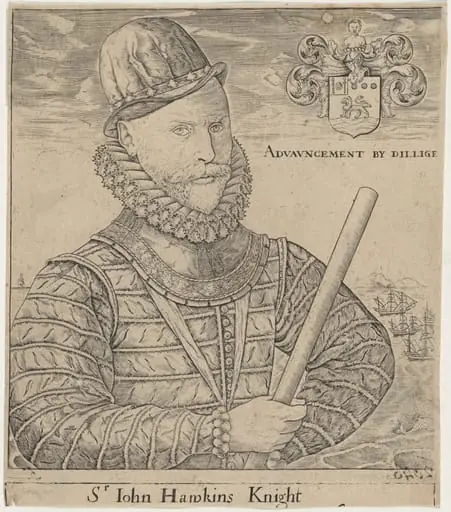
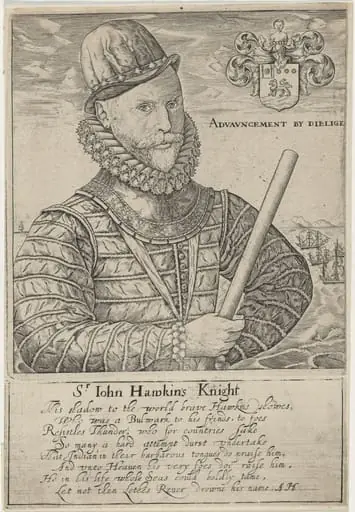
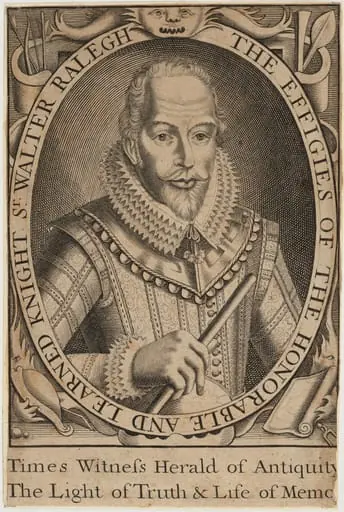
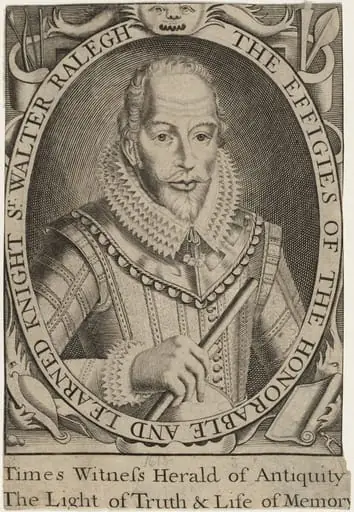
Sir Martin Frobisher is an ink print by the Renaissance artist Robert Boissard. It is held in the collection of the National Gallery of Art.
About this work
Overview
Rendered in monochrome, the portrait presents him in formal attire with a high collar and long robe, holding a walking stick and one hand resting on his chest.
This 1610 engraving by Robert Boissard depicts Sir Martin Frobisher, an English navigator and privateer. Rendered in monochrome, the portrait presents him in formal attire with a high collar and long robe, holding a walking stick and one hand resting on his chest. Above him appears a heraldic shield, and beneath the image, a poetic Latin inscription honors his achievements. The composition reflects the conventions of early 17th-century commemorative portraiture.
Subject & Meaning
Frobisher is portrayed not merely as a man but as a figure of civic and maritime distinction. The inclusion of a detailed coat of arms signals his noble status and royal favor, while the pose—composed and restrained—conveys dignity and resolve. The accompanying verse emphasizes his courage and leadership in Arctic expeditions, framing him as a symbol of English exploration during the Elizabethan era.
Technique & Style
Boissard employed fine, controlled lines typical of Renaissance engraving to model form and texture. The fabric of Frobisher’s robe, the texture of his collar, and the metallic sheen of the armorial shield are rendered through cross-hatching and delicate stippling. The handwritten inscription below, set in a formal script, integrates text and image as a unified commemorative device, common in printed portraiture of the period.
History & Provenance
Created in 1610, the engraving was produced during a time when printed images of explorers served both as propaganda and historical record. It likely circulated among scholars and patrons interested in England’s overseas ventures. While its early ownership is undocumented, it survives in institutional collections today, preserved as part of the visual legacy of Elizabethan exploration and print culture.
Context
Frobisher’s expeditions to the Canadian Arctic in the 1570s, though ultimately unsuccessful in finding the Northwest Passage, were widely publicized in England. His image, coupled with heraldic symbolism and poetic praise, aligned with contemporary efforts to glorify explorers as national heroes. This engraving reflects the broader trend of using print media to shape public memory of maritime achievement.
Legacy
The engraving remains a primary visual source for Frobisher’s public persona. It influenced later depictions of him in historical texts and contributed to the enduring association between exploration, nobility, and printed portraiture in early modern England. Though not widely known today, it exemplifies how print technology helped codify the reputations of figures who shaped national identity.
Artist & collection