Artwork
Archduke Albert and Isabella Clara Eugenie of Austria
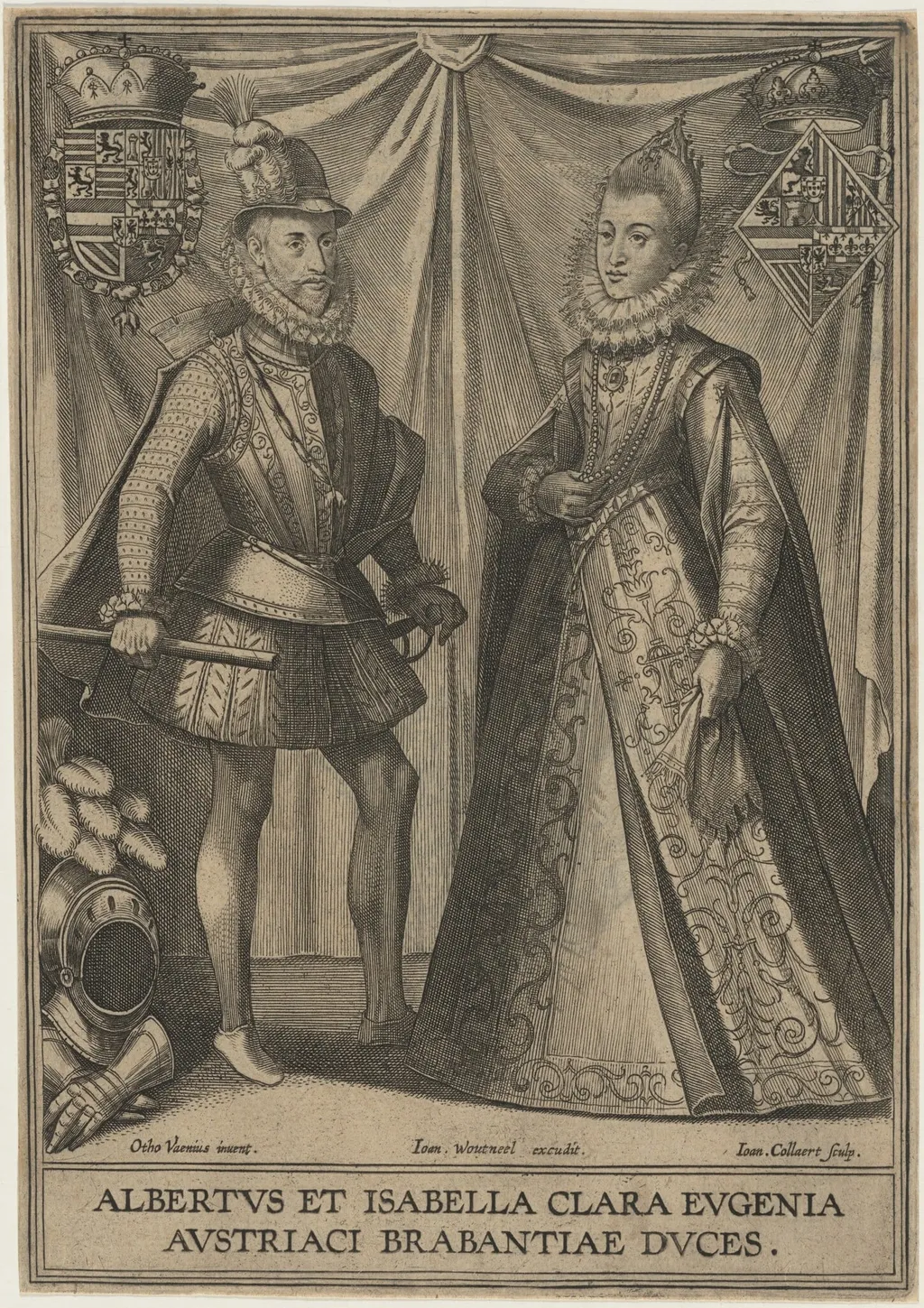
Archduke Albert and Isabella Clara Eugenie of Austria is an ink print by the Renaissance artist Hans the Younger Collaert. It dates from 1600 and is held in the collection of the National Gallery of Art.
About this work
Overview
The composition emphasizes their status through precise rendering of fabric, jewelry, and regalia, typical of official portraiture in the early 17th century.
This engraving, produced around 1600 by Hans Collaert the Younger, depicts Archduke Albert and Isabella Clara Eugenie as joint sovereigns of the Spanish Netherlands. Rendered in fine linear detail, the portrait presents the couple in formal attire, standing side by side beneath heraldic symbols. The composition emphasizes their status through precise rendering of fabric, jewelry, and regalia, typical of official portraiture in the early 17th century.
Subject & Meaning
The figures represent a ruling pair whose marriage united Habsburg and Spanish dynastic interests. Albert, as governor, and Isabella, as a daughter of Philip II of Spain, are shown with equal prominence, reflecting their shared authority. The crests above their heads affirm their legitimacy, while their elaborate garments signal wealth and political stability in a region under Habsburg control.
Technique & Style
Collaert employed fine, controlled lines typical of Northern European engraving to capture texture and form. The fur trim, lace collars, and metallic chains are rendered with meticulous cross-hatching, while the swirling patterns on Isabella’s gown suggest movement within a static composition. The background drapery frames the figures without distraction, focusing attention on their regal bearing and symbolic accessories.
History & Provenance
Created shortly after Albert and Isabella assumed governance of the Netherlands in 1598, the print likely served as a diplomatic or propagandistic tool to reinforce their rule. It circulated among elites and institutions, affirming their legitimacy. The work is attributed to Hans Collaert the Younger, a prominent Antwerp engraver known for producing portraits of nobility during this period.
Context
The engraving emerged during a time of religious and political tension in the Low Countries, as the region struggled between Spanish rule and emerging Dutch independence. Portraits like this were used to project unity and authority. The couple’s depiction in ceremonial dress aligns with broader European traditions of dynastic representation, where visual symbolism reinforced political legitimacy.
Legacy
This engraving remains a key example of early 17th-century Northern printmaking used for political representation. It reflects the role of prints in shaping public perception of rulers, particularly in regions where access to painted portraits was limited. Its precision and formal composition influenced later portraiture in the Habsburg territories and contributed to the visual language of sovereignty in the early modern era.
Artist & collection

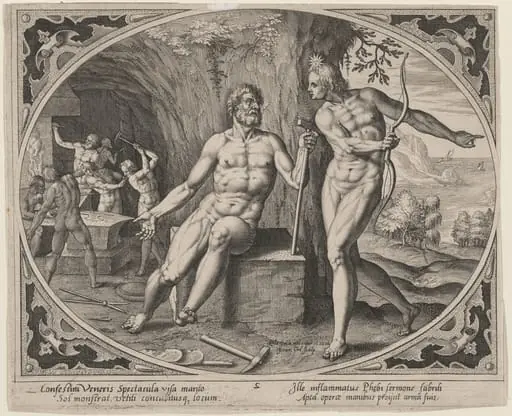 Phoebus Telling Vulcan of His Wife's Adultery
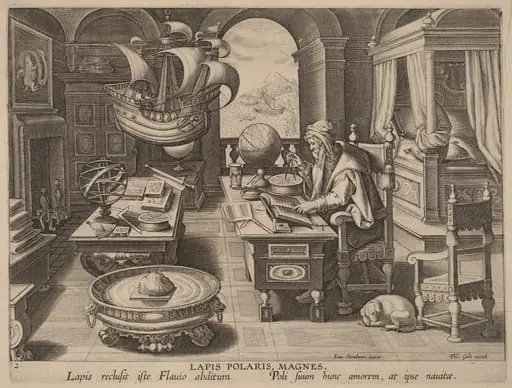 Lapis Polaris, Magnes (The Lodestone, The Magnet)
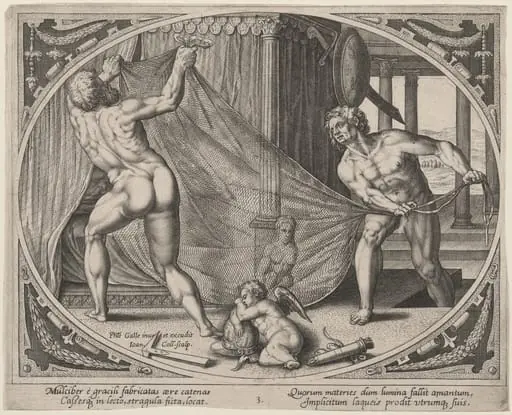 Vulcan Hanging an Iron Net above the Bed
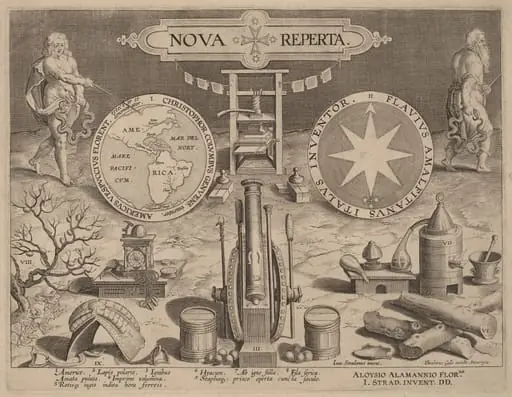 Title Page for Nova Reperta (New Discoveries)
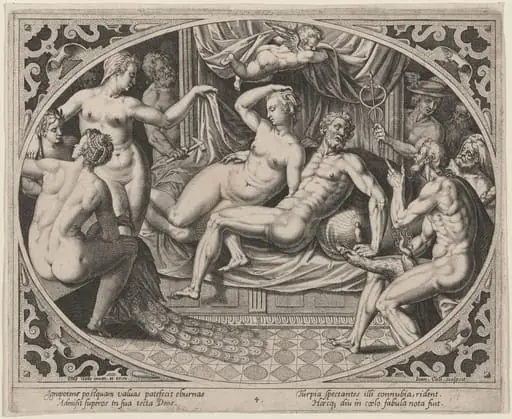 Mars and Venus Caught by the Gods
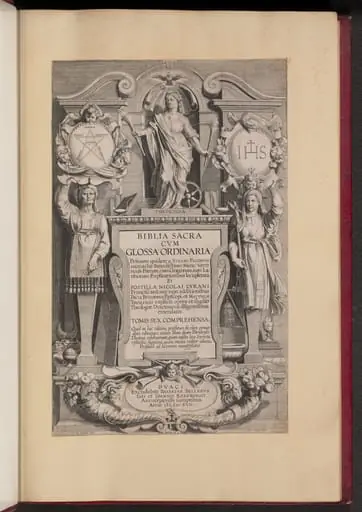 Title Page for Biblia Sacra Cvm Glossa Ordinaria
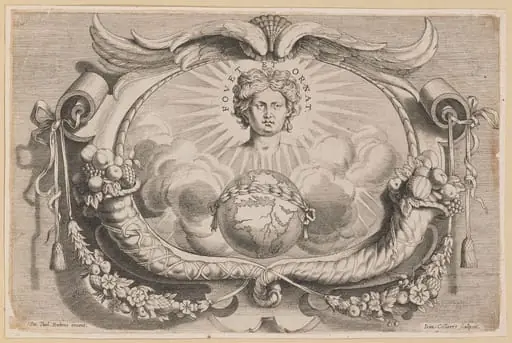 Printer's Device for Jan van Keerbergen: Vignette for Biblia Cum Glossa Ordinaria
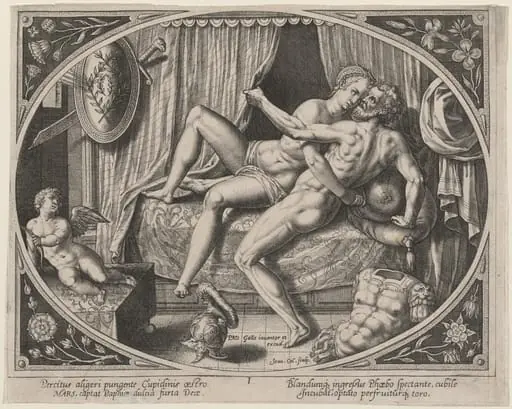 Mars and Venus Adulterous
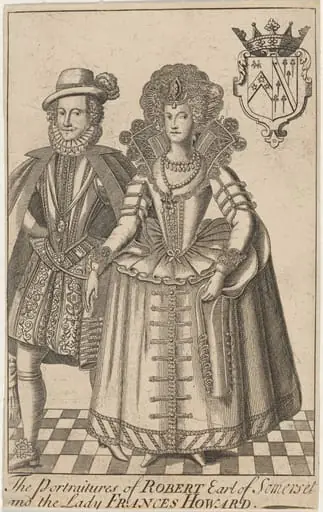 The Portraitures of Robert, Earl of Somerset and Lady Frances Howard
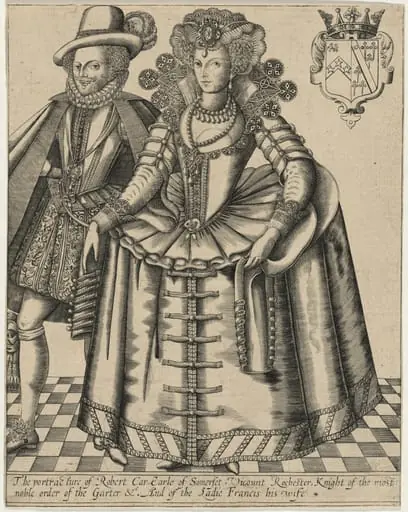 Robert Carr, Earl of Somerset and His Countess
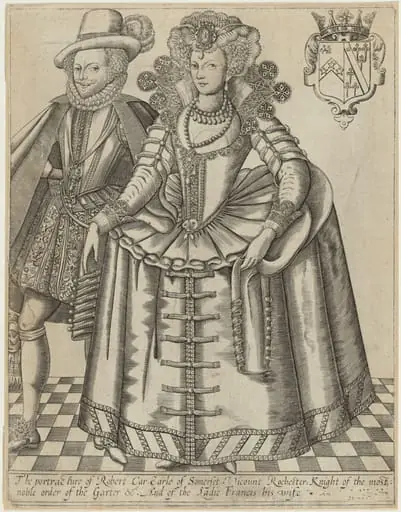 Robert Carr, Earl of Somerset and His Countess
 James I and Anne of Denmark
 Non semper gravibus...
 James I and Anne of Denmark
 Intempestivis impendere...
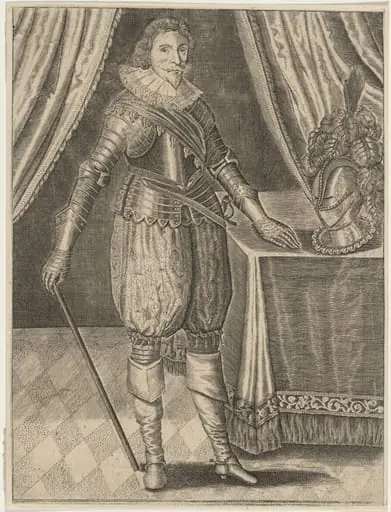 James, Second Marquis of Hamilton
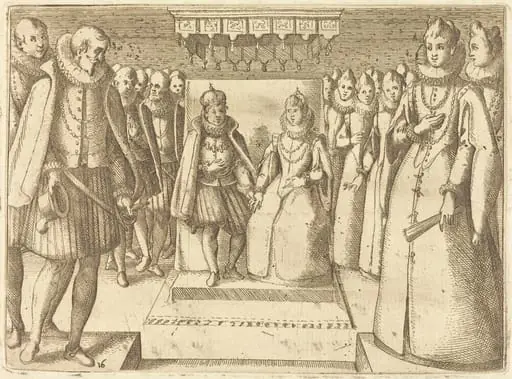 Meeting of Margaret of Austria and Philip III
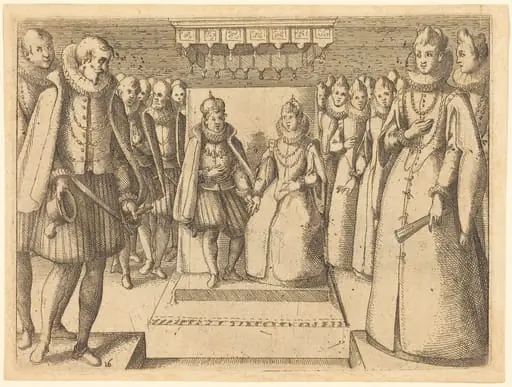 Meeting of Margaret of Austria and Philip III
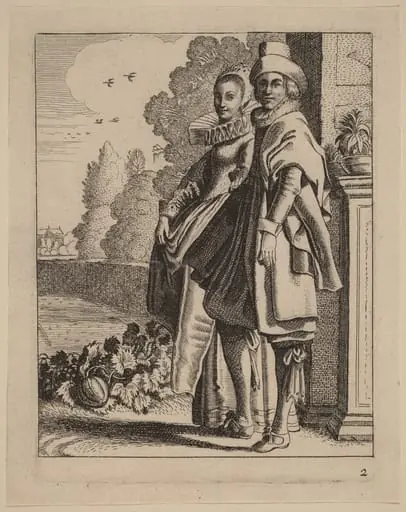 Two Figures in Costume
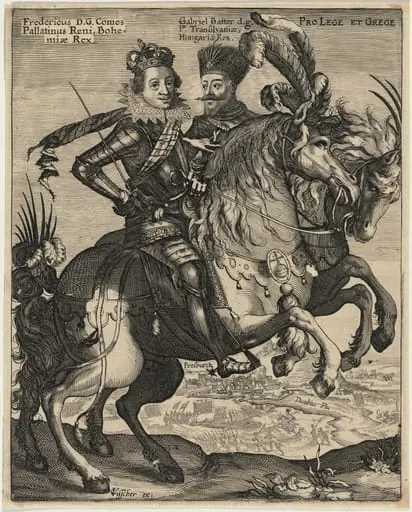 Frederick V, King of Bohemia and Gabriel II, Prince of Transylvania