Artwork
The Annunciation
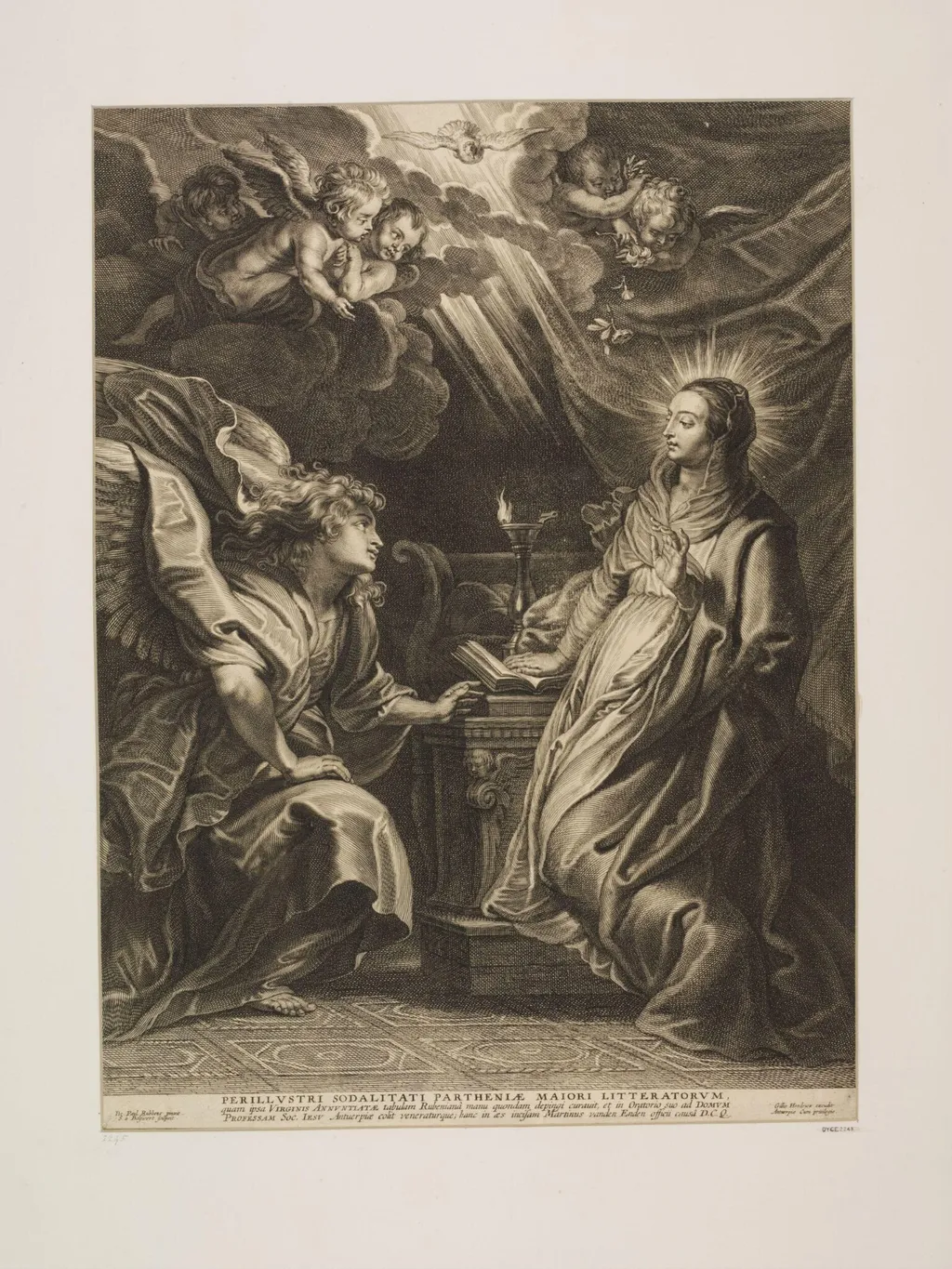
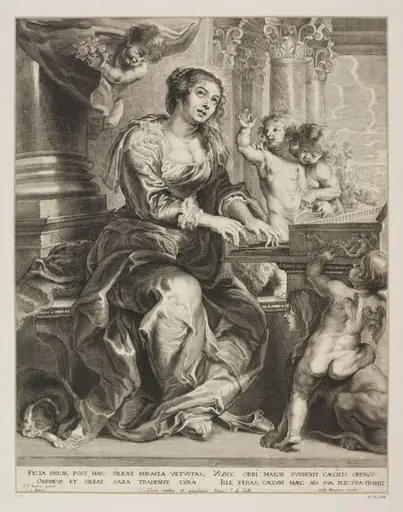
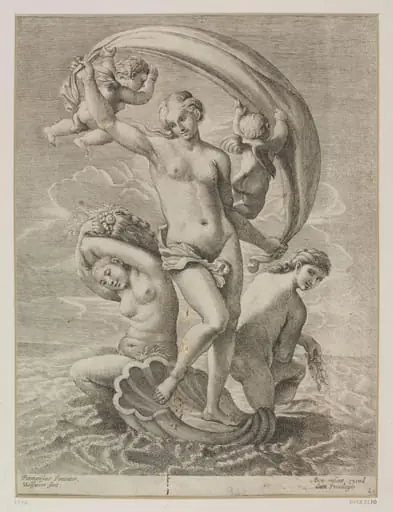
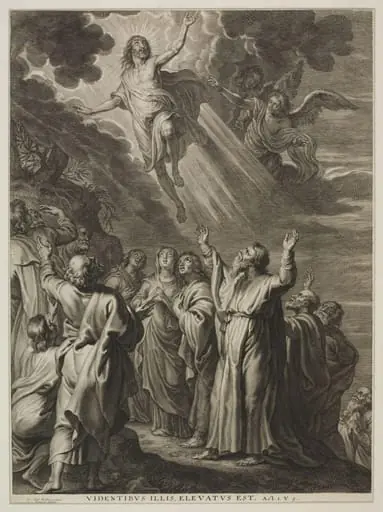
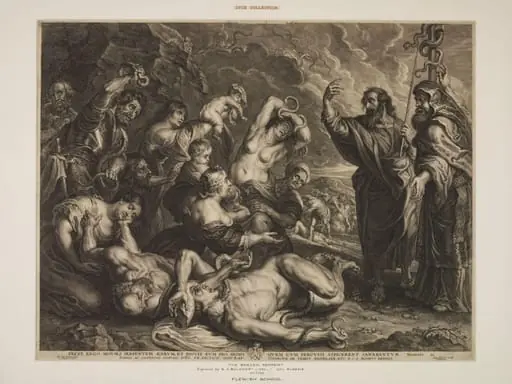
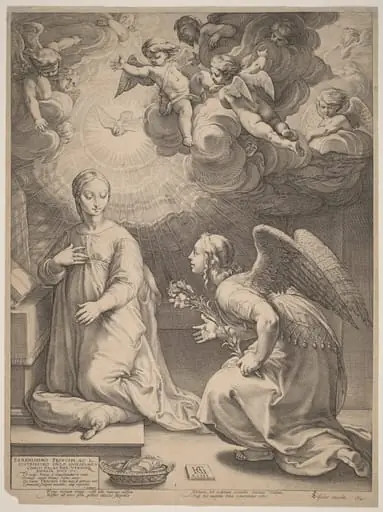
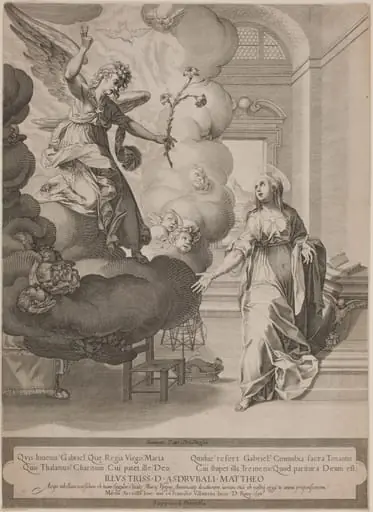
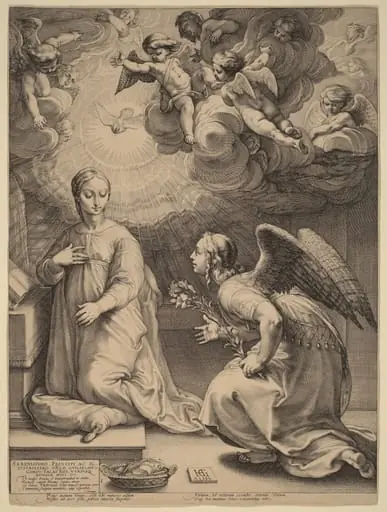
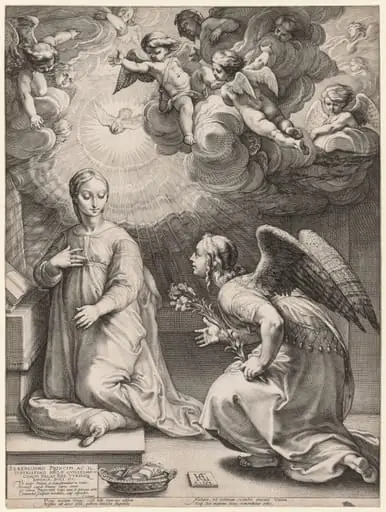
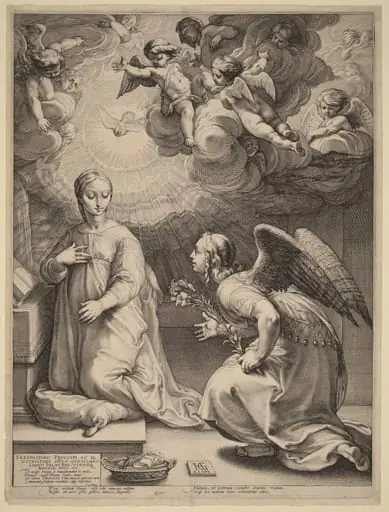
The Annunciation is a print by Schelte Bolswert. It dates from 1650 and is held in the collection of the Victoria and Albert Museum. This ink-on-paper print reproduces a composition originally created by Peter Paul Rubens.
About this work
Overview
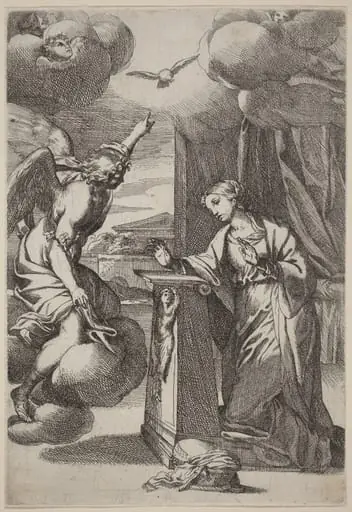
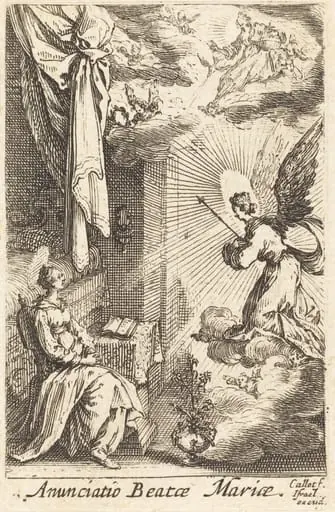
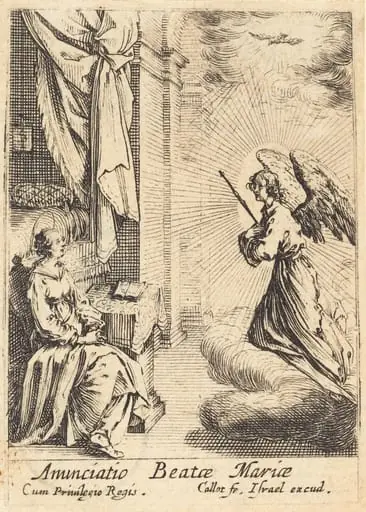
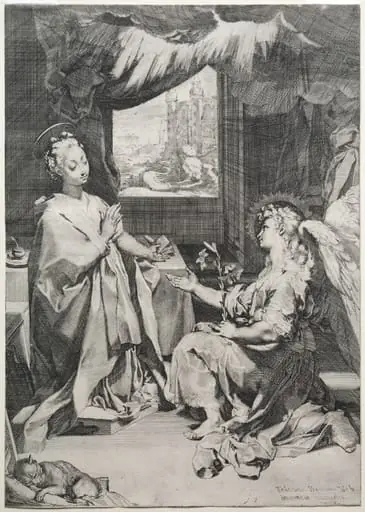
It captures the Annunciation, a biblical moment when the angel Gabriel announces to the Virgin Mary that she will bear the Son of God.
This ink-on-paper print reproduces a composition originally created by Peter Paul Rubens. It captures the Annunciation, a biblical moment when the angel Gabriel announces to the Virgin Mary that she will bear the Son of God. The work is distinguished by its delicate tonal gradations and intimate scale, emphasizing quiet reverence over dramatic spectacle. An inscription along the lower edge references a scholarly or religious fraternity, suggesting its intended audience or patronage.
Subject & Meaning
The scene portrays the Virgin Mary, standing with an open book, receiving the divine message from the angel Gabriel, who kneels before her with wings extended. Behind them, cherubs drift in a hazy sky, symbolizing heavenly presence. A single candle on a pedestal casts a faint glow, reinforcing the theme of divine illumination. The setting is modest and enclosed, focusing attention on the spiritual exchange rather than grandeur.
Technique & Style
The artist employed fine ink lines and subtle washes to model form and depth, creating a sense of volume against a darkened background. Soft contrasts between light and shadow draw the eye to the figures’ gestures and expressions. The background remains largely unmodeled, enhancing the ethereal quality of the floating cherubs and the candle’s glow. This restrained approach reflects a Northern European sensitivity to detail and atmospheric tone.
History & Provenance
The print was made after Rubens’s design, likely during the early 17th century, as part of a broader circulation of his compositions through reproductive prints. The Latin inscription 'Perillustri sodalitati' indicates possible association with a learned or devotional society, perhaps commissioned for private contemplation. Its survival in collections such as the Victoria and Albert Museum suggests continued scholarly interest in its craftsmanship and religious symbolism.
Context
In the early 1600s, reproductive prints were vital for disseminating religious imagery across Europe, especially in regions where access to original paintings was limited. Rubens’s compositions were frequently adapted by engravers and etchers to meet devotional and educational needs. This print aligns with Counter-Reformation efforts to reinforce sacred narratives through accessible, emotionally resonant imagery.
Legacy
Though not widely attributed to a single printmaker, the work exemplifies how Rubens’s influence extended beyond painting into the realm of graphic arts. Its quiet intensity and technical refinement contributed to the enduring appeal of devotional prints in private collections. Today, it remains a quiet testament to the role of printmaking in shaping religious experience during the Baroque era.
Artist & collection

Artist
Schelte a Bolswert or Schelte Adamsz. Bolswert was a Frisian engraver who worked most of his career in Antwerp where he was one of the lead engravers in Rubens' workshop. He is known for his reproductive works after…