Artwork
Triumph of the Church
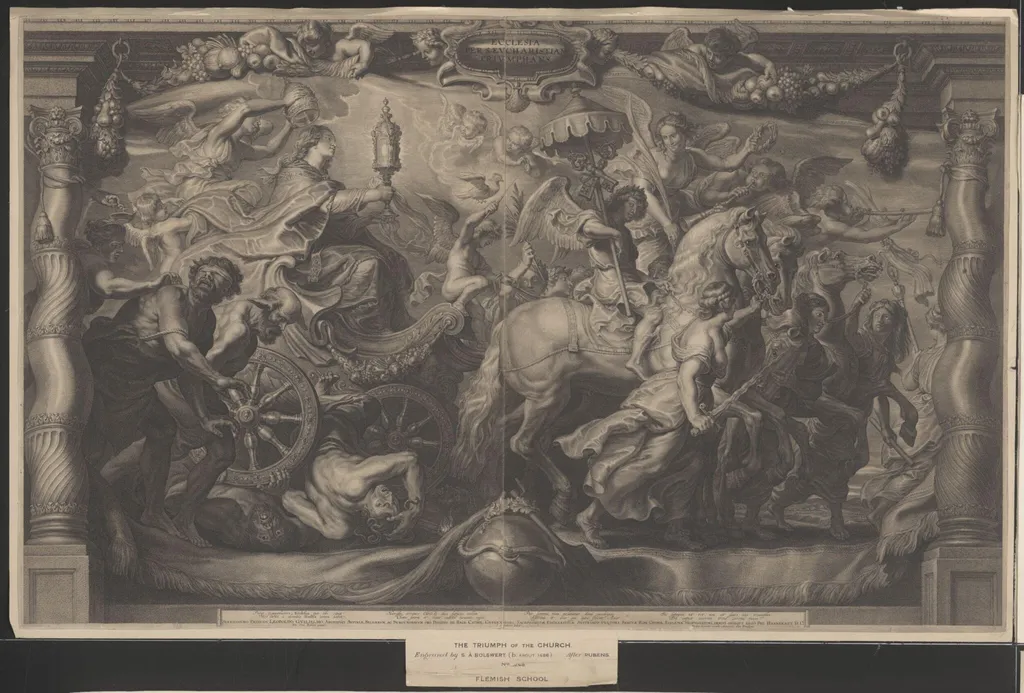
Triumph of the Church is a print by Schelte Bolswert. It dates from 1650 and is held in the collection of the Victoria and Albert Museum.
About this work
Overview
Created circa 1650, the print *Triumph of the Church* is a black‑ink work on paper executed in two sheets. It follows a design supplied by Peter Paul Rubens and bears the Latin inscription “Perge Triumphatrix Ecclesia.” The composition is densely populated with figures, architectural elements, and symbolic motifs.
Subject & Meaning
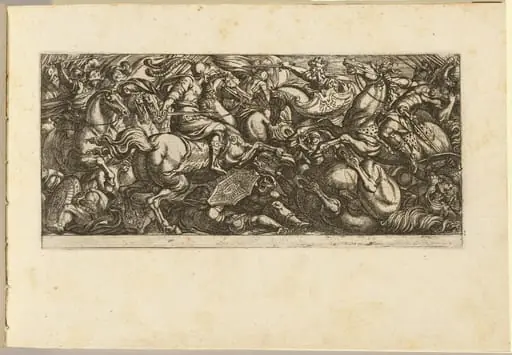
The image presents an allegorical celebration of the Church’s victory, populated by angels, armored warriors, and horses in a turbulent sky. Central to the scene is a winged rider on a horse, surrounded by combatants and floating figures, while symbols such as a cross and a wheel reinforce the religious theme.
Technique & Style
Bolswert employs a stark chiaroscuro, using deep shadows and bright highlights to separate forms and generate dramatic contrast. The intricate line work defines the crowded figures and architectural background, while the limited palette of black ink emphasizes the composition’s theatrical intensity.
History & Provenance
The print derives from Rubens’s original drawing, translated into the medium of engraving by Schelte Bolswert, a noted Flemish printmaker of the mid‑seventeenth century. It was produced for the Catholic market that favored visual affirmations of ecclesiastical triumph during the Counter‑Reformation.
Context
In the post‑Thirty Years’ War period, visual propaganda underscored the resilience of the Catholic Church. The work reflects the era’s penchant for grand allegorical narratives, combining biblical symbolism with martial imagery to convey spiritual conquest.
Artist & collection

Artist
Schelte a Bolswert or Schelte Adamsz. Bolswert was a Frisian engraver who worked most of his career in Antwerp where he was one of the lead engravers in Rubens' workshop. He is known for his reproductive works after…

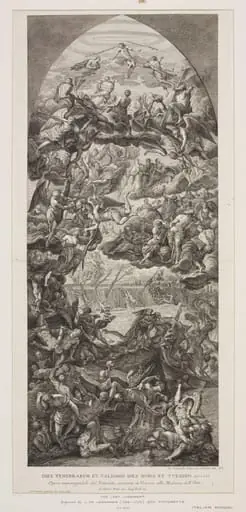 The Last Judgment
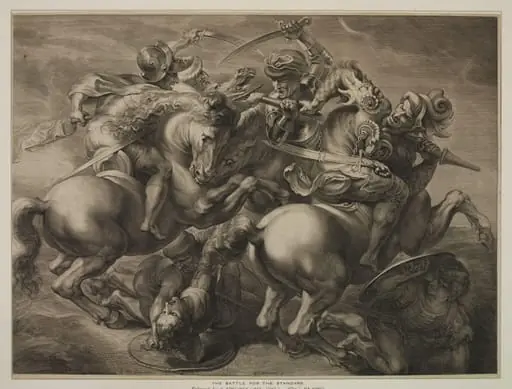 Battle for the Standard
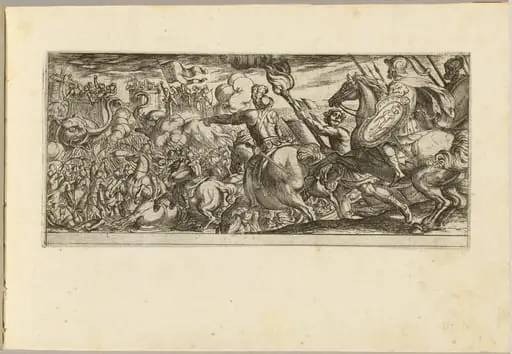 Cavalry Attack on a Walled Fortress
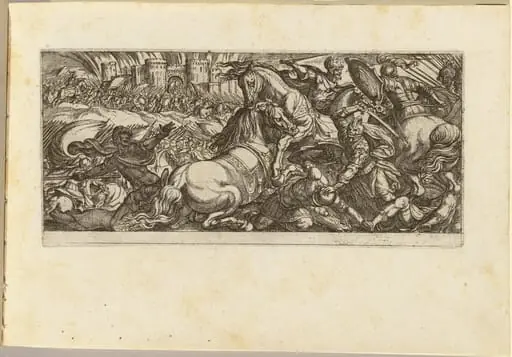 Battle Scene with Two Horses Attacking Each Other
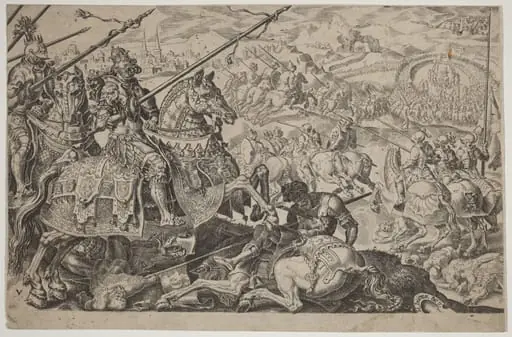 Suleiman the Magnificent Forced to Raise the Siege of Vienna
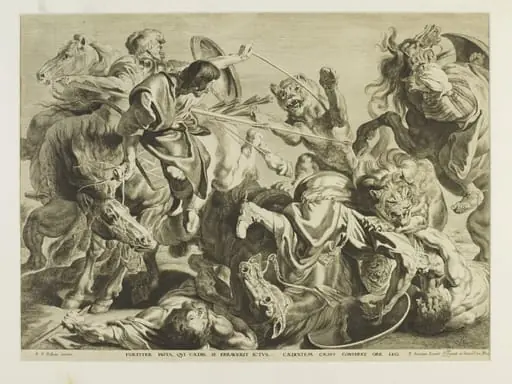 The Hunt of the Lion and Lioness
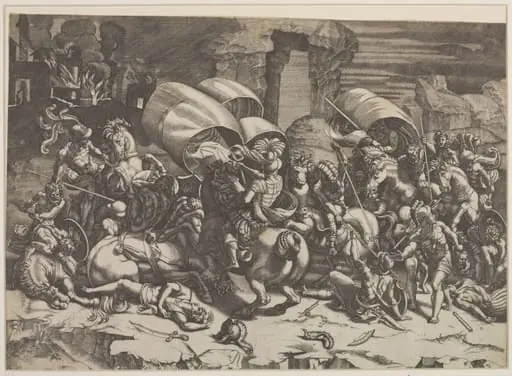 La bataille au coutelas
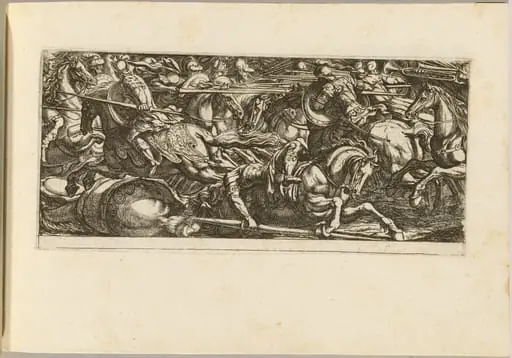 Cavalry Attack with Soldiers Fleeing
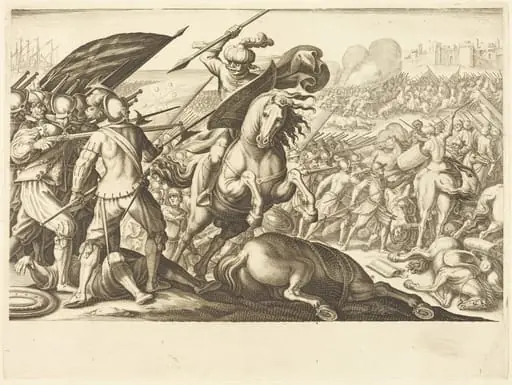 The Defeat of the Turkish Cavalry
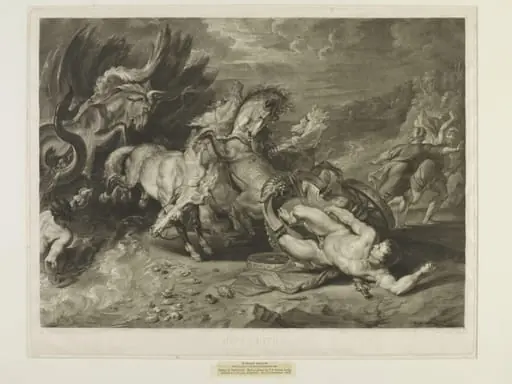 Death of Hippolytus
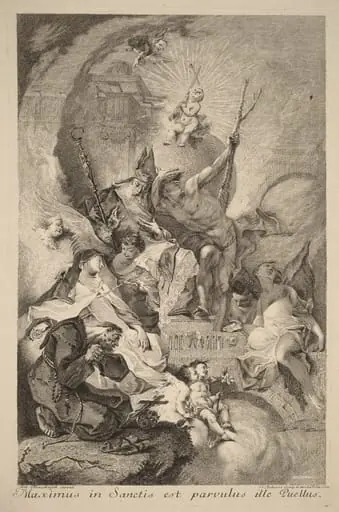 Four Saints
 Cavalry Charge with Soldiers and Horses Trampled