Artwork
The Valet
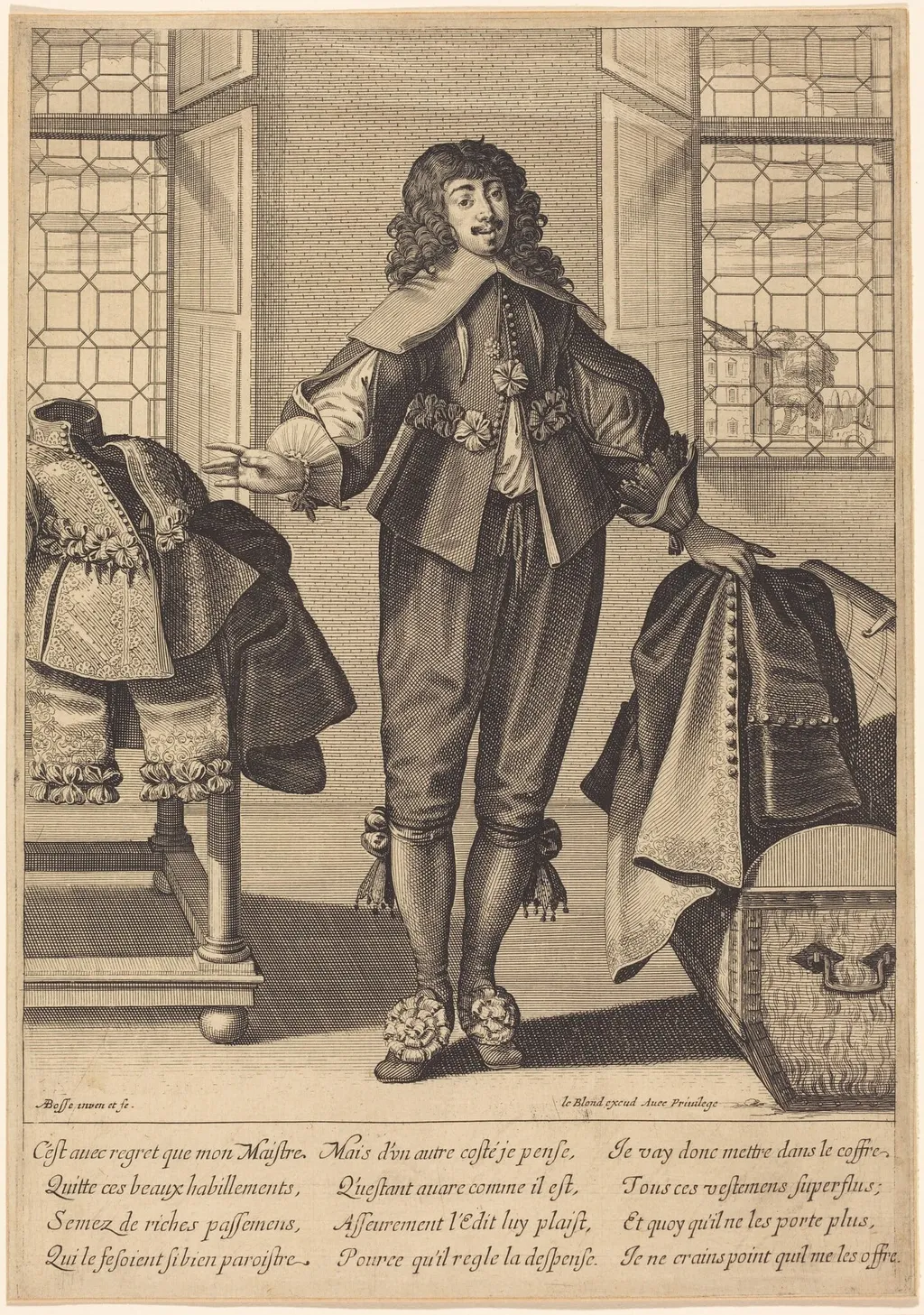
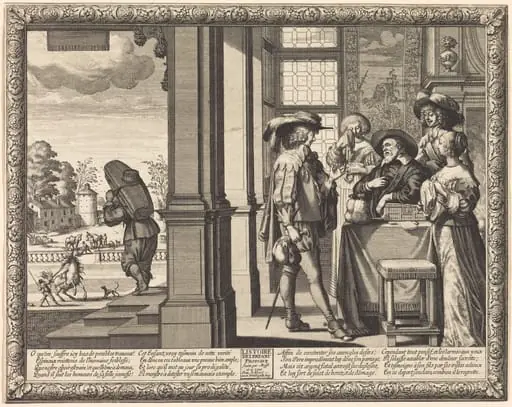
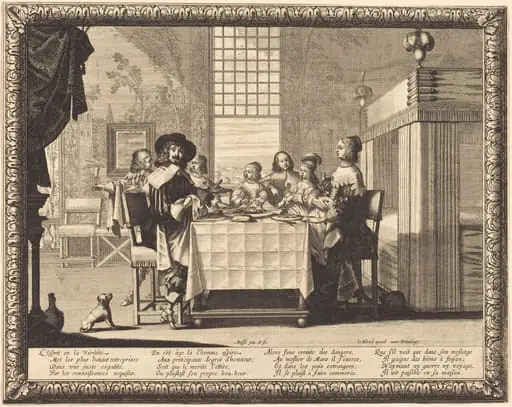
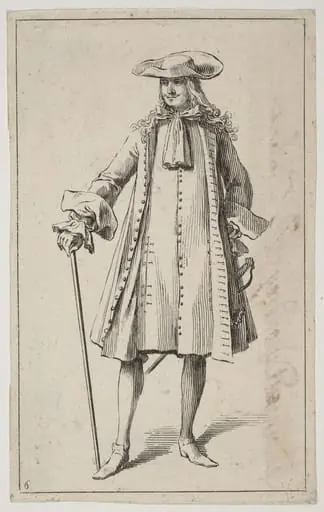
The Valet is an ink print by the Baroque artist Abraham Bosse. It dates from 1639 and is held in the collection of the National Gallery of Art. Created in 1639, this black engraving on laid paper presents a single figure in a domestic interior.
About this work
Overview
Created in 1639, this black engraving on laid paper presents a single figure in a domestic interior. The subject, a male servant, stands beside a window and a modest table, his attire and posture suggesting the everyday responsibilities of a valet in a 17th‑century French household. The composition is rendered with precise line work that emphasizes texture and material.
Subject & Meaning
The figure is dressed in period clothing—a high collar, a flower‑patterned jacket, and knee‑length breeches—holding a fan in his right hand. The inclusion of the fan and the attentive pose imply a role of service and readiness, while the simple backdrop focuses attention on the servant’s attire and the subtle gestures that convey his professional demeanor.
Technique & Style
Executed with fine cross‑hatching, the engraving demonstrates a sophisticated control of line to model fabric, hair, and architectural elements. The laid paper surface enhances the clarity of the etched lines, allowing intricate patterns on the jacket and the geometric window design to emerge with a delicate tonal range characteristic of Bosse’s printmaking skill.
History & Provenance
The work is attributed to Abraham Bosse, a French printmaker active in the early‑to‑mid‑17th century, known for his etchings and watercolors. Produced during a period when Bosse was establishing his reputation in graphic arts, the piece reflects his engagement with domestic genre scenes and his contribution to the visual culture of France’s aristocratic households.
Artist & collection

Artist
Abraham Bosse (c. 1604 – 14 February 1676) was a French artist, mainly as a printmaker in etching, but also in watercolour.