Artwork
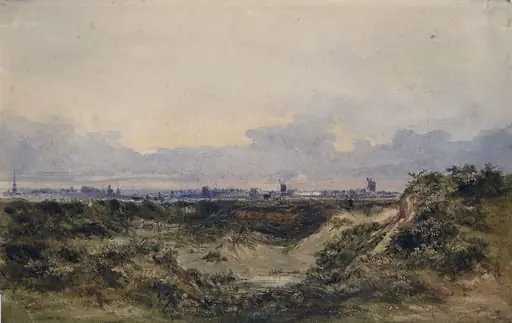
Meadows with a Distant View of Oxford
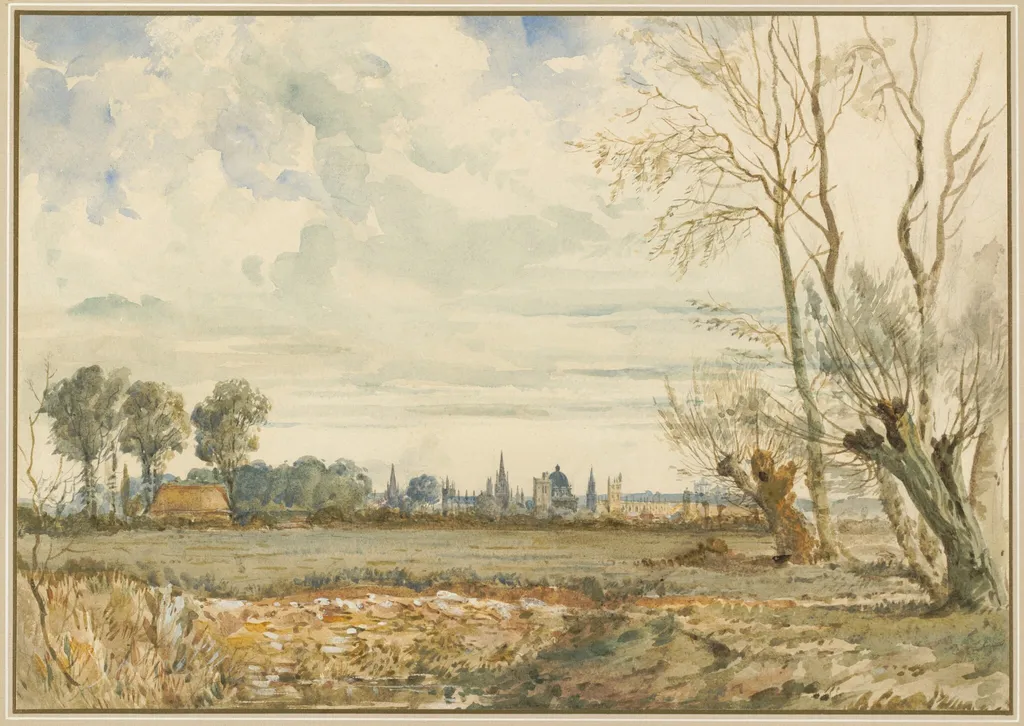
Meadows with a Distant View of Oxford is a graphite drawing by the Romanticist artist Thomas Shotter Boys. It dates from 1834 and is held in the collection of the National Gallery of Art.
About this work
Overview
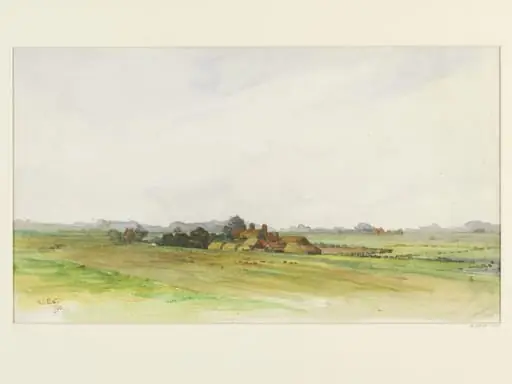
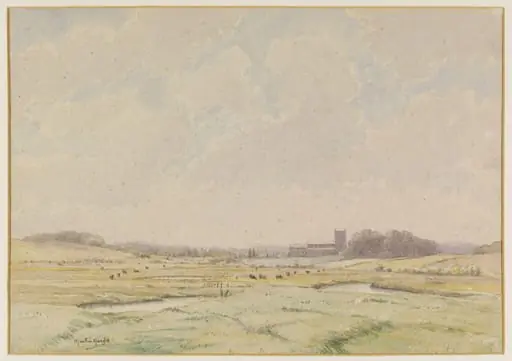
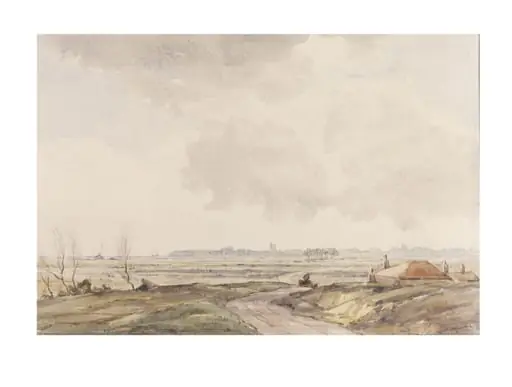
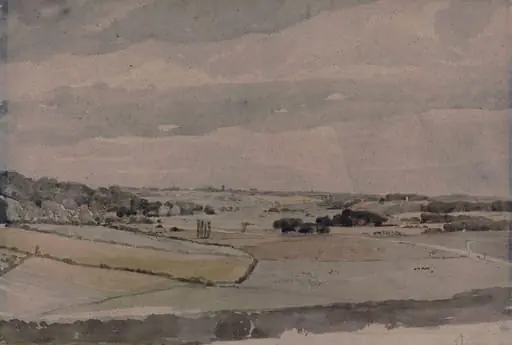
Meadows with a Distant View of Oxford is a graphite, watercolor, and white gouache drawing on wove paper, created by Thomas Shotter Boys around 1834. The piece juxtaposes a serene rural foreground with a distant architectural backdrop of Oxford.
Subject & Meaning
The subject is a peaceful rural landscape with Oxford's spires and buildings in the distance, evoking a sense of depth and tranquility. The composition invites contemplation of the relationship between nature and urban architecture.
Technique & Style
Boys employed a combination of graphite for detail, watercolor for soft sky and landscape tones, and touches of white gouache for highlights. The style blends precision with expressive, dreamy qualities, characteristic of early 19th-century landscape drawing.
History & Provenance
Created circa 1834 by Thomas Shotter Boys, an English artist known for watercolors and lithographs, particularly of cityscapes and architecture. Specific provenance details are not provided.
Context
The work reflects the Romantic era's emphasis on nature and the emotional response it evokes. While Boys is more commonly associated with urban scenes, this piece aligns with the broader Romantic movement's appreciation for landscape and atmosphere.
Own this work as a print
Artist & collection
Artist
Thomas Shotter Boys (1803–1874) was an English watercolour painter and lithographer, mostly producing cityscapes and images of buildings, although he produced some rural landscapes and marine subjects.