Artwork
Little Cascade
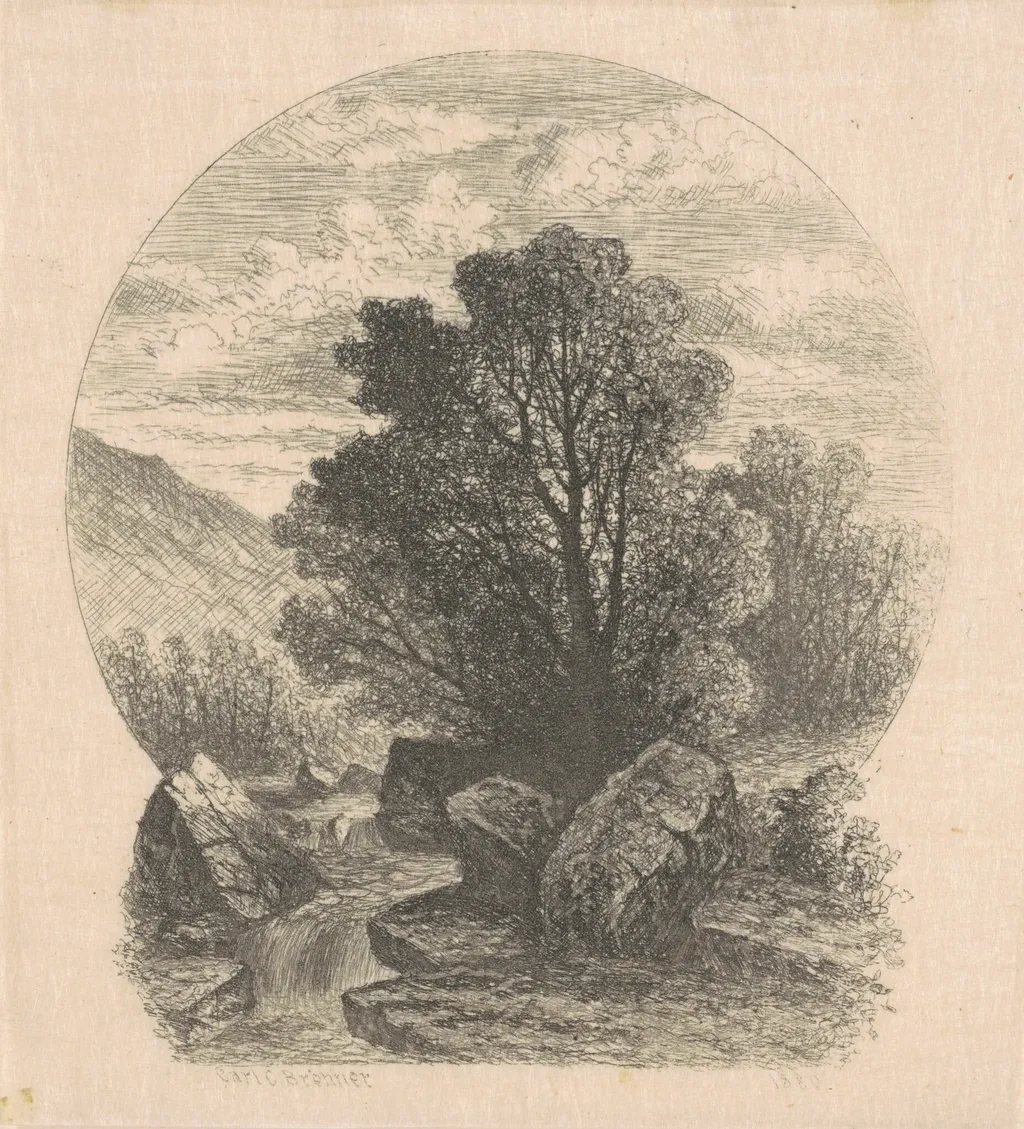
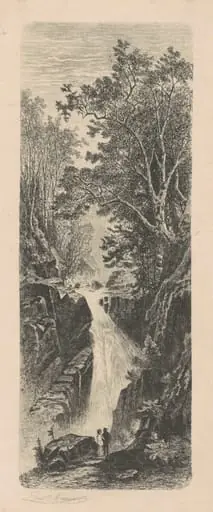
Little Cascade is an ink print by the Impressionist artist Carl C. Brenner. It dates from 1880 and is held in the collection of the National Gallery of Art. Carl C.
About this work
Overview
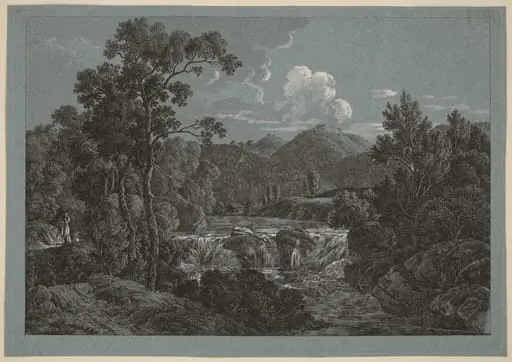
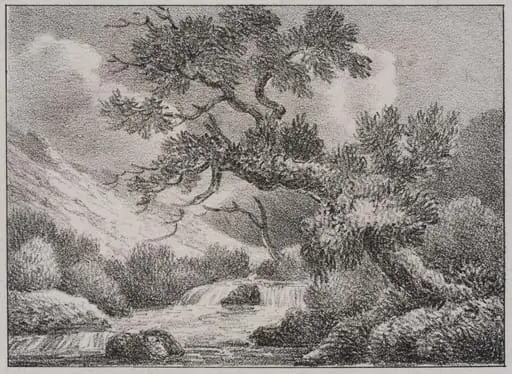
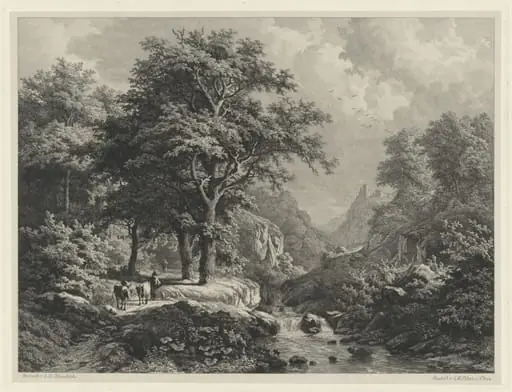
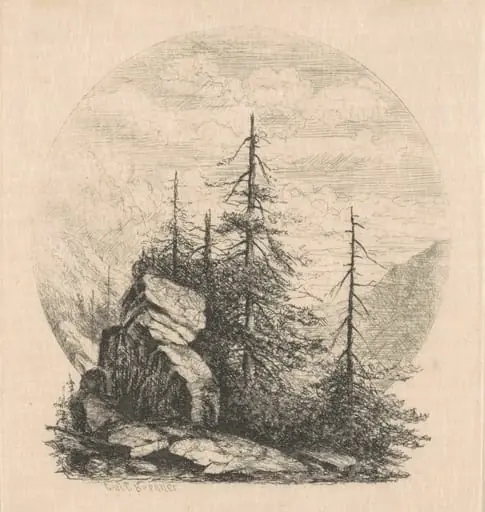
Carl C. Brenner’s print titled *Little Cascade* dates from around 1880. Executed as a black‑ink etching on wove paper, the work measures a modest size typical of the period’s reproductive prints. It is part of the National Gallery of Art’s collection in Washington, D.C., where it is displayed among other 19th‑century American prints.
Subject & Meaning
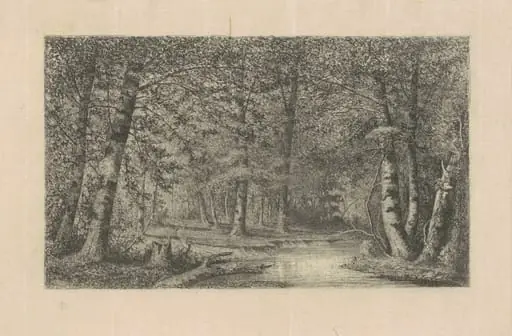
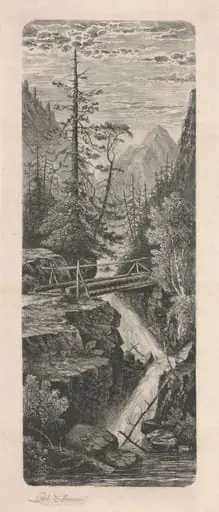
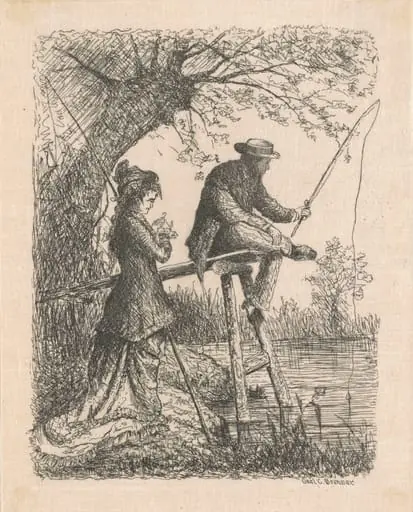
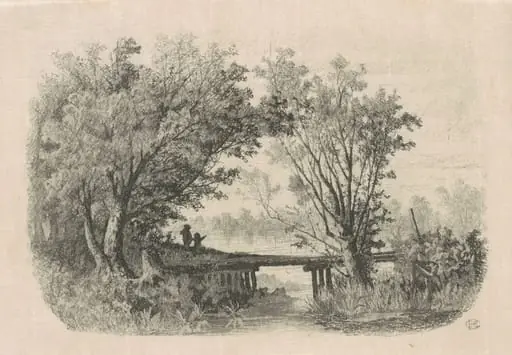
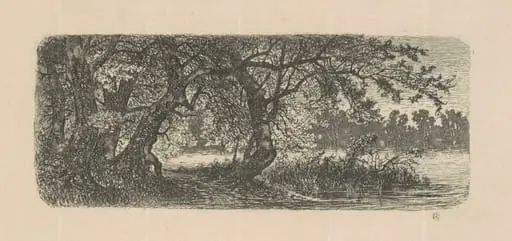
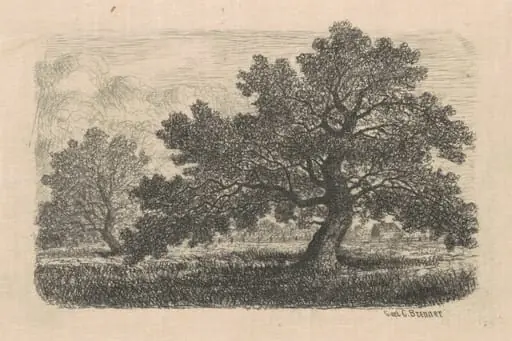
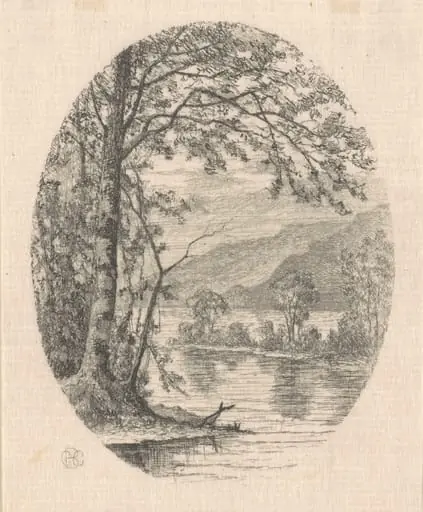
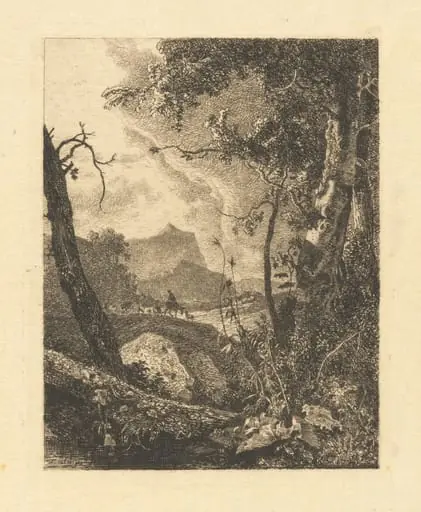
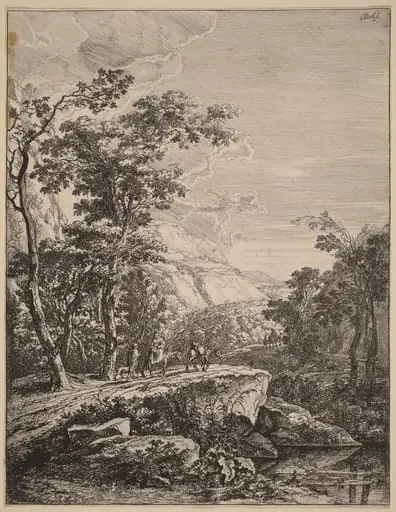
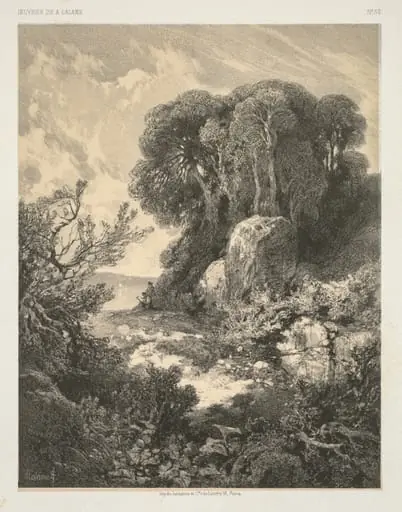
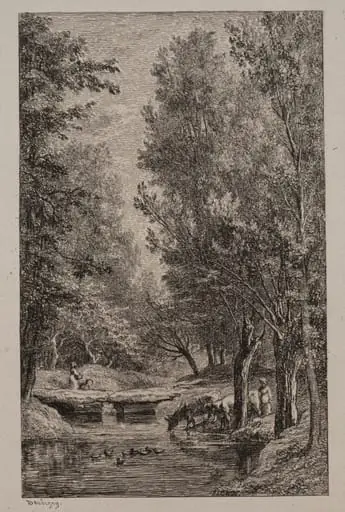
The image depicts a tranquil woodland scene centered on a modest waterfall that tumbles over rocks into a shallow pool. Trees frame the cascade, their trunks and branches rendered in fine line work, while a cloud‑filled sky looms overhead. The composition invites contemplation of nature’s quiet rhythms and the interplay of water, stone, and light.
Technique & Style
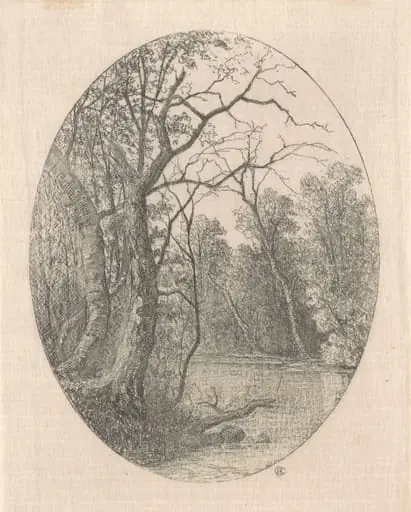
Brenner employed traditional intaglio methods, incising the design into a copper plate before printing. The use of a single black ink on smooth wove paper emphasizes tonal contrast, allowing subtle gradations of shadow to suggest depth. Delicate cross‑hatching conveys the texture of foliage and the rippling surface of the water, while broader lines define the surrounding rock formations.
History & Provenance
Created circa 1880, the etching reflects Brenner’s active period as a commercial illustrator and printmaker in the United States. It entered the National Gallery of Art’s holdings through a mid‑20th‑century acquisition, though earlier ownership records are sparse. The work has been cited in catalogues of American landscape prints, underscoring its representative quality.
Context
During the late 19th century, American artists frequently turned to the natural world for subject matter, often employing print media to reach a broader audience. Brenner’s *Little Cascade* aligns with this trend, offering a modest yet skillful example of the era’s fascination with pastoral scenery and the technical possibilities of etching as a means of reproducing detailed landscapes.
Artist & collection