Artwork
Water Fowl
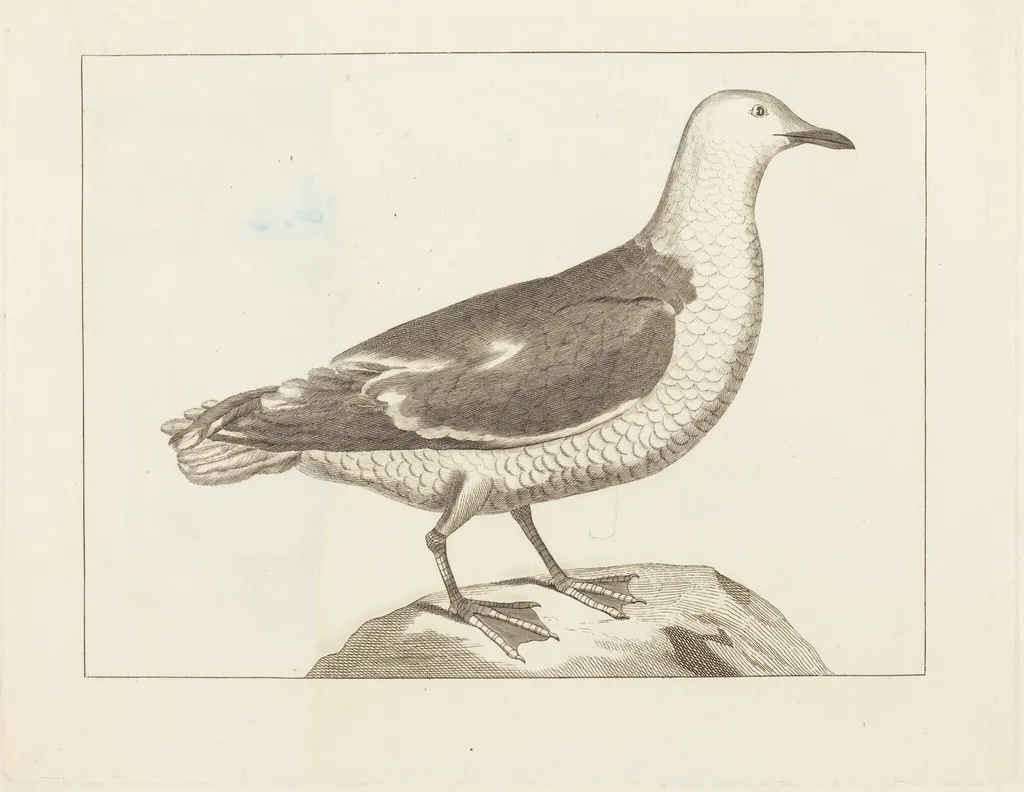
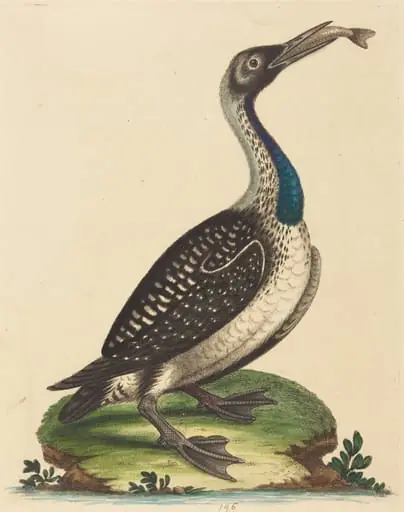
Water Fowl is an ink print by the Romanticist artist British 19th Century. It dates from 1801 and is held in the collection of the National Gallery of Art. This etching presents a solitary waterfowl perched upon a modest rock.
About this work
Overview
This etching presents a solitary waterfowl perched upon a modest rock. Rendered in monochrome, the bird faces to the right, one foot tucked beneath its body while the other steadies it on the stone. The composition is confined to the bird and its immediate support, emphasizing the creature’s form and stance without extraneous background.
Subject & Meaning
The work focuses on a single avian figure, likely intended as a study of anatomy and posture rather than narrative content. By isolating the bird, the artist invites close observation of its plumage and stance, reflecting an interest in naturalistic representation common to scientific illustration of the period.
Technique & Style
Executed through fine line etching, the image relies on cross‑hatching to model the gray‑white feathers, creating texture and depth. The precision of the incised lines captures the bird’s delicate features and the subtle gradations of tone, exemplifying the meticulous approach favored by artists documenting nature in the eighteenth and nineteenth centuries.
History & Provenance
The print belongs to a tradition of natural‑history prints produced for study and collection. While specific details of its creation and ownership are not recorded here, such works were typically circulated among scholars, collectors, and institutions interested in zoological documentation.
Artist & collection

Artist
This artist’s short life left behind a quiet obsession with water—whether the churn of a mill wheel, the choppy waves off England’s south coast, or the way light bounces off pond lilies.

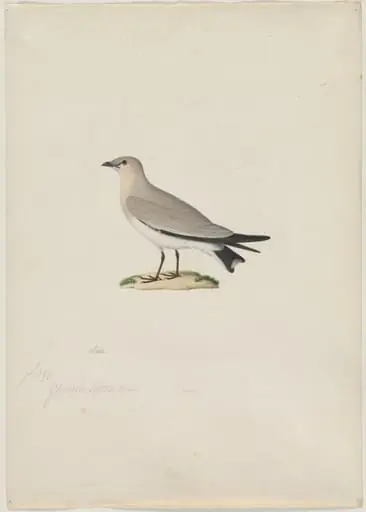 Small Pratincole (Glareola lactea)
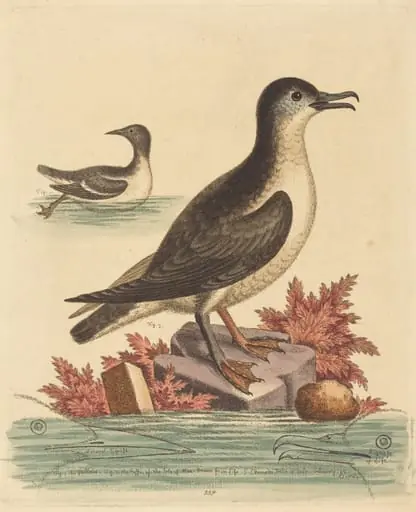 The Guillemot and the Puffin of the Isle of Man
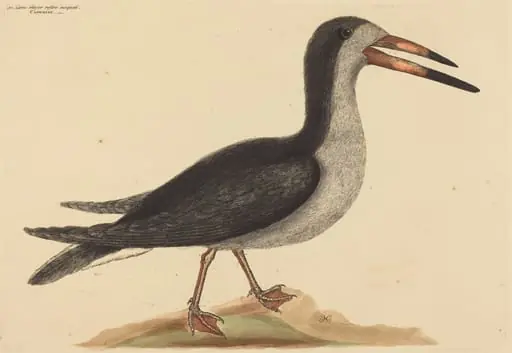 The Cutwater (Rhynchops nigra)
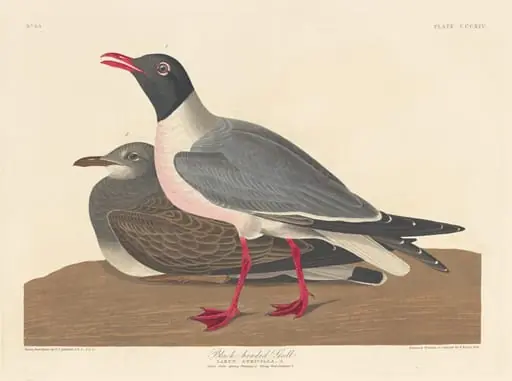 Black-headed Gull
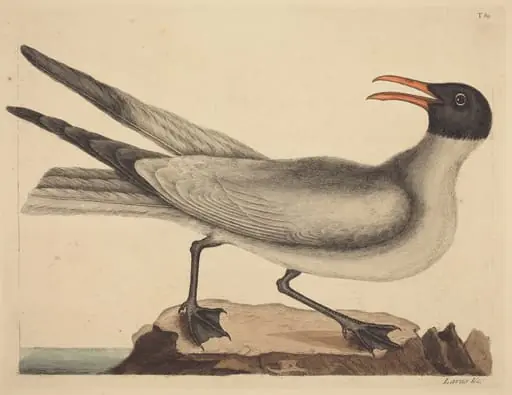 The Laughing Gull (Larus articilla)
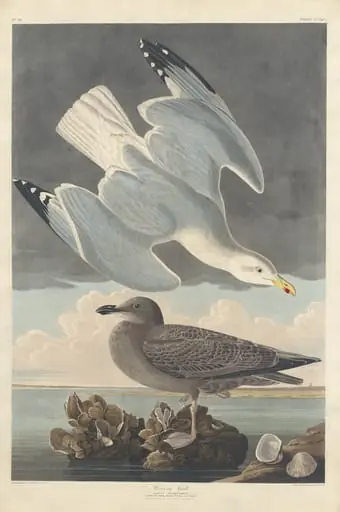 Herring Gull
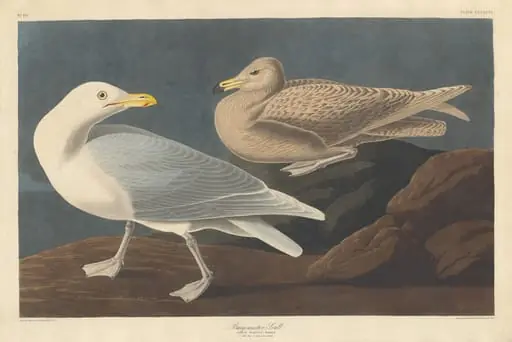 Burgomaster Gull
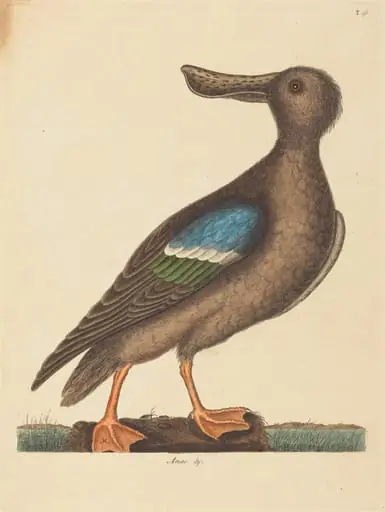 The Blue Winged Shoveler (Anas clypeata foemina)
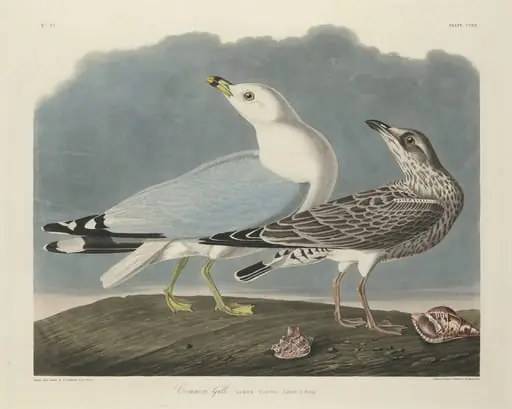 Common Gull
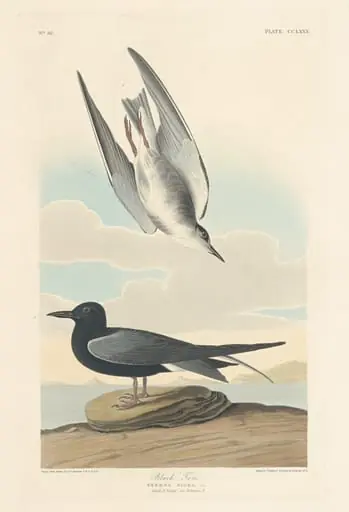 Black Tern
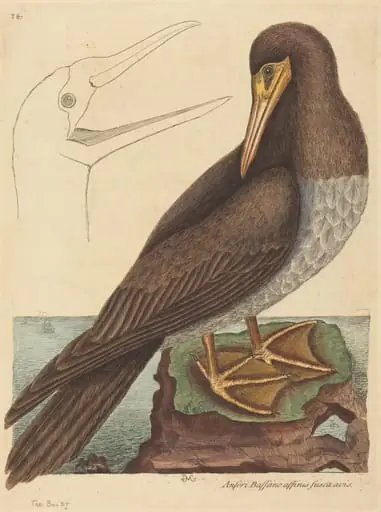 The Booby (Pelecanus Sula)
 Black and White Water-Fowl with Blue Throat