Artwork
The Laughing Gull (Larus articilla)
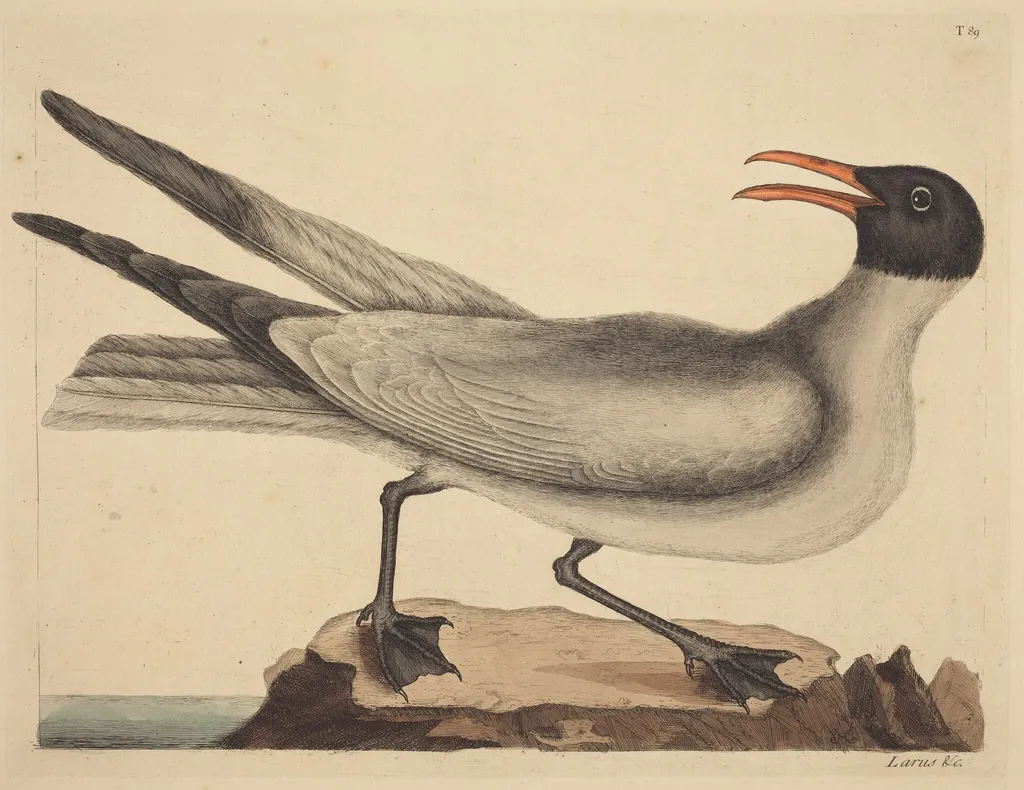
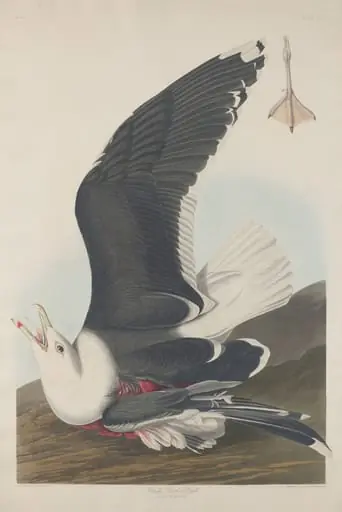
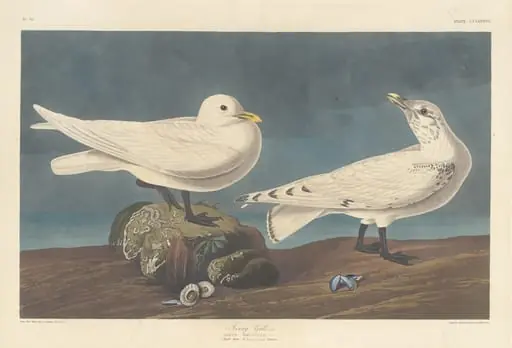
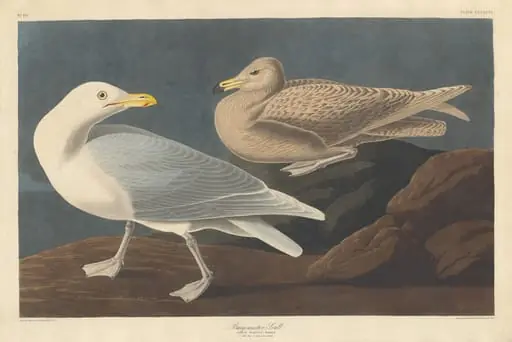
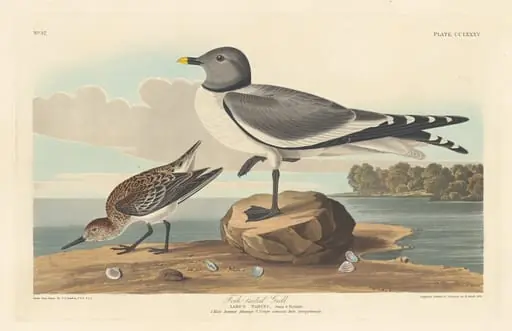
The Laughing Gull (Larus articilla) is an ink print by the Baroque artist Mark Catesby. It dates from 1737 and is held in the collection of the National Gallery of Art. Created in 1737, this print portrays a laughing gull perched on a rocky ledge with water hinted in the distance.
About this work
Overview
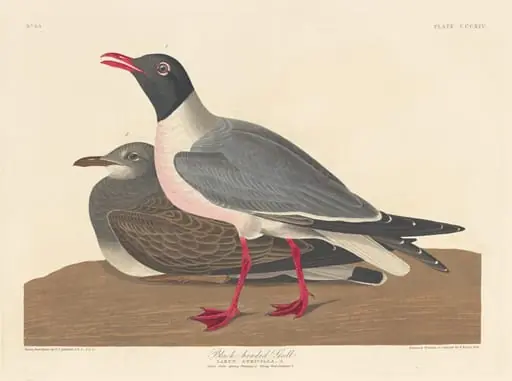
Created in 1737, this print portrays a laughing gull perched on a rocky ledge with water hinted in the distance. The bird’s white plumage, gray wings and tail, black head, and open beak convey a moment of vocal activity. Hand‑applied color on a laid‑paper surface gives the image a muted, naturalistic tone.
Subject & Meaning
The work focuses on the laughing gull (Larus articilla), a coastal bird known for its distinctive call. By depicting the gull in a tranquil shoreline setting, the image emphasizes the species’ typical habitat and behavior, serving as a visual record of its morphology and environment for scientific observation.
Technique & Style
The piece combines etching and engraving processes, allowing fine line work for the bird’s feathers and the rocky texture. After printing, color was applied by hand, a common practice in early eighteenth‑century natural history illustration to enhance realism while retaining the precision of the printmaking methods.
History & Provenance
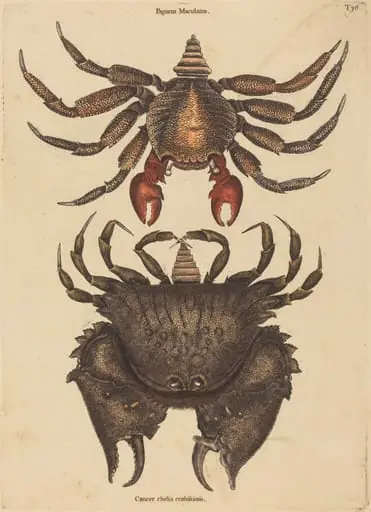
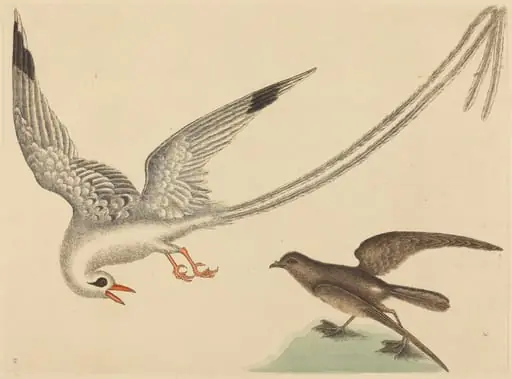
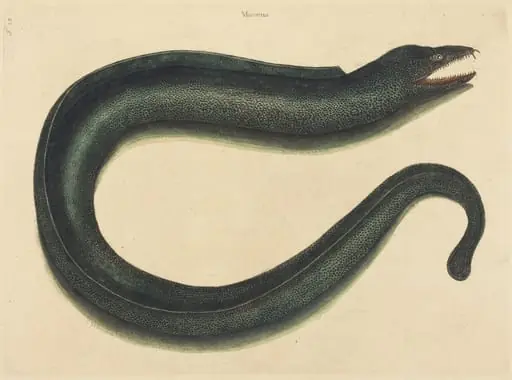
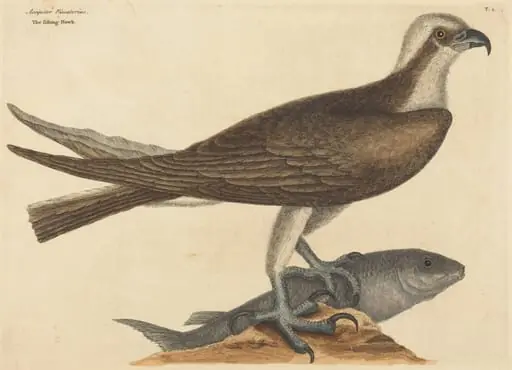
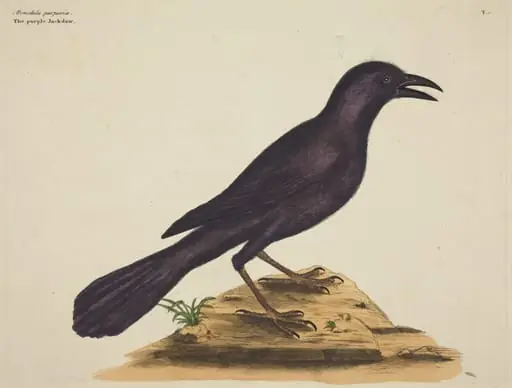
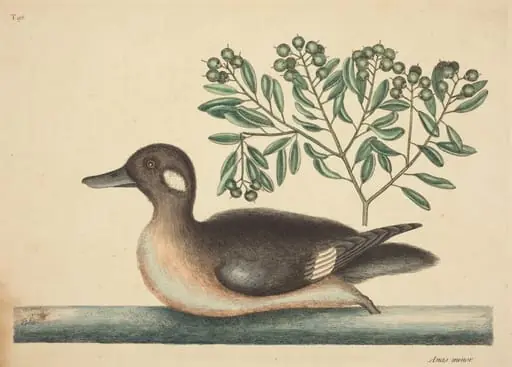
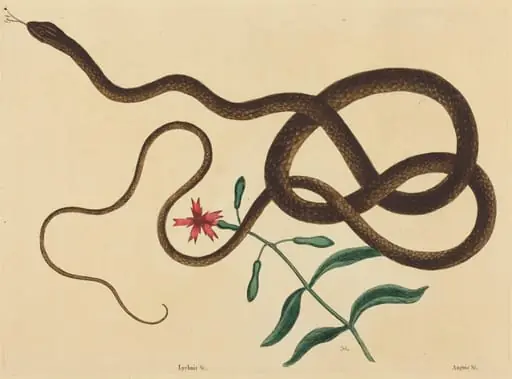
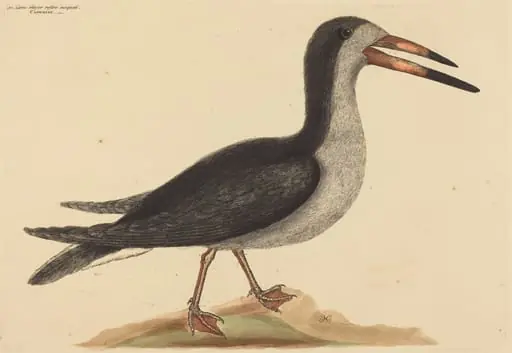
The print forms part of Mark Catesby’s extensive series of plates for his multi‑volume Natural History of Carolina, Florida and the Bahama Islands, issued between 1729 and 1747. That publication presented 220 illustrated plates and represented the first systematic visual survey of North American flora and fauna.
Context
Catesby, an English naturalist and explorer, produced the image during his travels in the American colonies, where he documented local wildlife for European audiences. The laughing gull plate reflects his broader aim to compile accurate, illustrated accounts of New World species, contributing to early transatlantic scientific exchange.
Artist & collection

Artist
Mark Catesby (24 March 1683 – 23 December 1749) was an English naturalist who studied the flora and fauna of the New World.