Artwork
Jupiter
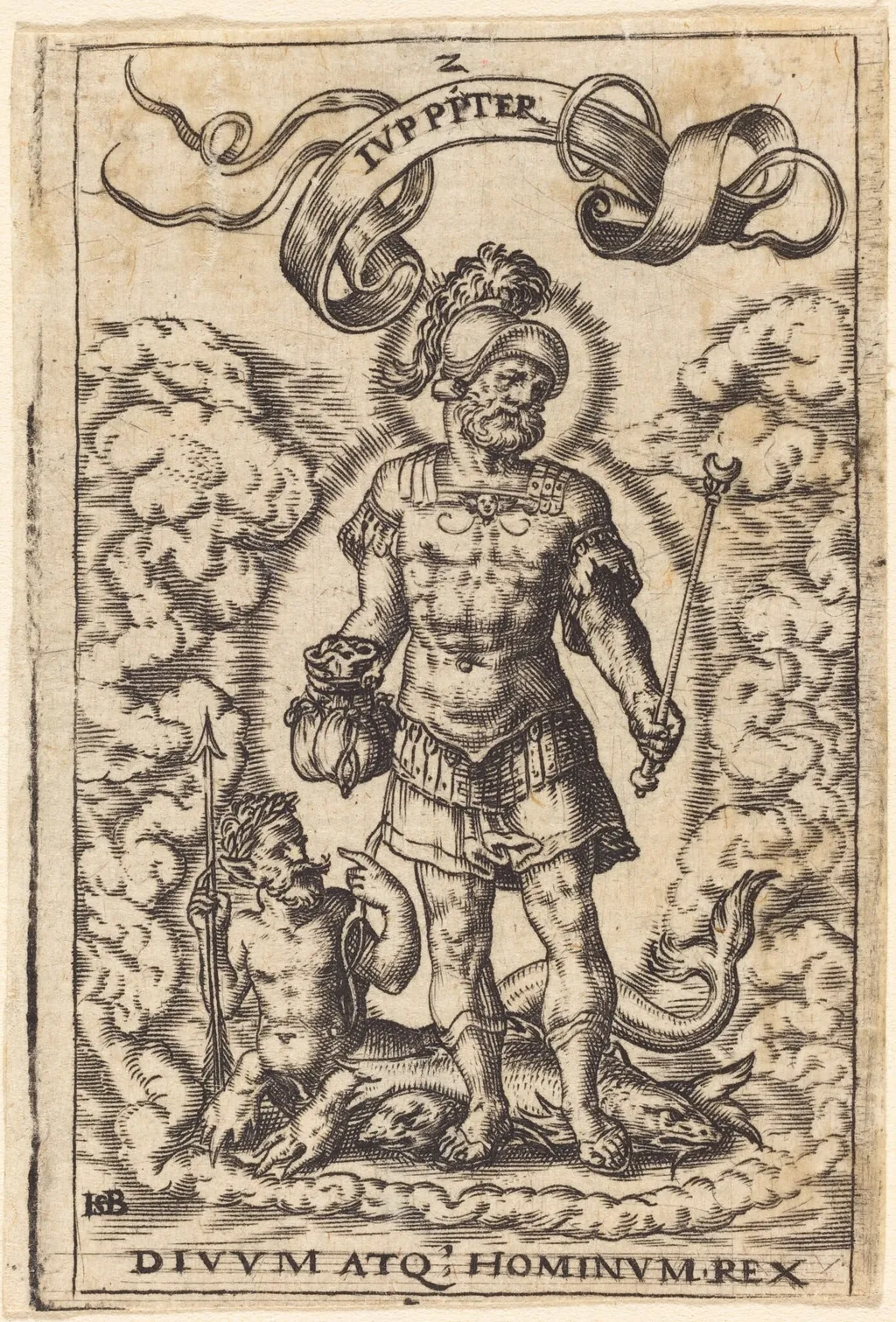
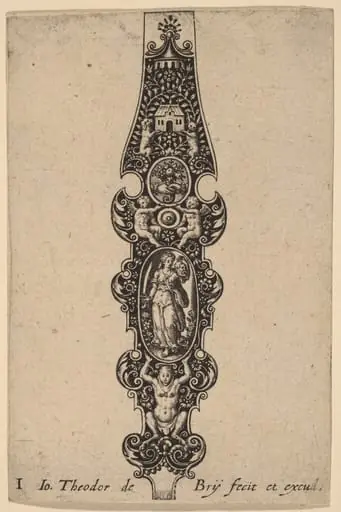
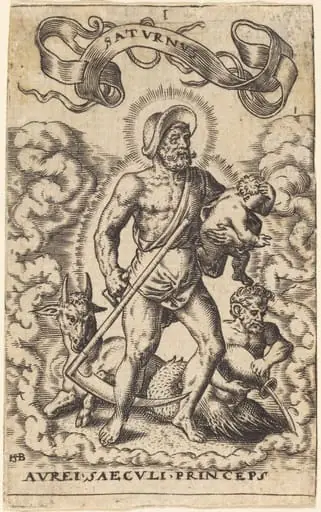
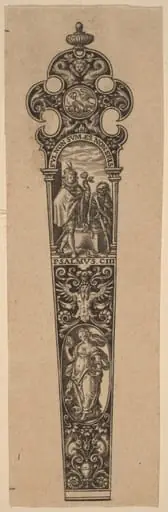
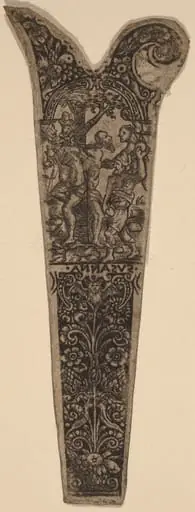
Jupiter is an ink print by the Renaissance artist Theodor de Bry. It dates from 1584 and is held in the collection of the National Gallery of Art.
About this work
Overview
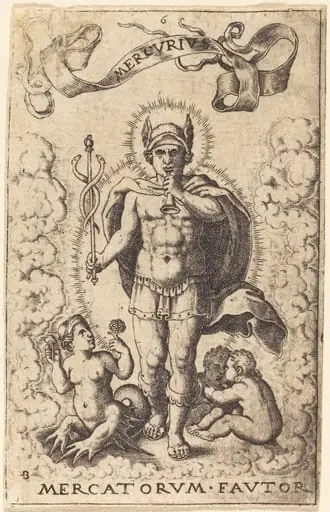
Jupiter is an engraving created by Theodor de Bry in 1584. The work depicts a mythological figure, identifiable as Jupiter, through intricate details and symbolic elements.
Subject & Meaning
The engraving portrays Jupiter, the Roman king of the gods, adorned with a feathered crown, staff, and bundle, accompanied by snakes and a lion. The inscription 'DIVVM ATQ; HOMINVM REX' (King of Gods and Men) reinforces his divine and earthly authority.
Technique & Style
De Bry employed fine-line engraving techniques to achieve contrasting dark and light areas, lending depth to the composition. The style reflects his experience in detailed printmaking, often used to document voyages and cultural encounters.
History & Provenance
Created during de Bry's time in Frankfurt, after fleeing the Southern Netherlands due to religious persecution, 'Jupiter' is part of his extensive body of engraved works produced in the late 16th century.
Context
While primarily a mythological subject, 'Jupiter' might also subtly reflect de Bry's interests in power dynamics, given his background of navigating religious and political upheaval in Europe.
Legacy
As part of de Bry's oeuvre, 'Jupiter' contributes to the broader legacy of 16th-century European engraving, particularly in the depiction of mythological and symbolic themes. However, its specific impact or notable exhibitions are not highlighted in the provided sources.
Artist & collection
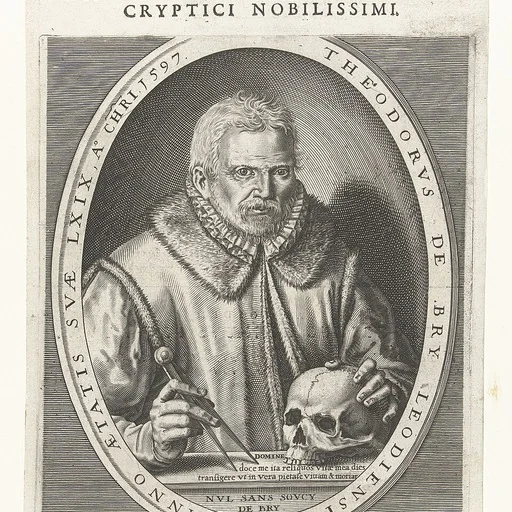
Artist
Theodor de Bry (also Theodorus de Bry; 1528 – 27 March 1598) was a Walloon engraver, goldsmith, editor and publisher, famous for his depictions of early European expeditions to the Americas.