Artwork
Coat of Arms with a Single Eagle
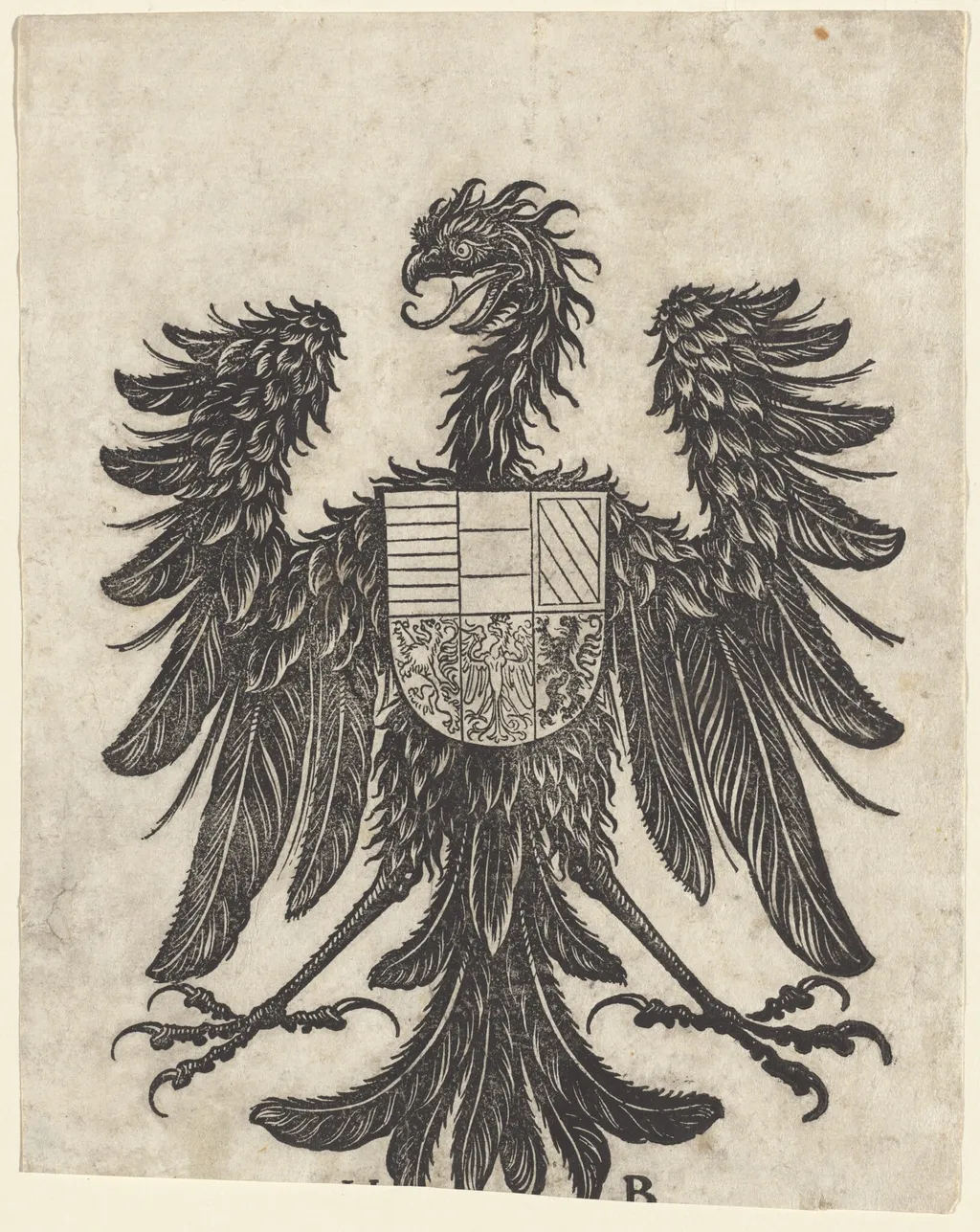
Coat of Arms with a Single Eagle is an ink print by the Renaissance artist Hans Burgkmair the Elder. It dates from 1505 and is held in the collection of the National Gallery of Art. Created around 1505, this woodcut by Hans Burgkmair I depicts a heraldic eagle rendered in black ink on laid paper.
About this work
Overview
Its composition follows traditional heraldic conventions, emphasizing symmetry and symbolic clarity rather than naturalism.
Created around 1505, this woodcut by Hans Burgkmair I depicts a heraldic eagle rendered in black ink on laid paper. The image is a single-color print, typical of early Renaissance German printmaking. Its composition follows traditional heraldic conventions, emphasizing symmetry and symbolic clarity rather than naturalism. The work was likely produced for reproduction and distribution, serving as a portable emblem of authority.
Subject & Meaning
The central figure is a single-headed eagle, a long-standing symbol of imperial power in the Holy Roman Empire. Its outstretched wings and gripping claws suggest vigilance and dominion. The shield on its chest, divided into four quarters and crowned, likely represents a noble lineage or territorial claim. The leafy branch beneath its feet may allude to territorial roots or dynastic continuity, common in heraldic iconography of the period.
Technique & Style
Executed as a woodcut, the image was carved into a wooden block, with raised areas inked and pressed onto paper. Burgkmair employed fine, controlled lines to render feather textures and the shield’s divisions, demonstrating mastery of linear detail. The absence of shading and reliance on contrast reflect the medium’s constraints and the era’s preference for bold, legible forms suited to mass reproduction and symbolic clarity.
History & Provenance
The print originates from the early 16th-century German printing culture, where woodcuts were widely used for heraldic, religious, and political imagery. While specific ownership records are sparse, similar works by Burgkmair circulated among nobility and civic institutions. Its survival suggests it was valued as a reference or decorative item, possibly used in documents or displayed in private collections.
Context
In the decades before the Reformation, heraldic imagery played a key role in asserting identity and legitimacy. Burgkmair, active in Augsburg, produced numerous prints for patrons seeking to project status. This eagle design aligns with imperial and aristocratic emblems circulating across Central Europe, reflecting a visual language shared among ruling families and urban elites seeking to affirm their place in the political order.
Legacy
Though not widely reproduced in later centuries, this woodcut exemplifies the transition from manuscript illumination to print-based heraldry. Burgkmair’s precision influenced subsequent generations of German printmakers. The work remains a documented artifact of how visual symbols were standardized and disseminated in early modern Europe, contributing to the visual vocabulary of power in the age of print.
Artist & collection
Artist
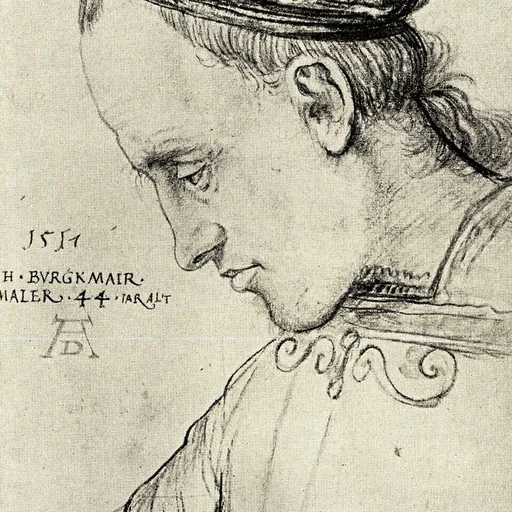
Hans Burgkmair the Elder (1473–1531) was a German artist, born in Augsburg.

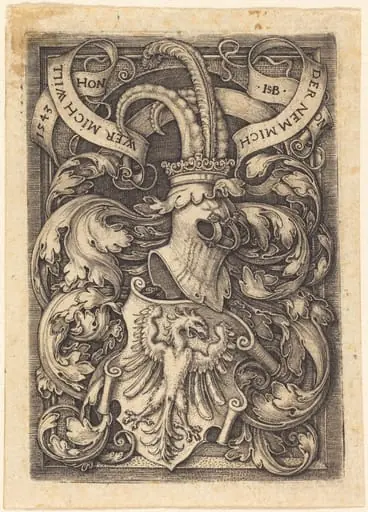 Coat of Arms with an Eagle
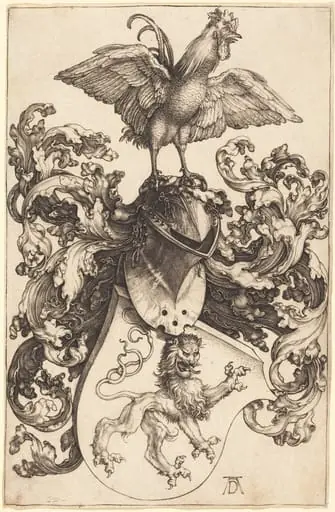 Coat of Arms with a Lion and a Cock
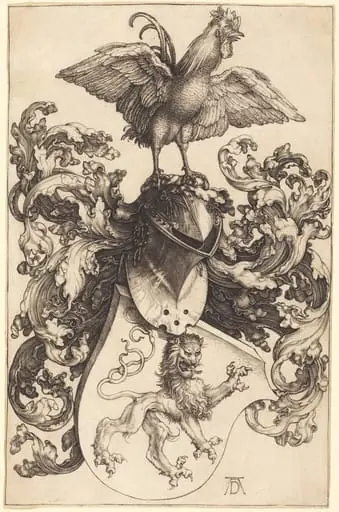 Coat of Arms with a Lion and a Cock
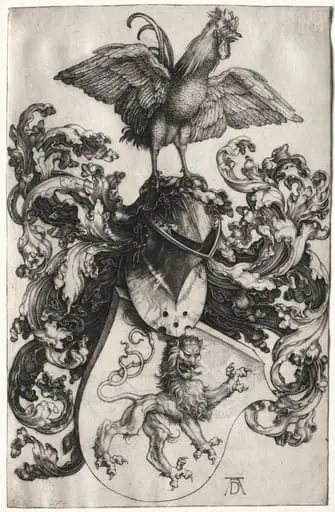 The Coat of Arms with a Lion and Cock
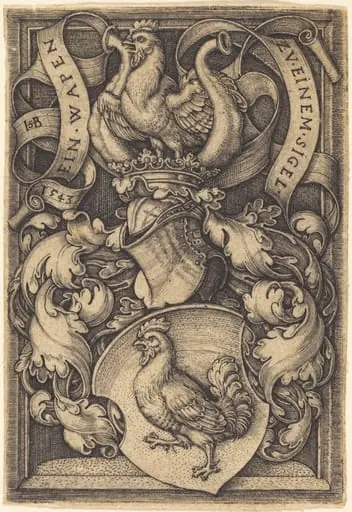 Coat of Arms with a Cock
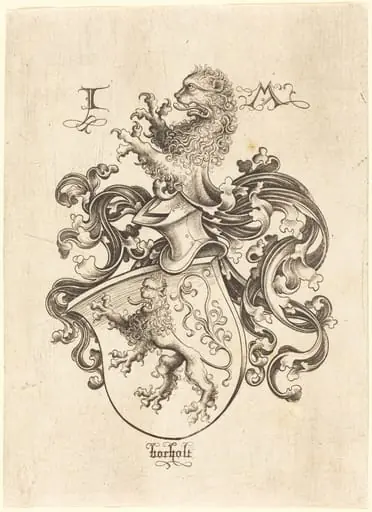 Coat of Arms with Lion
 Coat of Arms
 Bookplate: Coat of Arms
 Coat of Arms with a Lion and Unicorn
 Ornament with Eagle and Two Genii
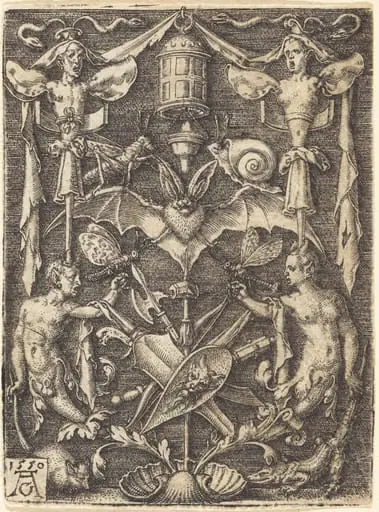 Ornament with Trophy of Arms