Artwork
Lucretia, Veturia and Virginia
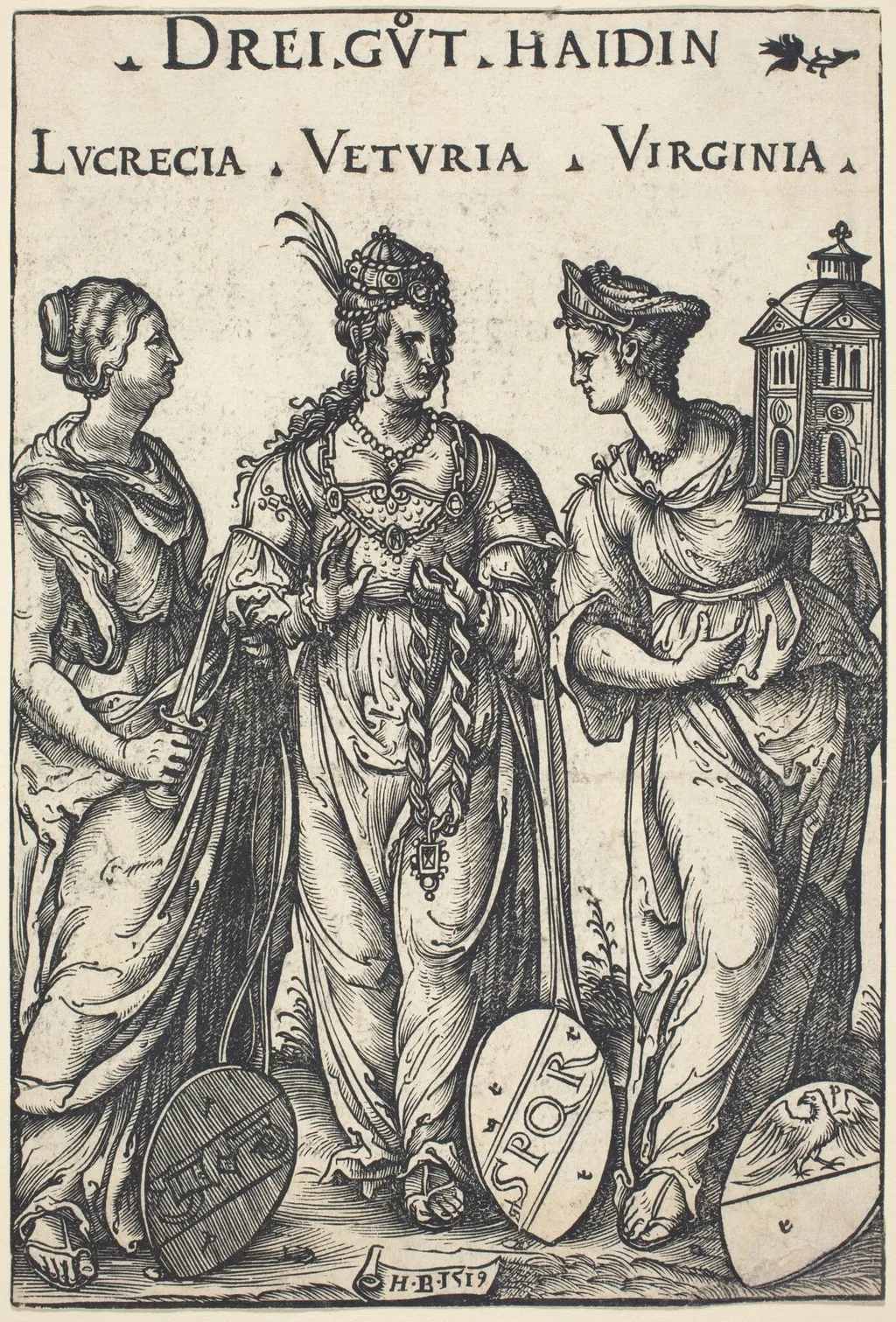
Lucretia, Veturia and Virginia is an ink print by the Renaissance artist Hans Burgkmair the Elder. It dates from 1516 and is held in the collection of the National Gallery of Art.
About this work
Overview
Lucretia, Veturia and Virginia is a 1516 woodcut print by Hans Burgkmair I, depicting three figures of ancient Roman virtue in a classical setting.
Subject & Meaning
The print portrays three exemplary Roman women: Lucretia (left, with sword, symbolizing martyrdom for honor), Veturia (center, crowned, with shield, embodying maternal devotion), and Virginia (right, in a toga, holding a building, representing purity and civic virtue). Their grouping highlights female moral exemplars from Roman history.
Technique & Style
Executed in woodcut, the piece showcases Burgkmair's mastery of the medium through detailed textures, shading, and contrast, which create depth and draw attention to the central figure. The classical style, with its attention to detail and thematic focus, aligns with Renaissance artistic values.
History & Provenance
Created in 1516 by Hans Burgkmair I, a prominent figure in Nuremberg's Renaissance art scene. Provenance details are not specified in available information.
Context
This work reflects the Renaissance humanist interest in classical Roman virtues and the revival of interest in ancient histories as moral guides. It may have been intended for an educated audience familiar with Roman legends.
Legacy
As part of Burgkmair's oeuvre, it contributes to the broader legacy of Renaissance woodcuts in Northern Europe, though its specific influence or reception history is not detailed in the provided sources.
Artist & collection
Artist
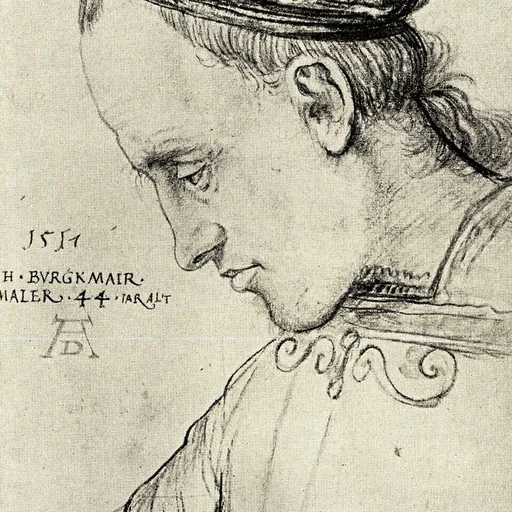
Hans Burgkmair the Elder (1473–1531) was a German artist, born in Augsburg.

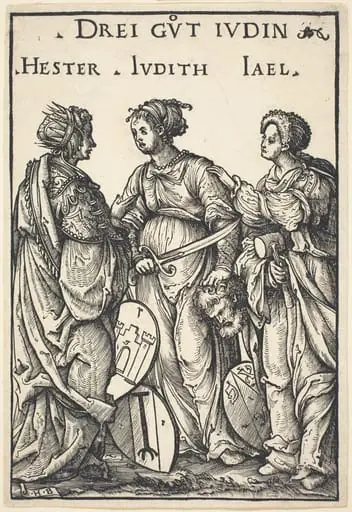 Hester, Judith and Jael
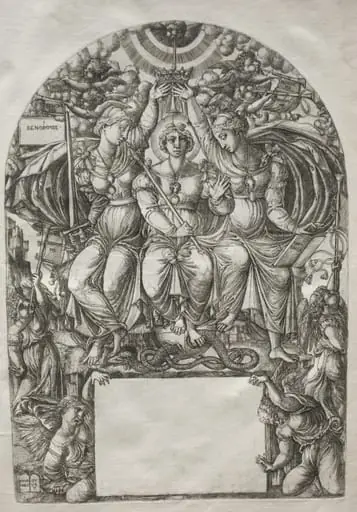 The Royal Majesty
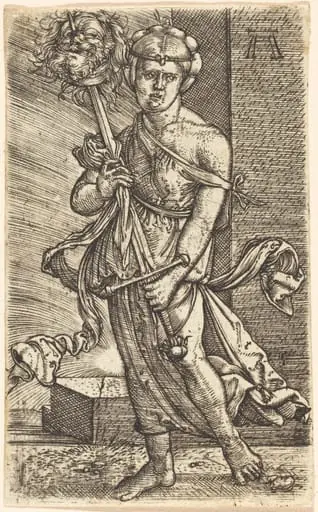 Judith with the Head of Holofernes
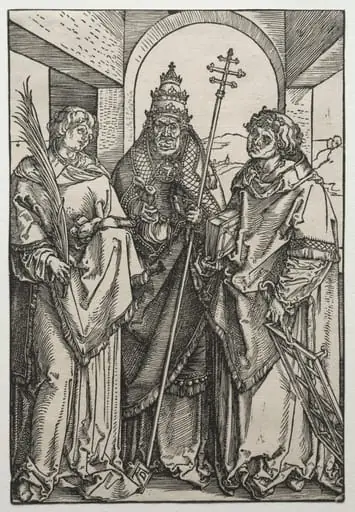 Saints Stephen, Sixtus and Laurence
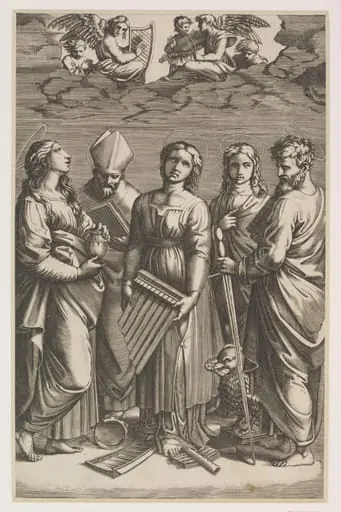 Saint Cecilia
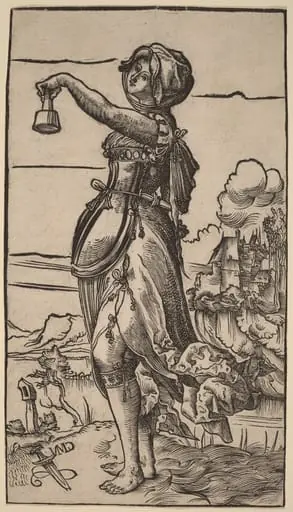 Foolish Virgin
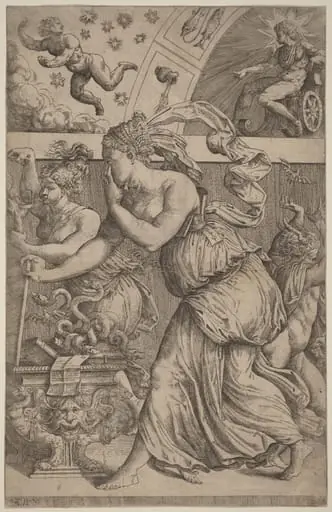 Pandora Opening Her Box
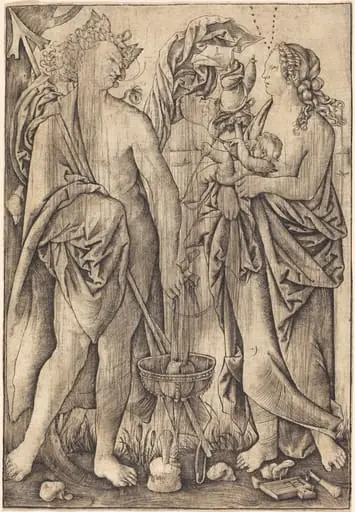 Mars and Venus (Mercury and Venus?)
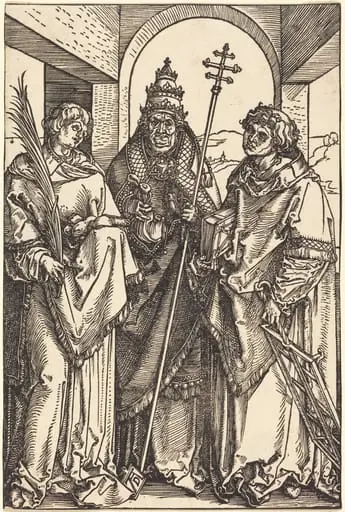 Saints Stephen, Sixtus, and Lawrence
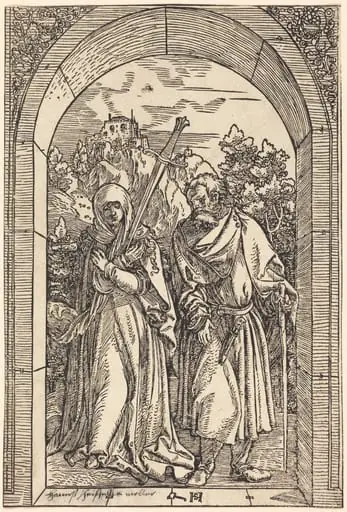 Mater Dolorosa and Saint Joseph
 Two Women with the Zodiac
 Alliance of Peace and Abundance