Artwork
Hester, Judith and Jael
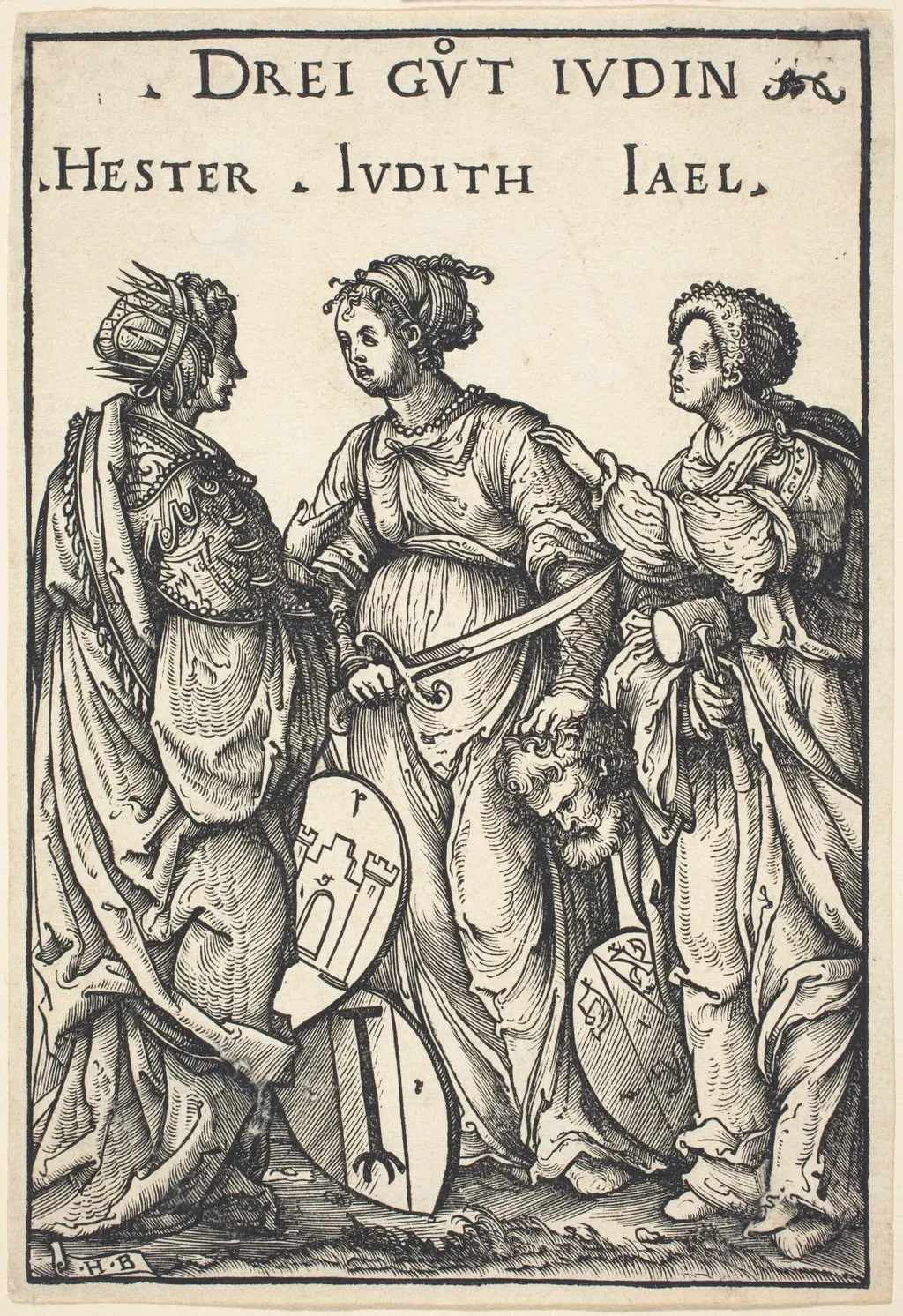
Hester, Judith and Jael is an ink print by the Renaissance artist Hans Burgkmair the Elder. It dates from 1516 and is held in the collection of the National Gallery of Art.
About this work
Overview
Each woman is rendered with precise, clean lines characteristic of the woodcut technique, emphasizing form and narrative clarity over atmospheric depth.
Created in 1516 by Hans Burgkmair I, this black-and-white woodcut depicts three biblical heroines—Hester, Judith, and Jael—standing side by side. The composition is spare, with no background detail, focusing attention on the figures and their symbolic attributes. Each woman is rendered with precise, clean lines characteristic of the woodcut technique, emphasizing form and narrative clarity over atmospheric depth.
Subject & Meaning
The three women are drawn from biblical stories in which they used cunning to defeat male adversaries: Hester saved her people from genocide, Judith beheaded the general Holofernes, and Jael drove a tent peg through the skull of the enemy commander Sisera. Their grouping underscores a theme of divine justice channeled through female agency, presenting them as moral and strategic exemplars rather than mere warriors.
Technique & Style
Burgkmair employed the woodcut method, carving lines into a wooden block to create a relief print. The sharp, controlled strokes define the folds of garments, the contours of armor, and the texture of the severed head with remarkable precision. The absence of shading and the reliance on line alone reflect the medium’s constraints, yet the artist maximized its potential for clarity and symbolic emphasis.
History & Provenance
The print was produced during the early years of the German Renaissance, a period when woodcuts were widely used for religious and moral instruction. Though specific early ownership records are sparse, the work aligns with Burgkmair’s output for imperial patrons and religious audiences. Its survival in multiple institutional collections suggests it was circulated and valued in its time.
Context
In early 16th-century Europe, images of virtuous women from scripture served as both devotional aids and political allegories. Burgkmair’s depiction reflects the humanist interest in classical and biblical heroines, while also responding to the Reformation’s emphasis on scriptural literacy. The print’s clarity made it suitable for reproduction and dissemination among literate and non-literate audiences alike.
Legacy
This woodcut contributed to a broader visual tradition of female biblical figures as symbols of courage and divine favor. While not widely replicated, its compositional clarity and thematic focus influenced later Northern European prints. It remains a key example of how printmaking could convey complex moral narratives with minimal means, shaping public perceptions of female agency in religious contexts.
Artist & collection
Artist
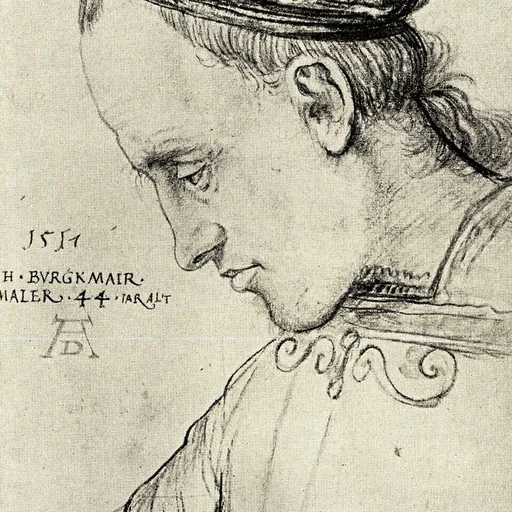
Hans Burgkmair the Elder (1473–1531) was a German artist, born in Augsburg.

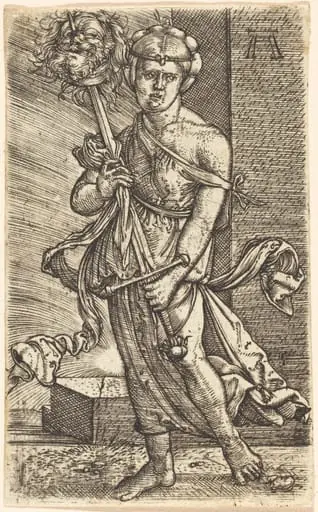 Judith with the Head of Holofernes
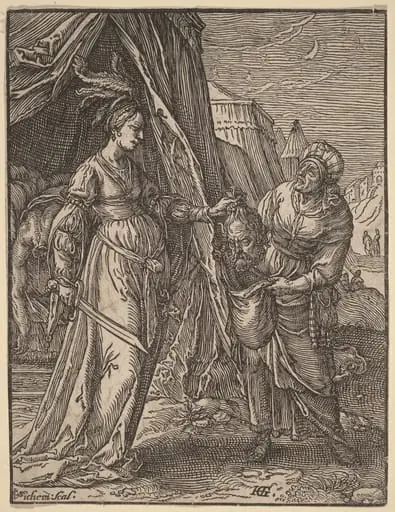 Judith with the Head of Holofernes
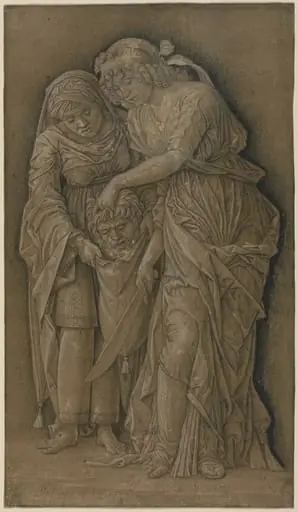 Judith with the Head of Holofernes
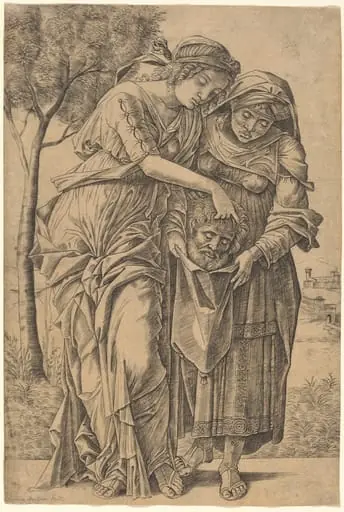 Judith with the Head of Holofernes
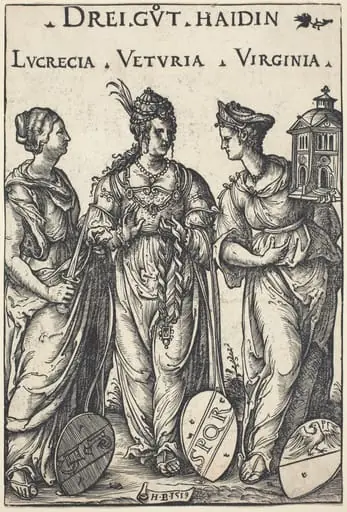 Lucretia, Veturia and Virginia
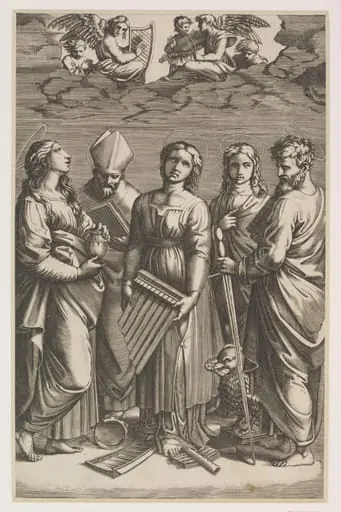 Saint Cecilia
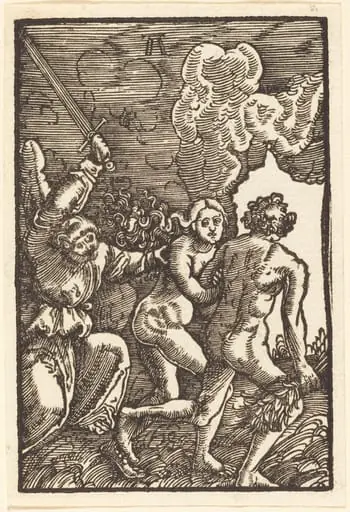 Expulsion from Paradise
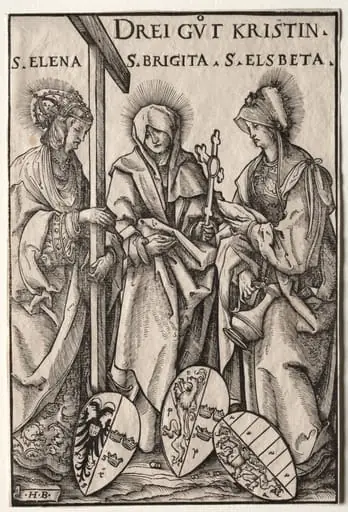 The Three Christian Heroines: Saints Helen, Bridget and Elizabeth
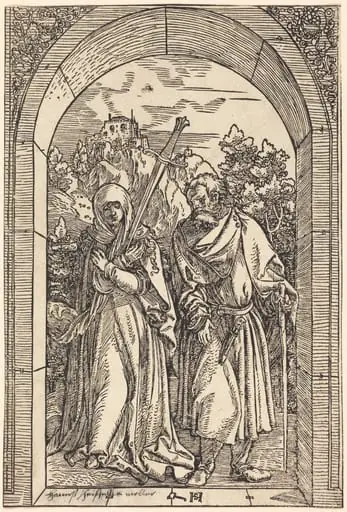 Mater Dolorosa and Saint Joseph
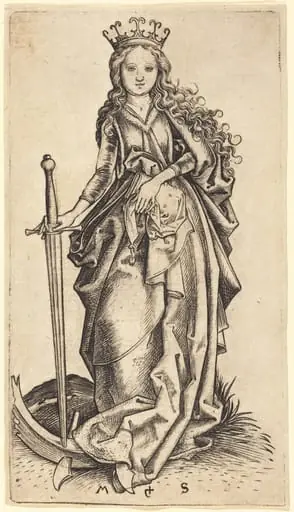 Saint Catherine of Alexandria
 The Royal Majesty
 Judith