Artwork
The Royal Majesty
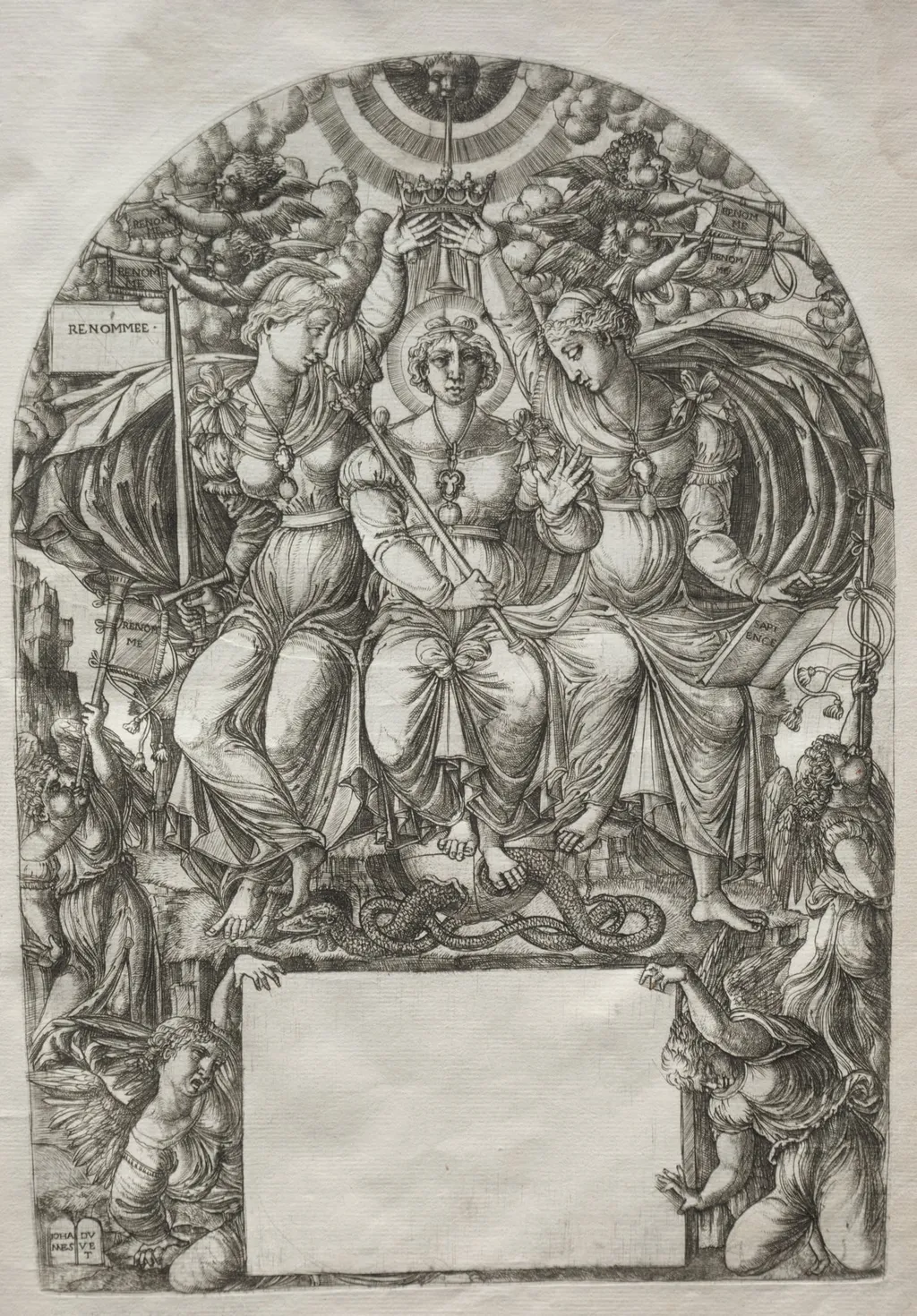
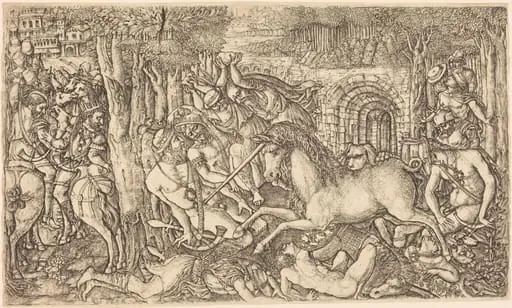
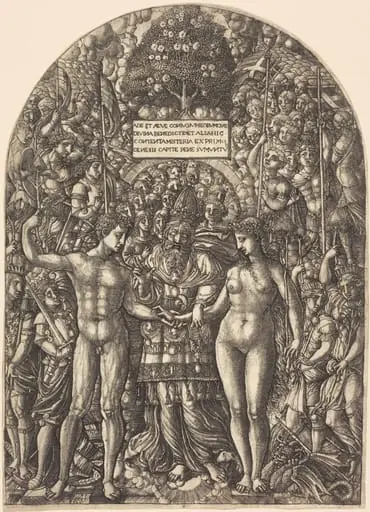
The Royal Majesty is a print by the Renaissance artist Jean Duvet. It dates from 1561 and is held in the collection of the Cleveland Museum of Art. This print belongs to a bound series of twenty-three engravings depicting scenes from the Book of Revelation.
About this work
Overview
Created by Jean Duvet over many years, the complete set is exceptionally rare, with only seven known surviving volumes.
This print belongs to a bound series of twenty-three engravings depicting scenes from the Book of Revelation. Created by Jean Duvet over many years, the complete set is exceptionally rare, with only seven known surviving volumes. The Cleveland Museum of Art holds one of these rare complete editions, offering a rare glimpse into Duvet’s sustained engagement with apocalyptic imagery and his distinctive visual language.
Subject & Meaning
The series illustrates the prophetic visions of Saint John, portraying divine judgment, celestial beings, and the fall of earthly powers. This particular image captures a moment of royal authority within the apocalyptic narrative, likely symbolizing the divine throne or the corrupt earthly rulers destined for judgment. The figures and symbols are not literal but allegorical, designed to convey spiritual upheaval and cosmic order.
Technique & Style
Duvet employed fine-line engraving to build dense, intricate compositions. His figures, though rooted in the sculptural solidity of Italian High Renaissance models, are arranged in flattened, ornamental planes that reject perspectival depth. Elaborate drapery, repetitive patterns, and crowded forms create a sense of visual overload, reflecting a personal style that prioritizes symbolic intensity over spatial logic.
History & Provenance
Jean Duvet, based in the provincial town of Langres, produced this series between the 1540s and 1560s. Despite his geographic isolation, he absorbed Italian artistic trends through imported prints, particularly those by Marcantonio Raimondi. The rarity of complete sets suggests limited initial circulation, likely due to the complexity and cost of production, making surviving volumes historically significant artifacts of 16th-century French printmaking.
Context
Duvet worked during a period of religious upheaval in France, as Protestant reformers challenged Catholic doctrine. His apocalyptic imagery resonated with contemporary anxieties about divine retribution and moral decay. Though not overtly polemical, the series reflects the spiritual tension of the era, using visual complexity to convey the overwhelming nature of divine revelation in a time of doctrinal conflict.
Legacy
Duvet’s work stands apart from his contemporaries for its idiosyncratic fusion of Italianate form and Northern European detail. Though largely overlooked in his lifetime, his engravings later attracted scholarly attention for their psychological intensity and formal innovation. Today, his series is recognized as a unique contribution to Renaissance printmaking, valued for its personal vision rather than its conformity to prevailing styles.
Artist & collection

Artist
Jean Duvet (1485 – after 1562) was a French Renaissance goldsmith and engraver, now best known for his engravings.

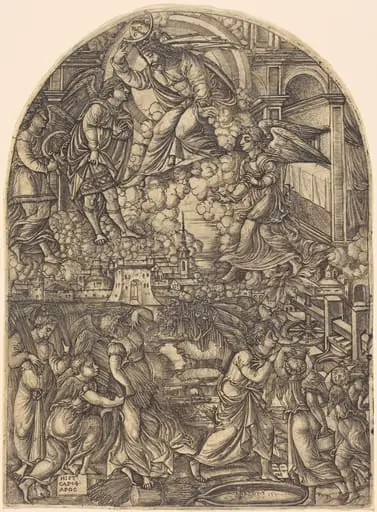
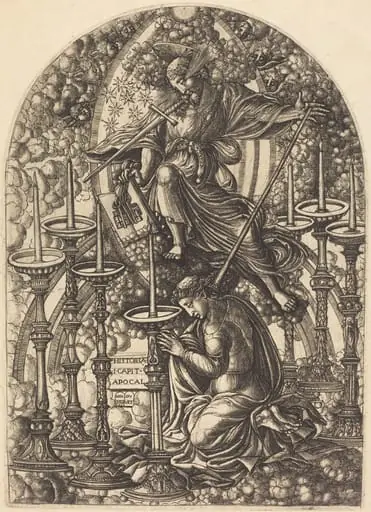
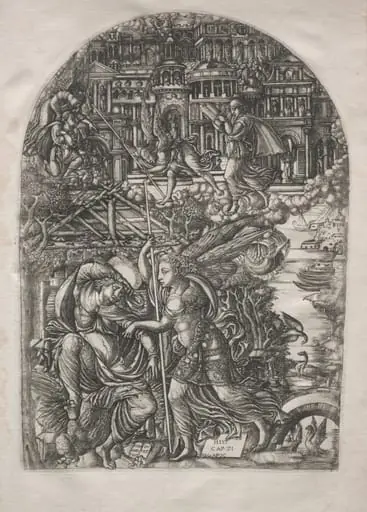 The Apocalypse: The Angel Shows St. John the New Jerusalem
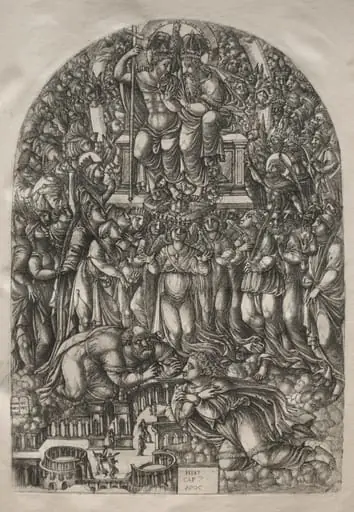 The Apocalypse: An Innumerable Multitude Which Stand before the Throne
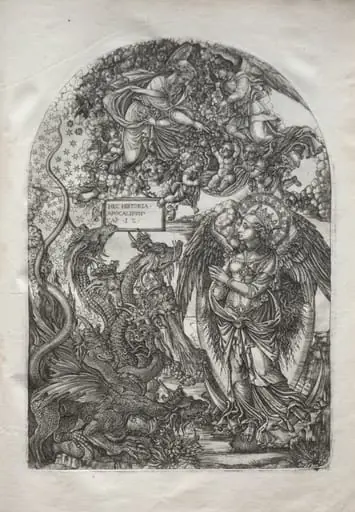 The Apocalypse: St. Michael and the Dragon
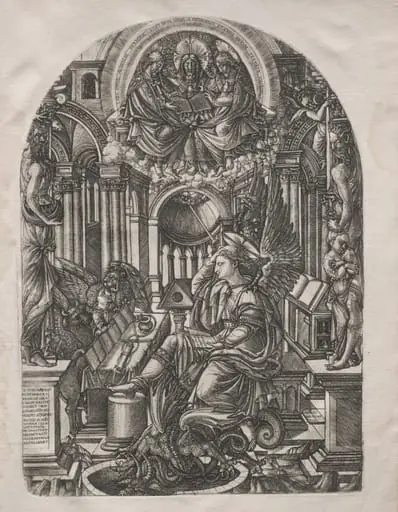 The Apocalypse: St. John on the Island of Patmos
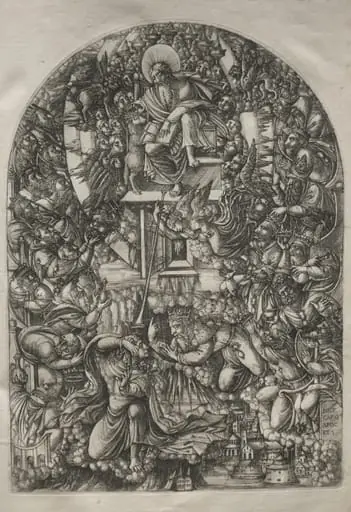 The Apocalypse: St. John Summoned to Heaven
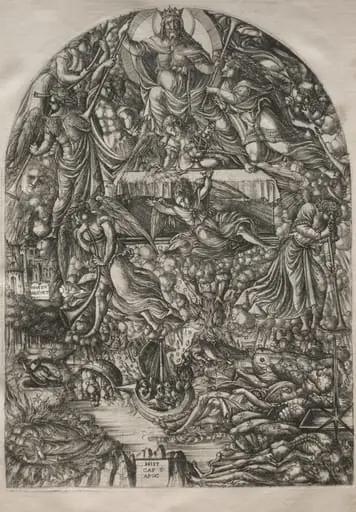 The Apocalypse: The Opening of the Seventh Seal
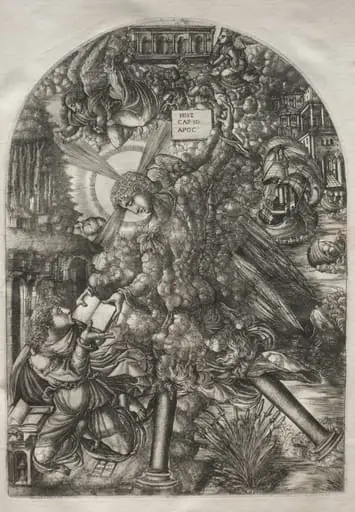 The Apocalypse: The Angel Gives St. John the Book to Eat
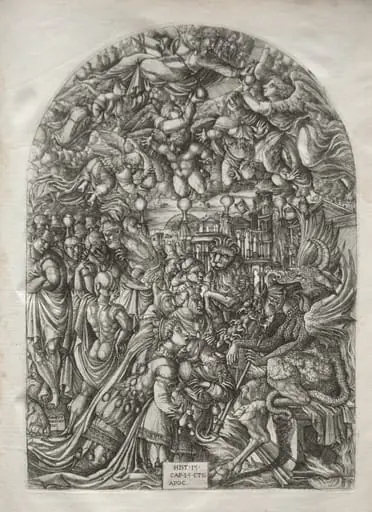 The Apocalypse: The Woman Clothed with the Sun
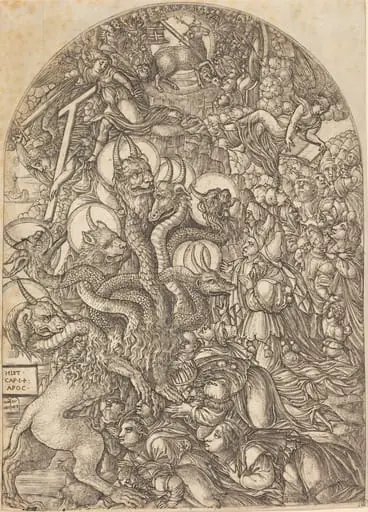
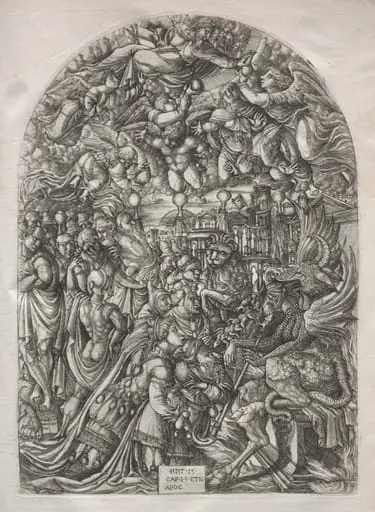 The Apocalypse: The Dragon with Two Horns and the Beast with Seven
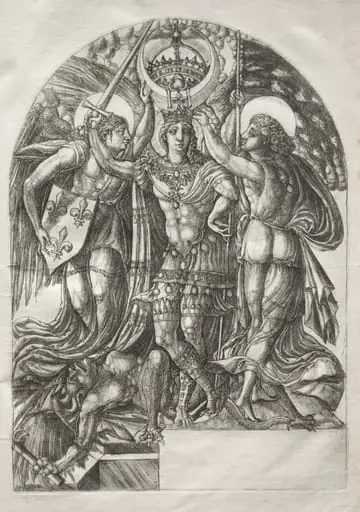 Henry II, King of France
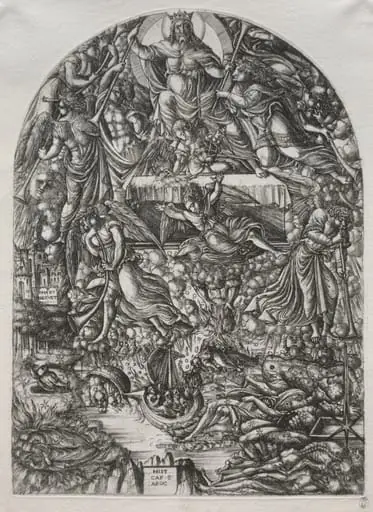 The Apocalypse: The Opening of the Seventh Seal