Artwork
Title Plate
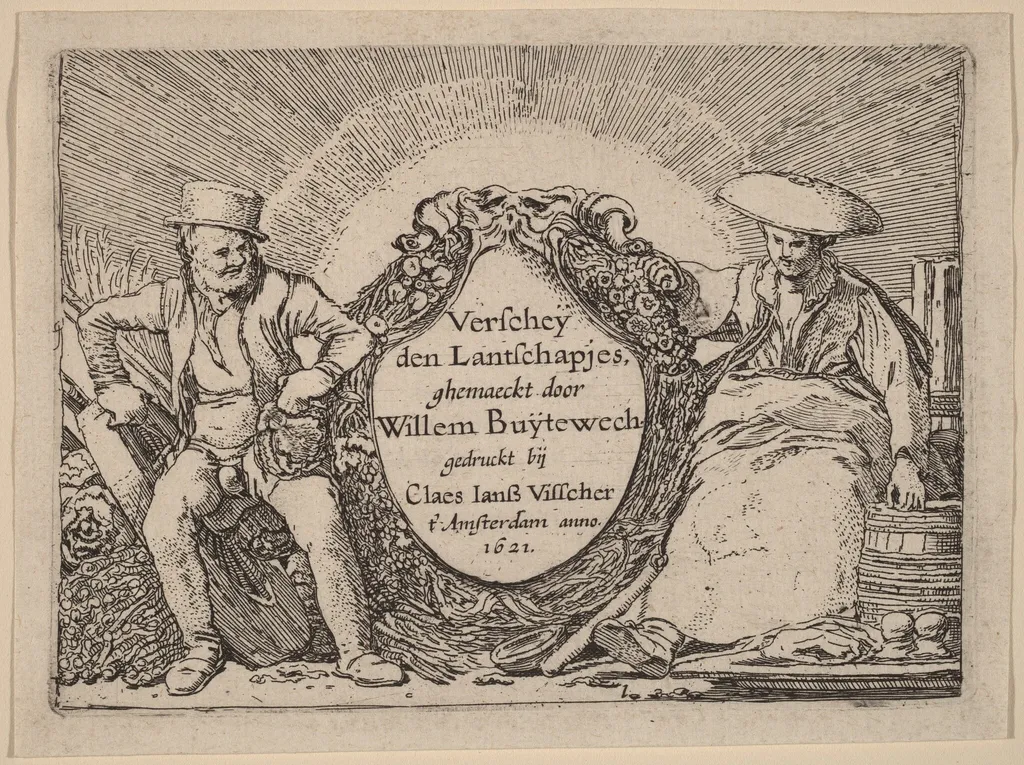
Title Plate is an ink print by the Baroque artist Willem Buytewech. It dates from 1621 and is held in the collection of the National Gallery of Art.
About this work
This etching is a title plate, which is a page at the beginning of a book.
It has text and decorations, showing the artist's skill with detail. The etching is from 1621, and it's interesting because it's one of the few works we have from the artist, who died that same year.
You can learn more about this technique by looking into the method of etching.
Overview
Created in 1621, the Title Plate is an etching by Willem Buytewech, functioning as a frontispiece for a printed book. As one of the few surviving works by the artist, it holds particular significance given his death in the same year. The plate combines textual elements with ornamental imagery, reflecting its role as both a functional and decorative component in early modern publishing.
Subject & Meaning
The plate features a central inscription, likely the book’s title or dedication, framed by elaborate scrollwork and figural motifs. These decorative elements serve to elevate the text’s importance, signaling the volume’s scholarly or literary value. The imagery, though not narrative, conveys a sense of refinement and intellectual prestige typical of early 17th-century book production.
Technique & Style
Buytewech employed etching to achieve fine, controlled lines and intricate detail. The work demonstrates mastery of the medium’s capacity for delicate patterning, with fluid curves and precise cross-hatching defining the ornamental borders. The composition balances textual clarity with visual richness, showcasing the artist’s ability to adapt his draftsmanship to the demands of print design.
History & Provenance
The plate was produced shortly before Buytewech’s death in 1621, making it one of his final known works. Its survival is rare, as many such title pages were discarded after binding. The etching likely originated in the Netherlands, where Buytewech worked, and may have accompanied a publication by a local printer or publisher active in the early 1620s.
Context
In early 17th-century Dutch publishing, title plates were essential for identifying and legitimizing printed works. Artists like Buytewech were often commissioned to design them, blending calligraphy with decorative arts. This plate reflects a broader trend in which printmakers contributed to the visual culture of books, bridging fine art and commercial printing.
Legacy
Though Buytewech’s output was limited, his Title Plate exemplifies the skill required in book illustration during the Dutch Golden Age. It remains a key reference for understanding how etching was used beyond fine art prints, contributing to the aesthetic standards of printed materials. Its rarity underscores the fragility of ephemeral print culture from this period.
Artist & collection


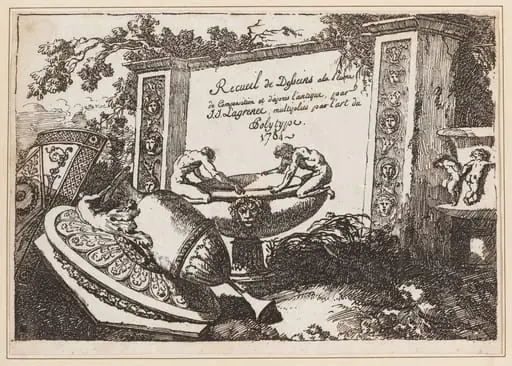 Title Page
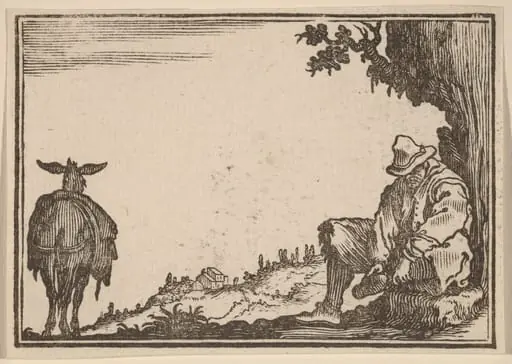 Peasant Removing His Shoe
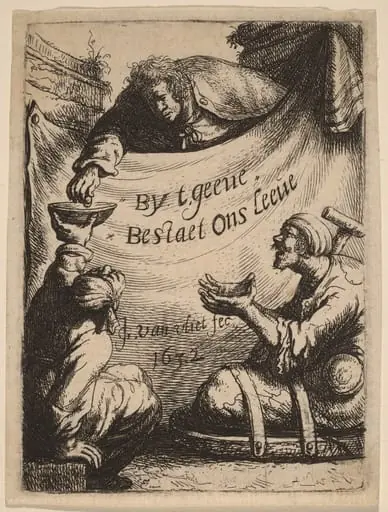 Title Page: Two Cripples Receiving Alms
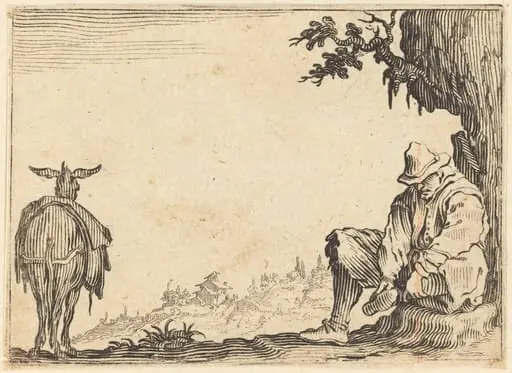 Peasant Removing His Shoe
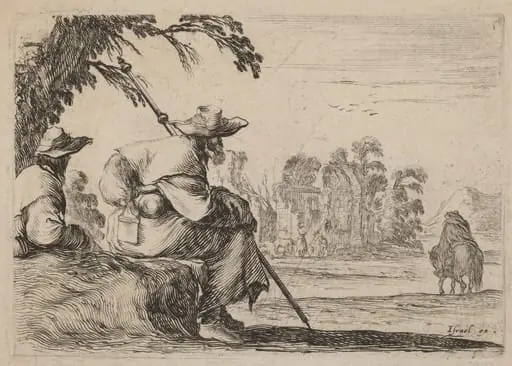 Seated Pilgrims
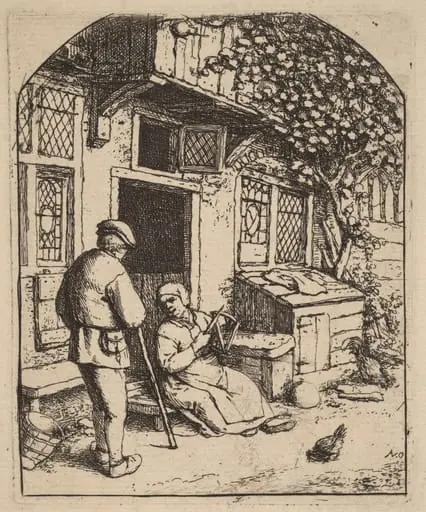 Two Peasants Outside a House, the Woman Winding Wool
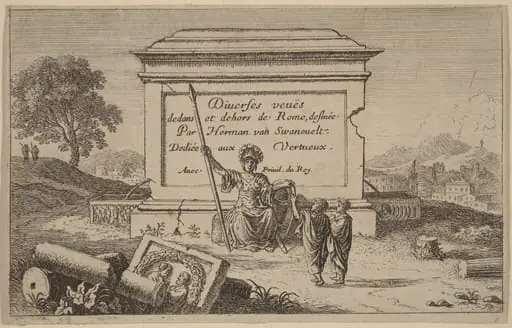 Title Page
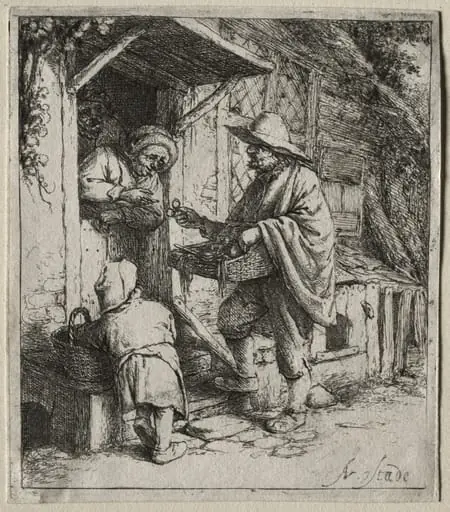 The Spectacle Seller
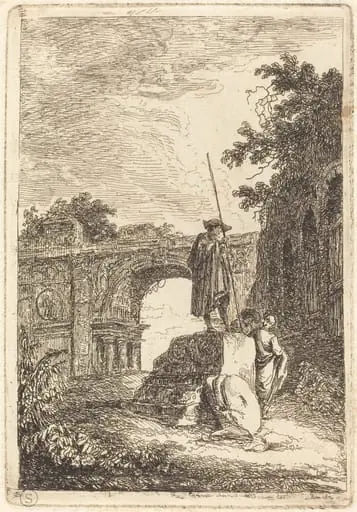 The Triumphal Arch
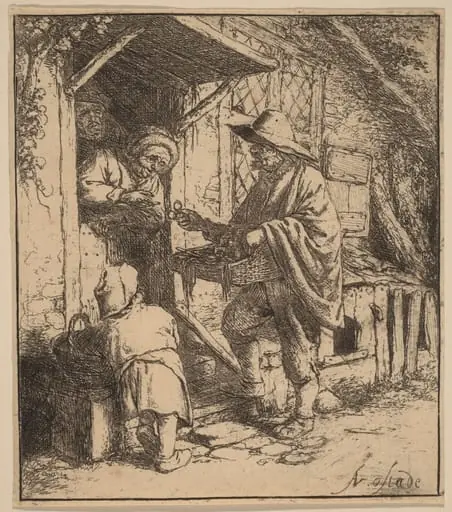 Street Vendor Selling Spectacles at the Door
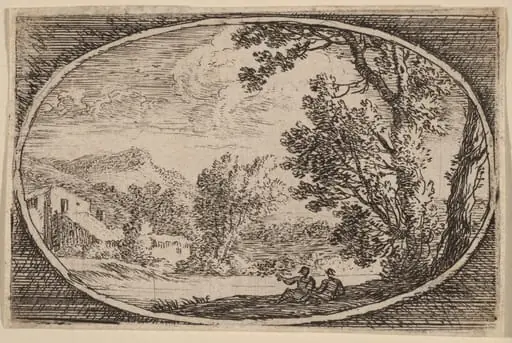 Two Men Seated Near the Waterside
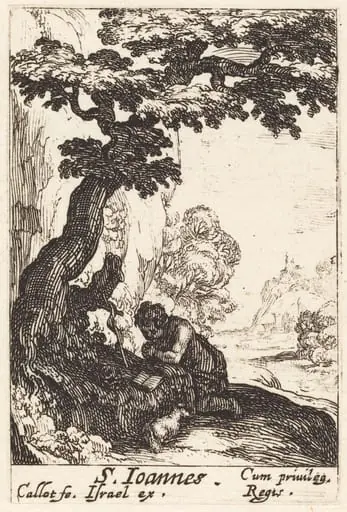 Saint John the Baptist