Artwork
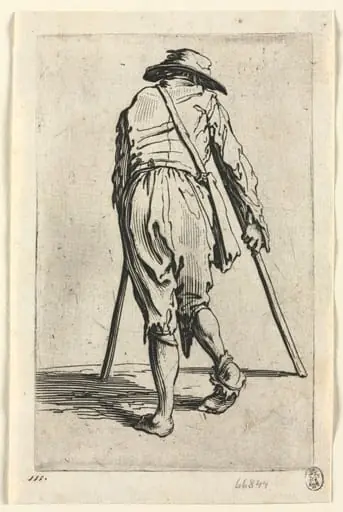
Beggar with Crutches and Hat, Back View
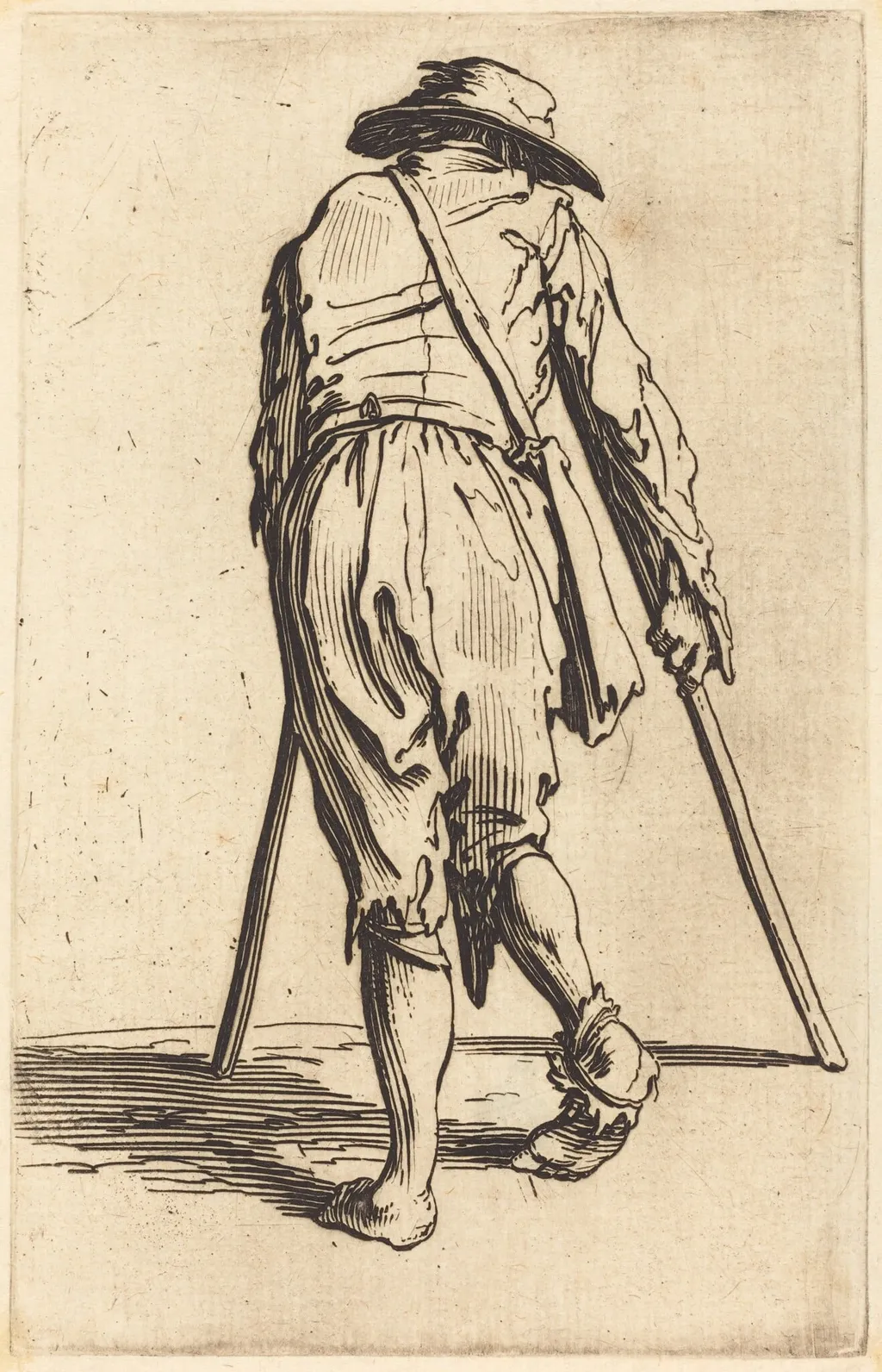
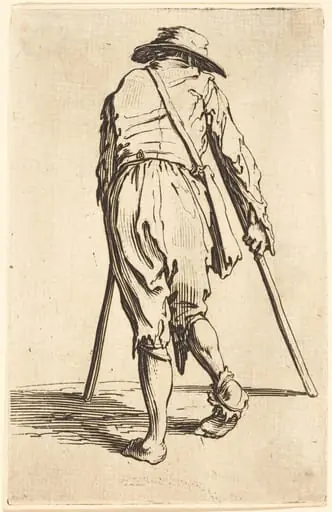
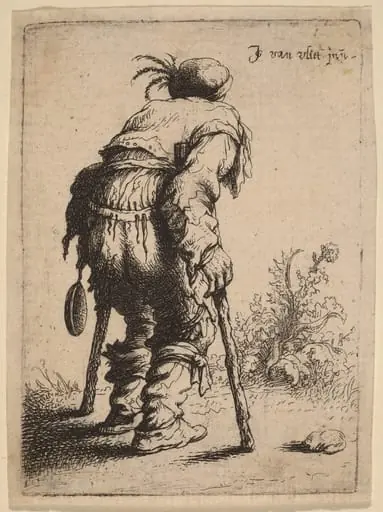
Beggar with Crutches and Hat, Back View is an ink print by the Baroque artist Jacques Callot. It dates from 1622 and is held in the collection of the National Gallery of Art. Created circa 1622, this small print shows a solitary figure seen from behind, supported by crutches and wearing a simple hat.
About this work
Overview
Created circa 1622, this small print shows a solitary figure seen from behind, supported by crutches and wearing a simple hat. The subject walks across a plain ground, his shoulders slightly hunched and head lowered, conveying a restrained, contemplative presence. The work exemplifies the French baroque printmaker’s interest in everyday people and their conditions.
Subject & Meaning
The figure appears to be an elderly or infirm beggar, indicated by his crutches, loose garments and modest hat. By presenting him in profile, the artist emphasizes his physical vulnerability while also suggesting a quiet dignity. The composition invites reflection on the social margins of early‑17th‑century life without overt moralizing.
Technique & Style
Executed in etching on laid paper, the image combines fine lines with dry‑point accents that enrich the surface texture. The delicate cross‑hatching renders the folds of clothing and the roughness of the crutches, while the shallow burr of dry‑point adds depth to the figure’s silhouette. The overall effect is both precise and expressive, characteristic of the artist’s meticulous printmaking.
History & Provenance
This particular work is part of his series focusing on marginalized individuals, reflecting his broader commitment to portraying contemporary reality.
The print belongs to the prolific output of Jacques Callot, a Lorraine‑born draftsman who produced more than 1,400 etchings documenting soldiers, beggars and other social types. This particular work is part of his series focusing on marginalized individuals, reflecting his broader commitment to portraying contemporary reality. It has been held in several European collections since the 18th century.
Context
In the early 1620s, French baroque art increasingly turned toward genre subjects, depicting ordinary people alongside grand historical scenes. Callot’s prints contributed to this shift by providing detailed visual records of daily life, especially the conditions of the poor and disabled, thereby expanding the scope of print media as a documentary tool.
Artist & collection
Artist
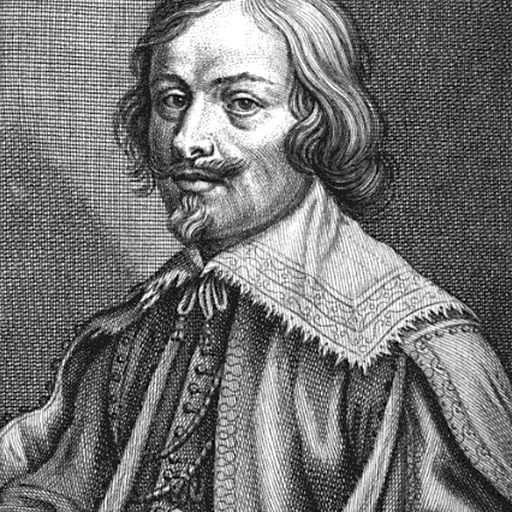
Jacques Callot was a baroque printmaker and draftsman from the Duchy of Lorraine.

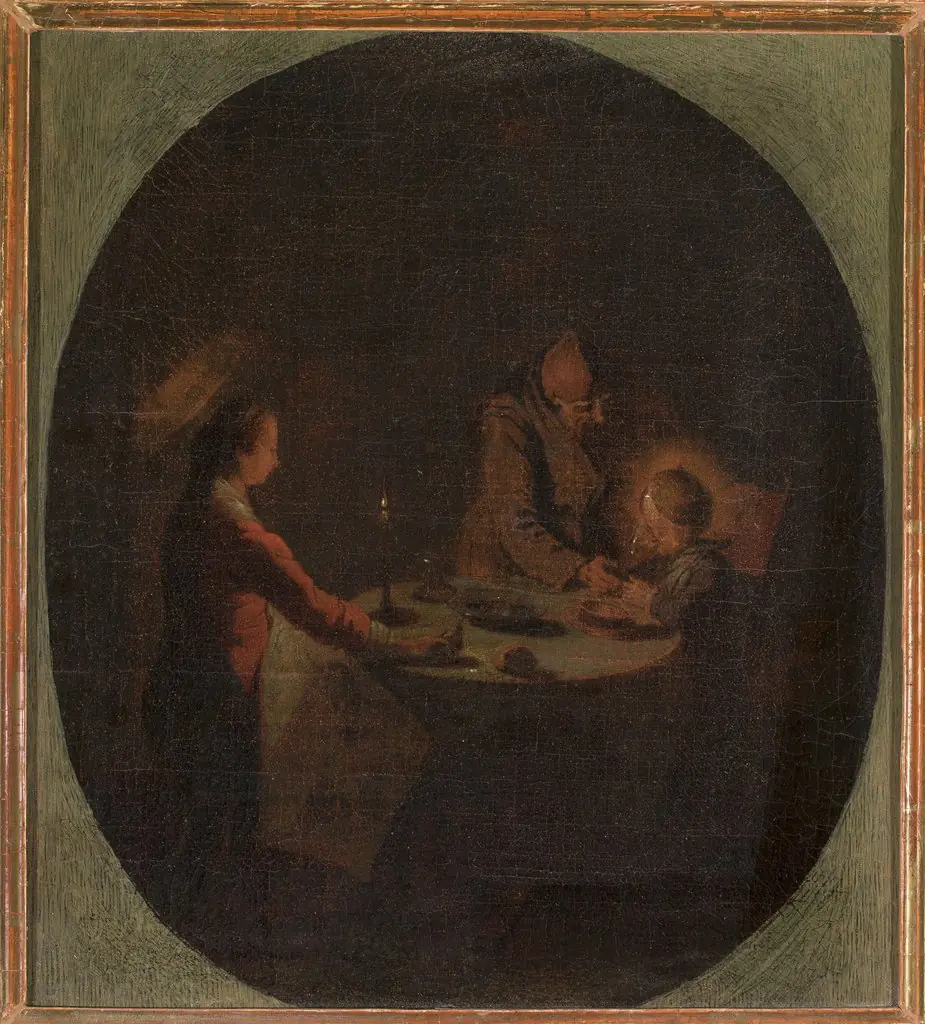 Holy Family at supper
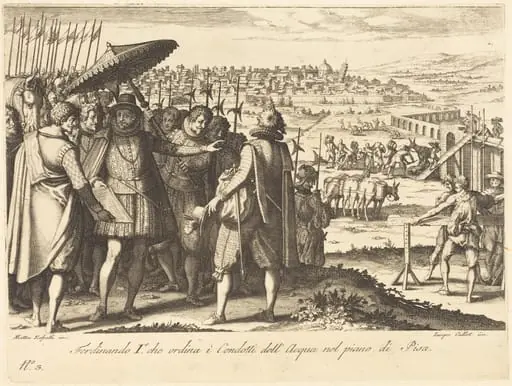 Restoration of the Aqueduct at Pisa
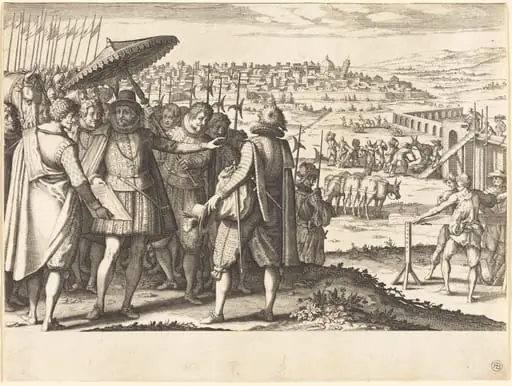 Restoration of the Aqueduct at Pisa
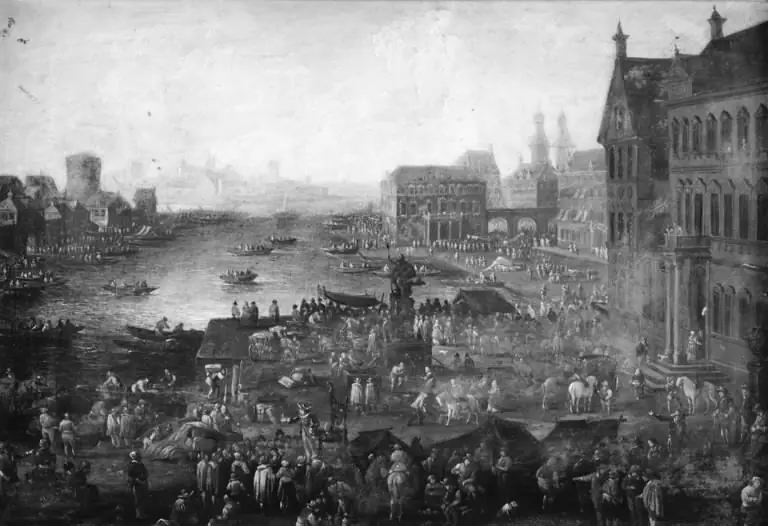 Square in Paris with Many Figures
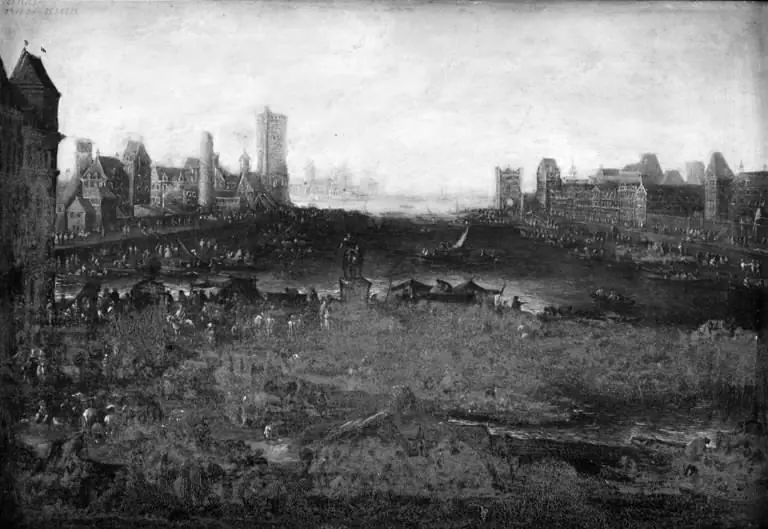 Square in Paris with Many Figures
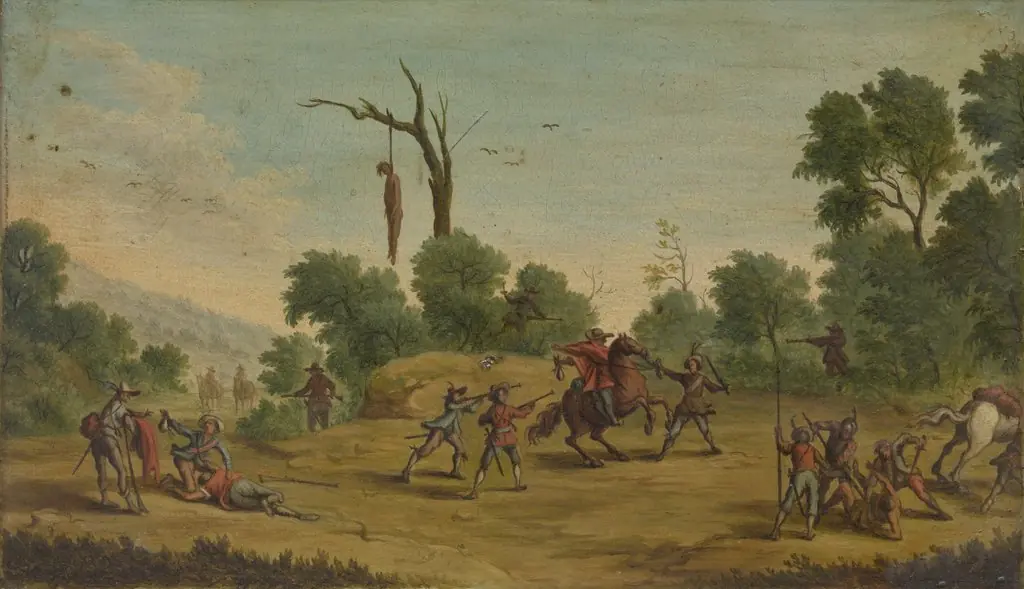 Horsemen Attacked by Robbers
 HOW WILL A COVERED PART BE CORRECTED?HOW WIKA A COVERED HEART DEED CORRECTED?
![Christ Walking on the Water [second plate], by Jacques Callot](https://artifactworldgallery.com/img/jacques-callot--christ-walking-on-the-water-second-plate--2069f3bfe4cb2126-w320.webp) Christ Walking on the Water [second plate]
Christ Walking on the Water [second plate]
 Beggar with Crutches and Hat, Back View
 Beggar with Crutches and Hat, Back View
 Old Beggar with One Crutch
 The Beggars: Beggar on Crutches, Wearing a Hat
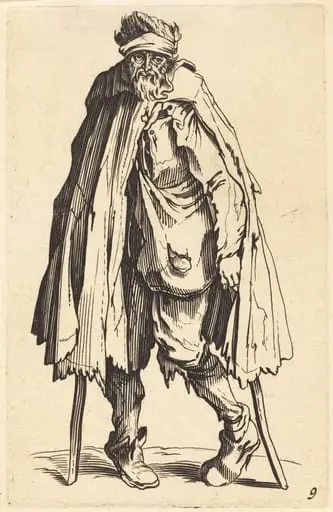 Beggar with Crutches and Sack
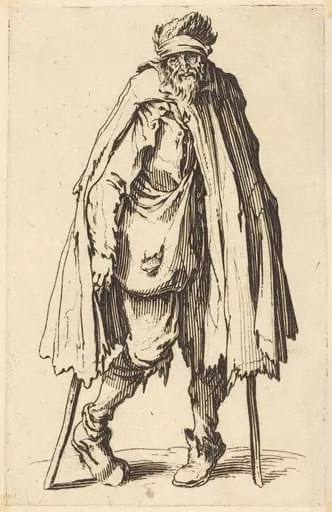 Beggar with Crutches and Sack
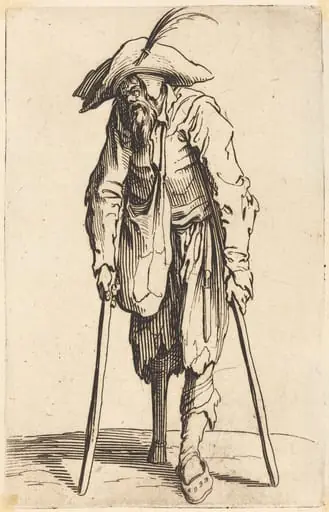 Beggar with Wooden Leg
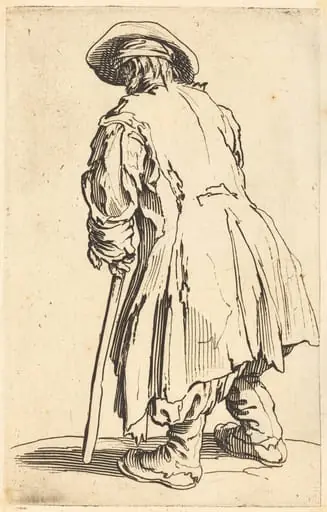 Old Beggar with One Crutch
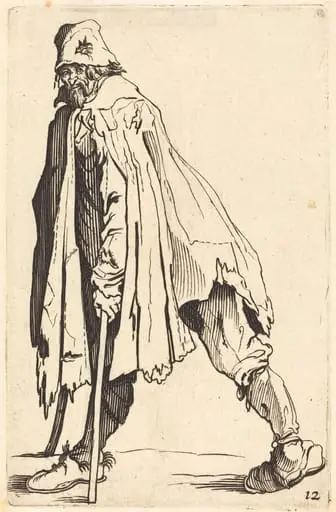 Beggar with Crutches and Cap
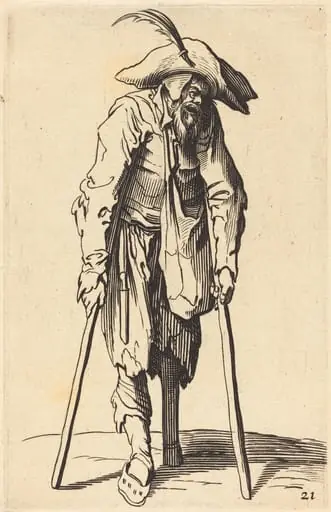 Beggar with Wooden Leg
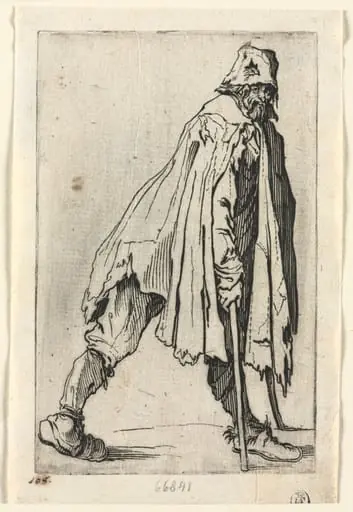 The Beggars: The Beggar on Crutches, Wearing a Cap
 Beggar with Two Crutches