Artwork
Vox Dei, by Thomas Scott
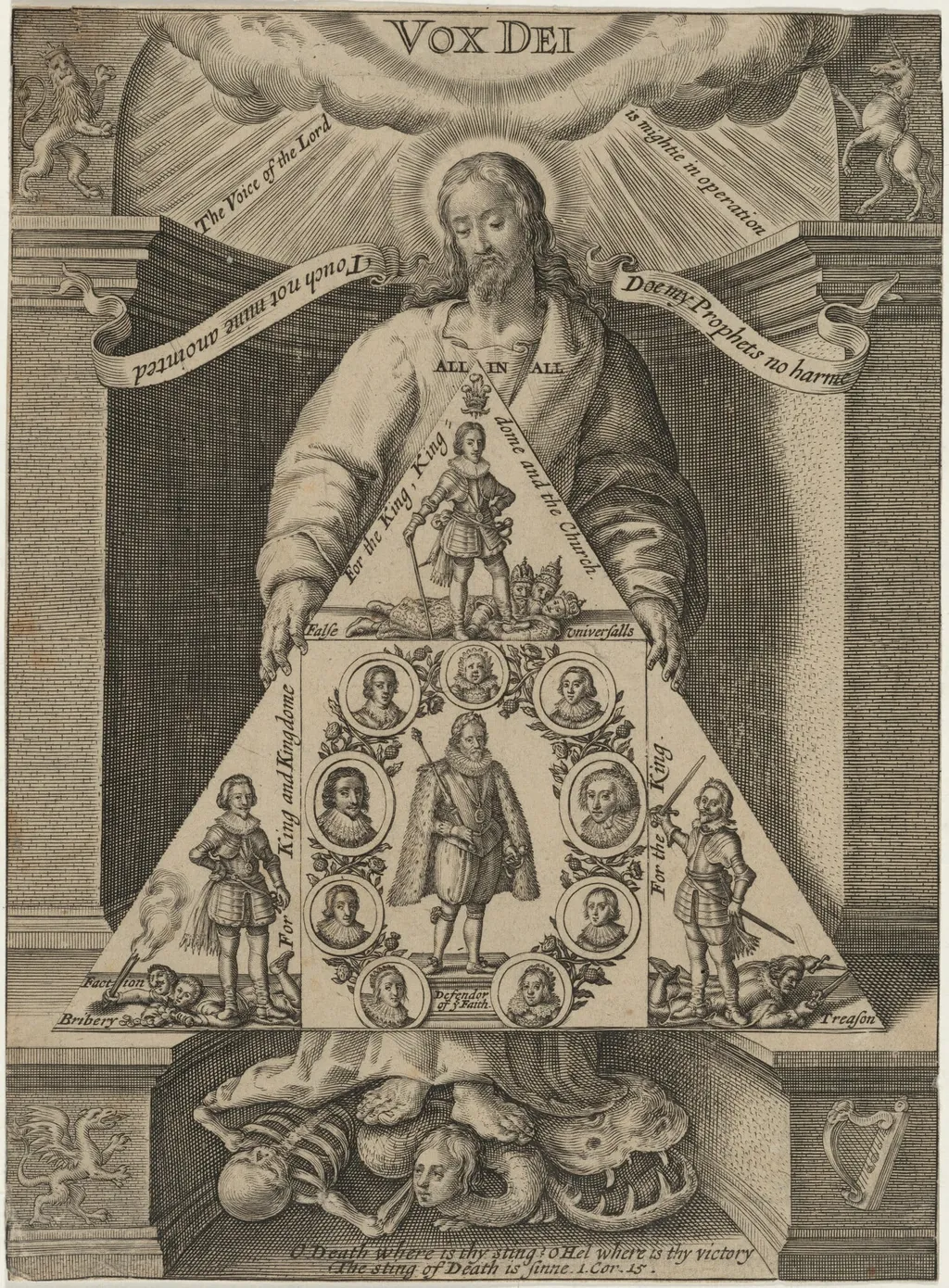
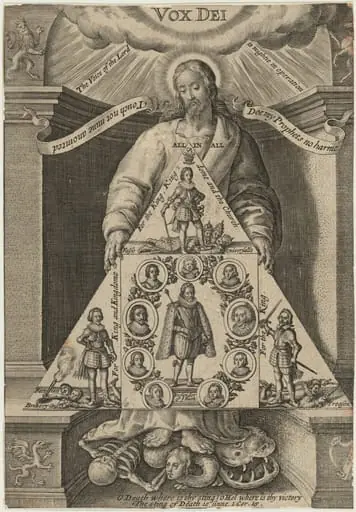
Vox Dei, by Thomas Scott is an ink print by the Baroque artist Crispijn van de Passe I. It dates from 1624 and is held in the collection of the Rosenwald Collection.
About this work
Overview
Its detailed composition reflects the technical precision characteristic of early 17th-century Northern European printmaking.
Vox Dei is an engraving produced in 1624 by Crispijn van de Passe I, based on a design by Thomas Scott. The work is a single-sheet print that combines religious symbolism with political commentary, using intricate line work to depict a divine hand descending over earthly authority. Its detailed composition reflects the technical precision characteristic of early 17th-century Northern European printmaking.
Subject & Meaning
The image portrays a colossal arm holding a child, symbolizing divine protection, while below, figures representing a monarch and his realm are enclosed in a rectangular frame. Surrounding them, chaotic scenes of conflict and swirling faces suggest the turmoil of war and human ambition. The Latin phrases 'Vox Dei' and 'Doeth no harm' frame the hand, implying that divine will governs earthly power and remains untouched by human violence.
Technique & Style
Executed in fine-line engraving, the work demonstrates meticulous control over incised metal plates to achieve tonal variation and intricate detail. Van de Passe employed dense cross-hatching and delicate contours to render textures—from skin to fabric—and to distinguish the divine from the mortal. The composition is layered, with foreground and background elements carefully scaled to emphasize hierarchy and spatial depth.
History & Provenance
Created during a period of religious and political upheaval in Europe, the print was likely circulated among educated audiences familiar with biblical and political allegory. It appears in several early modern collections, including those of scholars and courtiers. Its survival in multiple institutional holdings suggests it was valued as both artistic and ideological artifact, though its original commission remains undocumented.
Context
Produced in the wake of the Thirty Years' War, the image responds to anxieties about sovereignty, divine justice, and the fragility of earthly rule. Contemporary pamphlets and sermons often invoked the 'Voice of God' as a moral counterweight to royal excess. Van de Passe’s print aligns with Protestant visual traditions that emphasized scripture over iconography, using allegory to convey theological authority without figurative depictions of the divine.
Legacy
Vox Dei contributed to a broader genre of political-theological prints that linked divine authority with moral governance. Its visual language influenced later satirical and allegorical engravings in both Protestant and Catholic regions. Though not widely reproduced, it remains a reference point in studies of early modern print culture, illustrating how visual art mediated complex ideas about power, faith, and order.
Artist & collection

Artist
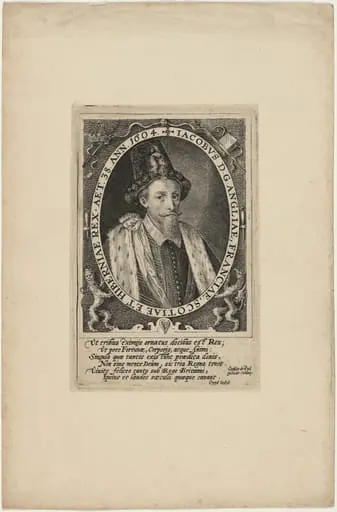
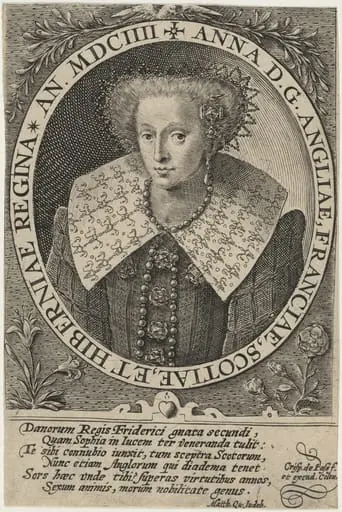
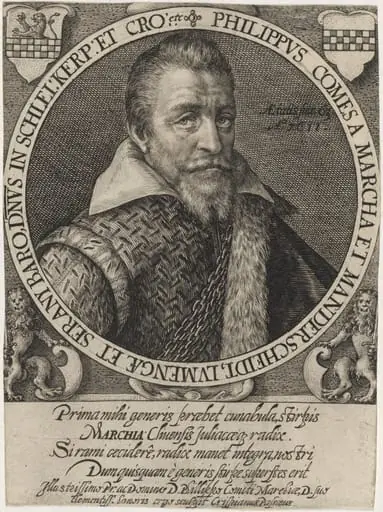
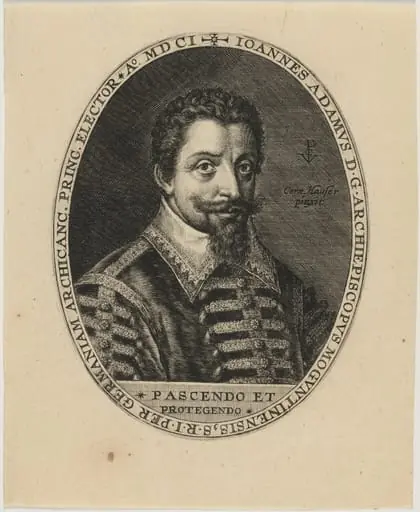
Crispijn van de Passe I (1564–1637) was an artist, born in Arnemuiden.
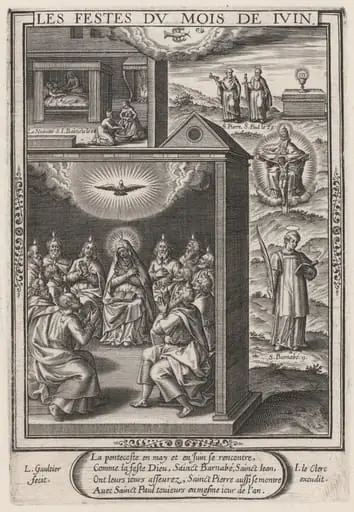 Les Festes du mois de Juin (June: The Pentecost)
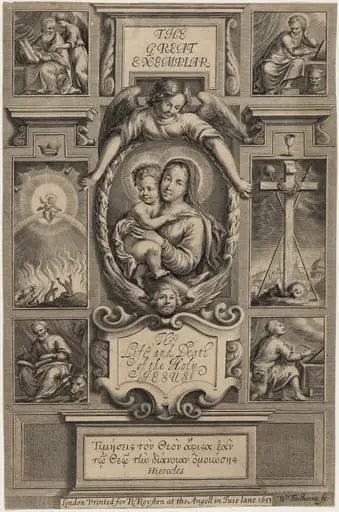 Title Page to Jeremy Taylor, The Great Exemplar
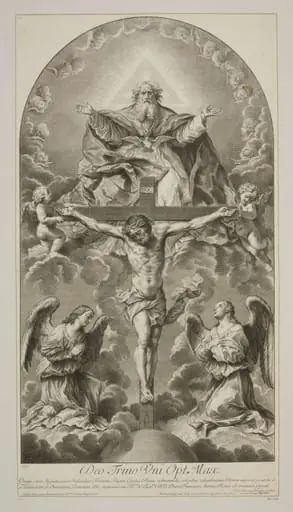 The Trinity
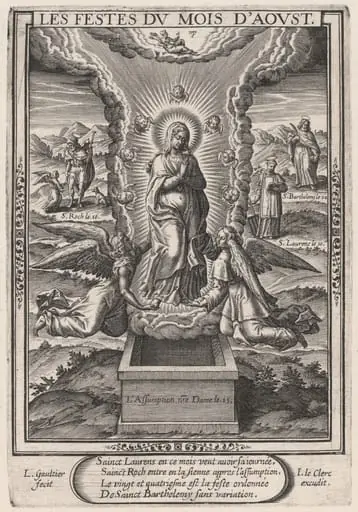 Les Festes du mois d'Aoust (August: The Assumption)
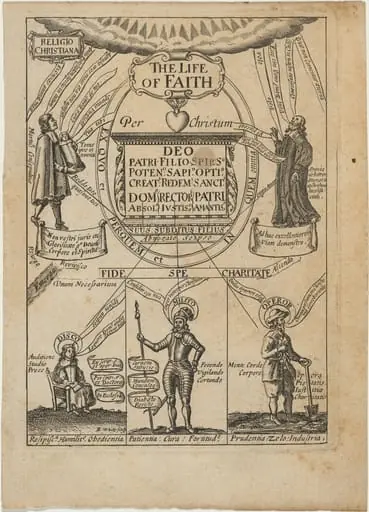 Title Page to The Life of Faith by Richard Baxter
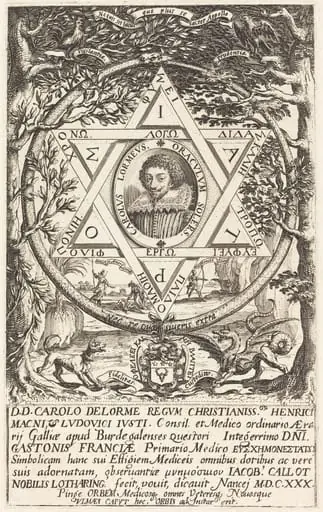 Charles De Lorme
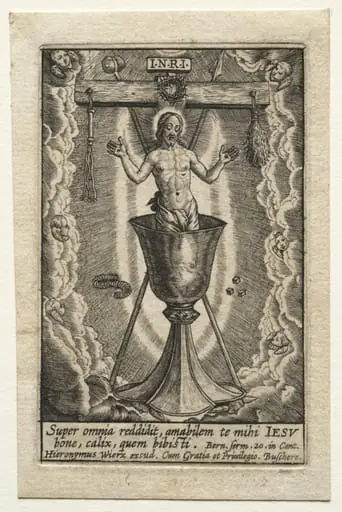 The Blood of the Redeemer
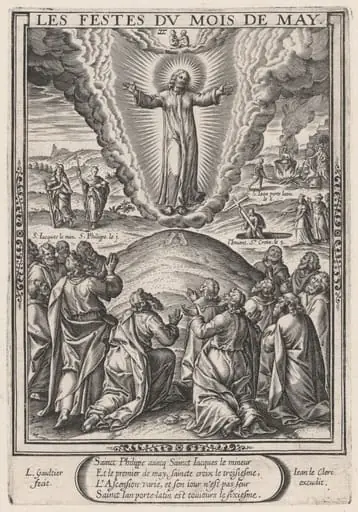 Les Festes du mois de Mai (May: The Ascension)
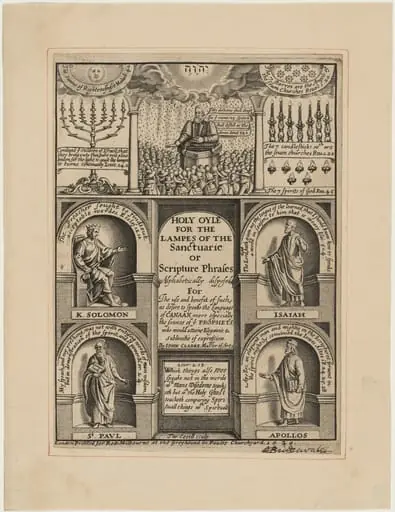 Title Page for Holy Oyle for the Lampes of the Sanctuarie, John Clarke
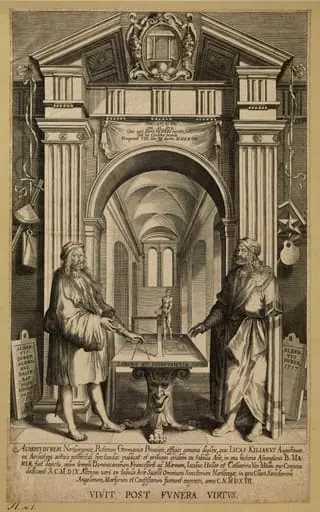 The Temple of Honor
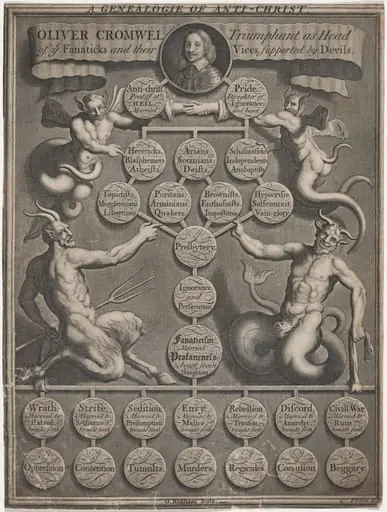 Oliver Cromwell
 Vox Dei, by Thomas Scott