Artwork
The Grain Weighers
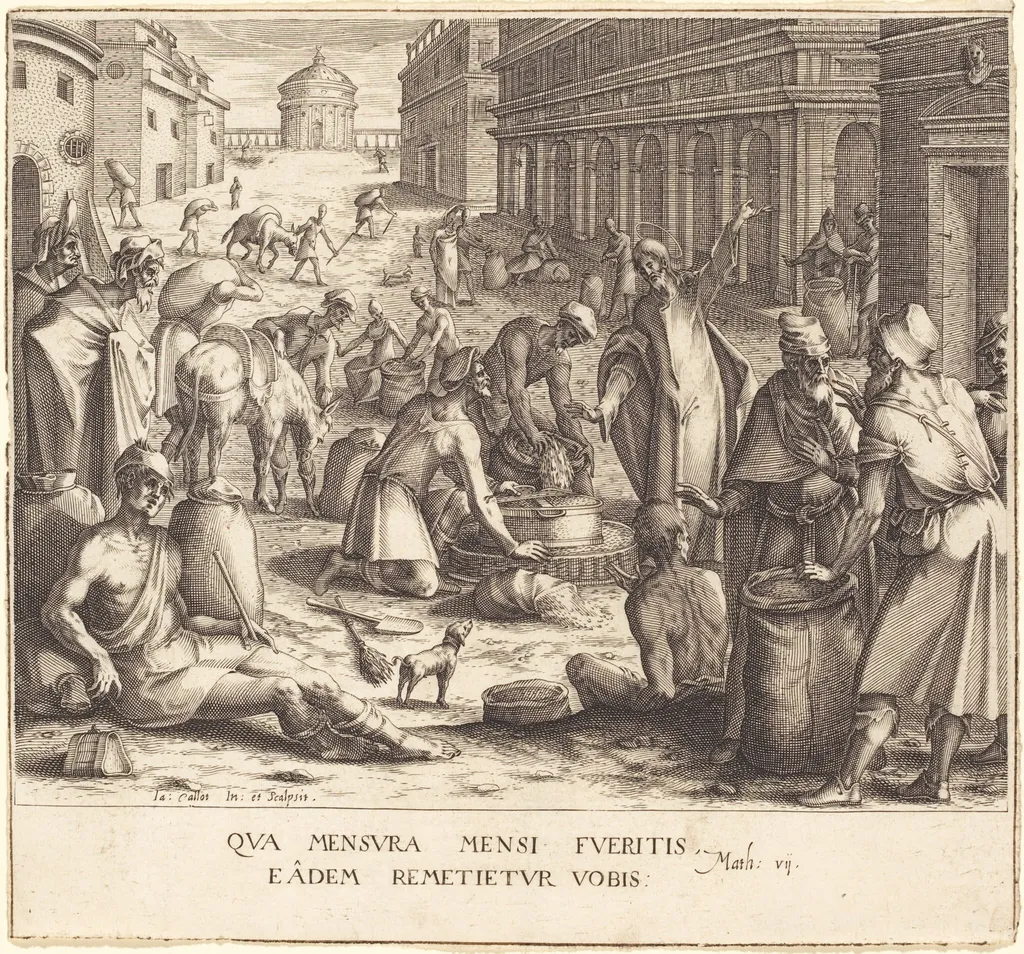
The Grain Weighers is an ink print by the Baroque artist Jacques Callot. It dates from 1610 and is held in the collection of the National Gallery of Art.
About this work
The scene is set in a specific time and place, with the architecture and clothing suggesting a European setting in the early 17th century.
This image shows a bustling street scene with many people. They are gathered around a large scale, with grain being weighed. In the background, there are buildings and a horse. The people are dressed in simple clothing, and some are carrying baskets or bags. The atmosphere appears to be one of activity and commerce.
The engraving is detailed, with intricate lines and textures. The use of cross-hatching creates depth and shading, adding to the overall sense of realism. The scene is set in a specific time and place, with the architecture and clothing suggesting a European setting in the early 17th century.
The artist's use of engraving and cross-hatching techniques creates a sense of detail and texture. If you're interested in learning more about this technique, you might want to look into the work of Callot, Jacques.
Overview
The Grain Weighers is a 1610 engraving on laid paper by Jacques Callot, a prolific French Baroque printmaker. This work exemplifies Callot's documentary approach to everyday life, capturing a moment of commercial activity with meticulous detail.
Subject & Meaning
The print depicts a bustling street scene where laborers gather around a large scale for grain weighing. The focus on ordinary figures engaged in daily commerce highlights Callot's interest in portraying the lives of common people.
Technique & Style
Callot employed intricate engraving techniques, including cross-hatching, to achieve depth, shading, and a high degree of realism. The detailed textures and lines characteristic of his work are prominently featured in this piece.
History & Provenance
Created in 1610, The Grain Weighers is part of Callot's extensive oeuvre of over 1,400 etchings. While specific provenance details are not provided, the work's style and subject matter are consistent with Callot's Baroque period output from the Duchy of Lorraine.
Context
The scene is set against a European backdrop of the early 17th century, evident through the architecture and attire of the figures. This contextual framing situates the work within Callot's broader practice of documenting contemporary life.
Legacy
The Grain Weighers contributes to Callot's significant impact on the development of old master printmaking, showcasing his technical prowess and observational skill, which influenced the evolution of the medium.
Artist & collection
Artist
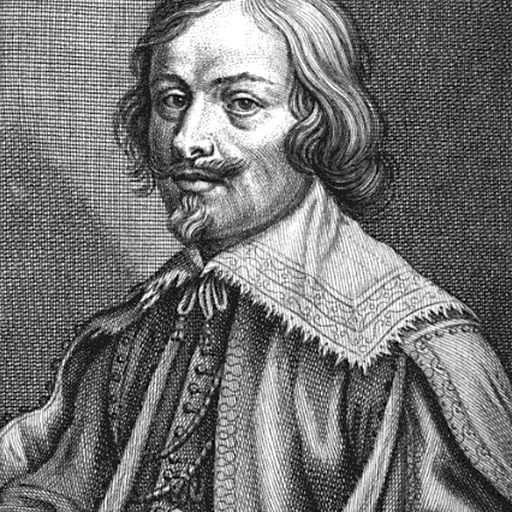
Jacques Callot was a baroque printmaker and draftsman from the Duchy of Lorraine.

 Holy Family at supper
 Restoration of the Aqueduct at Pisa
 Restoration of the Aqueduct at Pisa
 Square in Paris with Many Figures
 Square in Paris with Many Figures
 Horsemen Attacked by Robbers
 HOW WILL A COVERED PART BE CORRECTED?HOW WIKA A COVERED HEART DEED CORRECTED?
![Christ Walking on the Water [second plate], by Jacques Callot](https://artifactworldgallery.com/img/jacques-callot--christ-walking-on-the-water-second-plate--2069f3bfe4cb2126-w320.webp) Christ Walking on the Water [second plate]
Christ Walking on the Water [second plate]
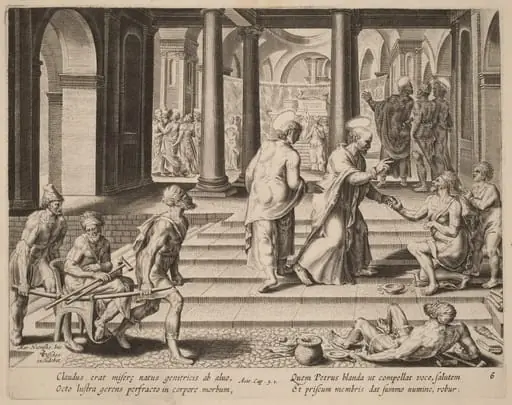 Saints Peter and John Heal a Cripple at the Gate of the Temple
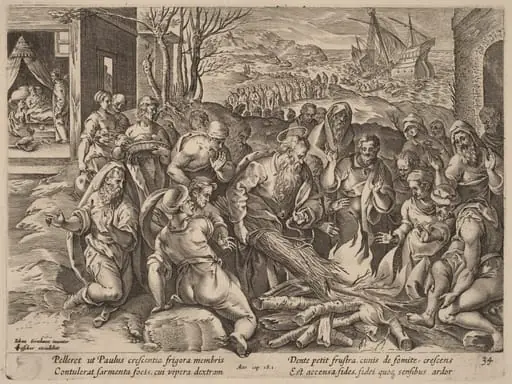 Saint Paul Shipwrecked on the Island of Melita
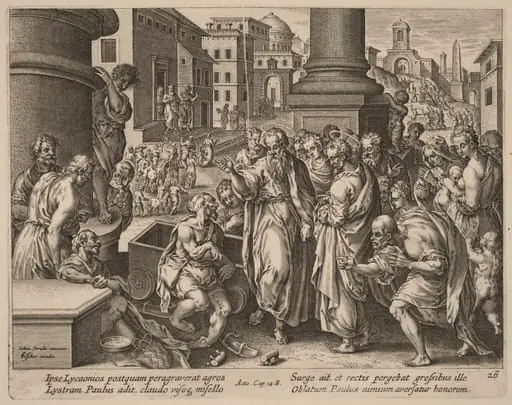 Saint Paul Heals the Lame Man at Lystra
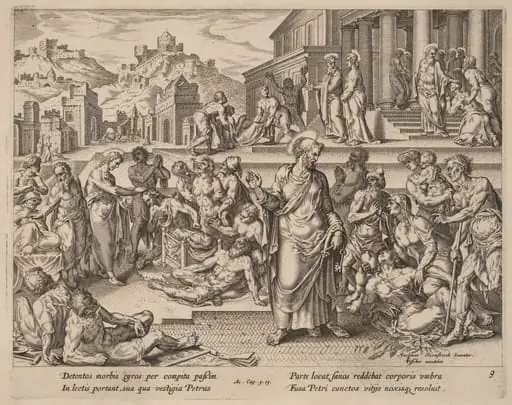 Saint Peter Healing the Sick with His Shadow
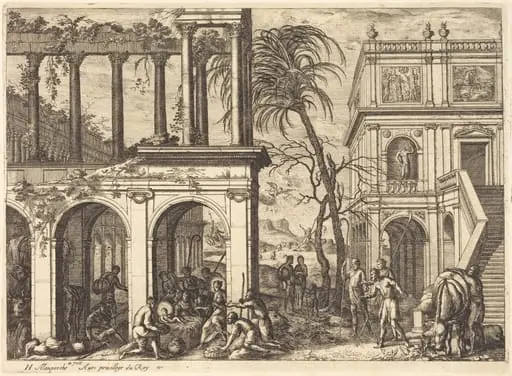 The Adoration of the Shepherds
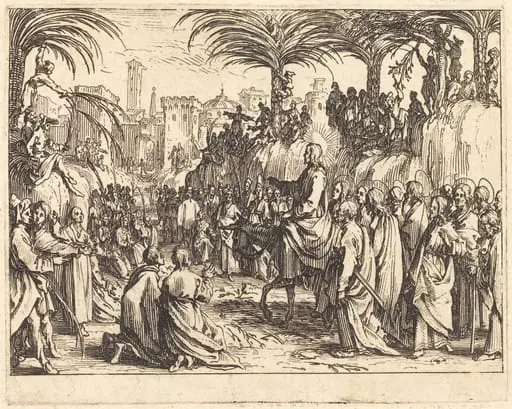 The Entry into Jerusalem
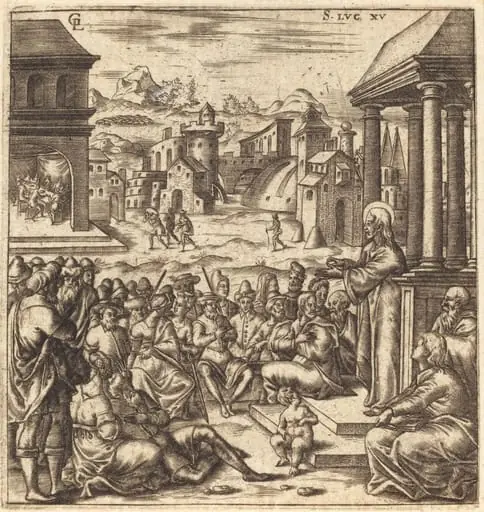 The Parables of the Lost Sheep, the Woman with Pieces of Silver and the Prodigal Son
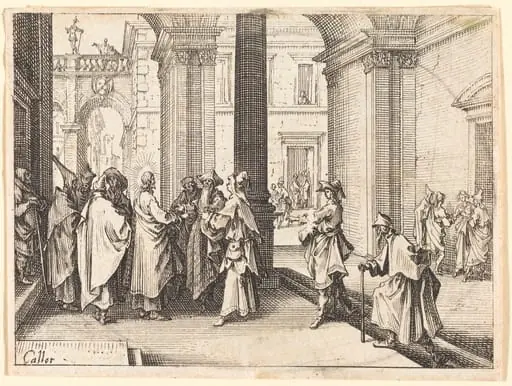 Caesar's Coin
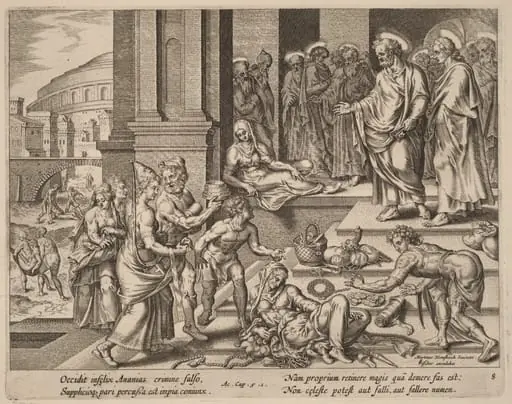 The Deaths of Ananias and Sapphira
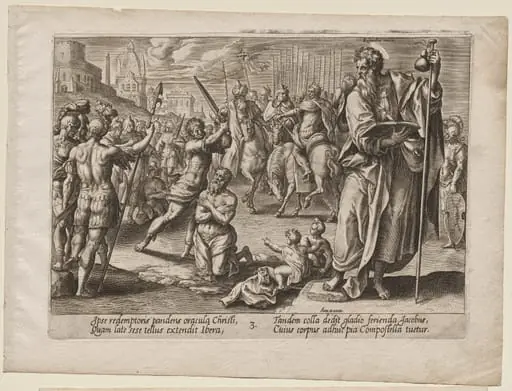 St. James the Great
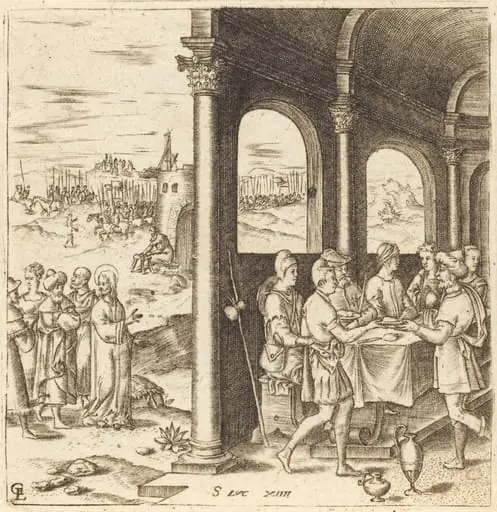 Christ Journeying to the House of a Pharisee
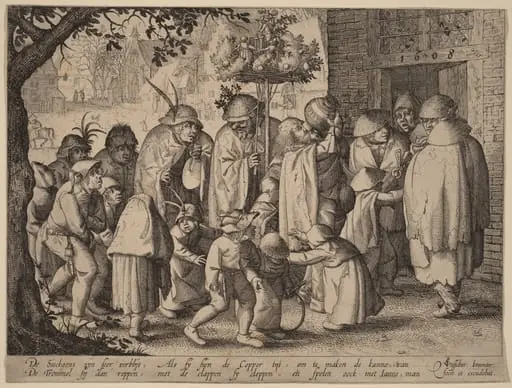 Procession of Feasting Lepers