Artwork
Saint Paul Shipwrecked on the Island of Melita
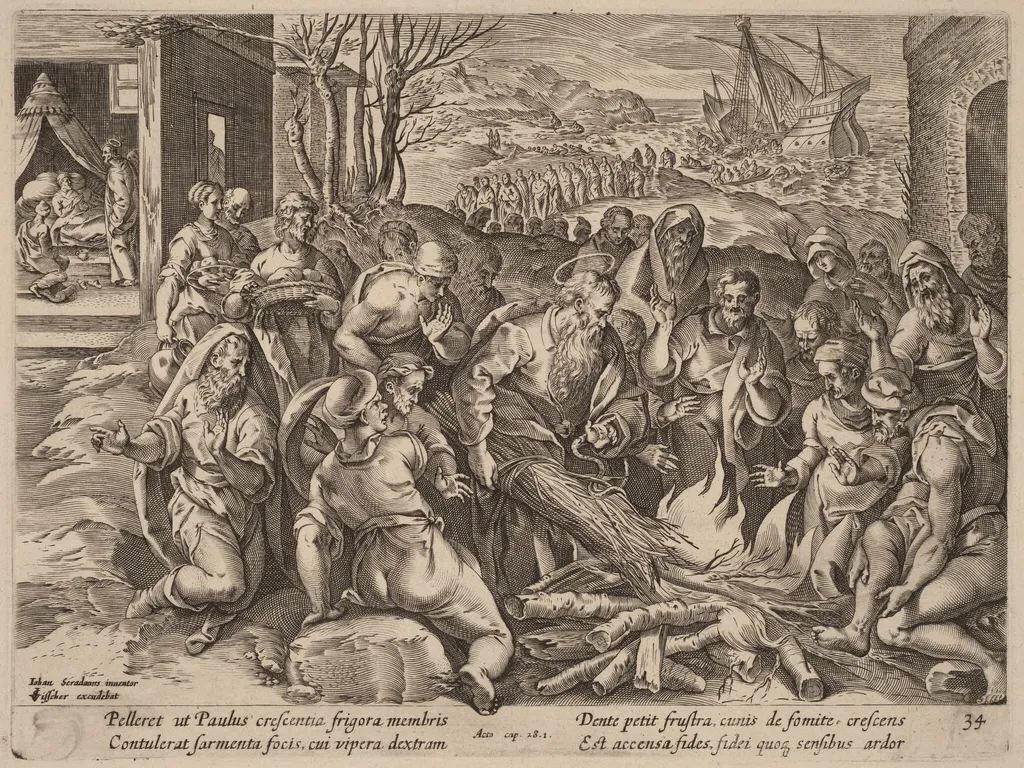
Saint Paul Shipwrecked on the Island of Melita is an ink print by the Renaissance artist Philip Galle. It dates from 1574 and is held in the collection of the National Gallery of Art.
About this work
Overview
Philip Galle’s 1574 engraving titled Saint Paul Shipwrecked on the Island of Melita presents a dense, narrative tableau of a biblical disaster. Rendered in black line on paper, the print captures the moment when Saint Paul’s vessel runs aground on Malta’s coast, surrounded by a crowd of figures reacting to the wreck. A Latin caption runs along the lower margin, reinforcing the religious theme.
Subject & Meaning
The image visualises the Acts of the Apostles episode in which Paul survives a violent storm and reaches the island of Melita.
The image visualises the Acts of the Apostles episode in which Paul survives a violent storm and reaches the island of Melita. The composition emphasizes human vulnerability and divine providence: scattered figures on rocks and grass display a range of gestures—some pleading, others pointing—suggesting both panic and hope. The presence of a modest village in the distance hints at the subsequent missionary work that follows the rescue.
Technique & Style
Galle employs a tightly controlled line economy, using dense cross‑hatching and bold outlines to model clothing, hair, and turbulent sea. The stark contrast between dark foreground and lighter background creates a sense of depth without tonal washes. This approach reflects the Northern Renaissance print tradition, where engravers translated painted compositions into monochrome, relying on line to suggest texture and volume.
History & Provenance
Philip Galle, a Dutch publisher and engraver active in the late sixteenth century, was renowned for reproducing works by earlier masters. This print belongs to a series of religious subjects he issued for the European market, intended for devotional use and as a means of disseminating well‑known biblical scenes. Surviving copies are found in several major print collections, attesting to its wide circulation.
Context
The engraving emerges from a period when printmaking served both as a commercial enterprise and a vehicle for religious instruction. By rendering a scriptural narrative in an accessible format, Galle contributed to the spread of Counter‑Reformation ideals across the Low Countries. The work also illustrates how Northern artists adapted Italianate biblical iconography to their own graphic conventions.
Artist & collection
Artist
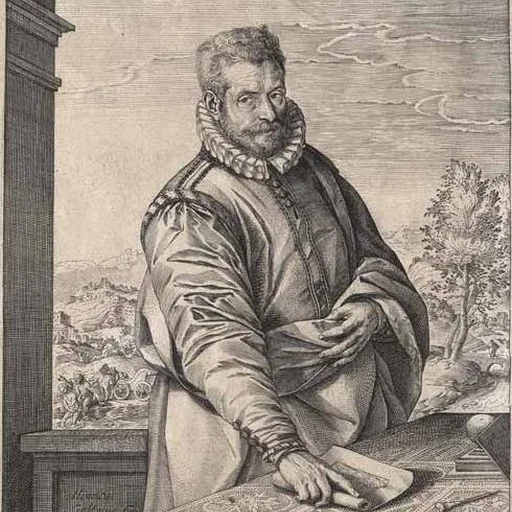
Philip (or Philips) Galle (1537 – March 1612) was a Dutch publisher, best known for publishing old master prints, which he also produced as designer and engraver. He is especially known for his reproductive engravings of paintings.

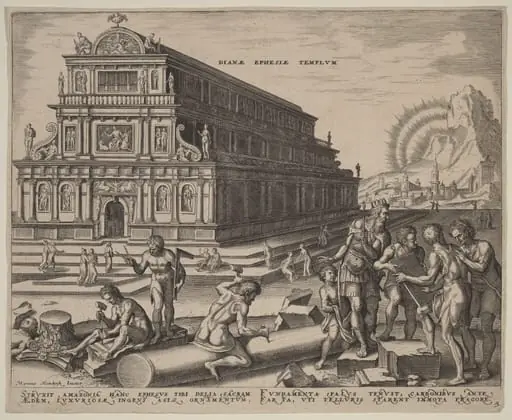 Dianae Ephesiae Templum (The Temple of Diana at Ephesus)
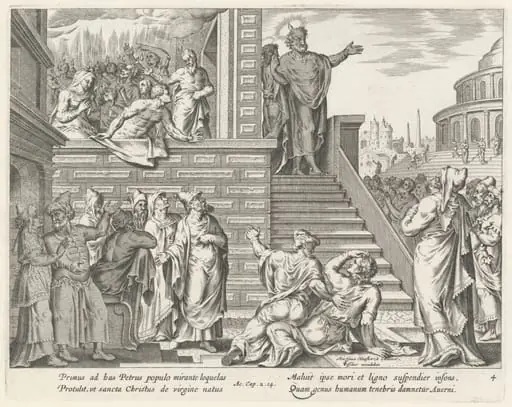 Saint Peter Speaks to the People about Christ
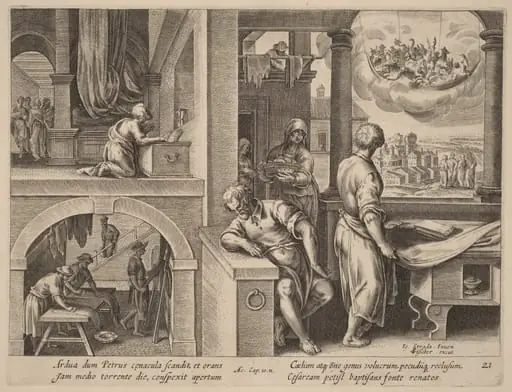 The Vision of Saint Peter
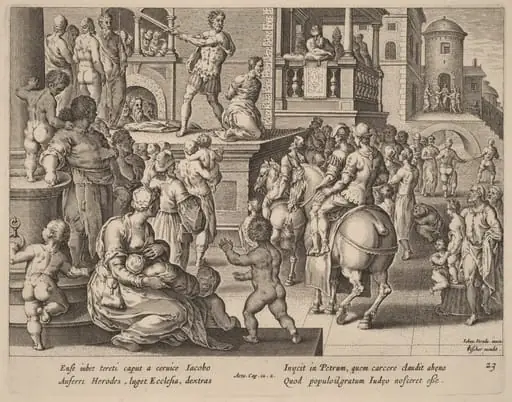 Beheading of Saint James
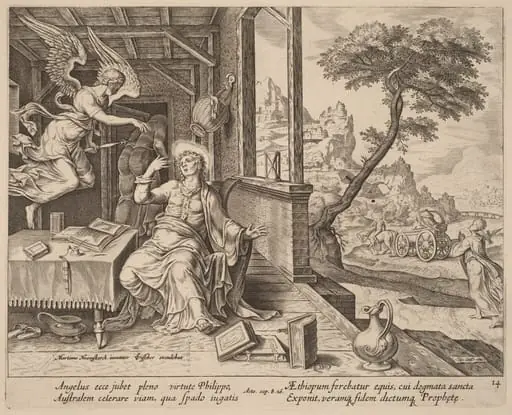 The Angel Orders Saint Philip to Accompany the Ethiopian Eunuch
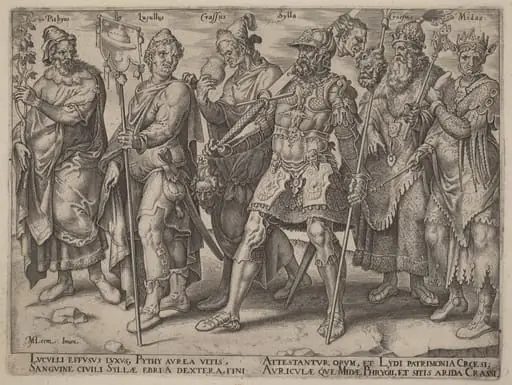 Notorious Examples of Wealth from Antiquity
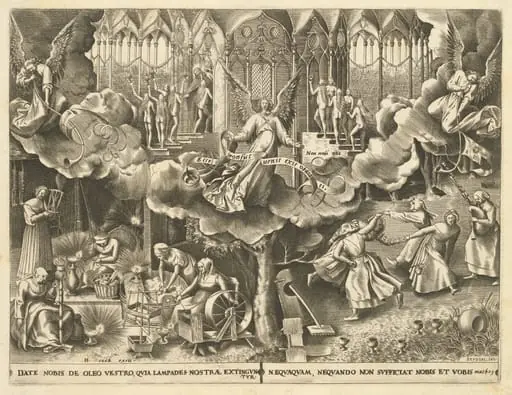 The Parable of the Wise and Foolish Virgins
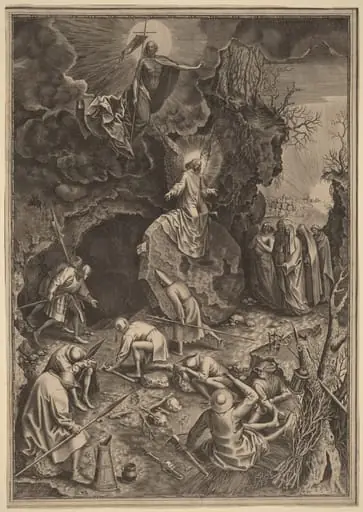 The Resurrection
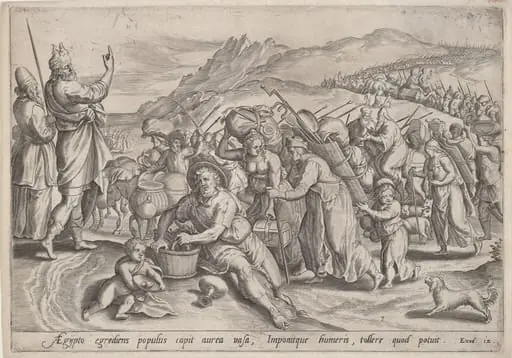 The Exodus from Egypt
 The Exodus from Egypt
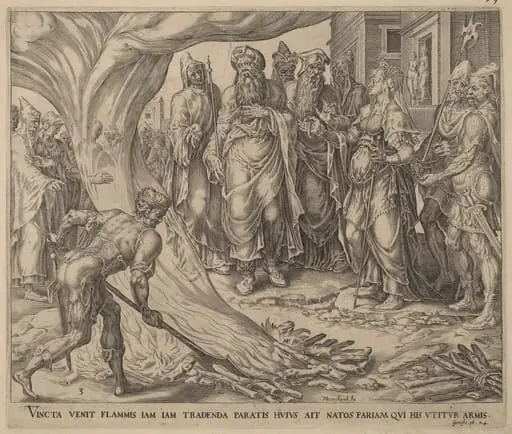 Tamar Brought to Execution
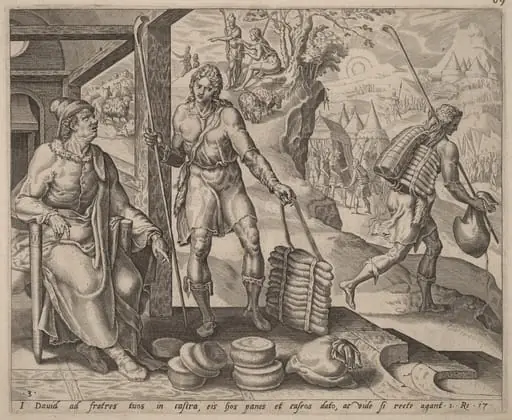 Jesse Sending David to the Camp
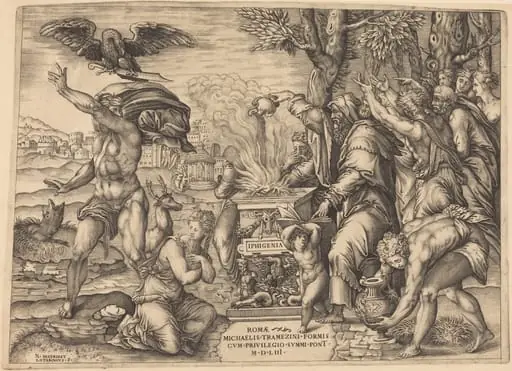 The Sacrifice of Iphigenia
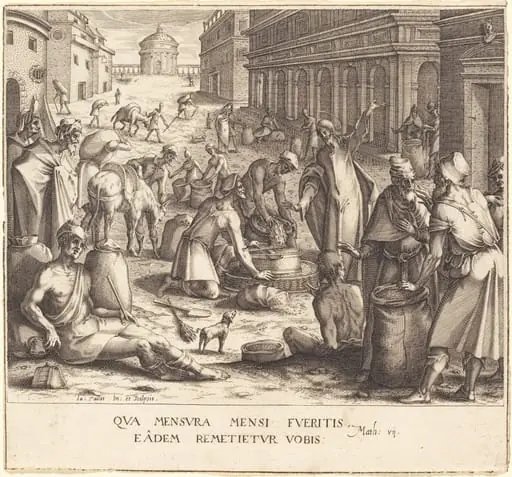 The Grain Weighers
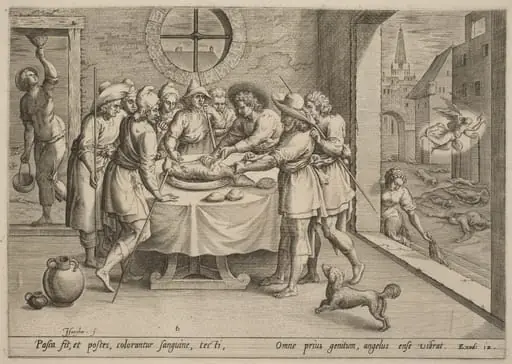 Preparation for the Passover
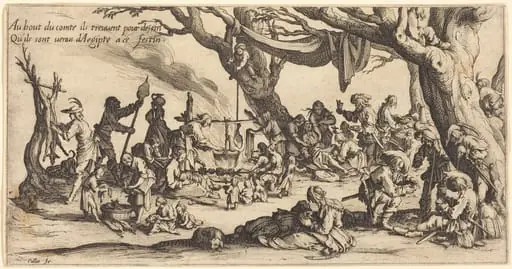 The Feast of the Bohemians
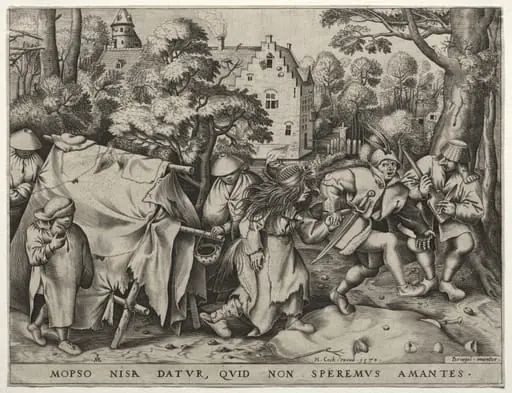 The Wedding of Mopsus and Nisa (The Dirty Bride)
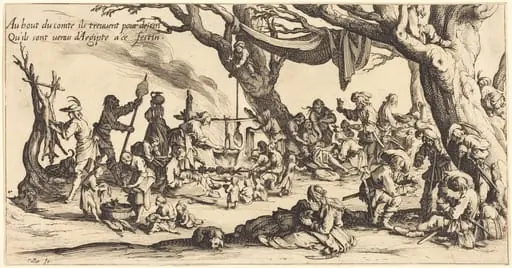 The Feast of the Bohemians
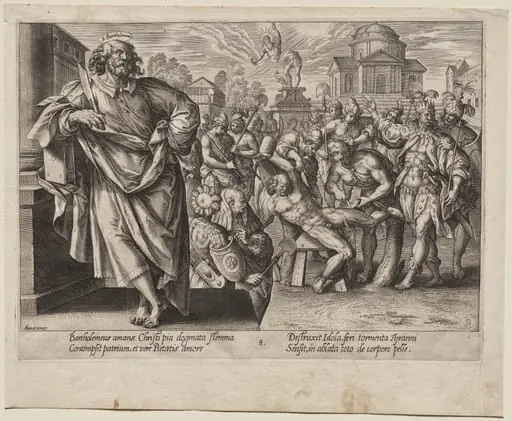 St. Bartholomew
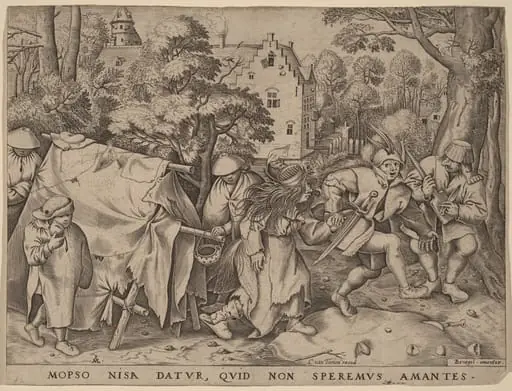 The Wedding of Mopsus and Nisa