Artwork
The Adoration of the Shepherds
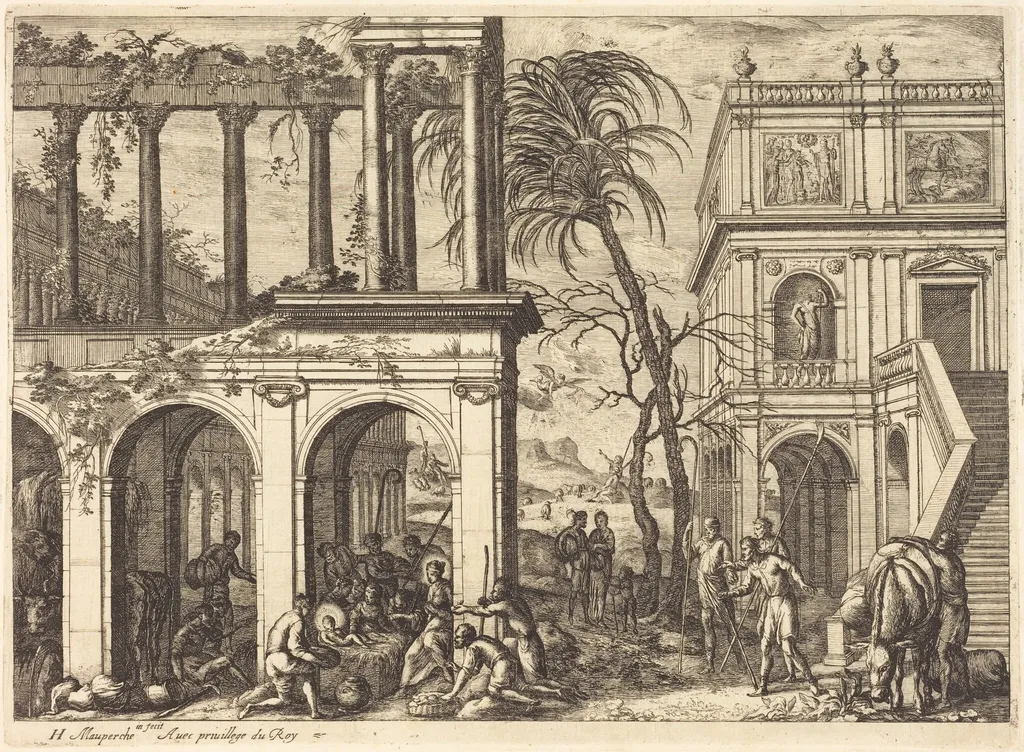
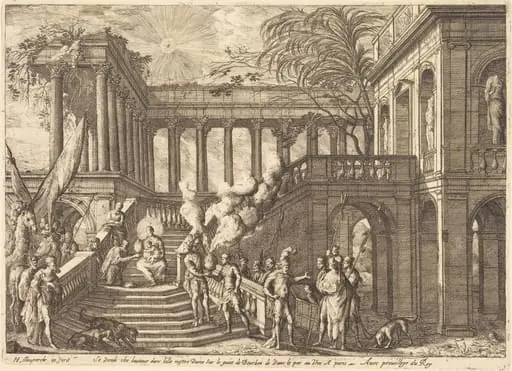
The Adoration of the Shepherds is an ink print by the Baroque artist Henri Mauperché. It dates from 1644 and is held in the collection of the National Gallery of Art.
About this work
Overview
Henri Mauperché’s 1644 etching titled *The Adoration of the Shepherds* presents a nocturnal tableau in which a group of figures surrounds an infant lying in a modest stable. Architectural forms—columns, arches, and open doorways—frame the scene, while trees and distant figures recede into the background, creating a layered composition that balances interior intimacy with an expansive setting.
Subject & Meaning
The work visualizes the biblical moment when humble shepherds come to honor the newborn Christ. By placing ordinary people within a grand, illuminated space, Mauperché underscores the theological theme of divine revelation entering the ordinary world, inviting viewers to contemplate reverence and wonder through the juxtaposition of modest humanity and celestial significance.
Technique & Style
Executed as an etching, the image relies on precise incised lines to render contrasting textures: coarse cloth, smooth facial features, and finely detailed foliage. The artist manipulates light by carving openings that allow bright illumination to spill from the doorway, enhancing depth and emphasizing the central figures while the surrounding architecture provides structural rhythm.
History & Provenance
Surviving copies are held in several European print collections, tracing the work’s circulation among collectors of religious prints during the Baroque period.
Mauperché, a French painter and engraver active in mid‑17th‑century Paris, was known for imaginative, capriccio landscapes that combined real and invented elements. This print, dated 1644, reflects his interest in merging architectural fantasy with narrative content. Surviving copies are held in several European print collections, tracing the work’s circulation among collectors of religious prints during the Baroque period.
Context
The etching belongs to a broader tradition of devotional imagery that flourished in Catholic France after the Counter‑Reformation. By rendering a sacred story in a format accessible to a wider audience, Mauperché’s print aligns with contemporary efforts to disseminate religious themes through reproducible media, complementing painted altarpieces and illuminated manuscripts of the era.
Artist & collection
Artist
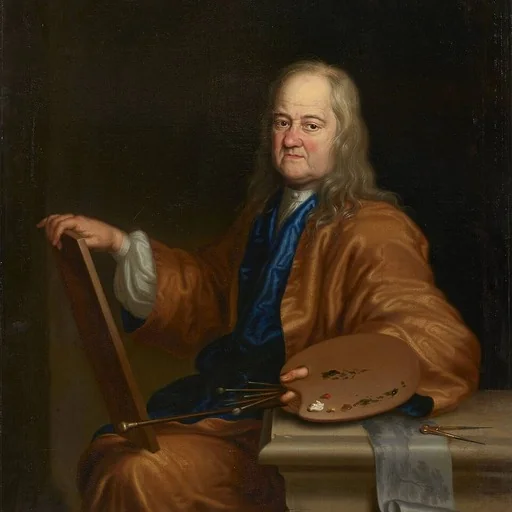
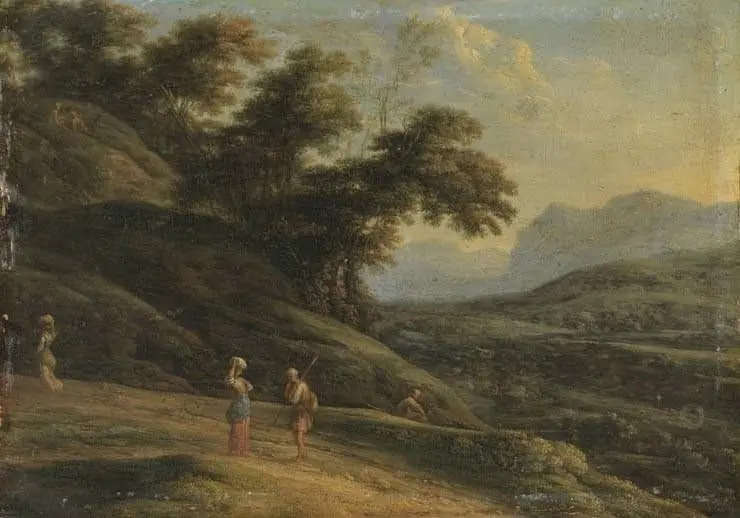
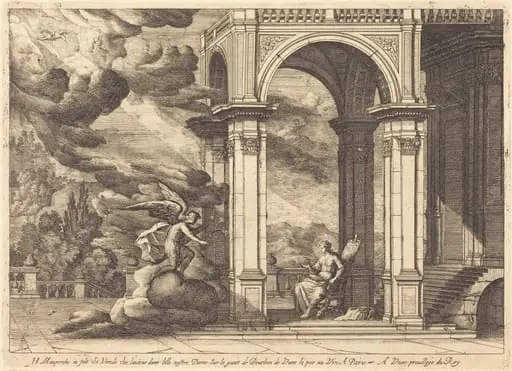
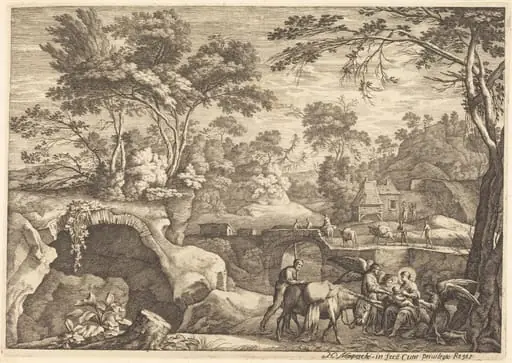
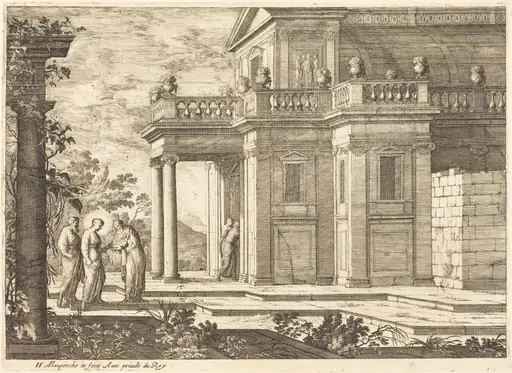
Henri Mauperché (c.1602, Paris – 26 December 1686, Paris) was a French landscape painter and engraver. His name is also given as Henri Maupercher and Henri Montpercher. Most of his landscapes are capriccios.

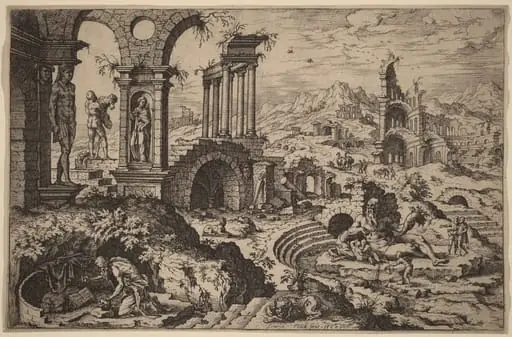 Saint Jerome in a Landscape with Ruins
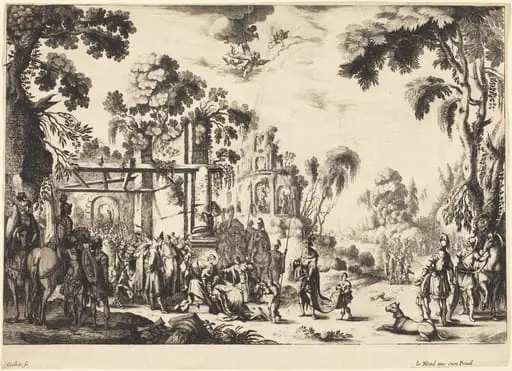 The Adoration of the Magi
 Veduta delle Terme di Tito
 The Pharisees Complain to Our Lord
 The Basilica of Constantine
 Bathsheba in the Bath
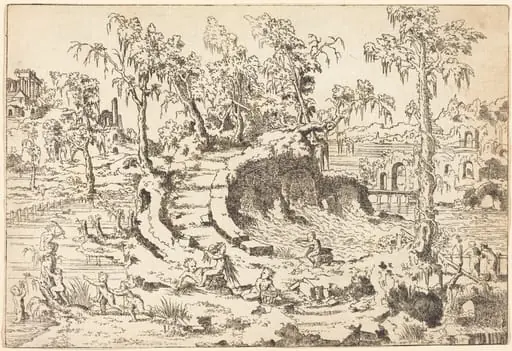 Putti Playing in a Fanciful Landscape
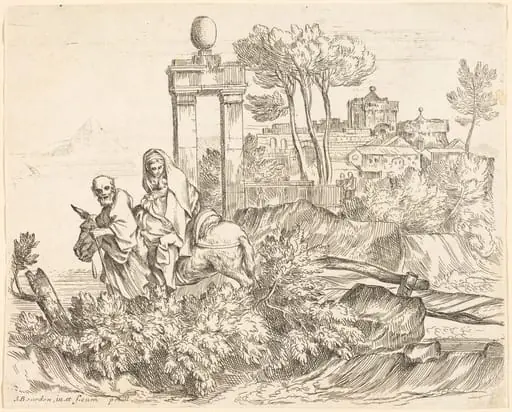 The Flight into Egypt
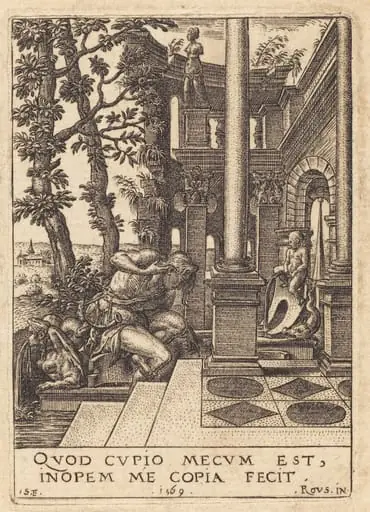 Narcissus at the Fountain
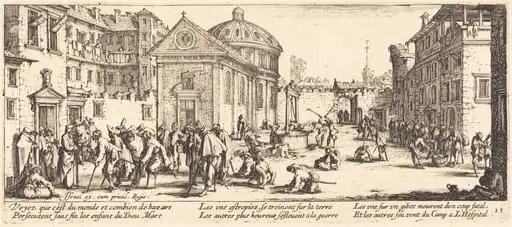 The Hospital
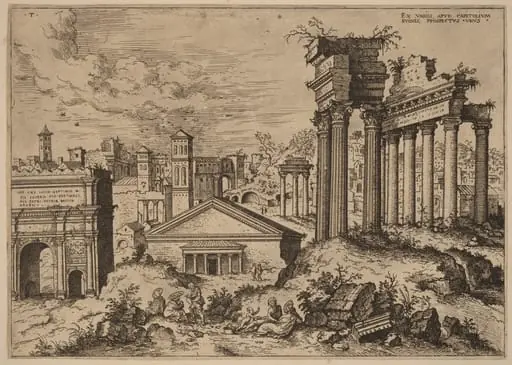 View of the Forum from the Base of the Capitol