Artwork
In the Sabine Hills: Figures at a Shrine
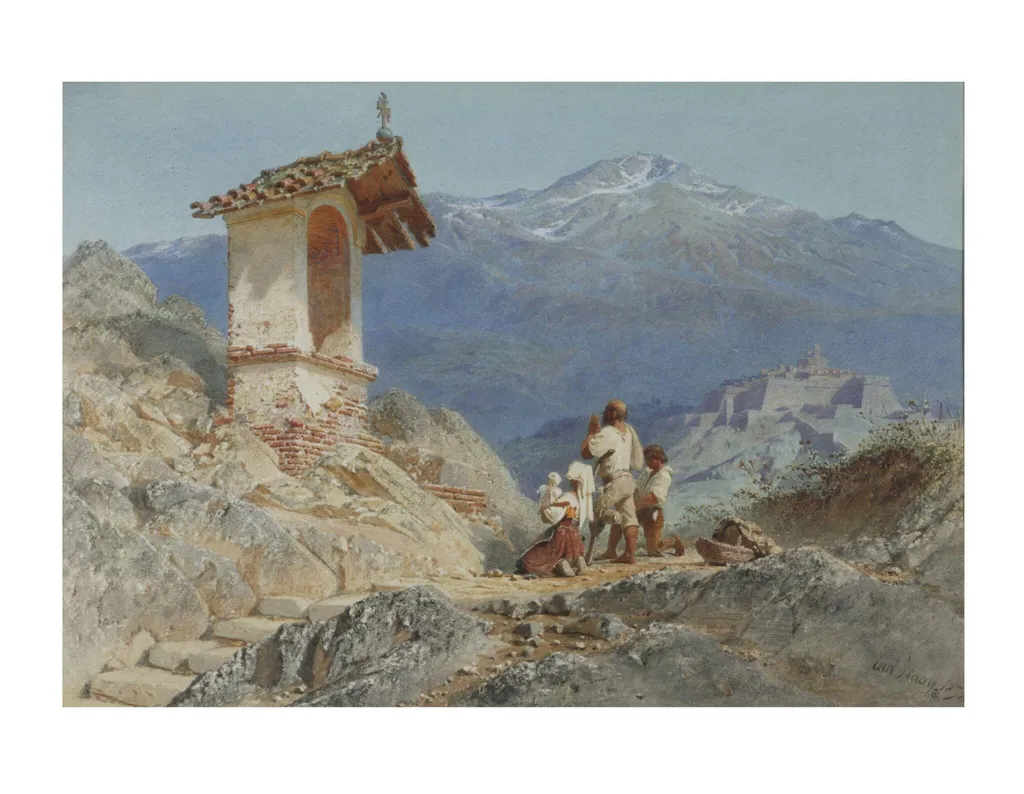
In the Sabine Hills: Figures at a Shrine is a watercolor work on paper by the Impressionist artist Carl Haag. It dates from 1858 and is held in the collection of the Victoria and Albert Museum.
About this work
Overview
Carl Haag’s 1858 watercolour, *In the Sabine Hills: Figures at a Shrine*, portrays a modest stone chapel perched on a craggy slope in the Italian Sabine region. A small group—two men, a child, and a kneeling woman—occupy the foreground, while a broad valley, distant peaks, and a walled settlement unfold behind them.
Subject & Meaning
The composition captures a quiet moment of rural devotion, emphasizing the everyday piety of ordinary people rather than grand religious drama. The kneeling figure suggests prayer, while the standing figures appear to be companions or relatives, underscoring a communal aspect of worship within a simple landscape.
Technique & Style
Haag employs a restrained palette of muted greens, earth tones, and soft blues, allowing the light to diffuse gently across the scene. Delicate washes render the rocky terrain and distant architecture, while fine linear detail defines the chapel’s cross and tiled roof, creating a balance between atmospheric mood and precise observation.
History & Provenance
The work formed part of the extensive British watercolour collection assembled by collector Richard Ellison. Following Ellison’s death, his widow donated the painting to the National Collection of Water Colour Paintings in two installments, first in 1860 and later in 1873, ensuring its public accessibility.
Artist & collection
Artist
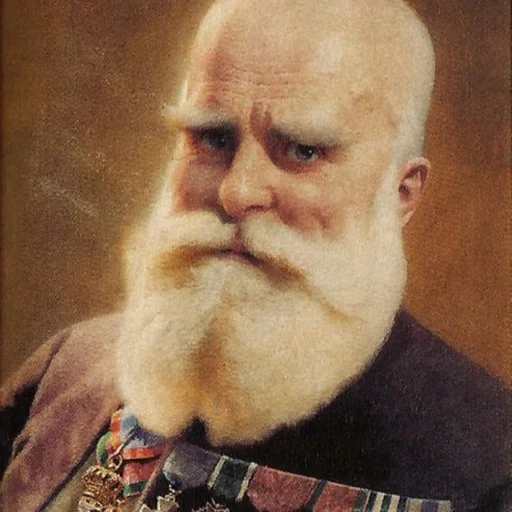
Carl Haag was a Bavarian-born painter who became a naturalized British subject and was court painter to the duke of Saxe-Coburg and Gotha.

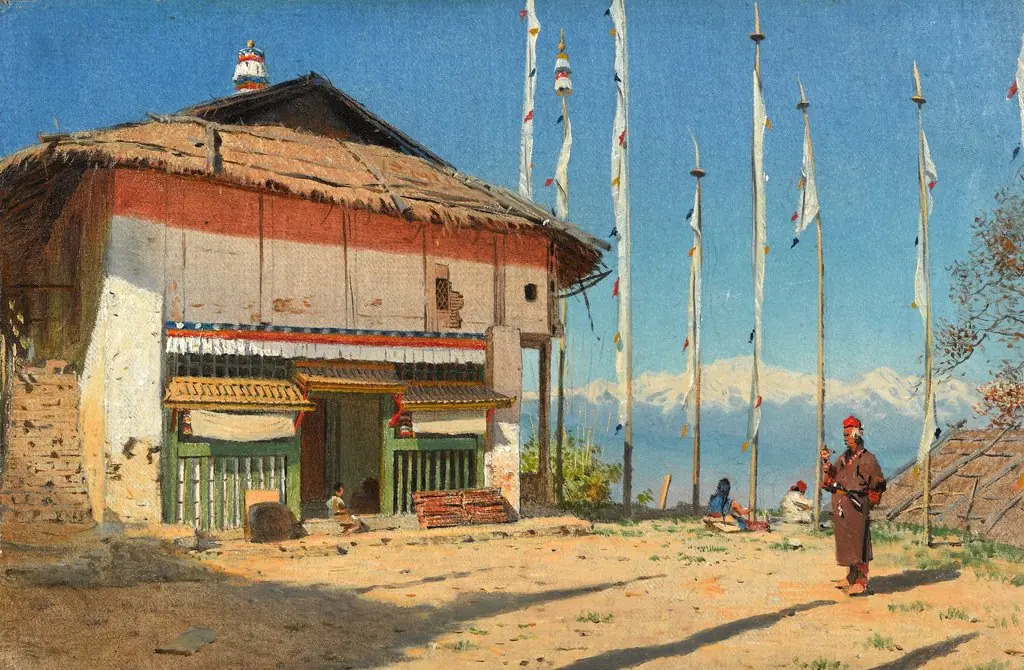 Buddhist Temple in Darjiling. Sikkim
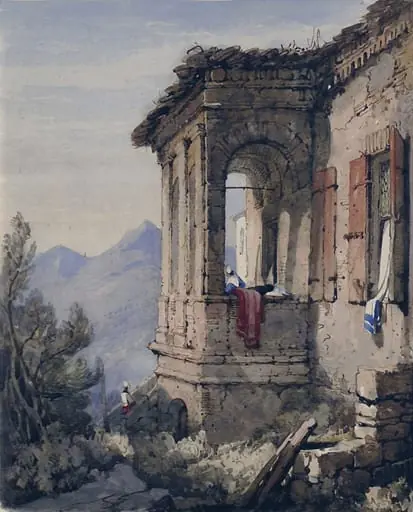 House of Petrarch at Arqua
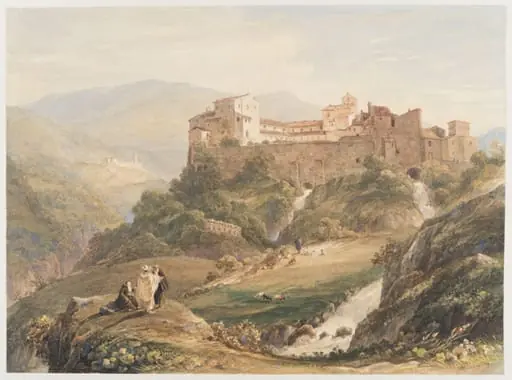 Italian landscape
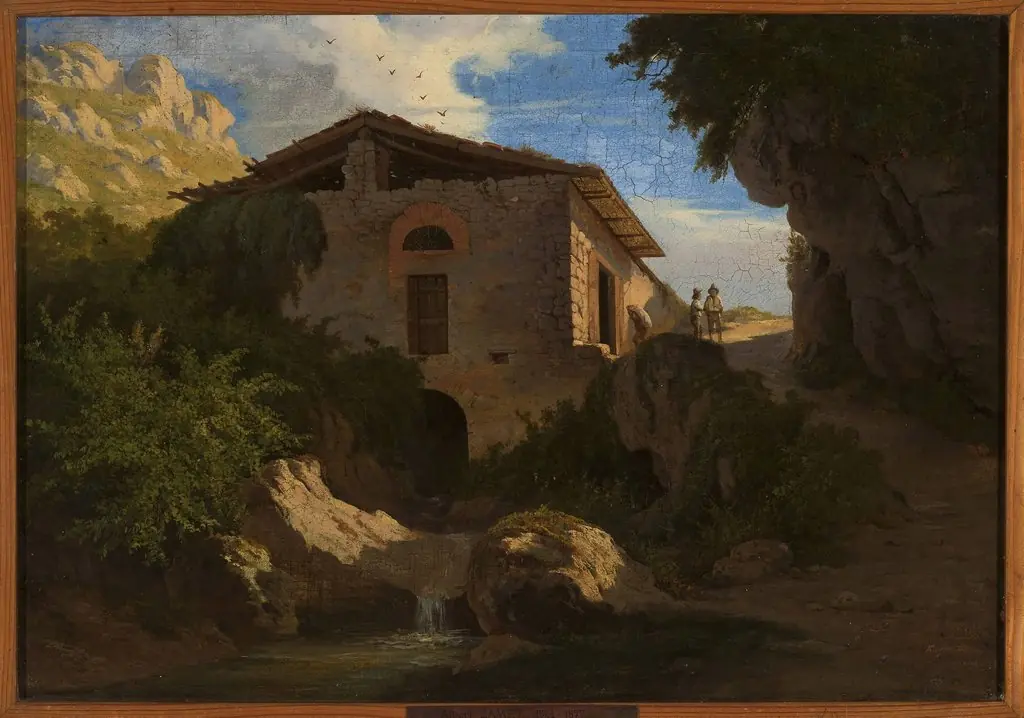 Italian landscape
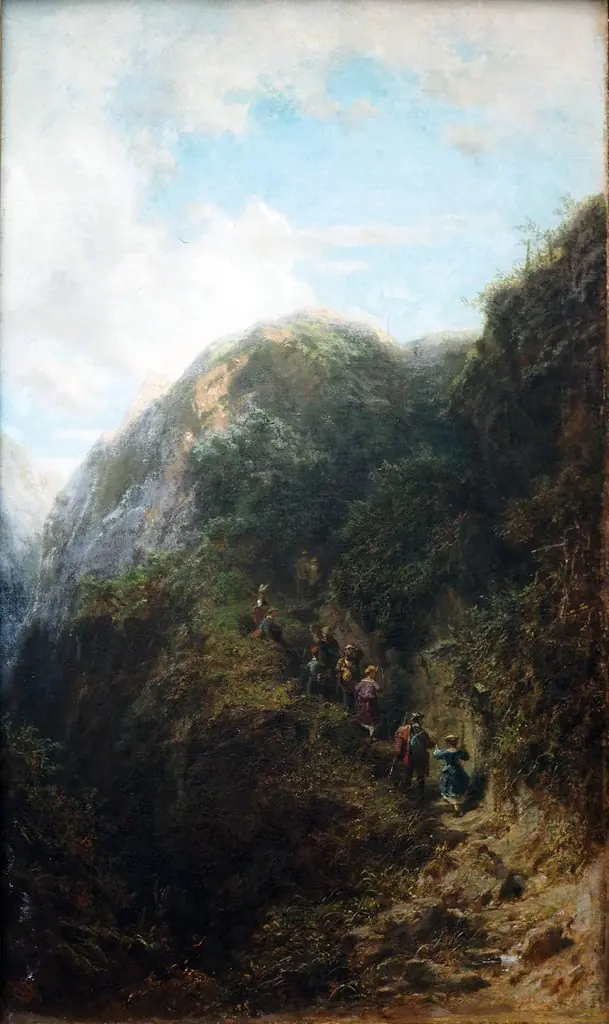 Tourists in the Mountains
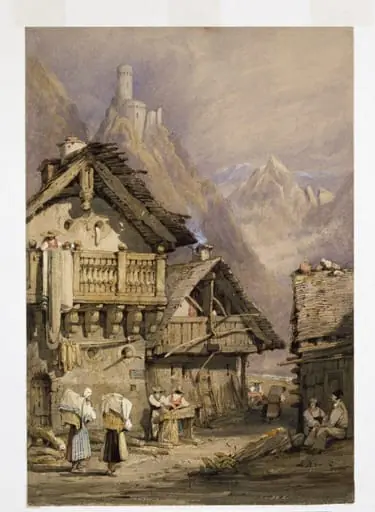 An Alpine Village
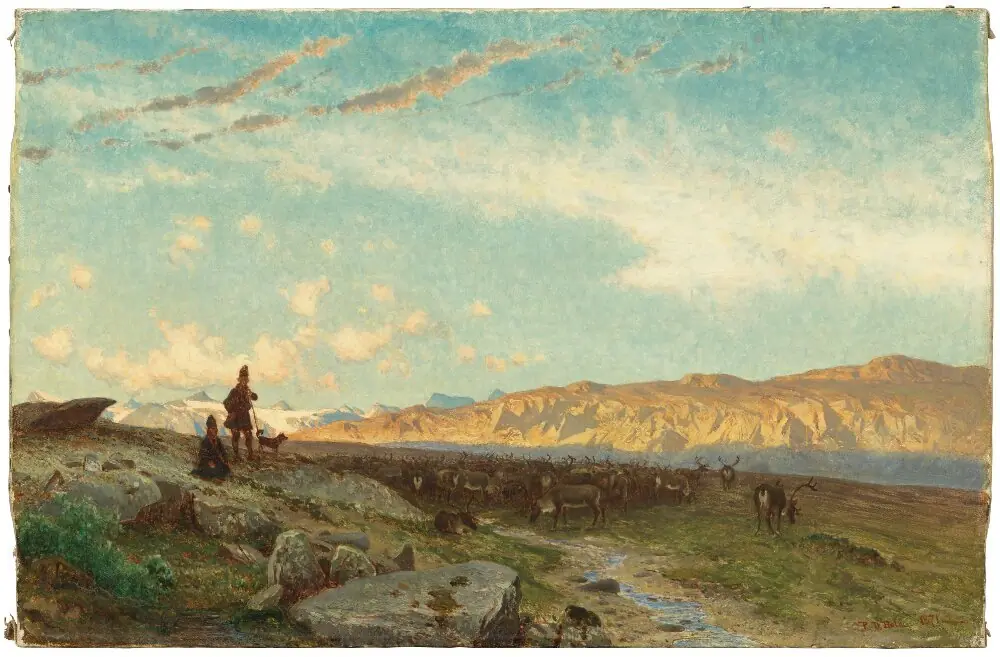 Laponian Landscape with Reindeer and Sami
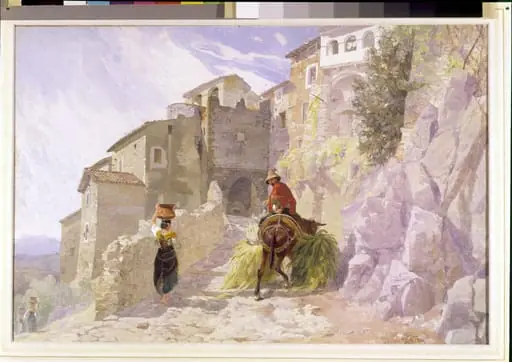 Monastry of San Rocco at Olevano
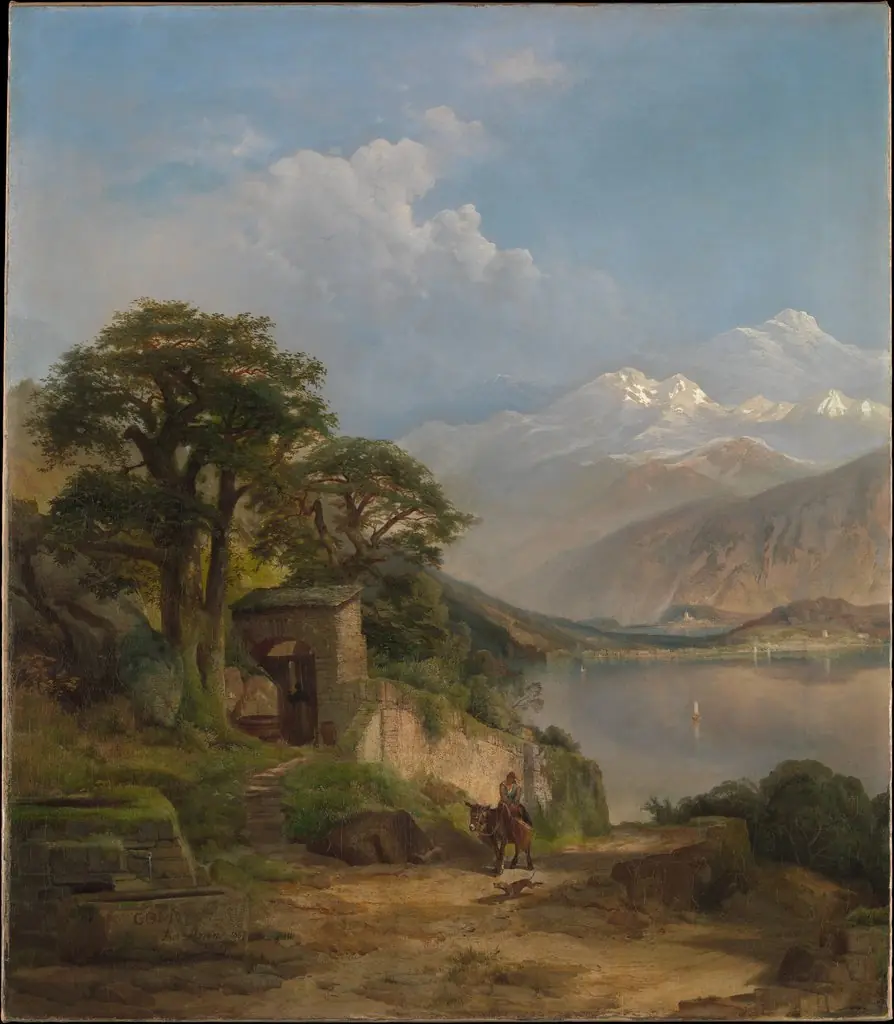 Lierna
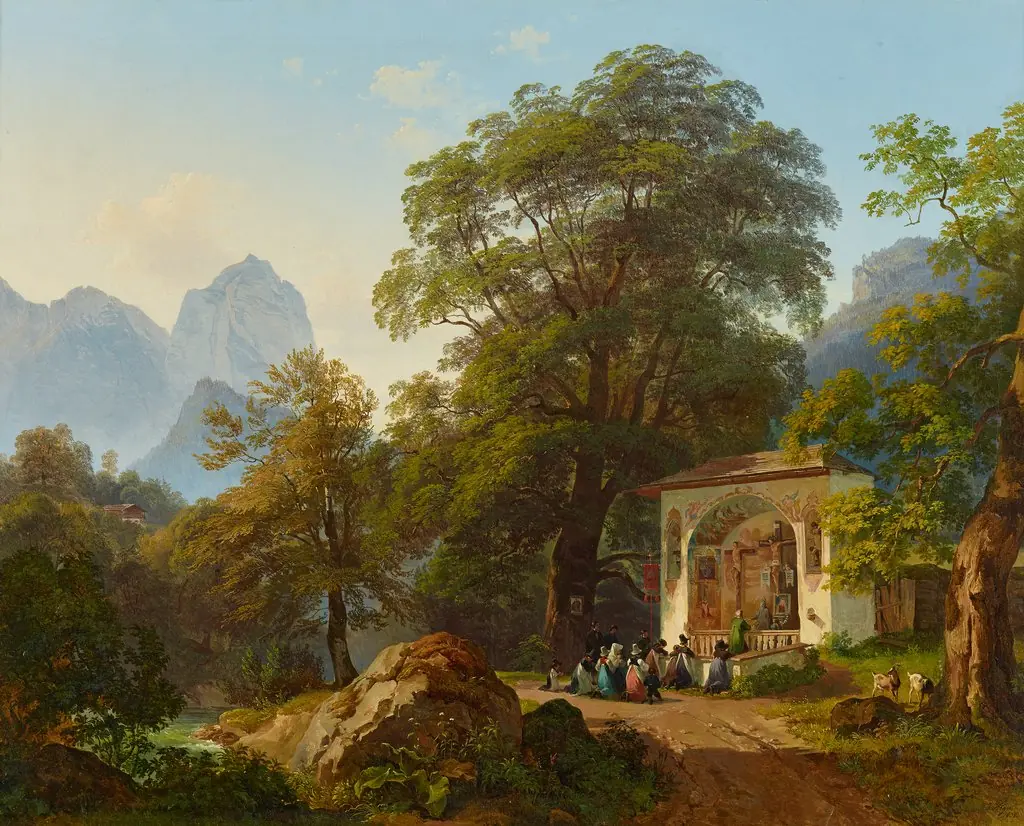 Waldkapelle
 Alpine Landscape in Tyrol with Chamois Herd
 Theatre, with the Sarcophagus and Harpy Tombs, Xanthus