Artwork
A boatman's children at Srinagar, Kashmir
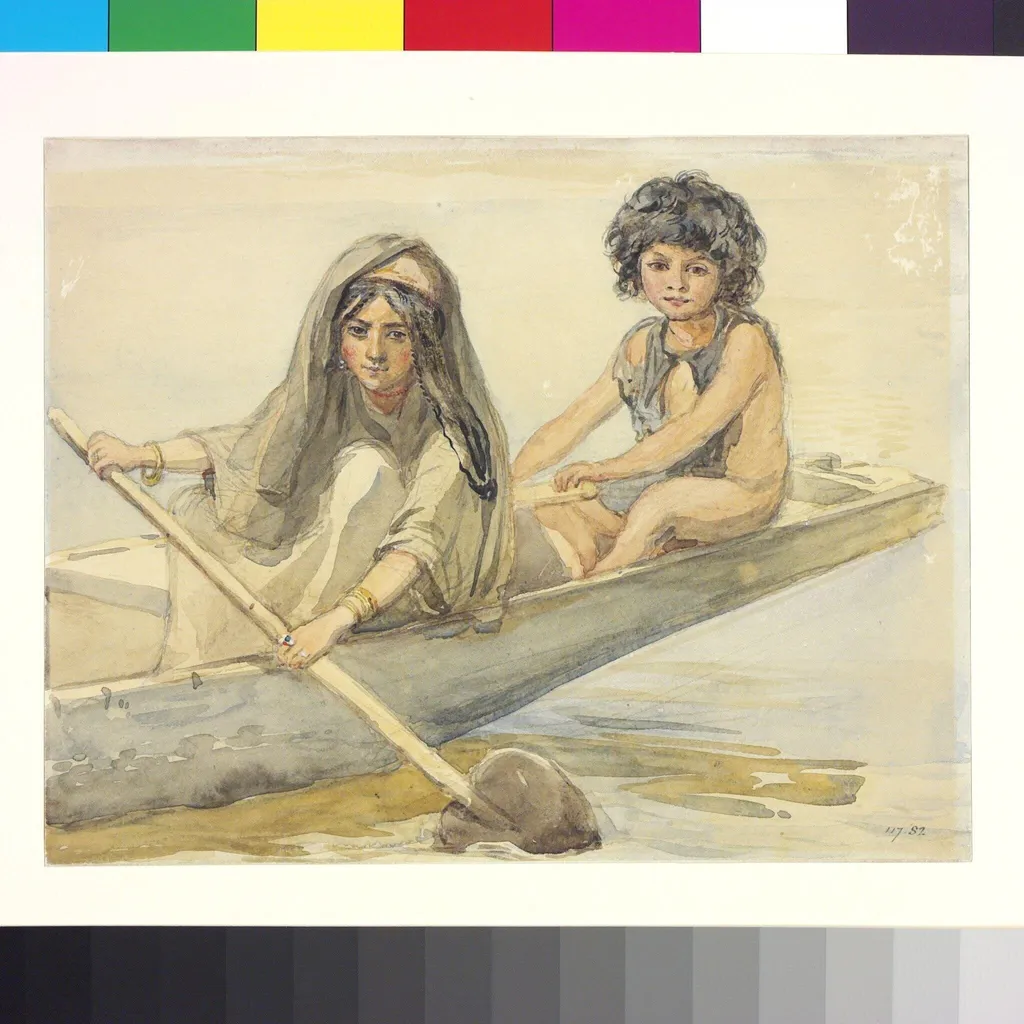
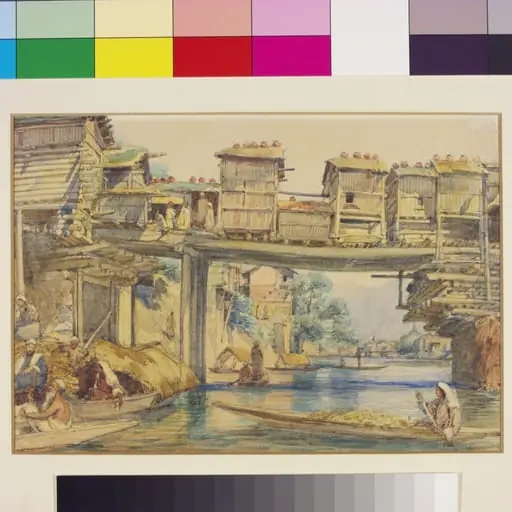
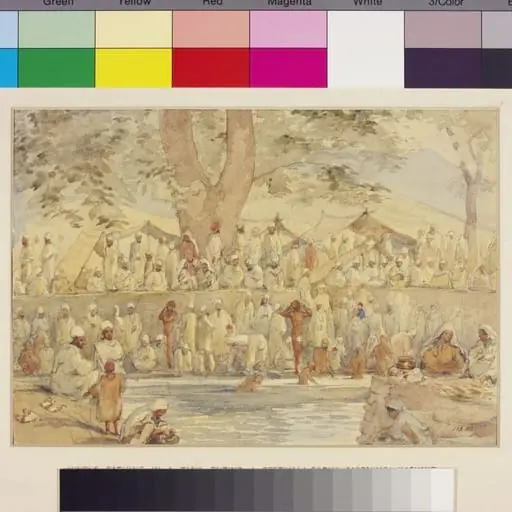
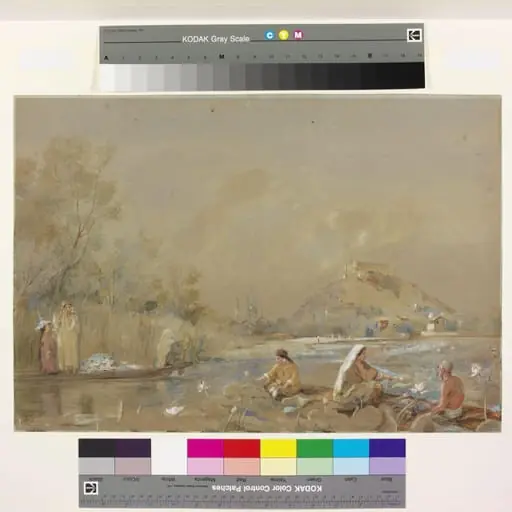
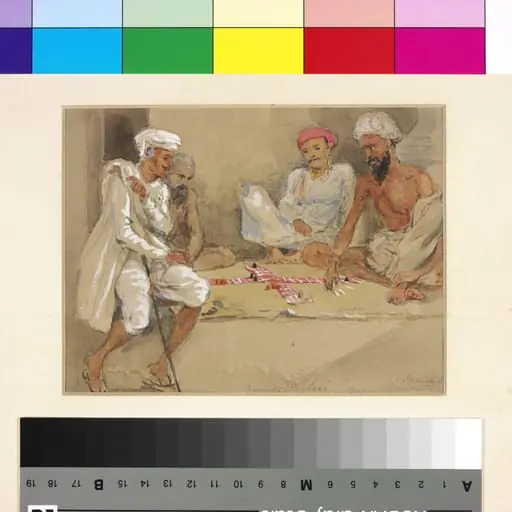
A boatman's children at Srinagar, Kashmir is a paint painting by the Patna School of Painting artist William Carpenter. It dates from 1855 and is held in the collection of the Victoria and Albert Museum.
About this work
Overview
Carpenter, an English artist immersed in regional life, rendered the scene with quiet observation rather than exoticism.
Painted between 1854 and 1855 during William Carpenter’s stay in Kashmir, this work portrays two children of a local boatman in their vessel on a quiet stretch of water. Carpenter, an English artist immersed in regional life, rendered the scene with quiet observation rather than exoticism. The painting was acquired by a British museum in 1888 as part of a collection documenting his Indian travels.
Subject & Meaning
The two children, one girl at the oars and one boy seated beside her, are depicted in ordinary, unposed stillness. Their postures suggest daily labor, yet the absence of hardship or drama shifts focus to quiet domesticity. The girl’s grip on the oars and the boy’s relaxed posture convey a natural familiarity with the boat, reflecting a life shaped by water and rhythm rather than spectacle.
Technique & Style
Carpenter employed soft, blended brushwork and a restrained palette of browns, grays, and muted blues to evoke calm. The water’s stillness mirrors the sky, creating a seamless horizon that enhances the scene’s tranquility. Light is diffused, avoiding sharp contrasts, and the composition’s diagonal boat angle draws the eye gently across the surface, reinforcing the sense of peaceful motion.
History & Provenance
Carpenter painted this during a year-long residence in Srinagar, where he lived among locals and adopted regional dress. The work entered a museum collection in 1888, alongside other Indian scenes he produced between 1850 and 1856. Its acquisition reflects Victorian-era interest in ethnographic documentation, though Carpenter’s approach remained observational rather than didactic.
Context
In mid-19th century India, British artists often depicted local life through a colonial lens. Carpenter’s work diverged by emphasizing quiet, unmediated moments — children in a boat, not ceremonies or rulers. His focus on ordinary figures, rendered without sentimentality, aligns with a quieter strand of travel art that valued authenticity over dramatic narrative.
Legacy
The painting endures as a quiet record of everyday Kashmiri life during British colonial presence. It contributes to a body of work that, while not widely celebrated, offers a restrained counterpoint to more theatrical depictions of India. Its preservation underscores an early effort to document domestic scenes with empathy, rather than spectacle.
Artist & collection
Artist
William Carpenter (1818–1899) was an English watercolour artist. He travelled for six or seven years in the 1850s painting scenes of India, its people and its life. The Victoria and Albert Museum bought over 280 of his…

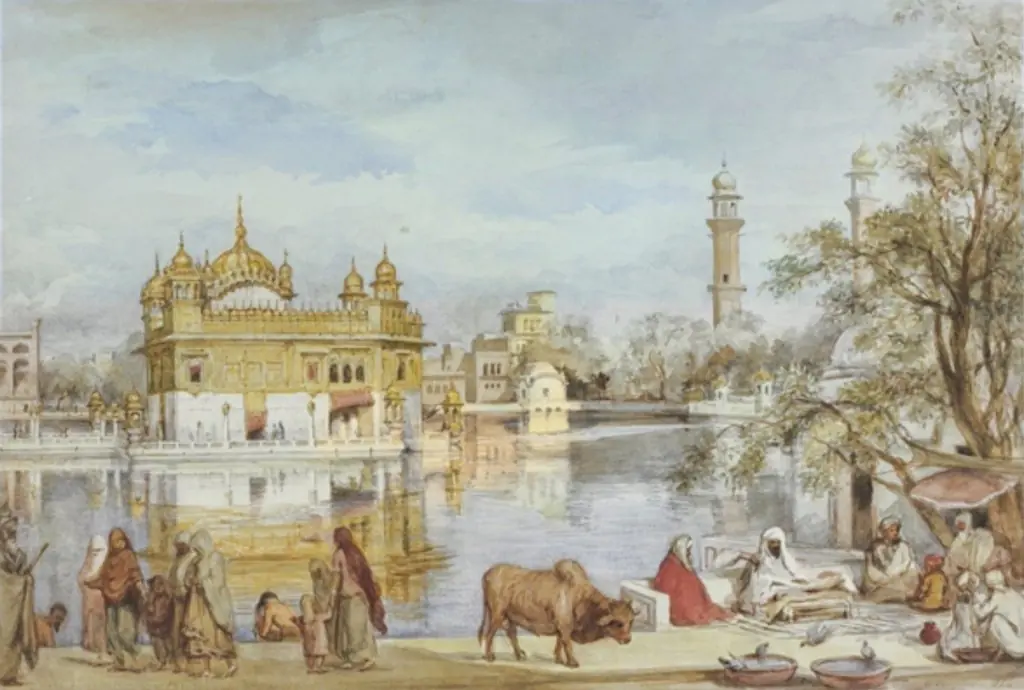 The Golden Temple, Amritsar
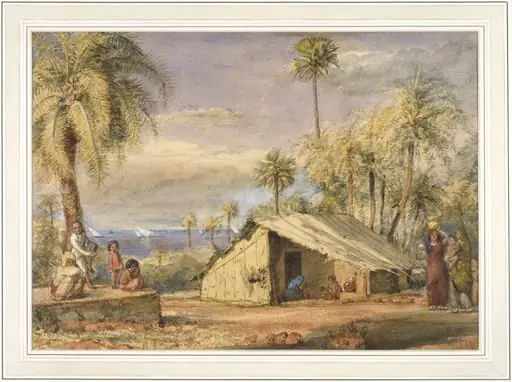 Toddywallah's hut in a grove of date palms near Breach Candy, Bombay
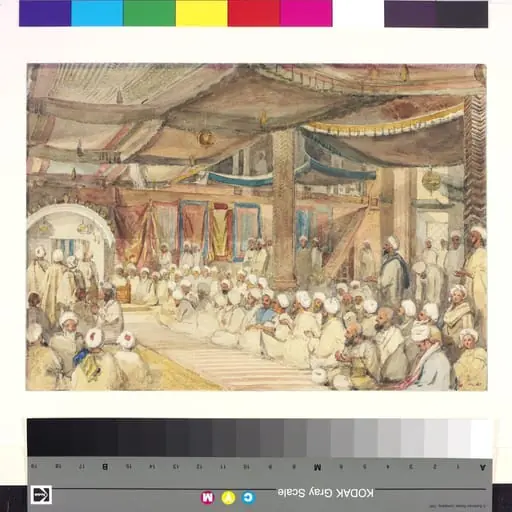 Interior of Shah Hamadan's Masjid during a religious ceremony
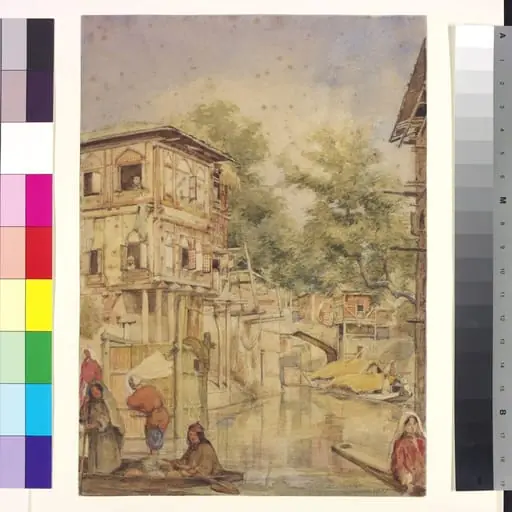 On the Mar Canal at Srinagar, Kashmir
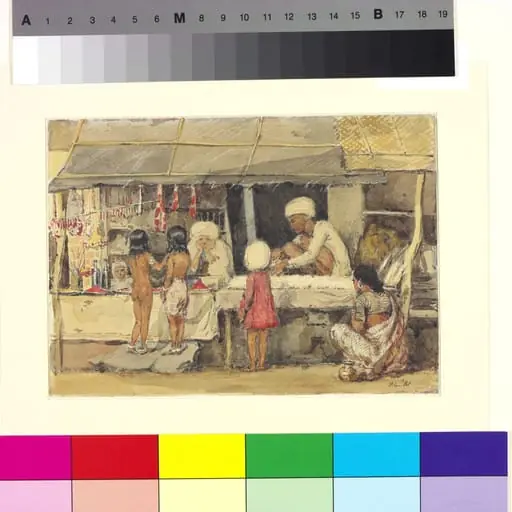 Shops for colours and flowers used at festivals, Sadr bazaar, Pune
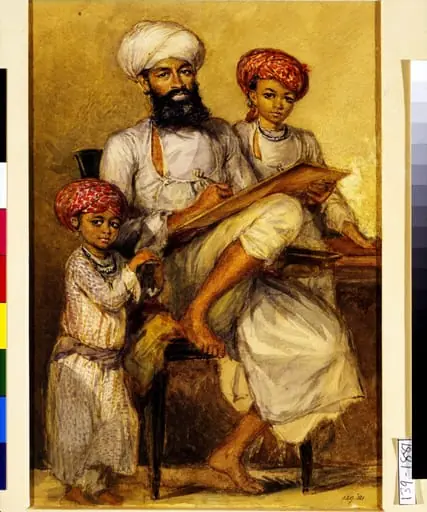 Portrait of Tara Chand, the court painter
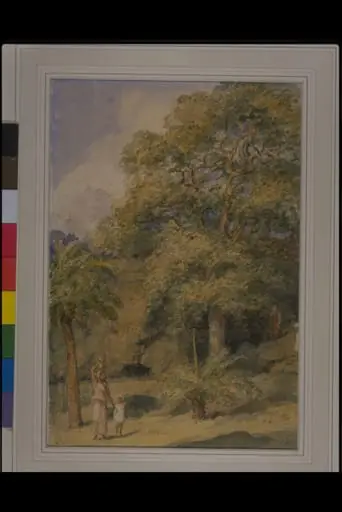 Study of a tamarind tree and date palms near Sir William Yardley's house at Breach Candy, Bombay
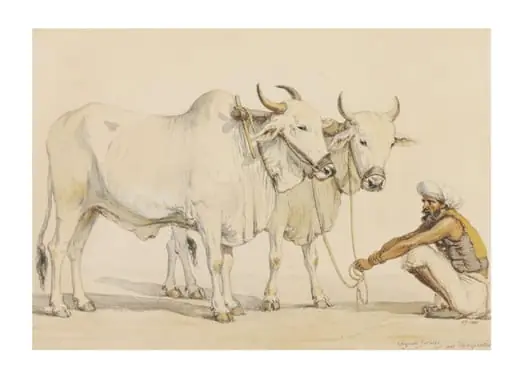 Two harnessed bullocks from Gujarat with their keeper