Artwork
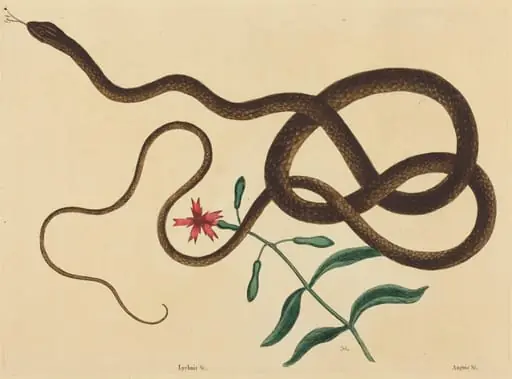
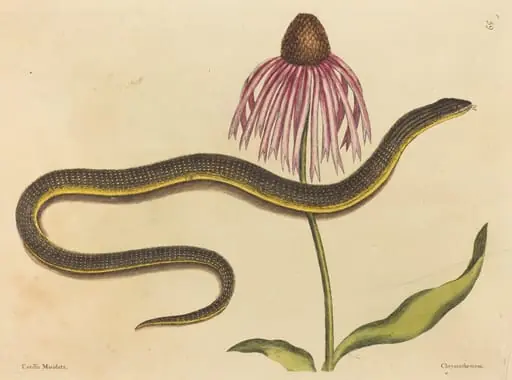
The Glass Snake (Anguis ventralis)
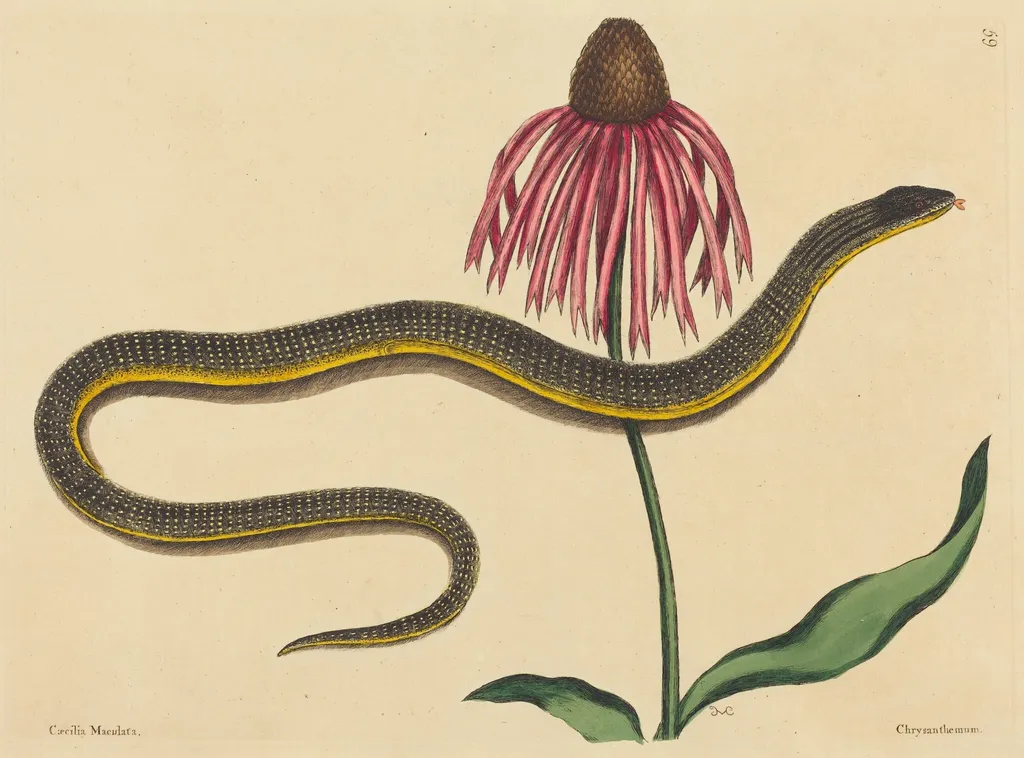
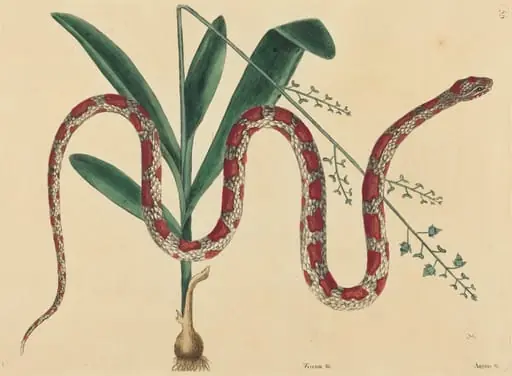
The Glass Snake (Anguis ventralis) is an ink print by the Baroque artist Mark Catesby. It dates from 1737 and is held in the collection of the National Gallery of Art.
About this work
Overview
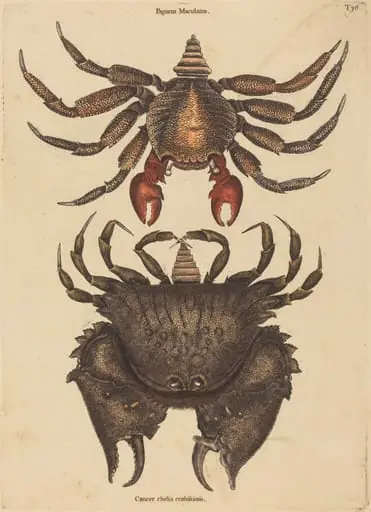
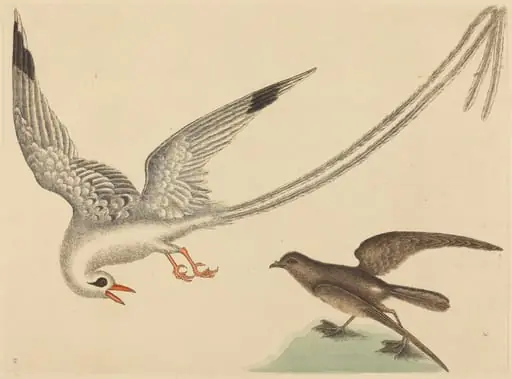
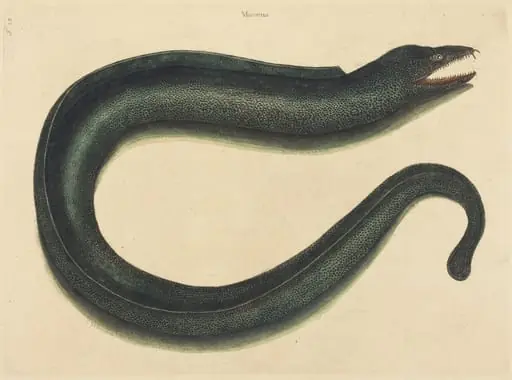
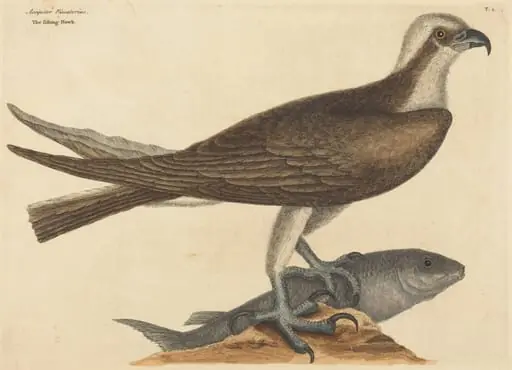
The work titled *The Glass Snake (Anguis ventralis)* is a print produced in 1737 by the English naturalist Mark Catesby. Executed as an etching and engraving with hand‑applied color on laid paper, the image forms part of Catesby’s extensive visual record of North American wildlife.
Subject & Meaning
The plate depicts a slender, pale snake coiled on a rocky ledge. The animal is rendered with a translucent quality, its body appearing as a light‑filled tube rather than a scale‑covered form. The composition emphasizes the creature’s delicate structure against a stark, natural backdrop.
Technique & Style
Catesby combined intaglio processes—etching and engraving—to define line and texture, then applied watercolor by hand to each impression. This hand‑coloring makes every copy slightly different, while the use of laid paper provides a subtle, ribbed surface that enhances the drawing’s fine details.
History & Provenance
The print belongs to the series of plates issued in Catesby’s *Natural History of Carolina, Florida and the Bahama Islands*, a multi‑volume work released between 1729 and 1747. The publication contains 220 illustrated plates covering birds, reptiles, amphibians, fish, insects, mammals, and plants, documenting the region’s biodiversity for European audiences.
Artist & collection

Artist
Mark Catesby (24 March 1683 – 23 December 1749) was an English naturalist who studied the flora and fauna of the New World.