Artwork
The Yellow and Black Pye (Oriolus Icterus)
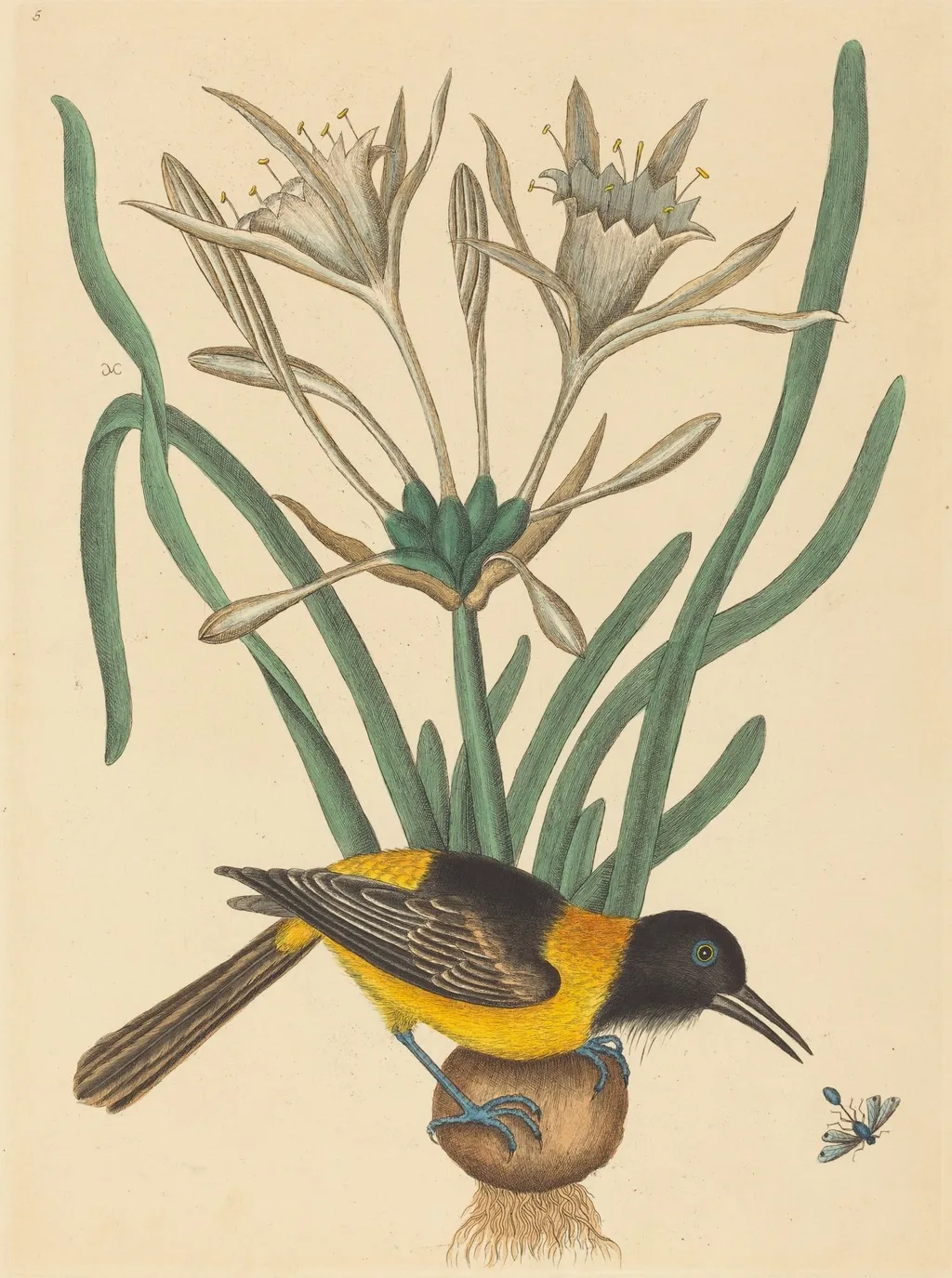
The Yellow and Black Pye (Oriolus Icterus) is an ink print by the Baroque artist Mark Catesby. It dates from 1737 and is held in the collection of the National Gallery of Art.
About this work
Overview
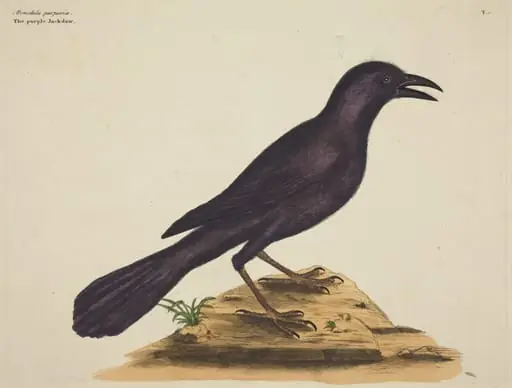
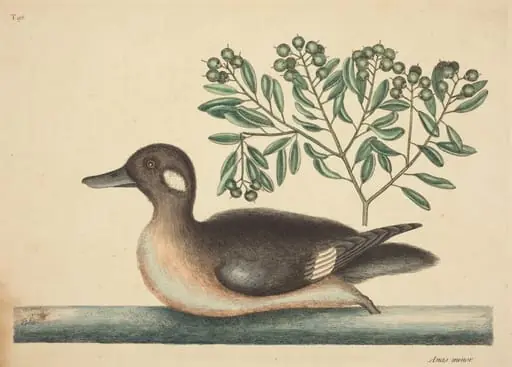
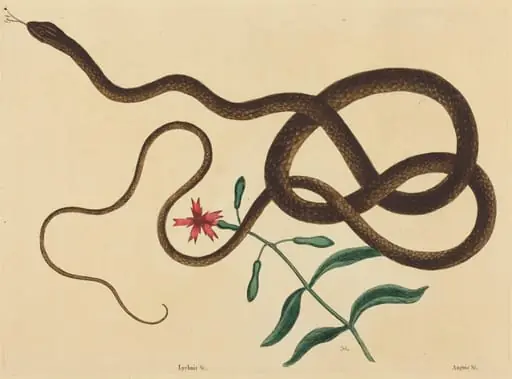
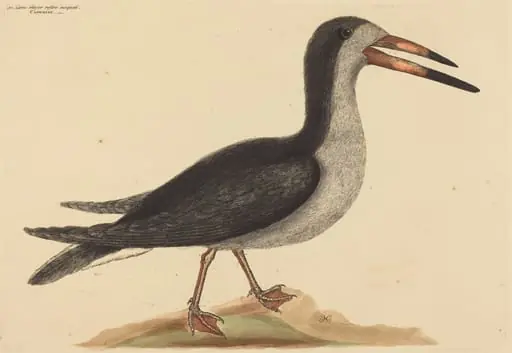
Mark Catesby’s 1737 print titled *The Yellow and Black Pye (Oriolus Icterus)* is a hand‑colored etching and engraving executed on wove paper. It appears in the first volume of his multi‑year work *Natural History of Carolina, Florida and the Bahama Islands*, which aimed to record the region’s plants and animals for a European audience.
Subject & Meaning
The image portrays a Baltimore oriole, a small passerine native to the eastern United States, perched amid tall green foliage. A blue ribbon is tied around the bird’s leg, a convention used by naturalists of the period to aid identification in field studies. In the background, a cluster of white flowers with yellow centers and a blue butterfly add contextual detail to the bird’s habitat.
Technique & Style
Catesby combined traditional copper‑plate etching with engraving, then applied watercolor by hand to enhance the bird’s bright yellow and black plumage and the surrounding leaves. The careful application of pigment gives the impression of natural coloration while retaining the linear precision of the printmaking process.
History & Provenance
Created between 1729 and 1747, the plate is one of 220 illustrations Catesby produced for his natural history series, the first comprehensive illustrated survey of North American flora and fauna published in Europe. The work circulated among scientific societies and collectors, establishing Catesby as a pioneering figure in transatlantic natural history illustration.
Own this work as a print
Artist & collection

Artist
Mark Catesby (24 March 1683 – 23 December 1749) was an English naturalist who studied the flora and fauna of the New World.