Artwork
Fireplace Tongs and Poker
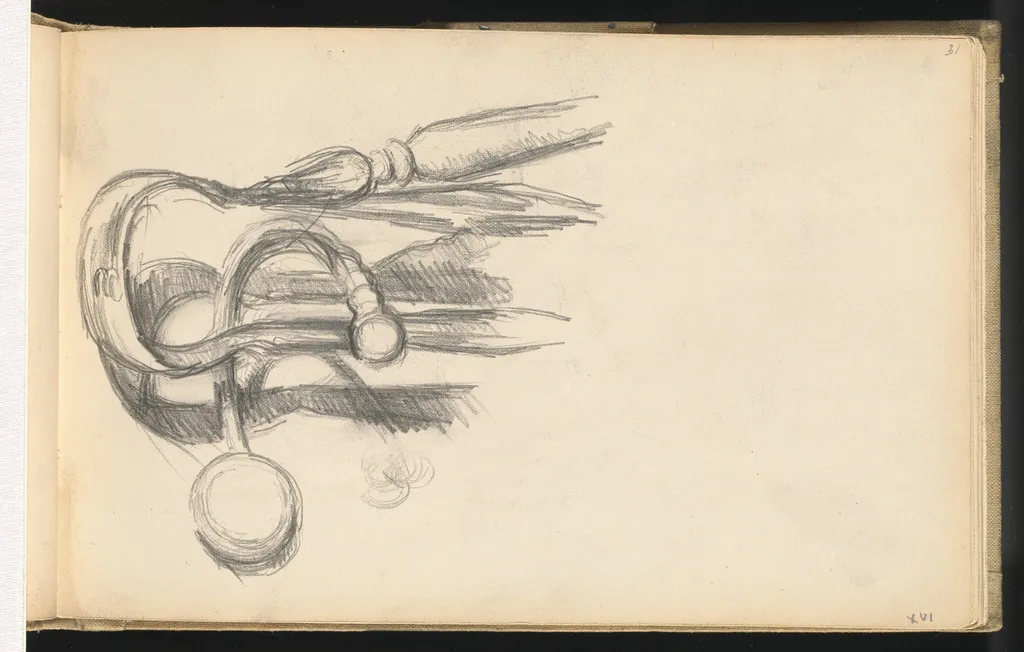
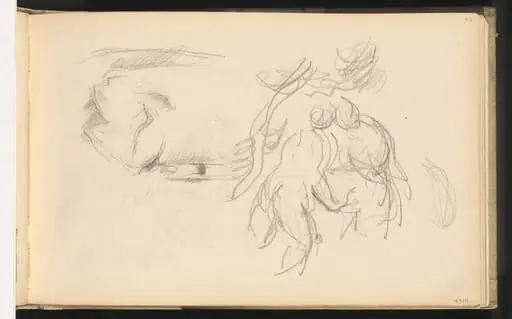
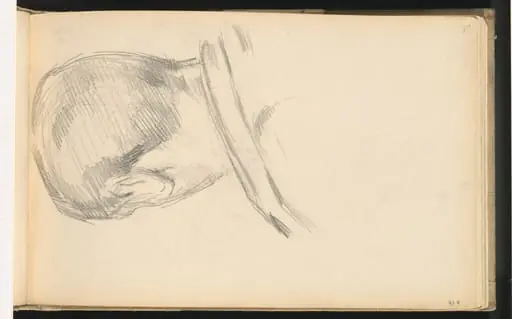
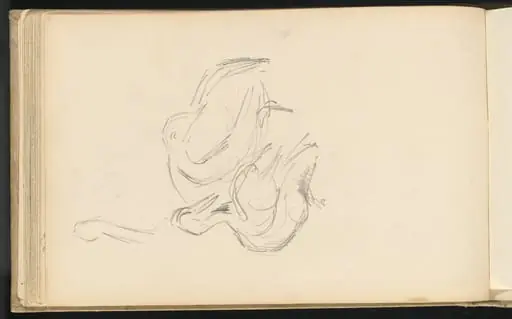
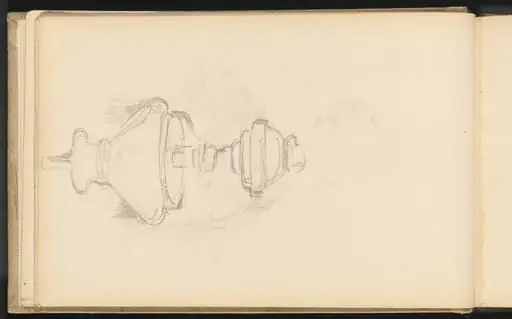
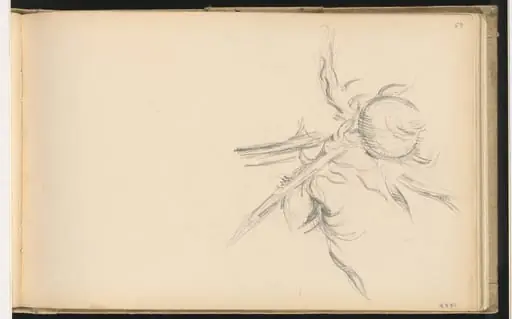
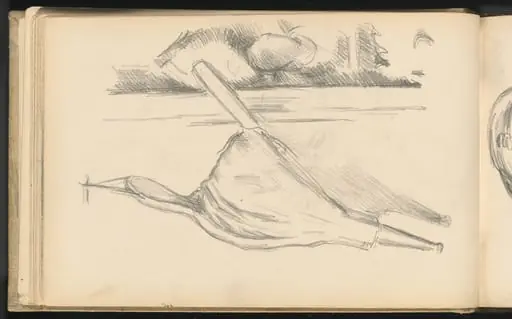
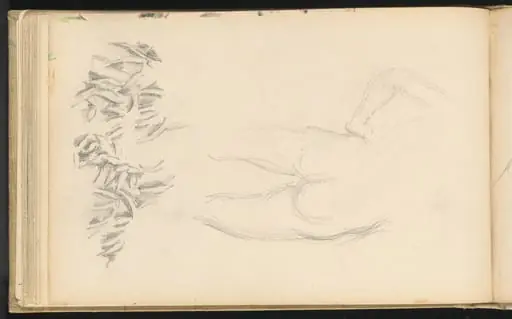
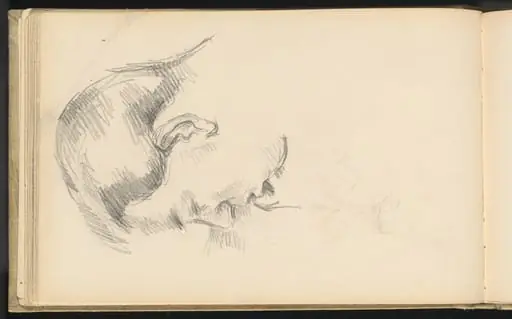
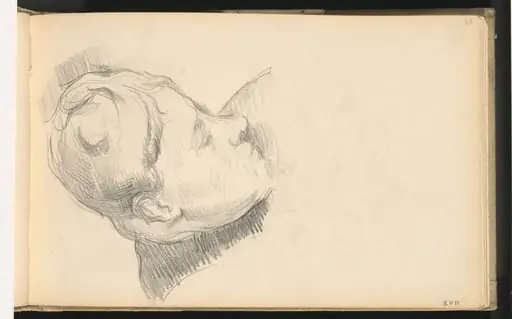
Fireplace Tongs and Poker is a graphite drawing by the Impressionist artist Paul Cezanne. It dates from 1890 and is held in the collection of the National Gallery of Art. Created around 1890, this graphite drawing by Paul Cézanne depicts a fireplace poker and tongs rendered with swift, unrefined lines.
About this work
Overview
Created around 1890, this graphite drawing by Paul Cézanne depicts a fireplace poker and tongs rendered with swift, unrefined lines.
Created around 1890, this graphite drawing by Paul Cézanne depicts a fireplace poker and tongs rendered with swift, unrefined lines. Executed on warm-toned wove paper, the work captures everyday objects with minimal detail, emphasizing form over finish. Its casual execution suggests it was made as a study, not a finished piece, reflecting Cézanne’s habit of observing ordinary items to refine his visual language.
Subject & Meaning
The subject—common hearth tools—is rendered without ornament or narrative. Cézanne isolates these utilitarian objects to examine their structure and spatial relationships. Their simplicity invites focus on volume, weight, and arrangement, revealing his interest in how mundane things occupy space. The absence of context underscores his commitment to form over symbolism.
Technique & Style
Cézanne used loose, hesitant graphite strokes to suggest the tongs’ curved handles and the poker’s elongated shaft. Shadows are softly modeled, avoiding sharp contours. The paper’s natural warmth enhances the tonal subtlety, while the slightly irregular lines convey immediacy. This approach prioritizes perception over precision, aligning with his broader pursuit of structural clarity through direct observation.
History & Provenance
The drawing is part of a larger body of studies Cézanne produced in his later years, often in his studio at Aix-en-Provence. While its exact provenance before the 20th century is undocumented, it entered institutional collections as an example of his preparatory work. Its survival reflects growing recognition of his sketches as vital to understanding his artistic process.
Context
In the 1890s, Cézanne increasingly turned to still-life subjects as a means to explore composition and perception. Unlike Impressionists who captured fleeting light, he sought enduring structure. These drawings, made in solitude, were private exercises—tools to translate three-dimensional reality into balanced, geometric arrangements on paper.
Legacy
This sketch exemplifies how Cézanne’s preparatory works influenced modern art’s shift toward abstraction. His willingness to leave forms unfinished and emphasize underlying geometry inspired later artists, including Picasso and Braque. What was once considered mere practice is now valued as a direct expression of his methodical, analytical approach to seeing.
Artist & collection
Artist
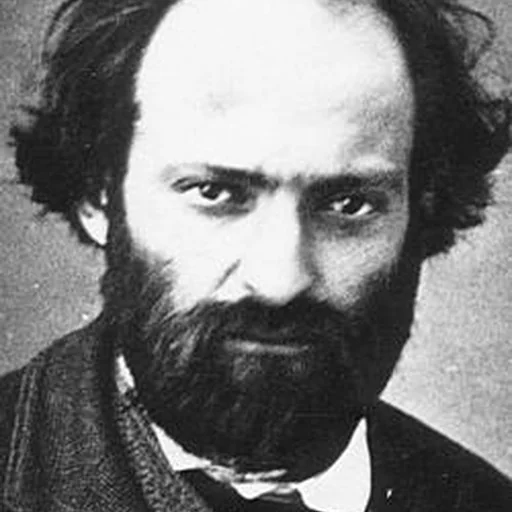
Paul Cézanne was born on January 19, 1839, in Aix-en-Provence, the son of a hatter turned wealthy banker.

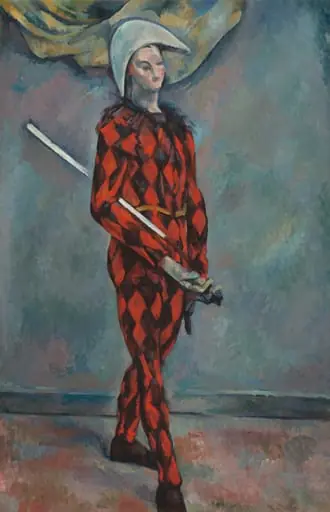 Harlequin
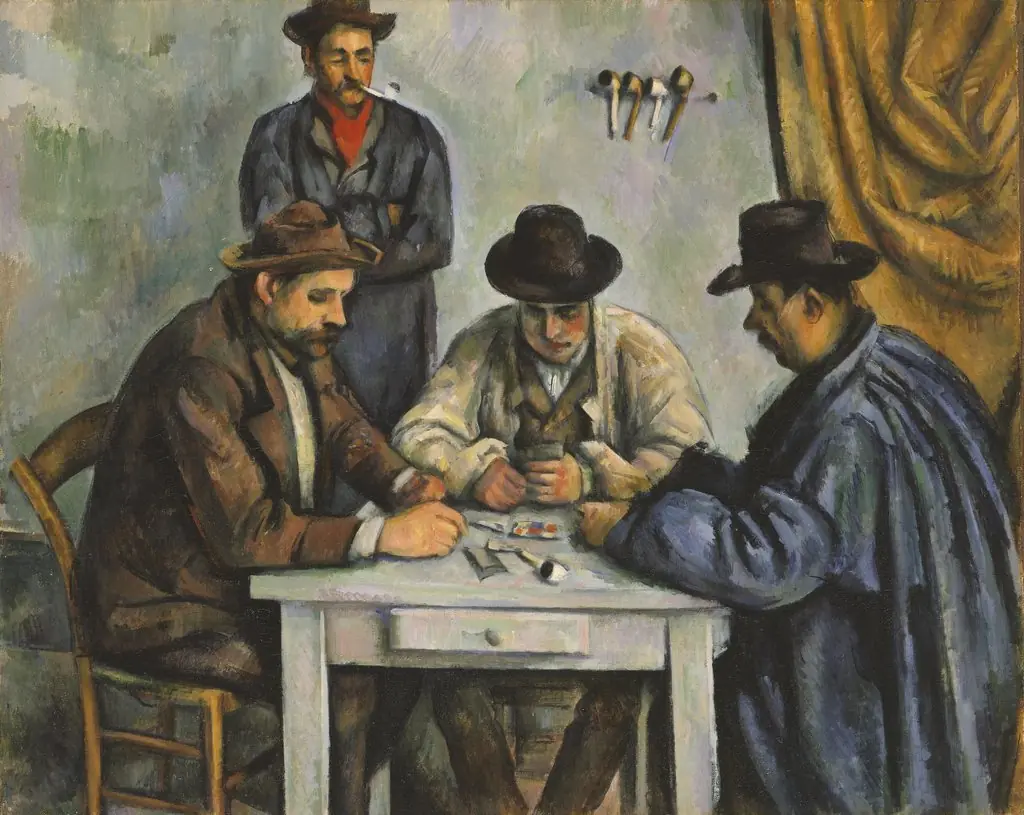 The Card Players
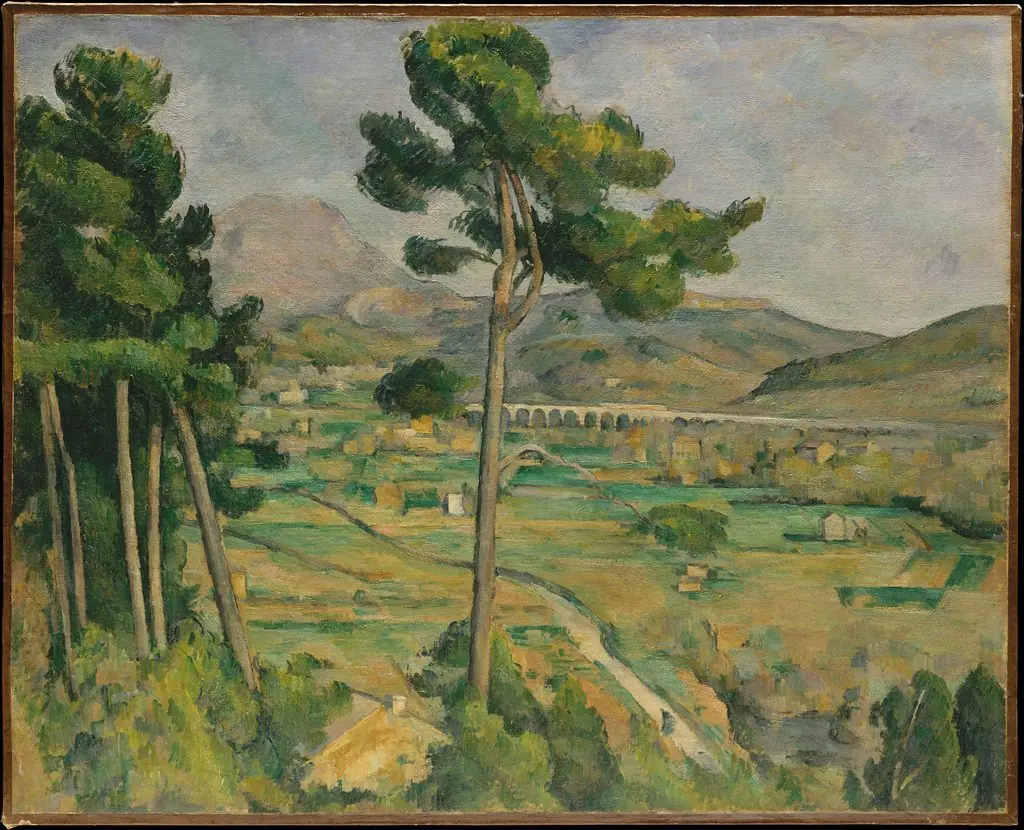 Mont Sainte-Victoire and the Viaduct of the Arc River Valley
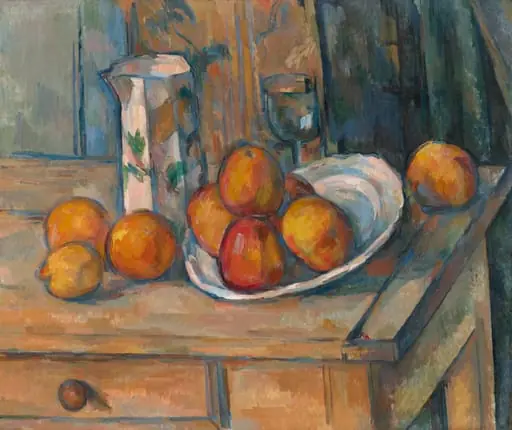 Still Life with Milk Jug and Fruit
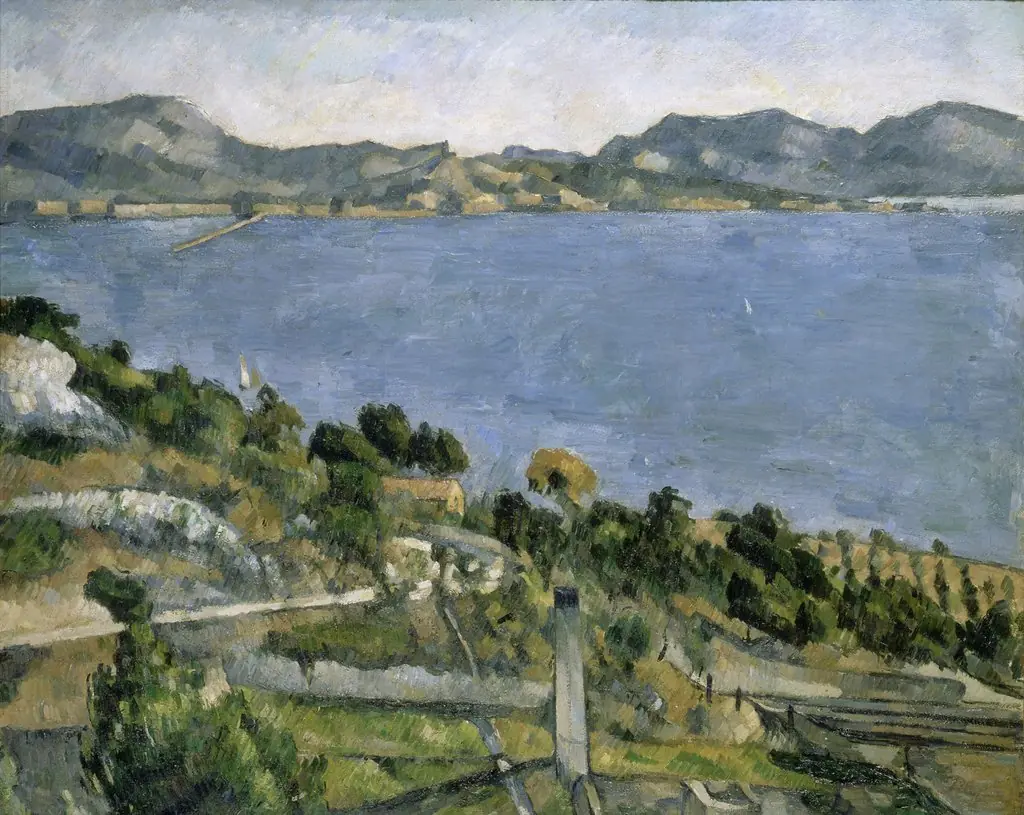 Le Golfe de Marseille vu de l'Estaque (The Gulf of Marseille Seen from L'Estaque)
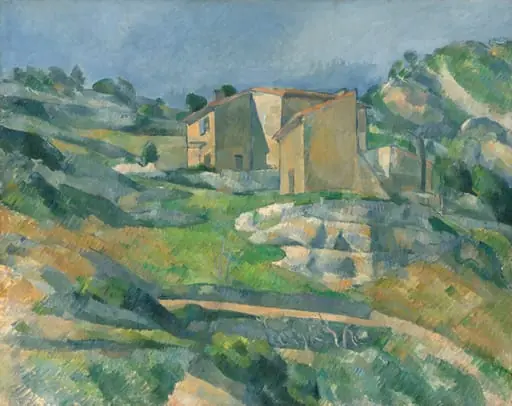 Houses in Provence: The Riaux Valley near L'Estaque
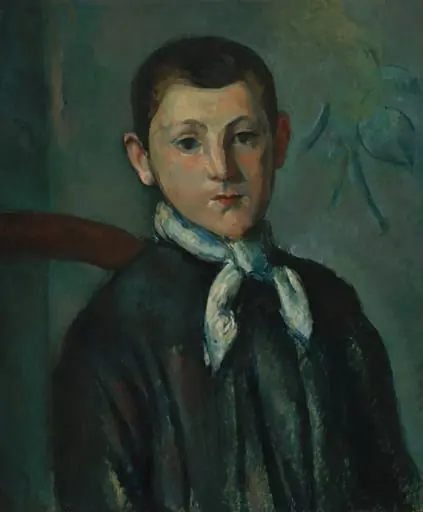 Louis Guillaume
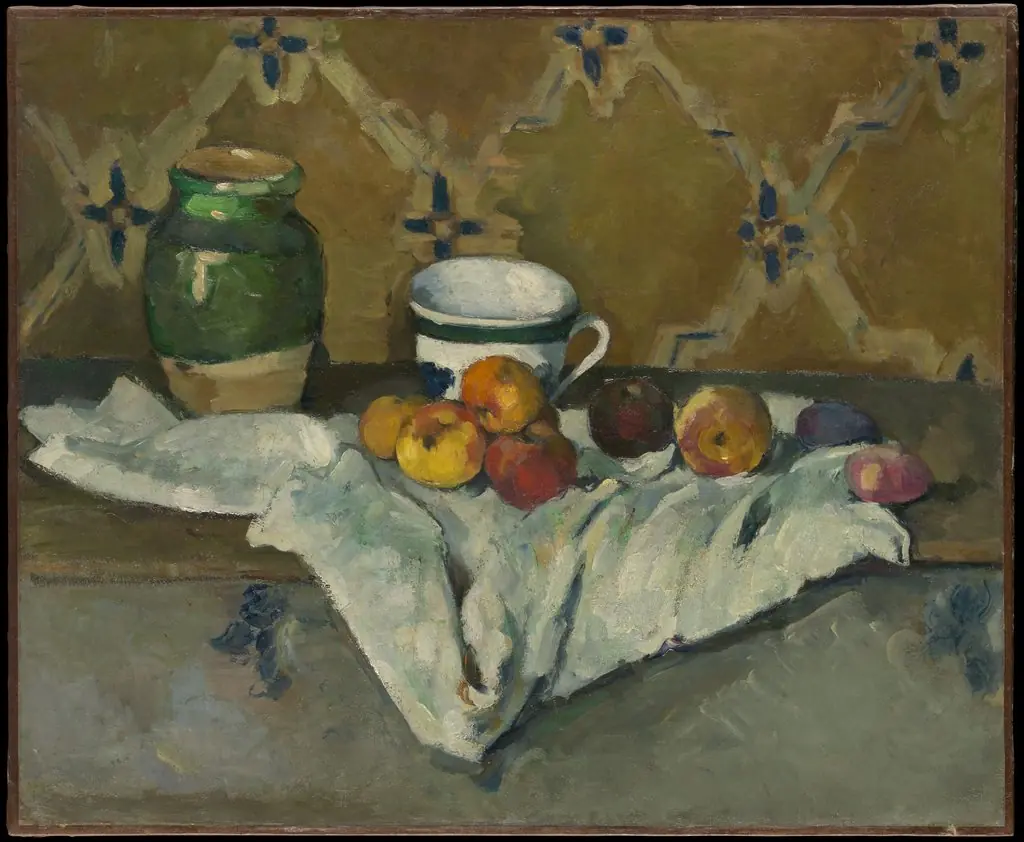 Still Life with Jar, Cup, and Apples